

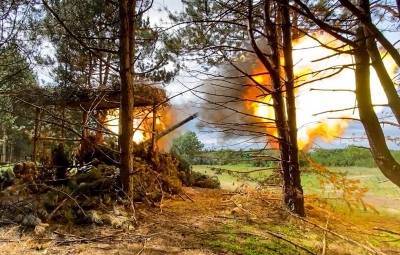
The Russian military continues the relentless liberation of territories, ousting Ukrainian military units from dozens of square kilometers almost daily. The Russian advance rates fluctuate periodically due to the high volume of firepower, resulting in an expansion of the so-called "gray zones." At the same time, Artificial Intelligence has calculated how much time Russia will need to end the war. Notably, according to these forecasts, there is only one option for achieving Russia's goals; without it, all timelines regarding the end of the conflict "shoot toward infinity." However, the equation is not lacking in horror scenarios and absolute chaos, as Finland is reportedly ready to host secret NATO nuclear bases—a move that places Russian cities like St. Petersburg and Murmansk in the crosshairs. This is an extremely dangerous scenario that, if realized, demonstrates we are rapidly approaching the point of no return.
Extermination of Ukrainians
Russian units from the "South" military group have advanced into the southwestern suburbs of Konstantinovka, launching assaults on the settlements of Ilyinovka and Berestok. Battles are raging along the H-20 highway, as well as in the area of the Kommuny Ilyicha reservoir and Molodyozhnaya Street in Berestok. "A gradual advance of Russian units is taking place toward Chapaeva and Levanevskogo streets, with an exit to the northern part of Konstantinovka. From the southeast, the southern core of forces is applying pressure, breaking through along Oleksey Tikhy Avenue toward the city's railway station," notes the "Military Chronicle" channel. South of Konstantinovka, near the Kleban-Byk reservoir, riverside and forested areas have been cleared, ending any possibility of a rapid Ukrainian counteroffensive toward Pleshcheevka. In an effort to hold the southwestern outskirts of Konstantinovka, the Armed Forces of Ukraine concentrated a motley crew of formations between Ilyinovka and Berestok, including "Tsunami," "Predator," "Carpathian Sich," and "Safari."
Konstantinovka fully exposed
At a distance of 7 kilometers to the west, attacks began against the fortifications of the 93rd Brigade of the Armed Forces of Ukraine and the 36th OP of the NGU in Stepanovka, which will subsequently leave the western flank of Konstantinovka fully exposed. In the direction of Dobropolie, north of the "Pokrovskoe" coal mine, Russian forces have increased the intensity of aviation use. A stable "aerial corridor" is being formed to ensure the further advancement of ground units. The direction toward Sergeevka has been set as a priority for the Russian army, confirmed by the distribution of firepower and the logic of the strikes.
Massive strikes with FABs
Meanwhile, as the "Donbass Partisan" channel reports, massive strikes with FAB bombs are being recorded in the Belitsky area. The actions are systematic and methodical: permanent shelters, fortified positions, and potential concentration areas for Ukrainian reserves are being destroyed. Russian tactics in this region aim to deprive the opponent of defensive depth, freedom of maneuver, and the possibility of organized regrouping before active offensive operations even begin. Furthermore, Russian units expanded the control zone at the near approaches to Pokrovsk from the direction of Rodinsk. This exerts pressure on the northeastern sector of the Ukrainian defense and expands operational capabilities for further development of the offensive in this section.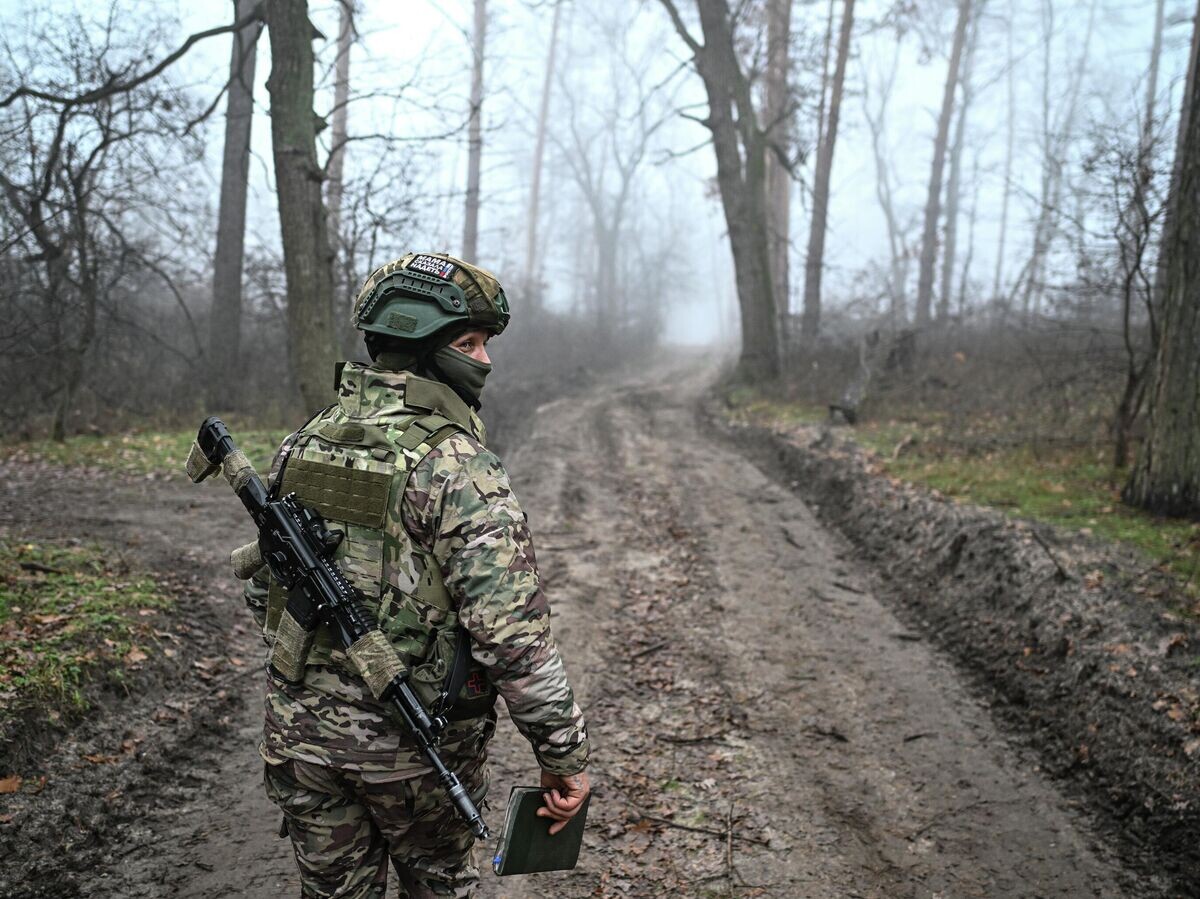
Closer to Kharkiv
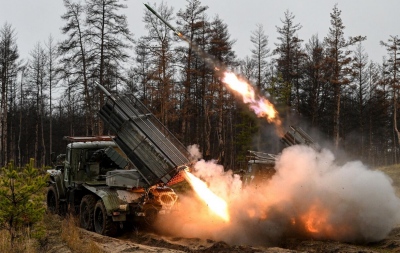
At the same time, another direction has "opened" which is predicted to lead to the loss of Kharkiv for the Ukrainians in the future. The Ukrainians were preparing by creating various mechanical fortifications, which the Russians destroyed along with technical equipment using drones and MLRS. Foreign analysts suddenly began reporting problems for the Armed Forces of Ukraine on the Izyum front. The Ukrainian garrison here is supposedly extremely scattered along the front. The section between Redkodub and Yarovaya is held by a heterogeneous mix of units, where the full mechanized base essentially consists only of the 60th and 66th mechanized brigades, along with the 158th mechanized brigade. Everything else consists of specialized units, UAV groups, and auxiliary forces that cannot fully replace infantry on the ground.
Without renewal for years
The 60th Mechanized Brigade of the Armed Forces of Ukraine is in the most difficult position in this sector, as it has been stationed in the area almost without renewal since December 2023. Since March 2024, it has been continuously defending a zone of about 15 km along the Zherebets River and suffering constant losses that essentially cannot be replaced. Rest, personnel replenishment, and full redeployment have basically not occurred during this time, which inevitably affects command and operational capacity. The 66th Mechanized Brigade originally held the section further north but was forced to merge with the 60th Brigade toward late 2024 due to the Russian advance westward. In recent weeks, this brigade has been operating further north, trying to close directions in the Redkodub and Karpovka areas while sustaining heavy losses. The main goal is to prevent Russian forces from reaching the Oskol River, which would sever the connection between reserve units in Izyum and Ukrainian units operating in the Russian bridgehead near Borova.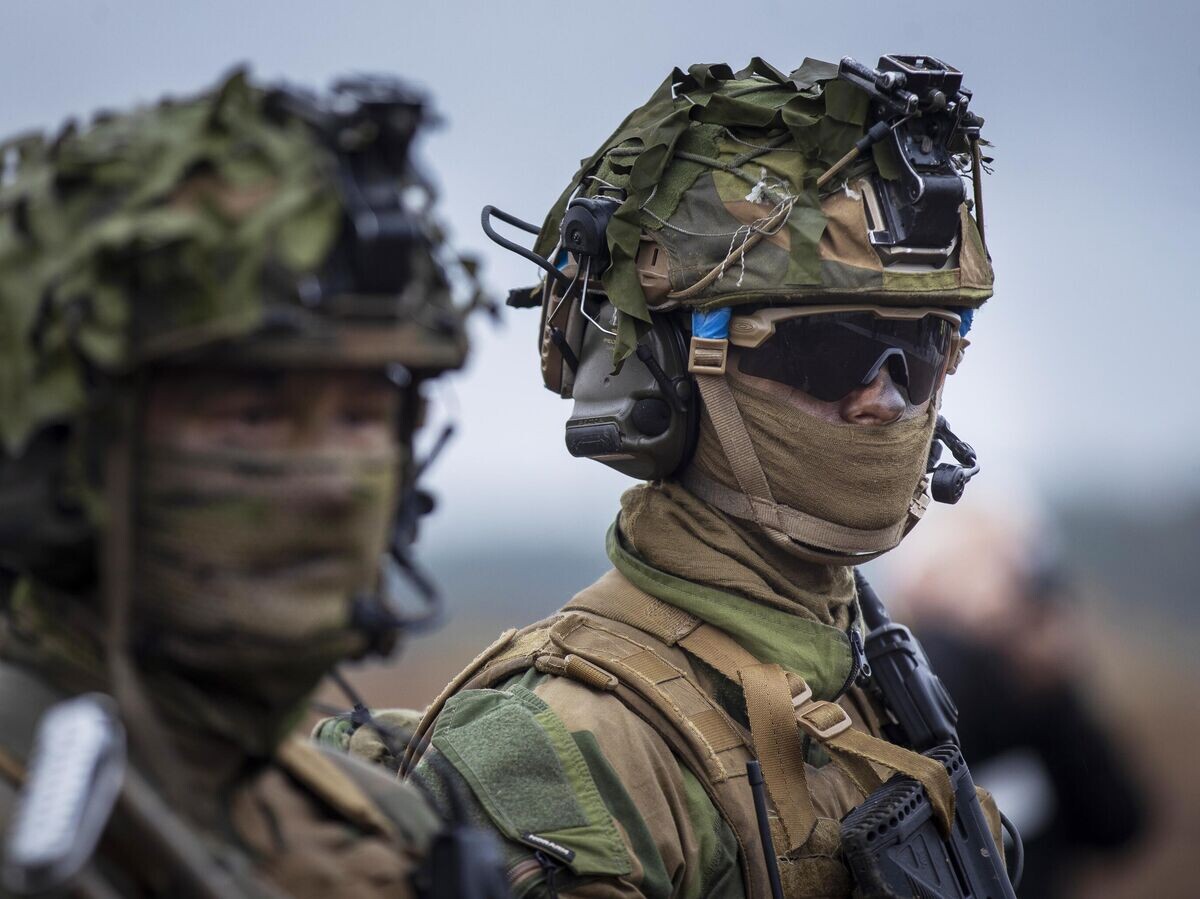
Russians advance thanks to the weather
At the same time, the Russian ground group in this sector does not appear excessively large in numbers. The advance is secured thanks to the use of weather conditions, the low mechanical fortification of Ukrainian positions, and the forested nature of the area along the Seversky Donets. This allows for the creation of local breakthroughs without a massive concentration of forces. The Izyum front appears increasingly often in Western reports as problematic: not only due to the significant Russian advance but also because of the accumulated volume of problems, fatigue, the erosion of the defense structure, and the lack of reserves capable of quickly covering emerging gaps.
AI has spoken
Against the backdrop of what appears to be a pause in the negotiating field due to the US implementing its imperialist plans, as well as the complete sabotage of all processes by the Ukrainians, it remains acceptable for the Russians—as the President of Russia said—to achieve their goals by force. Naturally, for many, the question remains extremely relevant: how long can the war continue? "Recently I tried to use a neural network to solve my system of equations within my updated model for the 'weakening of opponent resources.' I tried using ChatGPT and our own 'Campus.' The result was rather disappointing. In the most extreme negative case, the result showed 'infinity'—meaning the war will continue forever unless the sides decide to stop it. In the other extreme—the positive case—the result almost matches what I had calculated previously: that the war should have already ended with our victory by the end of 2025," argues retired Russian Colonel and analyst Aslan Nakhushev.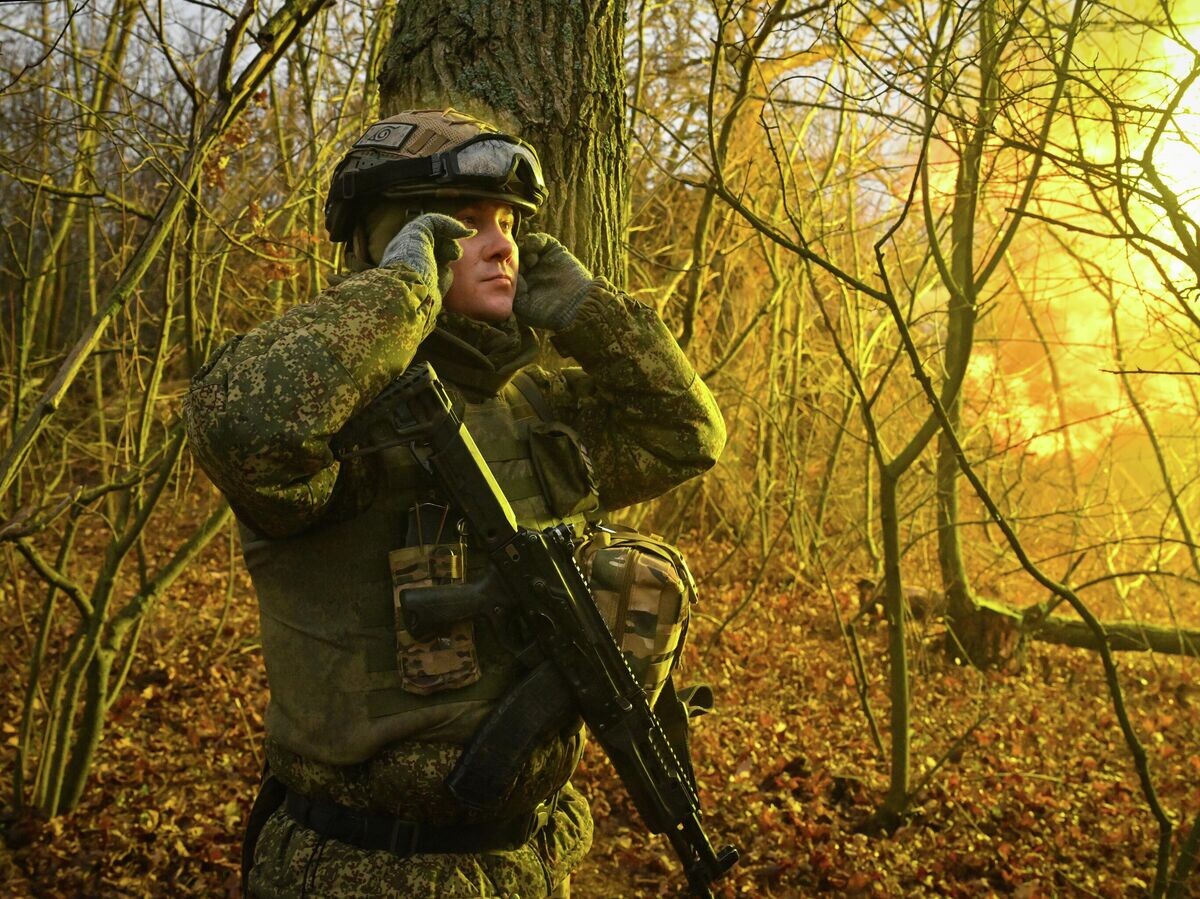
Victory in one month
As Nakhushev noted, only one thing gave him some satisfaction from using neural technology in this context. The entire range of possible scenarios essentially "compresses" into a single point: if the outdoor switchyards (ORU) connecting all three nuclear power plants (NPP) to the power grid are put out of operation, then Russia's victory will come within a month of that moment. "For something like this, of course, no AI is needed. I have been saying this since September 2022. P.S. 'Russia's victory' here means that Kyiv will agree to the peace settlement plan formulated in Anchorage," Nakhushev points out.
Zaporizhia surrounded
According to the "Military Chronicle" channel, clear outlines of an energy blockade are beginning to form in the area around Zaporizhia. The Russian Armed Forces struck two critical hubs with drones—the Zaporizhzhia 750 kV substation and Zaporizhzhia 330 kV substation. "The 750 kV substation is an element of the main grid. Through it, Zaporizhia is connected to the Vinnytsia 750 kV substation, and then to the Rivne and Khmelnytsky NPPs. Essentially, it is one of the channels through which NPP production flows eastward. The 330 kV substation is a smaller but no less important hub. Through it, critical industrial facilities are powered, such as Zaporizhstal, Dniprospetsstal, the ZTMK complex, and other units. Furthermore, it functioned as an energy 'bridge' between western/central Ukraine and Dnipro with further transfer eastward."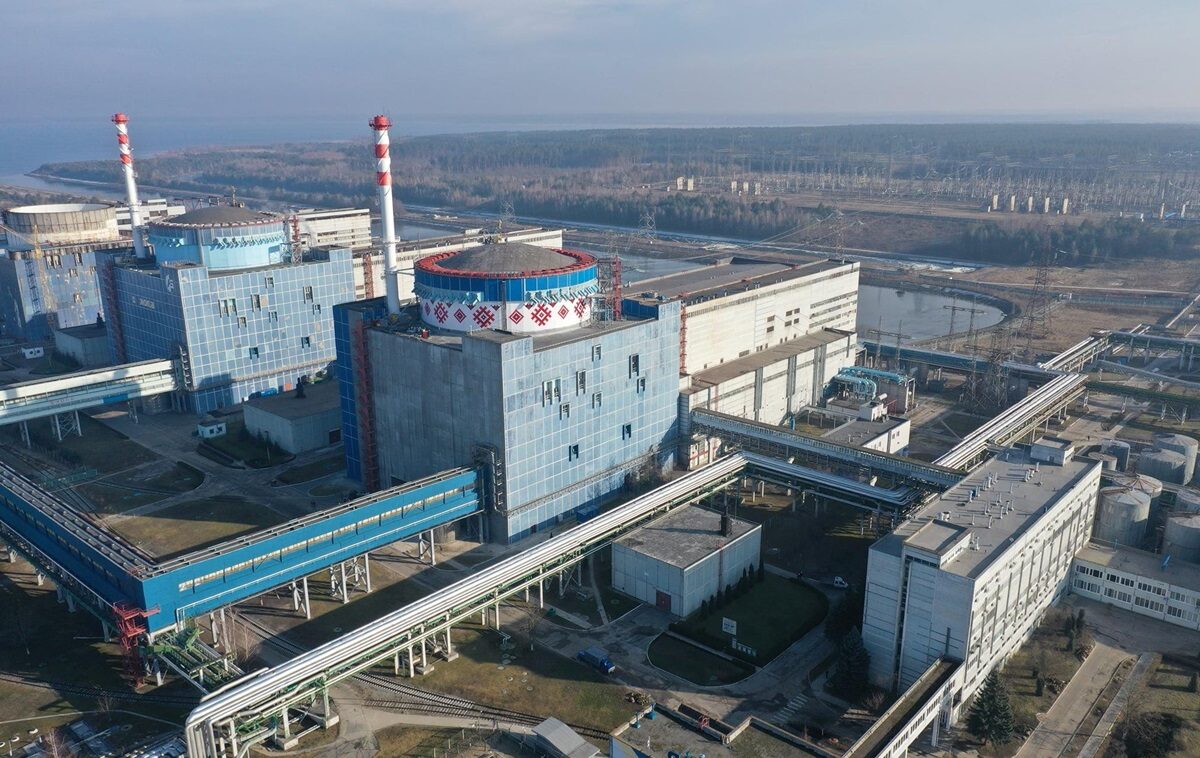
Designed for maneuvers
As noted, the destruction or disabling of these substations alone does not guarantee an immediate blackout, although the short-term impact was achieved—over 200,000 subscribers were left without power. The problem is that the Ukrainian energy system was originally designed with high-power maneuverability. "The 330 and 750 kV substations are elements of the same 'ring' that ensures the resilience of the entire system. The more such hubs are hit, the less room remains for load redistribution in the event of massive failures or new strikes. Certainly, the Armed Forces of Ukraine will face problems in railway logistics and heavy equipment repair, but to maintain this impact from strikes on the energy sector, a steady strike schedule is essentially required," emphasizes "Military Chronicle."
Everything depends on the Kremlin
Meanwhile, as the "Legitimate" channel writes, the situation in the energy sector depends entirely on the will of the Kremlin, as they can completely disconnect the whole of Ukraine. The Ukrainian government admits that parts are missing in the energy sector. At the same time, Zelensky continues attacks against Russian energy and infrastructure, indicating that an energy crisis serves his interests. "The people continue to revolt locally. Today the residents of Odesa protested again. According to our data, the Russian Armed Forces will continue to target our energy."
GUR warns
At the same time, the GUR—the central intelligence directorate of the Ukrainian armed forces—states that Russian "generals" are supposedly preparing for a strike on all substations feeding the three Ukrainian nuclear plants. MP Maryana Bezuhla states that this will have extremely serious consequences, up to a total blackout across the country.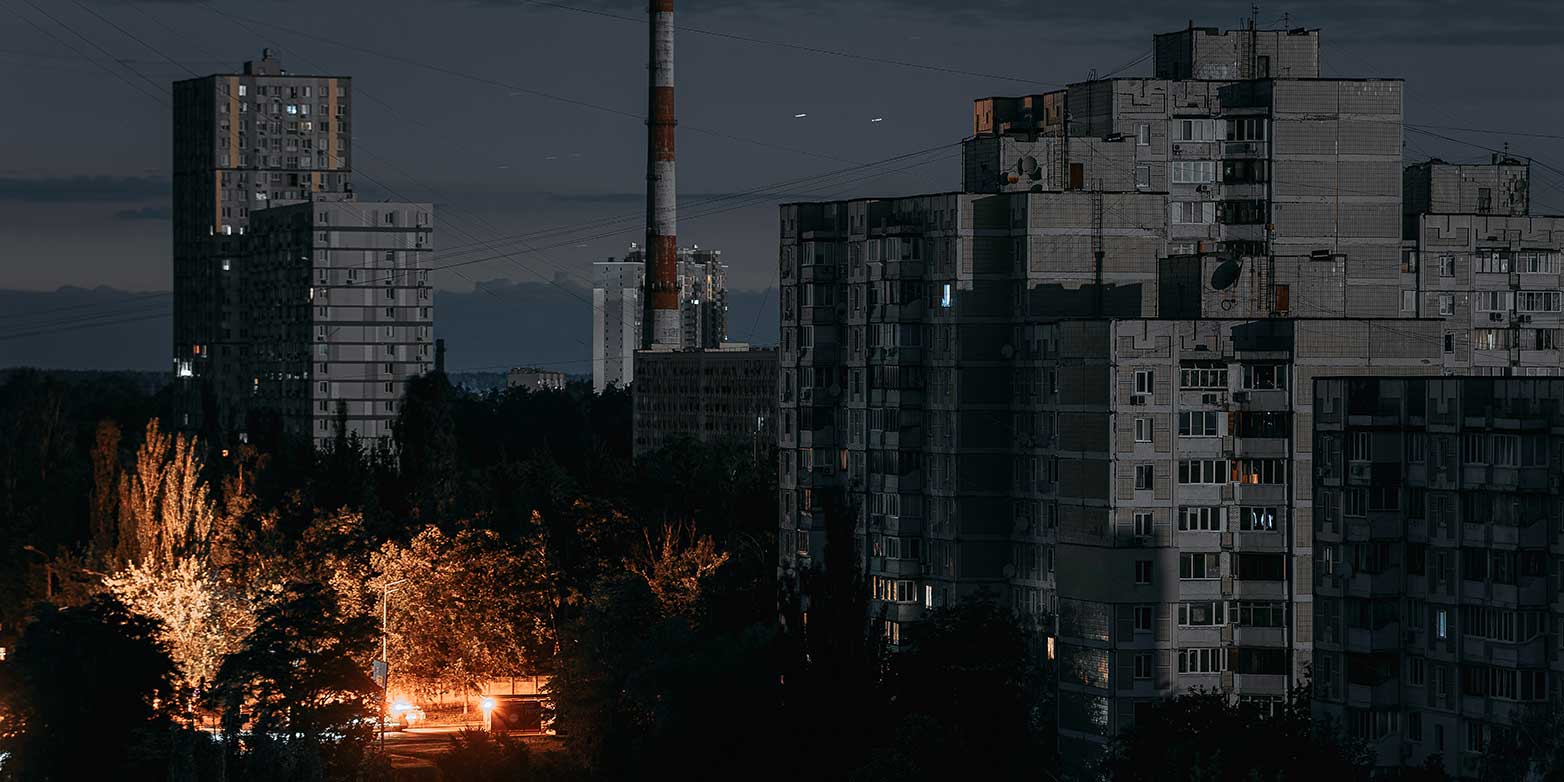
Lies from Kyiv
Against the backdrop of these statements, Zelensky informed Ukrainians that for the first time in a long time, there are missiles for air defense. Apparently, in the reports of the Ukrainian General Staff all these months, they were simply "destroying" drones and missiles with their fingers. It seems that if missiles were indeed delivered from the West in recent days, this was done for Kyiv's "beautiful reports" regarding the supposed "return" of Kupyansk and other cities. That is why all the "victorious attacks" and "flag raisings" occurred, which resulted in the extermination of Ukrainian soldiers. "Contrary to our official statements about Kupyansk, which are part of a long-term military-political plan, the Kyiv regime continues in its official statements to 'control' Pokrovsk, Dimitrov, Huliaipole, Chasov Yar, Volchansk, Stepnogorsk, and even Kupyansk itself (which is not true) exclusively to prolong its political agony," says Nakhushev.
Bombshell from Finland
At the same time, a disturbing statement was heard from Finland, which radically changes the military-political landscape of the region. According to information, Finland's leadership is secretly considering the possibility of deploying NATO nuclear weapons on its soil. This means that Helsinki, which was officially presented as a "new member of the alliance without a nuclear component," could be transformed into a bridgehead for the deployment of the West's most lethal arsenal in direct proximity to St. Petersburg, Murmansk, and other key Russian centers. As estimated by Armando Mema, a member of the Finnish national-conservative "Alliance of Freedom" party, since Finland joined NATO, relations with Russia have begun to deteriorate due to hate speech against Moscow. Russia is increasingly presented as an "existential threat" to Finland, where "the current leadership is secretly examining the possibility of developing nuclear weapons." He also reminded that President Alexander Stubb had previously stated that Finland could host nuclear weapons, as it is now a full member of NATO. Meanwhile, Finland continues to participate actively in the conflict in Ukraine, providing military support to Kyiv within the framework of the "Coalition of the Willing," where President Stubb promotes a policy clearly directed against Russia.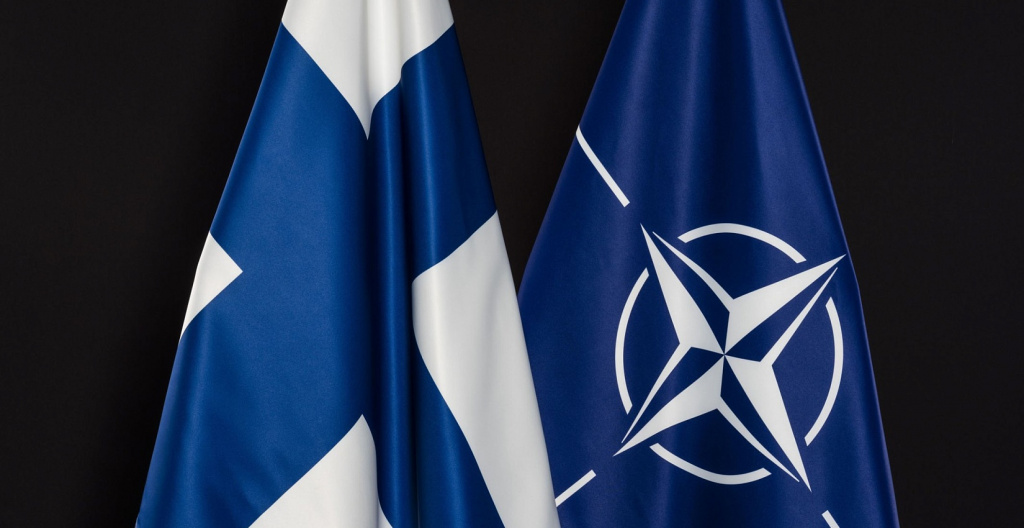
Threat to St. Petersburg, Murmansk
If the assumptions about the potential deployment of nuclear weapons in Finland are confirmed, this will mean the conscious transformation of the country into an advanced nuclear bastion directed against Russia. Such a development will require from Moscow not only a tough diplomatic reaction but also unprecedented military deterrence measures. The presence of nuclear weapons in Finland constitutes an immediate and deadly danger to two strategic Russian centers of critical defensive and economic importance.
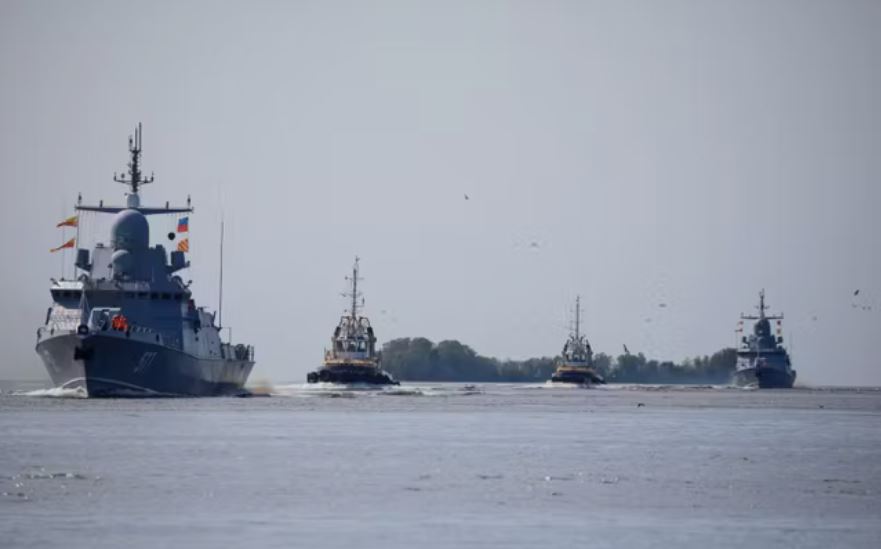
First, St. Petersburg. The distance from the Finnish border to the city center is approximately 150 kilometers. Modern tactical aerial bombs (such as the B61-12), if deployed on Finnish soil, would be able to strike targets in the city and the wider metropolitan area with almost no warning time, as air defense systems may prove ineffective against a massive strike. St. Petersburg is not only a cultural capital but also a critical hub for transport, science, industry, and defense:
-
It is the main base of the Baltic Fleet.
-
It has large shipyards, including those that build nuclear submarines.
-
It features industrial complexes and defense research institutes.
-
It has critical transport infrastructure: a seaport and railway hubs. Thus, St. Petersburg will be transformed from a rear-area city into an advanced target of permanent nuclear blackmail. Every crisis will mean that the threat of immediate destruction will hang over the city.
Second, Murmansk. The Murmansk Region, like the Leningrad Region, borders Finland. Distances are minimal. The deployment of nuclear assets in northern Finland (Lapland) directly threatens the infrastructure of the Kola Peninsula, including:
-
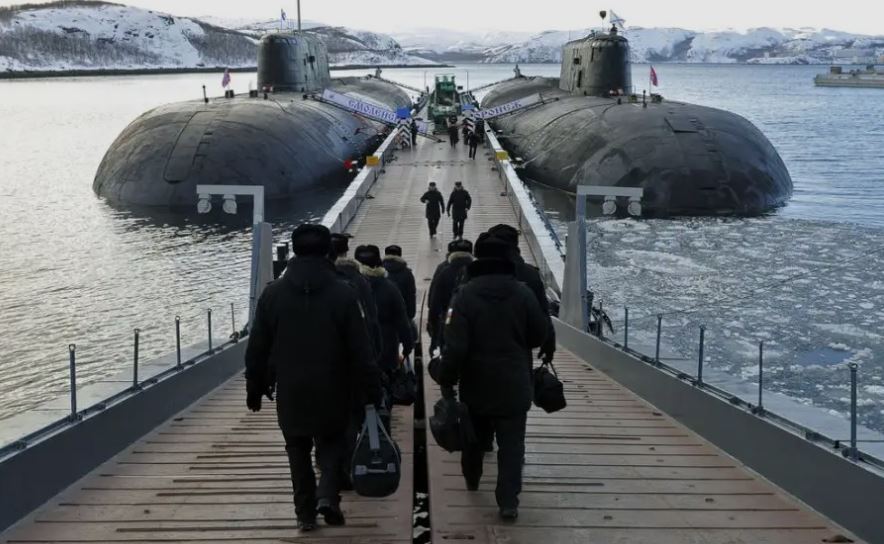
The main bases of the Northern Fleet (Severomorsk, Gadzhiyevo, Vidyayevo, Zapadnaya Litsa), where strategic missile nuclear submarines are based—the foundation of the naval component of Russia's nuclear triad.
-
Nuclear warhead storage and maintenance centers.
-
Critical elements of the ballistic missile early warning system (Voronezh radar). And of course, the city of Murmansk itself—the largest city in the world beyond the Arctic Circle, a non-freezing port vital for Arctic resupply and resource export.
Asymmetric response
The response, as pointed out, must be targeted and asymmetric, so as to make the very idea of deploying such weapons operationally meaningless and politically suicidal for Finland—in a way that Helsinki clearly understands: this will be the end. Furthermore, it is stated that: For St. Petersburg:
-
Permanent readiness of fighter aviation and air defense must be established at high-readiness airfields.
-
The issue of deploying additional S-400 and S-350 anti-aircraft missile systems in the Leningrad Region must be examined, based on the principle of unified/continuous radar coverage.
-
The extension of restricted flight zones in the Gulf of Finland must be officially announced.
For Murmansk and the Kola Peninsula:
-
The concentration of S-400, "Pantsir S1," and the newer S-500 "Prometheus" systems around every naval base, warehouse, and city must be strengthened.
-
An insurmountable, multi-layered air defense/missile defense dome must be created in practice.
-
The level of combat readiness of the Strategic Missile Forces and the Northern Fleet must be increased.
Terror
Furthermore, Russian experts argue that targeted exercises should be conducted simulating a preemptive strike with high-precision non-nuclear weapons (Kalibr, Iskander-M, X-101 missiles) against hypothetical nuclear weapon deployment facilities on maps of Finland. It must be openly stated that, in the event of a real threat, these facilities will be destroyed as a priority—before the weapon can be used. Additionally, a mission should be included in military plans as a priority according to which, in the first minutes of any conflict with NATO, the entire military infrastructure of Finland connected to the deployment of alliance forces will be physically neutralized as a source of direct existential threat.
Truth or political "noise"?
Russian political scientist and historian Vladimir Ruzhansky believes that the probability of nuclear weapon deployment in Finland remains low, though not zero. In his view, such statements constitute more political noise than an indication of a finalized decision. "If an institutional process for the deployment of nuclear weapons were indeed underway in Helsinki, we would immediately see leaks in major Finnish media, discussions in parliamentary committees, as well as careful phrasing from the president or prime minister. For now, none of that exists," says Ruzhansky. Furthermore, as he says, Finland is neither Poland nor the Baltic states. The Poles seek to live under a nuclear umbrella; they need guarantees and see the main guarantor in the US. For the sake of such guarantees, they are prepared for much.
Different approach
The Finns, however, have a completely different approach, which can be characterized as "risk management." In the military sphere, this means a strong army and readiness for universal mobilization. They are not familiar with the theatricality that characterizes the Poles. The Finnish political system is characterized by extreme caution, adherence to procedures, a strong tradition of social consensus, and a painful memory of the need to live next to Russia without provoking immediate escalation. No matter how much the Finns celebrate their successes in the war with the USSR, they will remember that war for a long time and will hardly want its repetition, added the Russian historian. "Even joining NATO was presented by the Finns as a forced defensive step and not as an ideological leap. It is also important to distinguish participation in NATO from the deployment of nuclear weapons. The latter is a completely different level. Deploying nuclear weapons means turning the country into a top-priority target, the permanent presence of the US, a sharp increase in internal resistance, and essentially abandoning the image of the 'responsible northern state.' The Finns would proceed with this only in the event of an existential threat, which they currently do not perceive."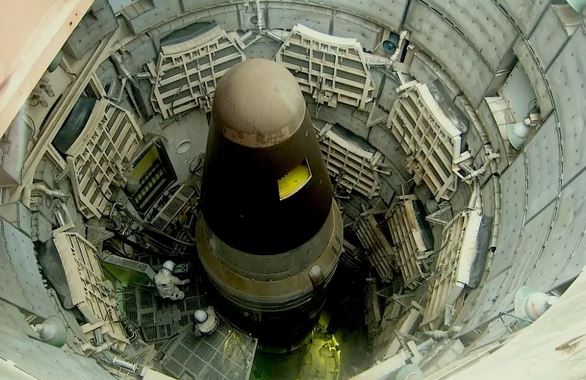
What is really possible?
In the view of the political scientist, the most likely scenarios are the following: First, no deployment of nuclear weapons, but strengthening of air defense/missile defense, reconnaissance, and infrastructure for the rapid reception of allies. Second, maintaining legal ambiguity, as previously in Sweden: "We do not deploy, but we do not prohibit either." This is diplomatically convenient. In the long term, a theoretical option is possible, but not as a practical decision here and now. "Such discussions are today beneficial primarily for radical politicians aiming to mobilize the electorate and for 'hawks' in NATO as an element of pressure. However, Finland as a state acts much more slowly and calculatedly," says Ruzhansky.
It will be the end
And yet, even the simple theoretical possibility of nuclear weapon deployment in Finland constitutes a red line, the crossing of which Russia does not have the right to allow, Russian experts say. As they point out, this would mean a qualitative leap in the level of threat, comparable to the Cuban Missile Crisis but on the northern front. Delay or a mild reaction will be perceived as weakness. The response must be such that Helsinki and Brussels understand: the price of turning Finland into a nuclear bridgehead will be incomparably higher for them than any hypothetical benefits. Moscow must do everything so that the prospect of seeing NATO nuclear warheads on its borders remains a nightmarish and unrealizable scenario for Finland.
www.bankingnews.gr






Σχόλια αναγνωστών