

The proposal by a prominent German politician for a potential boycott of the 2026 World Cup is not a picturesque outburst of indignation.
It is a warning signal that reveals how deeply the relationship between Europe and the United States has cracked and how dangerously Western political discourse has shifted toward terms of raw power and coercion.
Jürgen Hardt, a leading figure of the German political scene, publicly raised the possibility that Germany, and potentially other European countries, could boycott the 2026 World Cup if the crisis triggered by Donald Trump through threats of annexing Greenland escalates further.
The statement is not accidental.
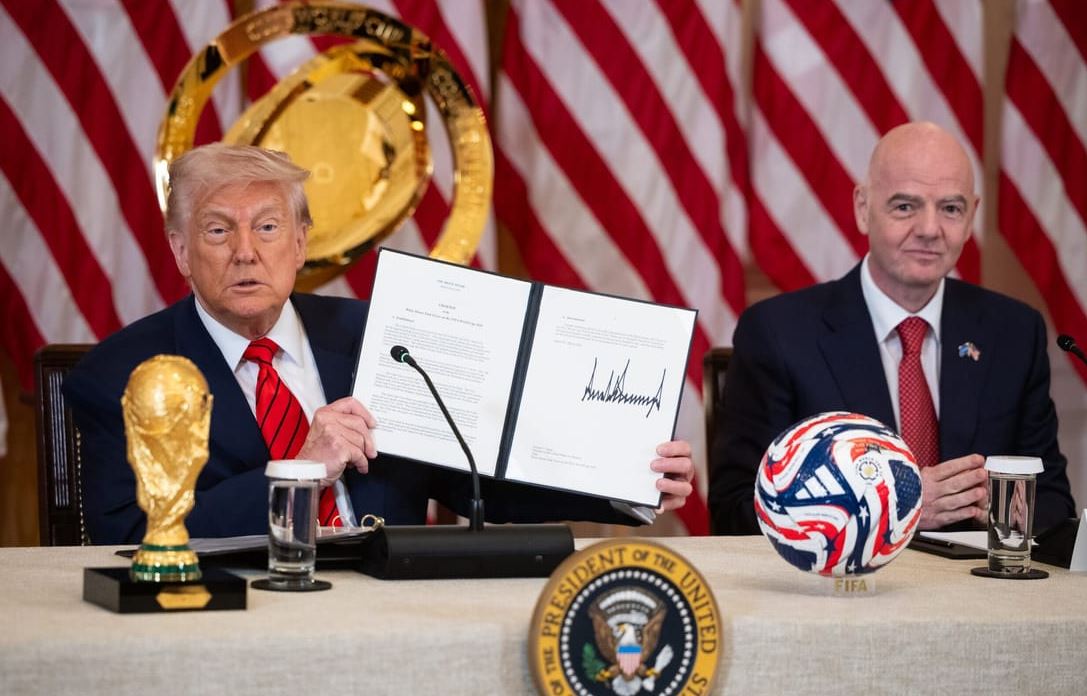
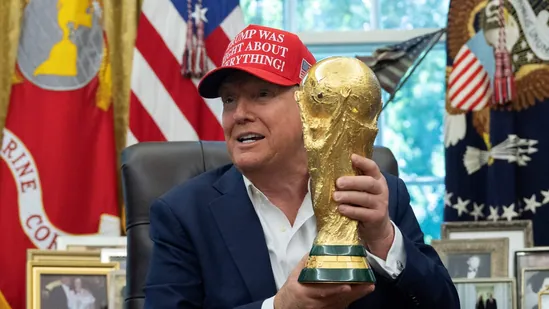
Hardt explained bluntly that the World Cup constitutes a personal political trophy for Trump and that the threat of undermining it could function as a lever of pressure.
In other words, Europe is considering striking Trump where it hurts most, at prestige, spectacle, economic success, and international projection of power.
From Greenland to the stadiums
Until a few years ago, the idea that a NATO country would indirectly threaten the United States with a boycott of a World Cup would have seemed unthinkable. Today, however, the discussion is taking place in complete seriousness.
The cause is the unprecedented crisis provoked by the statements and actions of Donald Trump regarding Greenland.
Open threats of annexation, contempt for Denmark’s sovereignty over Greenland, and the treatment of the issue as a “geopolitical real estate deal” shocked European capitals.
For Europe, the issue is not Greenland itself. It is the precedent:
1) If the United States can threaten the territorial integrity of an ally,
2) if sovereignty is treated as negotiable,
3) if NATO is transformed from a security alliance into a space of internal coercion, then the entire postwar order collapses.
The World Cup as a geopolitical weapon
The World Cup is not merely a sporting event. It is a tool of soft power, a massive economic engine, and a global stage of political projection.
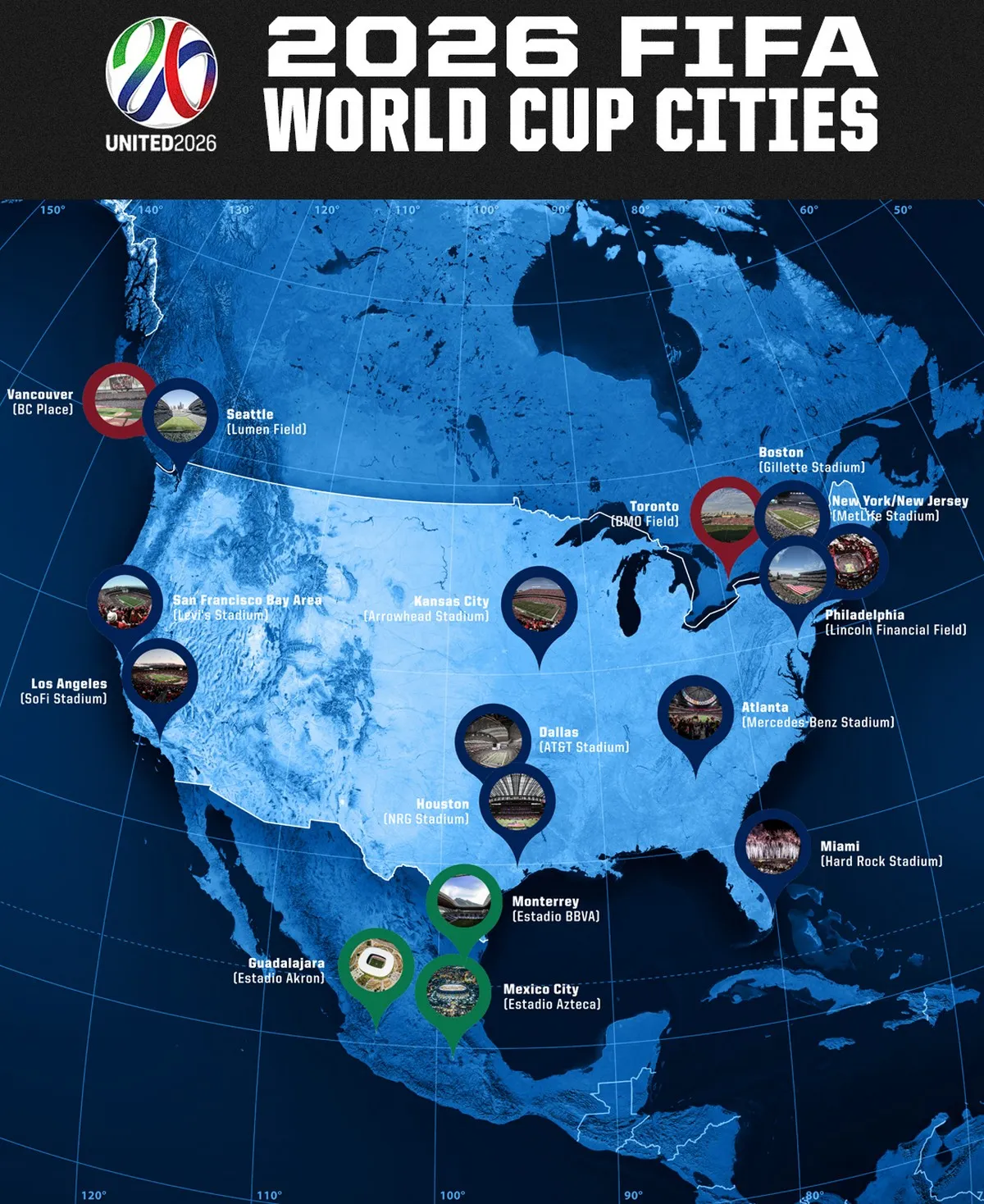
The 2026 World Cup is particularly important for the United States, the first with 48 teams, co hosted with Canada and Mexico, hundreds of billions in exposure, tourism, and investments, and a personal wager by Trump for the image of a “strong America”.
A European boycott, even a partial one, would have enormous symbolic and practical impact, loss of top national teams, degradation of the spectacle, a blow to the prestige of the tournament, and a political defeat for the White House.
It is no coincidence that Hardt spoke of a “last resort”. The message is clear, Europe is considering transferring the conflict from diplomacy to the global spectacle.
How realistic is a European boycott
Formally, the decision to participate in a World Cup belongs to the football federations.
Politically, however, everyone knows that governments can exert pressure, precedents exist, 1980 and 1984 Olympic Games, and the notion that “sports and politics do not mix” is a myth.
Even if a full boycott does not materialize, the threat alone is enough to create uncertainty, alarm sponsors and FIFA, and turn the World Cup into a field of political confrontation.
And that is precisely the objective.
When allies speak in terms of punishment
The statement by the German politician reveals something far more troubling than a potential boycott, European allies now speak of the United States not as a partner, but as a power that must be pressured and restrained.
This signifies loss of trust, weakening of NATO, acceleration of European strategic autonomy, and ultimately geopolitical distancing.
For Russia and China, such a development is a gift.
The image of a West that threatens itself through sporting events undermines its moral advantage far more effectively than any propaganda.
Sponsors as a nightmare for the White House
If there is one factor that would truly worry the White House even more than the European political reaction, it is none other than FIFA and its global network of sponsors.
The World Cup is not simply a sporting event, it is a colossal commercial platform involving multinational corporations, television networks, investment funds, and state interests.
FIFA has historically proven capable of tolerating almost anything, from corruption allegations to authoritarian regimes, but not uncertainty that threatens its product.
A European boycott, even a partial one, would trigger an earthquake.
Collapse of the sporting and broadcasting product
European national teams constitute the core of the World Cup’s competitiveness, the primary poles of viewership, and the main reason television rights are sold for astronomical sums.
The absence of Germany, France, Spain, or Italy, or even doubt regarding their participation, would lead to renegotiation of contracts, compensation clauses, and legal disputes with broadcasters.
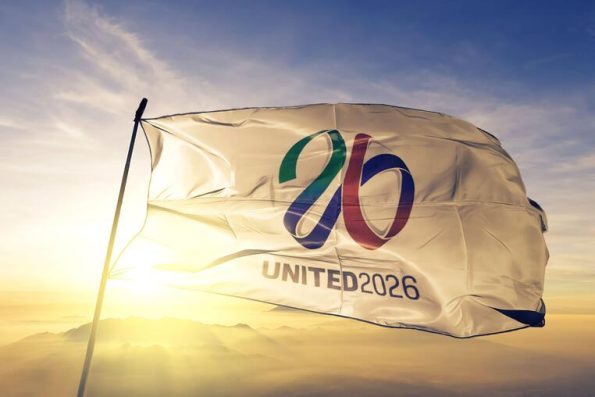
Sponsors do not finance crises
Major sponsors, technology companies, automotive manufacturers, sports brands, airlines, do not buy political chaos.
They buy stability, positive image, and global consensus.
A World Cup that would be internationally presented as a tool of American geopolitical pressure, a symbol of internal NATO rupture, or a “tournament under boycott threat” would become toxic for brands.
These companies have withdrawn sponsorships for far less.
Something has broken
The potential boycott of the 2026 World Cup does not concern football.
It concerns sovereignty, the limits of American power, and whether the West continues to function as an alliance or is transforming into an arena of internal conflict.
When a German politician proposes using the largest sporting event on the planet as leverage against the United States, it means that something has broken at a deep level.
www.bankingnews.gr



Σχόλια αναγνωστών