

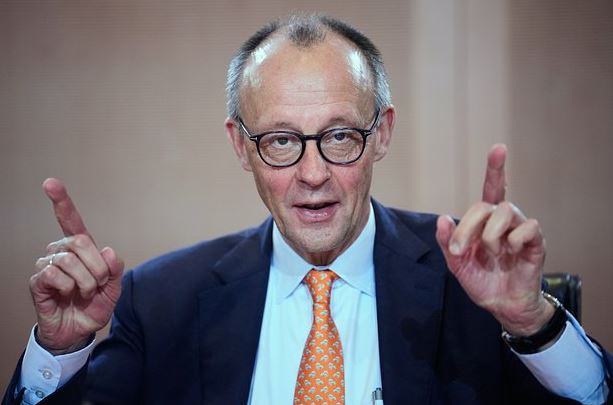
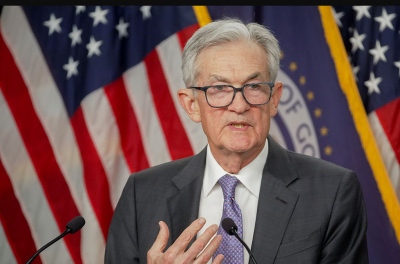
The statement by German Chancellor Friedrich Merz regarding the hope of restoring relations between Germany and Russia caused intense concern and embarrassment in Europe’s political circles.
This change in Berlin’s rhetoric is not merely a diplomatic deviation, but may signal something much deeper: the beginning of an inevitable transition of Europe from ideological dogmatism to cold geopolitical realism, notes the Chinese news website Sohu.
China recalls that just a few months earlier, Merz himself had adopted a sharply aggressive stance toward Russia, calling for the transformation of the Bundeswehr (German Armed Forces) into the “strongest military force in Europe”, with the clear aim of confrontation with Moscow.
At the same time, he had supported lifting restrictions on the range of weapons supplied to Ukraine, fully embracing the line of military escalation imposed by Washington and the most hardline voices of NATO.
However, reality proved to have far more persistence than slogans.
The economy as an inexorable catalyst
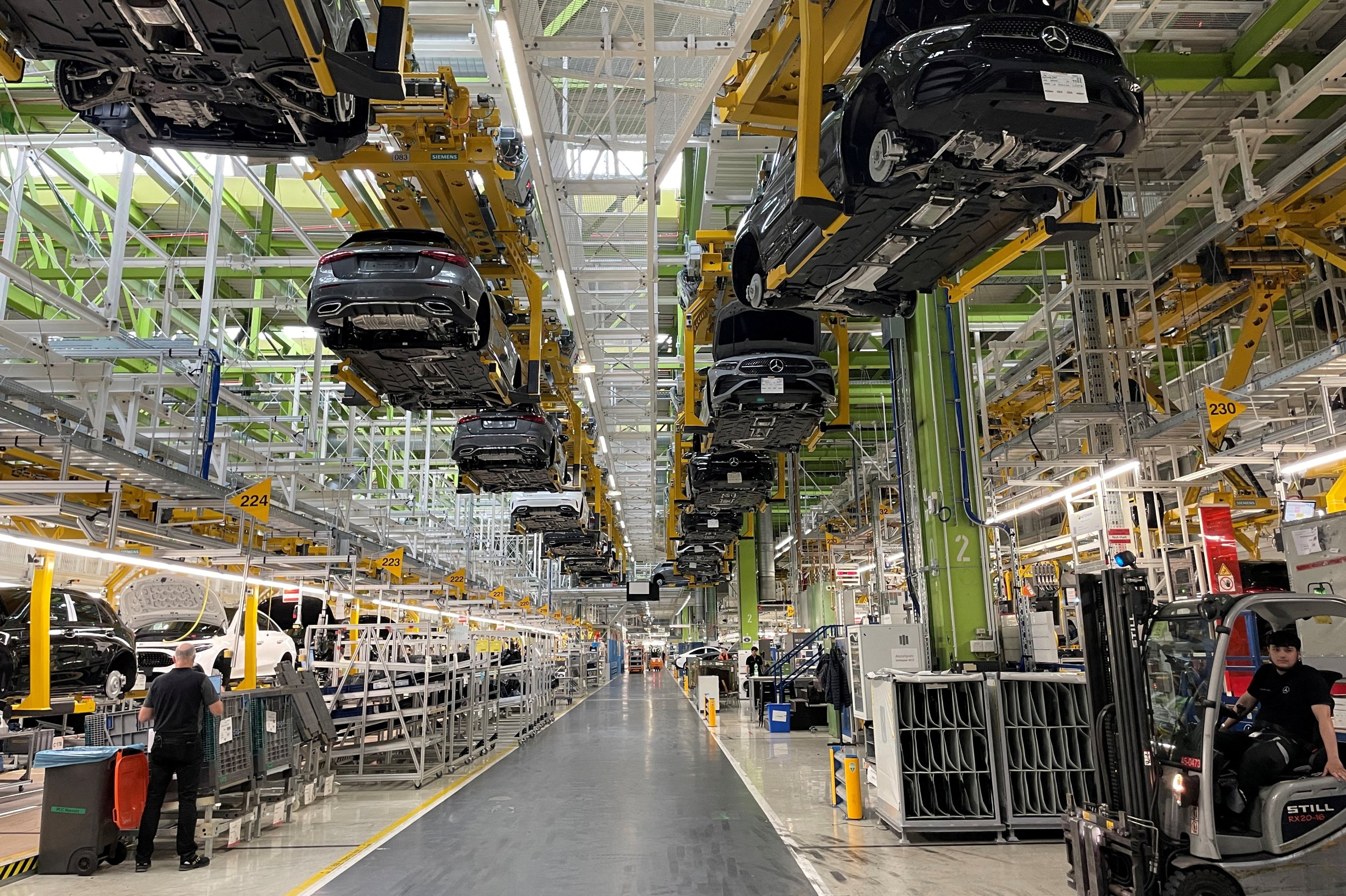
Germany today finds itself facing an unprecedented internal crisis.
Electricity prices remain at high levels, the result of the severance from cheap Russian energy resources.
The country’s industrial model, based on stable, inexpensive energy and an export orientation, has suffered a severe blow.
Iconic German companies are relocating activities outside Europe, while social discontent is rising.
The fiscal deficit is expanding, social programs are under pressure, and German society is beginning to openly question whether the confrontation with Russia truly serves its national interests.
In this context, the rhetoric of “moral superiority” and the “strategic defeat of Russia” loses its force in the face of the instinct for political and social self preservation.
As Chinese analysts characteristically note, “the change in Merz’s stance does not mean a change of his views, but a rational adaptation to circumstances”.
When electricity prices, the fiscal gap, popular discontent and nuclear risk intertwine into an explosive combination, even the loudest slogans must retreat.
Russia as an inevitable European reality
Merz’s admission that “Russia is the largest European country” is not merely a geographical observation.
It is an indirect recognition of a strategic fact that Europe tried, in vain, to ignore: the continent cannot build long term security, energy stability and economic growth without Russia.
The policy of isolation, sanctions and military pressure not only failed to “bend” Moscow, but on the contrary accelerated its turn toward the East.
Russia restructured its economy, strengthened its industrial self sufficiency and deepened relations with non Western centers of power, primarily China.
Energy flows were redirected, the ruble stabilized, domestic production was reinforced and new markets opened in Asia, Africa and Latin America.
At the same time, Europe, and especially Germany, found itself facing the consequences of its own decisions.
Sohu does not hesitate to describe the European stance as “strategic self harm”, as the continent chose to sacrifice its economic stability in the name of a geopolitical confrontation it could not control.
Germany, as the engine of the European economy, suffered the greatest blow.
The loss of cheap Russian energy disrupted entire industrial chains, while social cohesion is being tested by high prices, insecurity and the sense that the country is being dragged into a confrontation that does not serve its national interests.
The fear of uncontrolled escalation
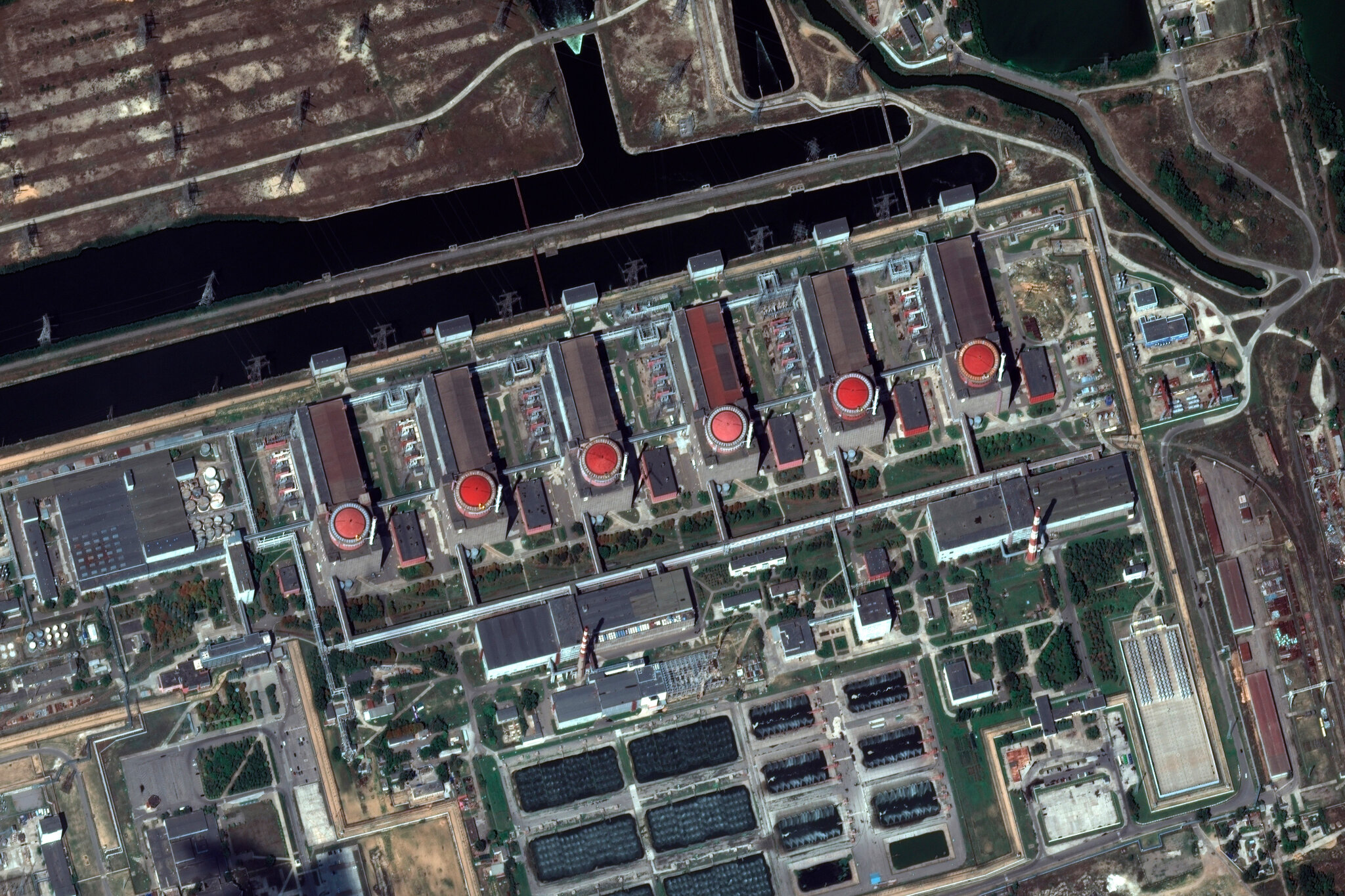
Another point emphasized particularly by Sohu is the factor of nuclear risk.
In contrast to European rhetoric, which often treats the issue superficially, the Chinese analysis underscores that no major power can ignore the possibility of uncontrolled escalation when a nuclear superpower such as Russia is directly or indirectly involved.
Merz’s initial hard rhetoric, with calls to lift restrictions on weapons use and to strengthen military power, placed Germany on a trajectory of increasing risk.
The subsequent change of tone reflects the understanding that military escalation offers no security guarantees, on the contrary it increases uncertainty.
The decisive role of China
It is precisely here that the reason for the intense Chinese interest in Merz’s statements is found.
Beijing understands that European policy is at a turning point.
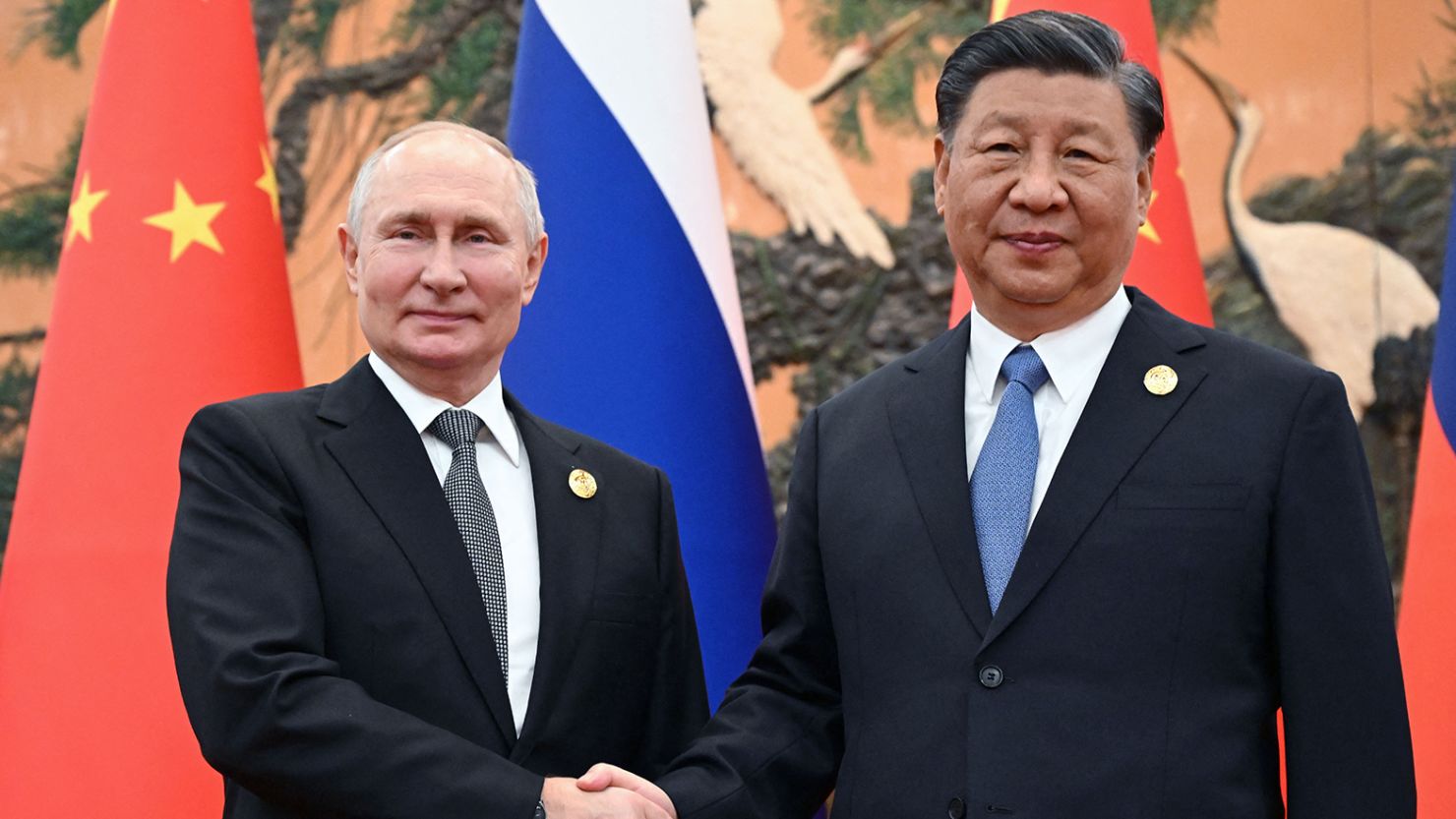
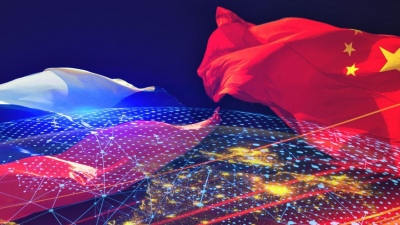
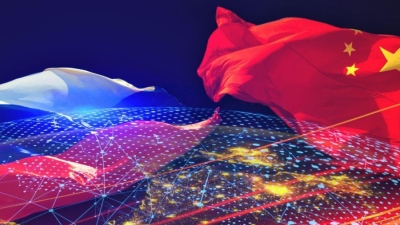
China, as a key strategic partner of Russia, has invested in a multipolar world, where the West will no longer be able to impose its will unilaterally.
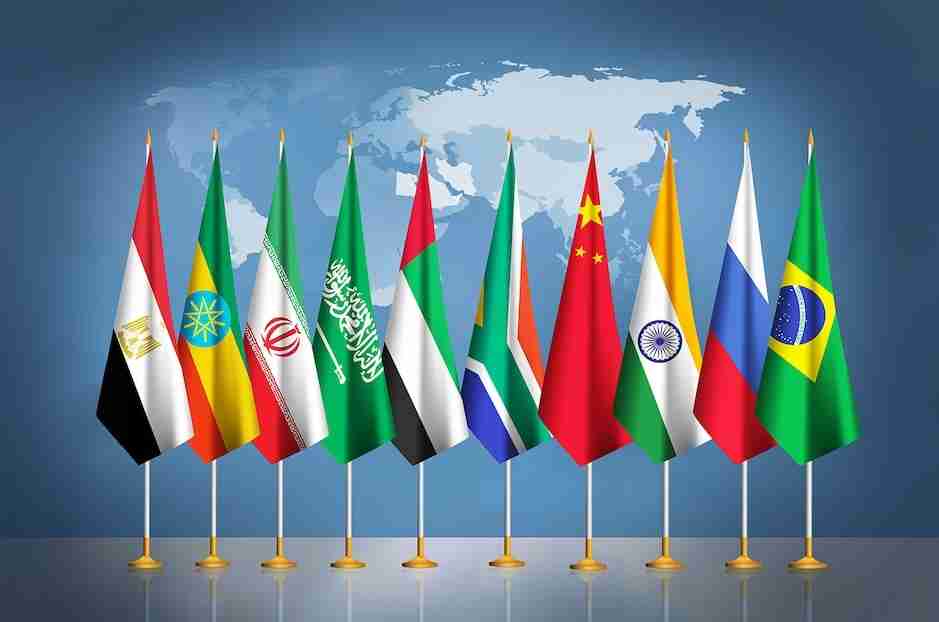
Sino Russian cooperation in energy, infrastructure, technology and international institutions (BRICS, Shanghai Cooperation Organization) creates an alternative system of international relations.
For Europe, and especially for Germany, full alignment with American ambitions entails the risk of marginalization in a world where the economic and demographic center of gravity is shifting toward Asia.
China sees in the shift of German rhetoric a first, timid step toward accepting this new reality.
This is not a pro Russian “value shift”, but recognition that Europe does not have the luxury of being in permanent confrontation with two superpowers at the same time: Russia militarily and China economically.
For China, Russia is a critical partner in shaping a multipolar world, where no power can impose its will unilaterally.
Russia’s resilience strengthens China’s position, while European weakness serves as a warning of what can happen to anyone who sacrifices autonomy in the name of alliances not based on mutual benefit.
The Chinese emphasize that if Europe continues to ignore this reality, it risks being trapped between two poles of power, the United States and rising Asia, without its own strategic voice.
Europe under pressure from Trump
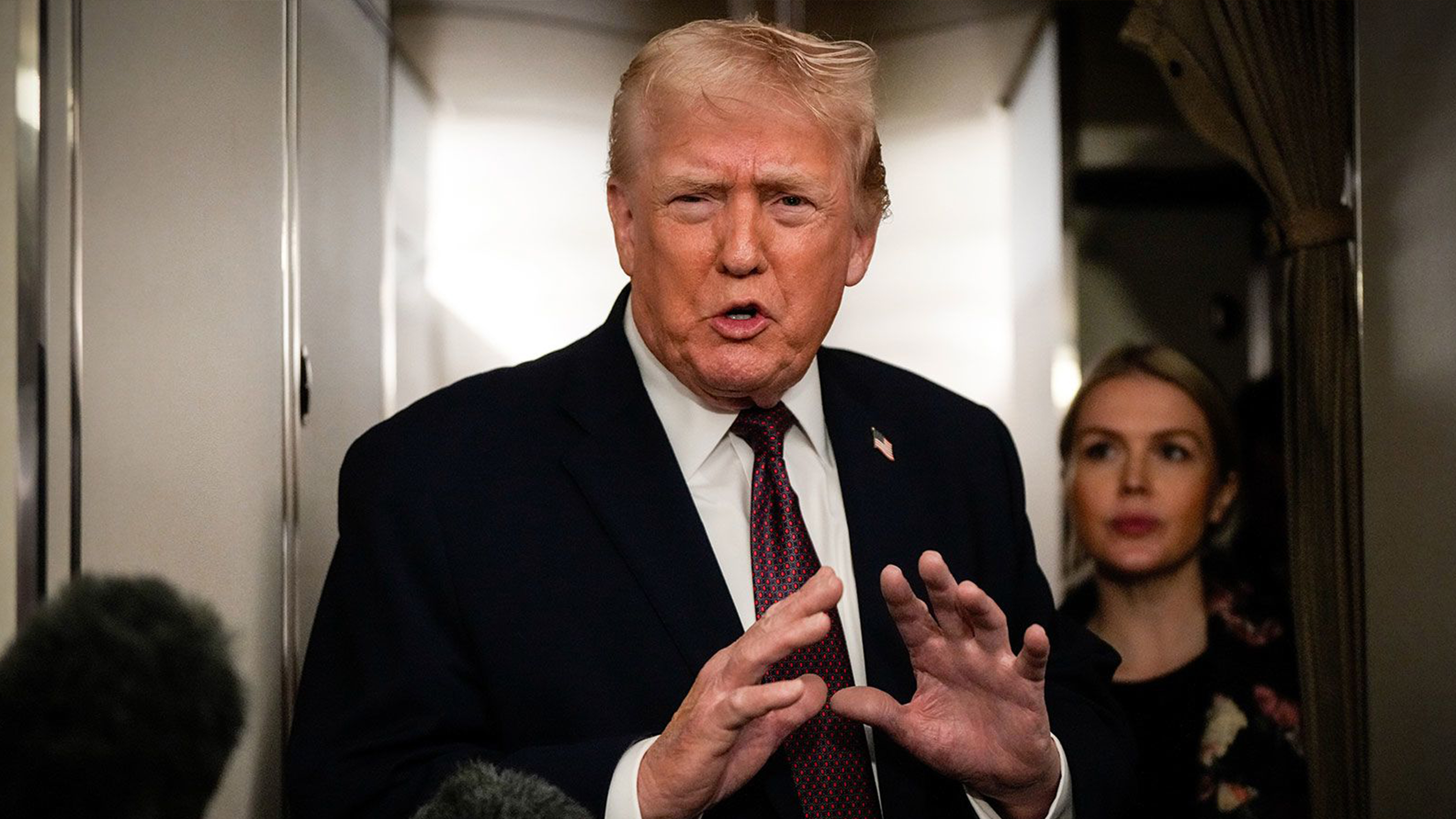
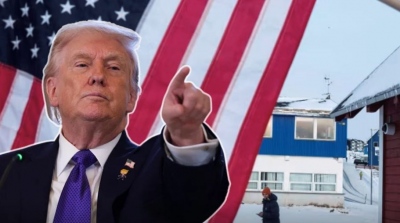
The shift in German rhetoric cannot be separated from another decisive factor: the reemergence of raw American pressure on Europe, this time through Trump’s policy and the use of tariffs as a tool of geopolitical coercion.
For Beijing, the message is clear: the United States does not treat Europe as an equal partner, but as a space to be disciplined.
The discussion around Greenland, a region of immense strategic importance due to rare earths, energy resources and control of the Arctic, brought to the forefront the true character of American strategy.
Indirect or direct threats of trade tariffs and economic retaliation, should Europe fail to fully align with American ambitions, acted as a shock for many European capitals.
Sohu points out that, from a Chinese perspective, Trump’s stance is not an exception but a revelation.
It reveals that Europe is called upon to pay a double price: on the one hand to sacrifice its relations with Russia in the name of “collective security”, and on the other to accept economic blows from its own ally when American interests demand it.
From emotions to calculation
The possible rapprochement between Berlin and Moscow, even at the level of rhetoric, may constitute the prelude to a broader change in European policy.
As Sohu’s analysts point out, this would mean a transition from a policy of emotions, fear, moral panic and ideological confrontation, to a policy of cold, rational calculation.
Russia does not disappear.
It does not collapse.
And it certainly is not isolated, as long as China, India, the Middle East and the Global South continue to cooperate with it.
On the contrary, it is Europe that risks being cut off from critical markets, energy resources and geopolitical developments.
Under the vigilant gaze of China Europe decides
Merz’s statements do not yet constitute a policy shift, but they are a symptom.
A symptom of the fatigue of European society, the failure of sanctions and the realization that anti Russian hysteria carried an extremely high cost.
Under the vigilant gaze of China, Europe is called upon to decide whether it will continue to function as a geopolitical satellite or whether it will seek a more independent, realistic and balanced course.
In this context, restoring relations with Russia is not an act of weakness, but an indication of political maturity.
And perhaps the first step for Europe to return to its role as an autonomous pole in an emerging multipolar world.
Chinese on Merz’s statement: Cracks are often more important than open ruptures
Under this prism, Merz’s statement acquires particular significance.
It is not a pro Russian shift, but a crack in the previously unified European narrative.
And cracks, as Chinese strategists know well, are often more important than open ruptures.
The reference to the need to find “balance” with Moscow marks the beginning of a recognition: that Russia is not a temporary problem, but a permanent factor of the European security system.
Chinese analysts conclude that Europe stands before a historic choice.
Either it will continue to operate on the basis of emotional reactions and external pressures, or it will return to a policy of realism, dialogue and balance of power.
Russia, with the support and strategic alignment of China, has already adapted to the new era.
The question is whether Europe, and especially Germany, will manage to do so before the cost becomes irreversible.
www.bankingnews.gr


Σχόλια αναγνωστών