

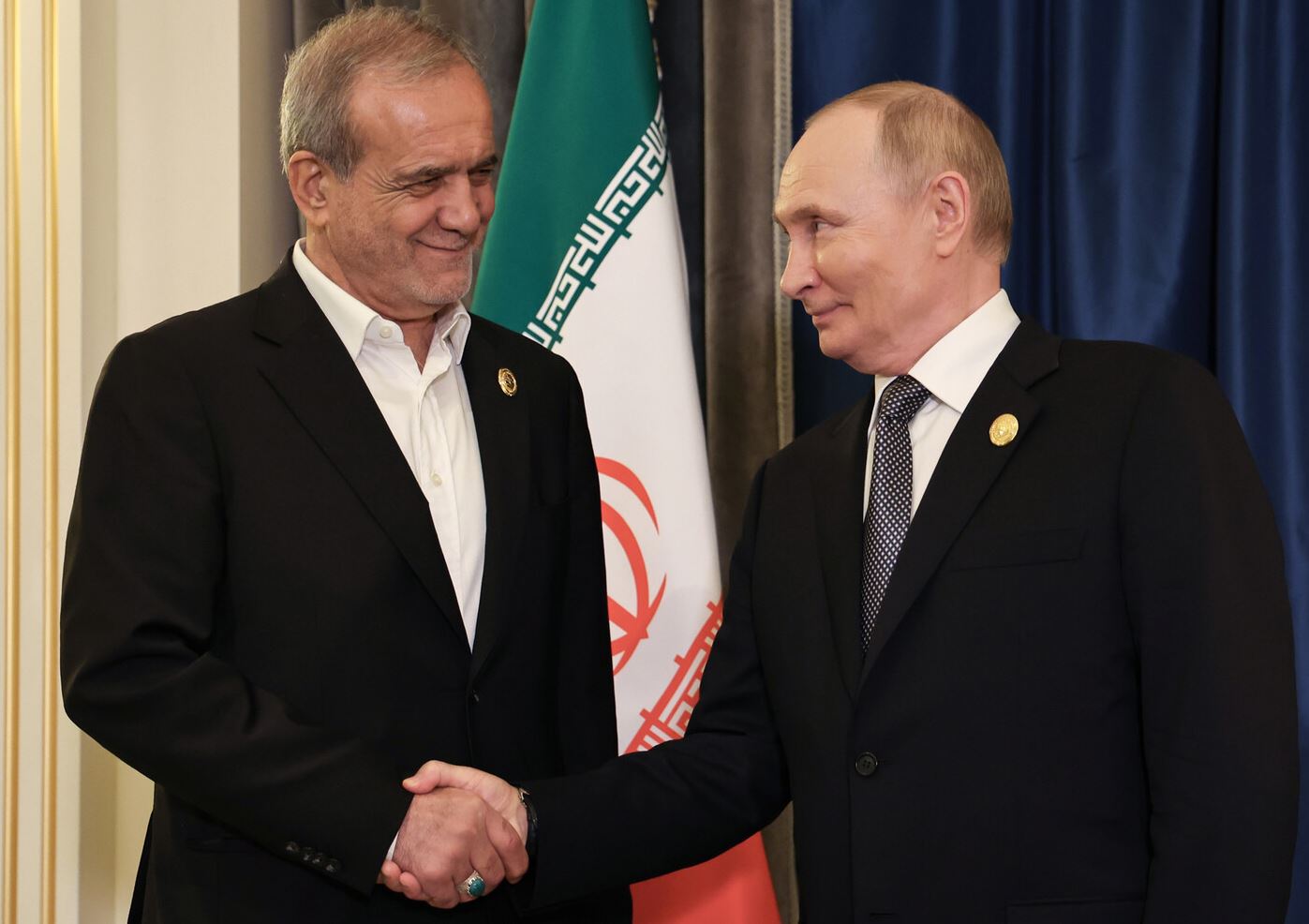
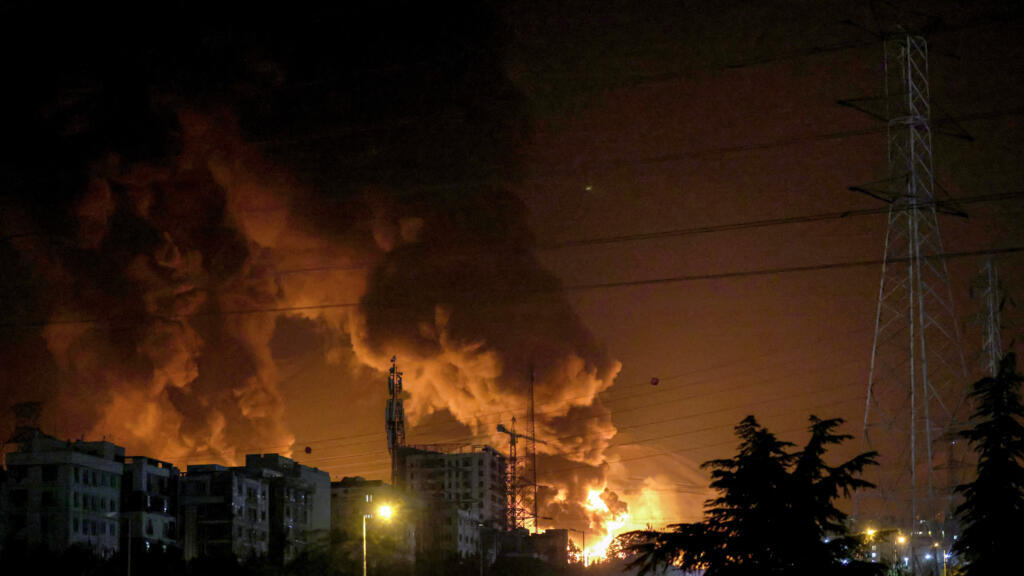
The President of Russia, Vladimir Putin, held telephone conversations with the Prime Minister of Israel, Benjamin Netanyahu, and the President of Iran, Masoud Pezeshkian, focusing on the deteriorating situation in Iran and the broader tension in the Middle East.
As announced by the Kremlin, the discussions focused on the ongoing protests in the Islamic Republic, the accusations made by Tehran against Israel and the United States, as well as the possibilities for de escalation through political and diplomatic means.
The Kremlin described the situation in the region as «extremely tense», emphasizing that the Russian side continues its efforts to stabilize not only Iran, but the entire Middle East.
According to reliable information, Putin’s first call was to Netanyahu.
The second, a few hours later, was to the Iranian president Masoud Pezeshkian.
Both knew that these were not routine conversations.
The Middle East was boiling. And this time, it was not just another regional tremor. It was something that could turn into a geopolitical explosion.
The two phone calls took place on 16/1/2026.
The third phone call took place in the previous days through diplomatic channels.
It took place in Washington. American diplomacy was caught off guard, but the prevention of the strike became a fact.
Israel was convinced by Russia.
Trump: I convinced myself
Trump stated on Friday (16/1/2026) that he decided not to undertake military action against Iran, partly because Tehran canceled the planned executions of more than 800 protesters.
«No one convinced me.
I convinced myself», he told journalists.
Trump also noted that pressure from Middle Eastern allies, including Israel, preceded his decision.
He praised Iran for canceling the hangings, saying that he «greatly respects» the move.
The spark that can burn the world
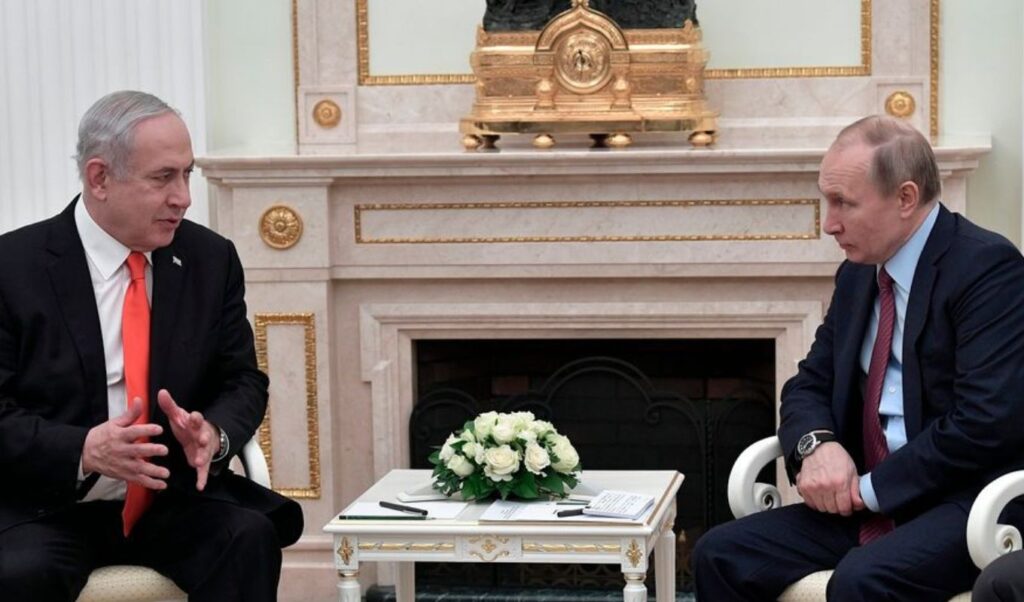
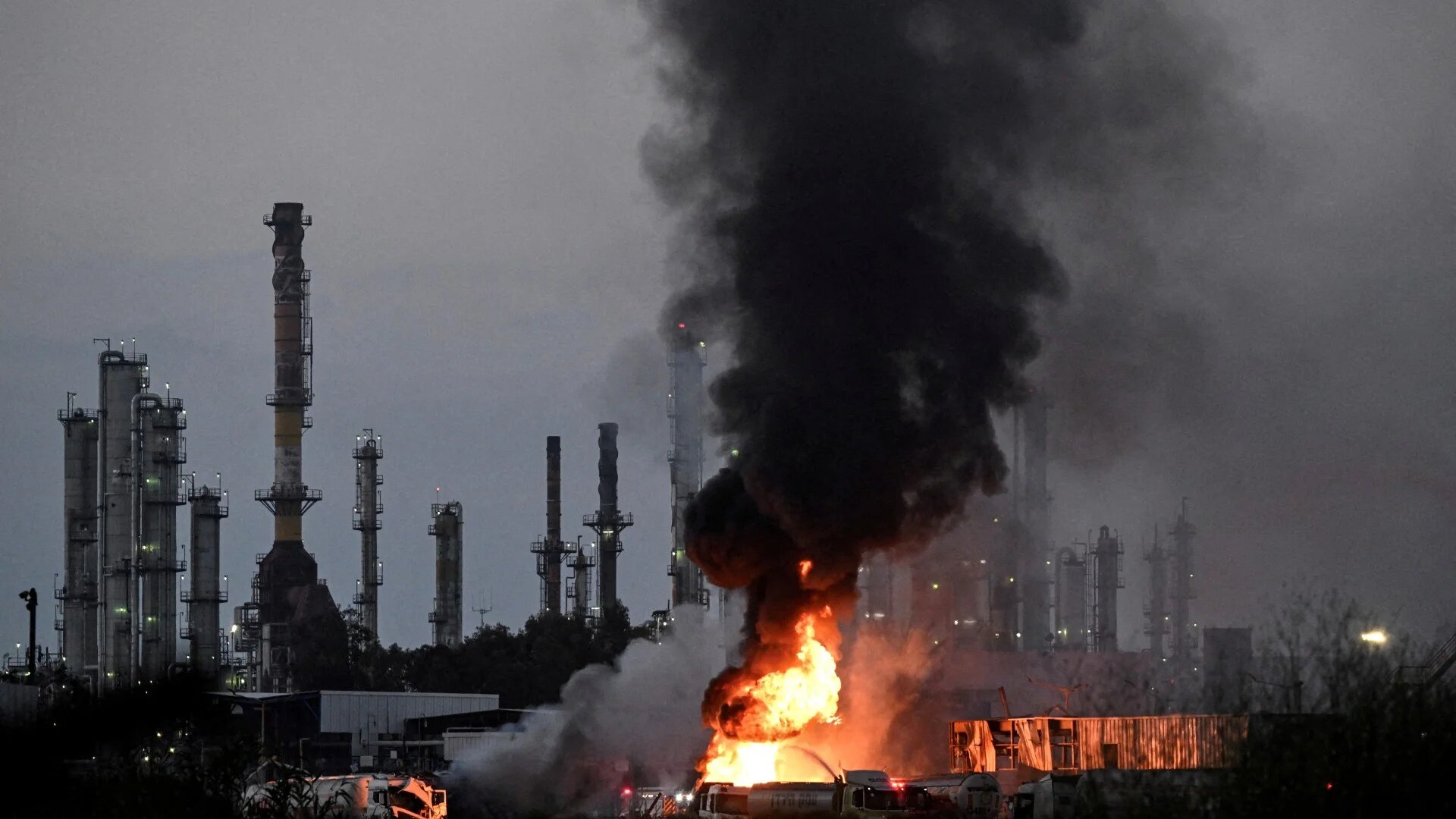
Since late December 2025, Iran has been ablaze.
The protests, initially for economic reasons, quickly turned into something far more dangerous: political destabilization with a geopolitical footprint.
Blocked streets, government buildings in flames, attacks on infrastructure.
Slogans not merely against the government, but against the very core of the Islamic Republic, the legitimacy of the regime, the very existence of the state.
For Tehran, this was not accidental.
It was not spontaneous.
It was not only internal.
The culprits were named almost immediately: Israel and the United States.
And this time, the Iranian leadership did not speak only with political rhetoric. It spoke with accusations of imported terrorists, of organized networks, of hybrid warfare operations aimed at turning social discontent into a tool of destabilization.
The head of the Iranian General Staff openly accused Washington and Tel Aviv of channeling ISIS fighters into the country, with the mission to strike security forces and civilians, sow chaos, and break the state from within.
Silent agreements in the dark
This is where Russia enters. Not with statements. Not with fleets.
With communication channels.
A few days before the unrest erupted, something unusual happened.
Israel and Iran, two countries that officially communicate only through threats, exchanged messages of restraint.
Not directly.
Through Moscow.
Israel’s message: «We will not strike first, if we are not struck».
Iran’s response: «We will not proceed with a preemptive strike».
This fragile balance could not exist without a mediator who speaks to both and whom both fear.
Neither Washington, nor Brussels, can play this role.
Russia can.
The man between war and catastrophe
When Putin called Netanyahu, he did not speak as an ally.
He spoke as a guarantor of balance. He emphasized the need for political and diplomatic steps.
He reiterated that Russia is ready to act as a mediator.
And, most importantly, he did not threaten.
That alone was a message.
In the communication with Pezeshkian, Moscow did something even more critical:
It reaffirmed the strategic Russia–Iran partnership, but at the same time made it clear that destabilization serves no one.
Russia does not want a burning Iran.
Nor an Israel that fires first.
Nor an America that returns to bombings.
The shadow of the United States
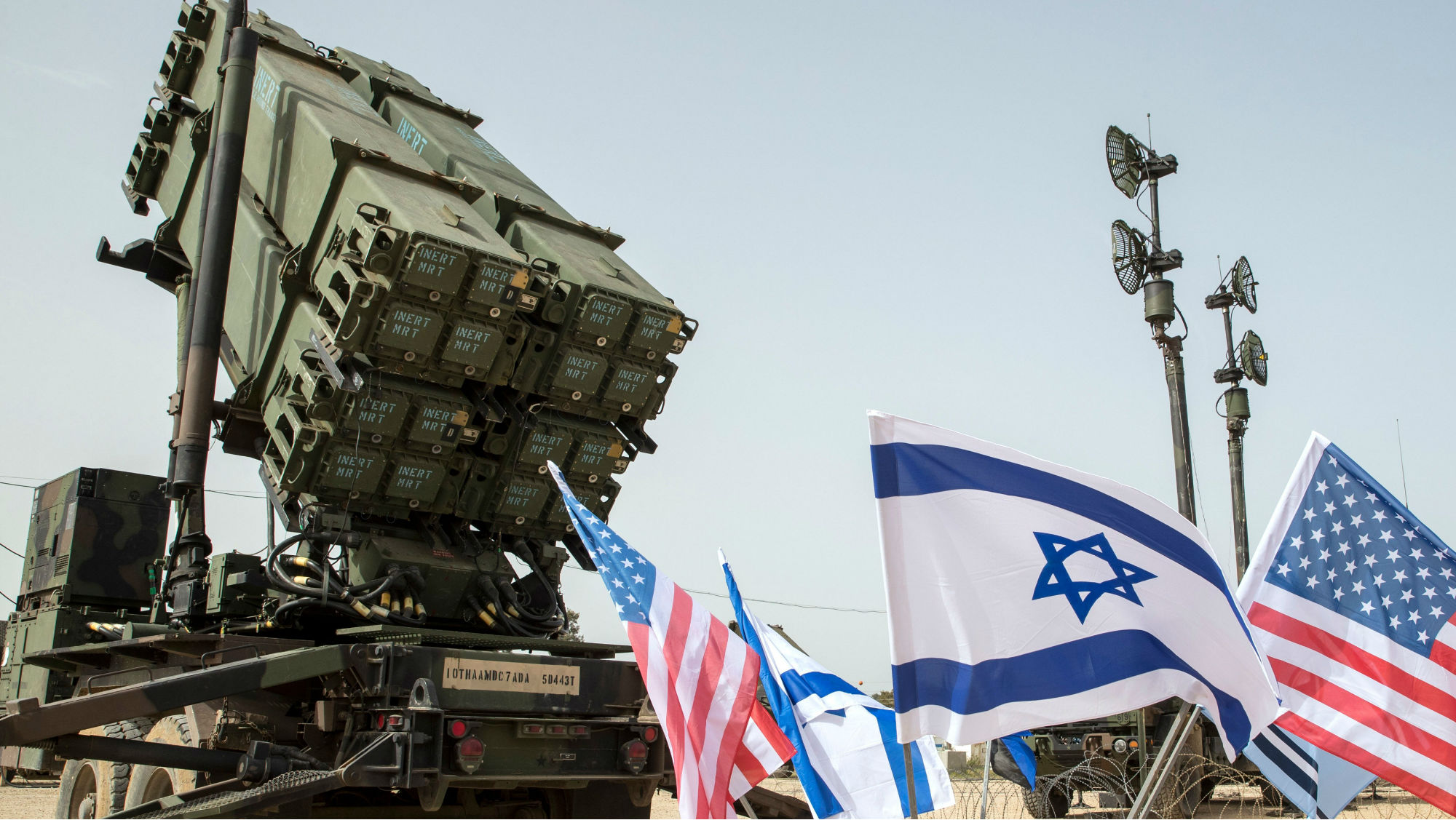
Because everyone knows the truth: Israel does not fear Iran as much as it fears dragging the United States into a new war.
And Iran does not trust any Israeli assurance as long as there is no guarantee that Washington will not strike.
Netanyahu presses. He wants American involvement.
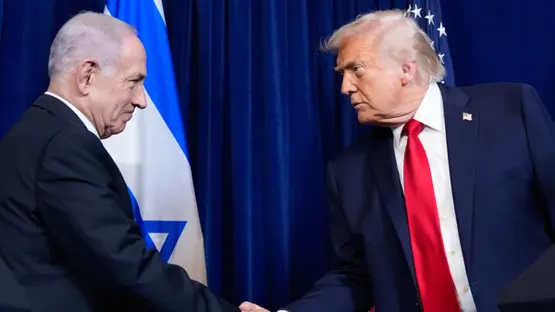
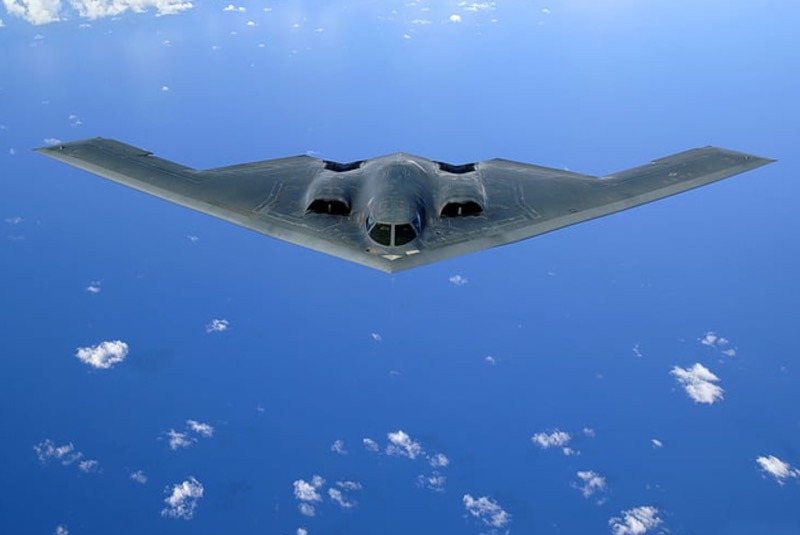
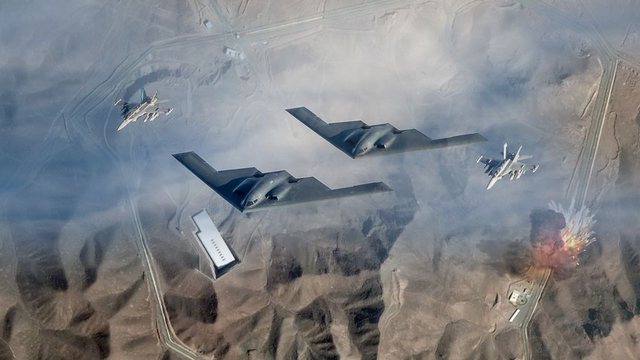
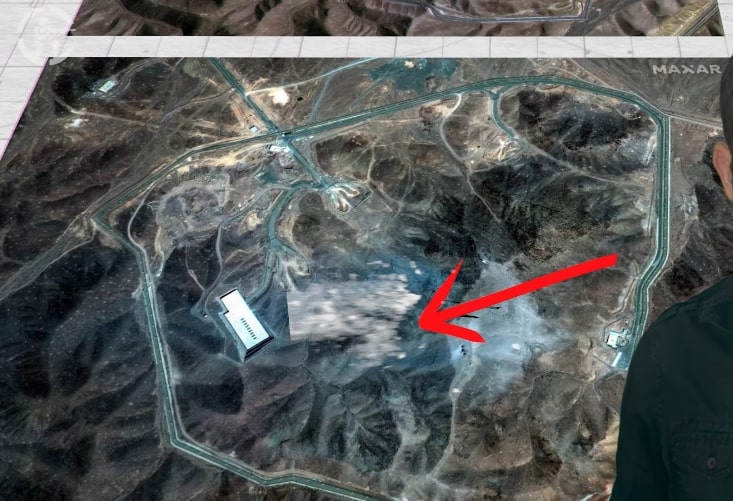
He did it in 2025, during the 12 day war, when the United States struck Iranian nuclear facilities.
But this time, the cost is different.
The world is more flammable.
And Russia is present.
Russia as protagonist in a geopolitical thriller
In this geopolitical thriller, Russia is not an “observer”.
It is the screenwriter who changes the ending.
It has no interest in a generalized war.
It has an interest in a Middle East unstable enough to need Moscow, but not so unstable as to explode.
Moscow keeps channels open:
1) with Tehran
2) with Tel Aviv
and, silently, with Washington
And this makes it the only real regulator.
If the balance broke
If Iran believed that an Israeli or American strike was imminent, it would proceed with preemptive action.
If Israel believed that Tehran was losing control, it would strike.
If the United States found a pretext, it would return to missiles.
One phone call fewer.
One message that did not get through.
And the Middle East would burn.
Silent Russian victory
There will be no headlines for these phone calls.
There will be no medals.
There will be no “peace”.
But for now, there is no war.
And in a world where everyone threatens, the power that deters is the most dangerous of all.
Russia did not fire a single shot.
But it kept everyone’s finger away from the trigger.
In this thriller, the most powerful player is not the one who shouts.
It is the one everyone calls, when the world approaches the abyss.
The crisis did not end, it simply froze
In the Middle East, silence is not peace. It is a pause before the next earthquake.
The protests in Iran may be suppressed, dispersed, or mutate, but their causes do not disappear.
Israel may publicly reassure itself, but it never stops planning.
And Washington may state that it is “considering options”, but those options already exist in folders, with dates and targets.
The only thing that changed is time.
And that time was bought.
Russia did not provide a solution. It does not promise a solution.
It did something much harder: it broke the chain of automatic escalation.
Where every event generated retaliation and every retaliation a war, it inserted delay, doubt, second thought.
For Iran, the message was clear: It is not alone, but it also does not have a blank check for fire.
For Israel, the message was harsher: No strike will be “silent” as long as Moscow is watching.
For the United States, the message was never said publicly, but it was understood: You are not the only ones holding the steering wheel.
From now on, every move will be measured twice.
Every piece of information will be cross checked.
Every order will first pass through the filter of one question:
«And what will Russia do».
That alone changes the game.
But nothing is permanent.
The communication lines that function today may be cut tomorrow.
A strike attributed as a “mistake”.
A video. A dead child.
A missile that “went astray”.
The history of the Middle East is full of moments that began like this.
When that happens, because one day it will happen, it will not matter who shouted louder. It will matter who will pick up the receiver again.
And then, the question will not be whether Russia wants to intervene.
It will be whether it arrives in time.
Because in this thriller, the most dangerous weapon is not the missile.
It is the missed phone call.
www.bankingnews.gr


Σχόλια αναγνωστών