

Iranian airspace reopens after five-hour closure – Araghchi (Iranian FM): No plan for gallows.
US President Donald Trump is taking a step back from his order for military intervention in Iran, at a moment when the international community was on high alert for a new American attack. Trump claimed he received assurances from high-level sources on the "other side" that Tehran will not proceed with the hanging and execution of protesters arrested during recent anti-government demonstrations—a development that led him to cancel the "strike" decision for now.
As a result, the alert suggesting the US would strike within the next 24 hours has been lifted, and Iranian airspace, which had been closed for approximately five hours, has reopened normally for flights. While US aircraft carriers are moving toward the Persian Gulf and the US has withdrawn part of its personnel from bases in the Middle East, reports speak of a secret non-aggression agreement between Israel and Iran, facilitated by Russia's intervention. Under these rapid developments, the UN Security Council is convening urgently to assess the situation in Iran.
Trump: No executions of protesters will take place
In his statements, US President Donald Trump maintained that he received assurances from Iran that it would not proceed with the execution of protesters. He stated that "very important sources from the other side assured him that the executions of Iranians will not take place."
"I was told that the slaughter has stopped and that the executions will not be carried out. There was a large number of executions scheduled. The executions will not happen, and we have learned this," said Trump. When asked if the military option is now off the table, he said, "we will monitor developments and see what the outcome is." According to State Department data, the regime arrested over 10,600 Iranians during recent protests, including Erfan Soltani, who was arrested at his home last week on charges of participating in demonstrations in the city of Fardis.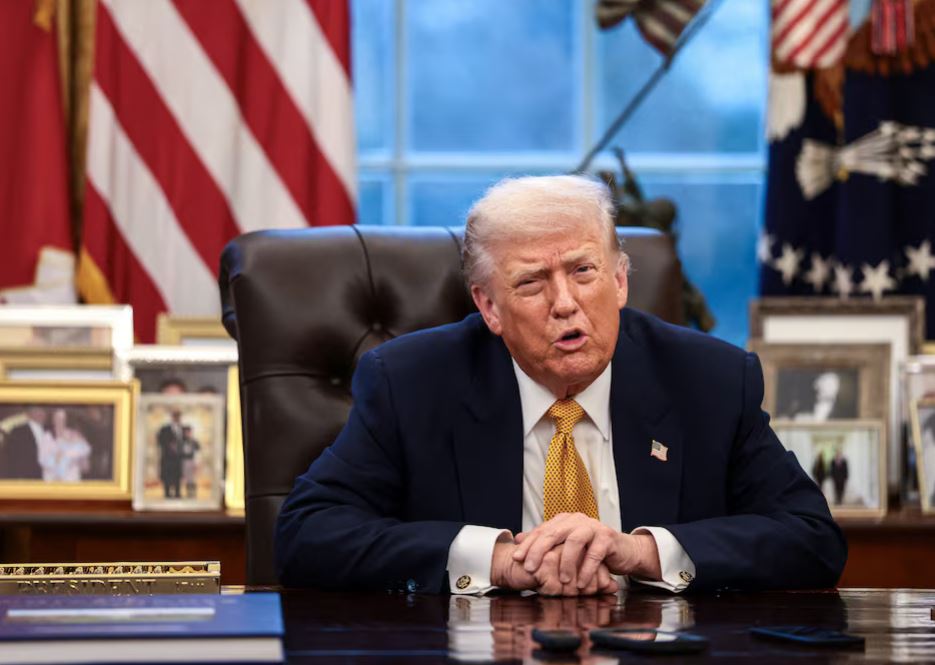
Araghchi (Iranian FM): No plan for gallows
Earlier, Iranian Foreign Minister Abbas Araghchi, speaking to Fox News, had claimed that no executions were to take place "either today or tomorrow." "I am sure there is no plan for gallows," emphasized the Iranian Foreign Minister, who had called on Trump not to repeat Washington's previous mistakes and to choose diplomacy over war. It is estimated that during the recent anti-government protests and clashes with security forces, between 4,200 and 12,000 people were killed.
Secret Israel-Iran plan
Iran and Israel, with Russia's mediation, have secretly agreed not to attack one another, the Washington Post reports, citing sources. "A few days before the start of the protests in Iran in late December, Israeli officials informed the Iranian leadership via Russia that they would not conduct attacks against Iran if Israel was not attacked first. Iran responded through the Russian channel that it would also avoid a preemptive strike," the report states, quoting diplomats and regional officials.
According to the report, the correspondence between Israel and Iran, and Russia's role as a mediator, were unusual given the hostility between the two Middle Eastern rivals, who were involved in a 12-day war last June. However, sources say these contacts reflect Israel's desire to avoid being seen as an escalating factor in relations with Iran. While Iranian officials reacted positively, they expressed concern that even if Israeli assurances were sincere, they left open the possibility of a US military attack. Recently, Israel had asked Trump not to attack Iran so as not to lose the anti-government momentum.
Pahlavi is good but not suitable
Meanwhile, Trump questioned whether Reza Pahlavi, the son of the last Shah of Iran, is capable of governing the country. The US President said Pahlavi is a "very nice guy" but judged that he would not receive sufficient support from Iranians to take over the government. "He seems very nice, but I don't know how he would handle situations in his country. And we are not there yet. I don't know if his country would accept his leadership or not; however, if they did, it would be good for me," Trump told Reuters.
The Khamenei regime will collapse
Furthermore, Trump judged that the fall of the government in Tehran remains likely due to mass mobilizations, as "any regime can fail." "Whether it falls or not, it will be an interesting time period," noted the American President, who a few days ago had called on Iranians to continue protests against the regime, stating that "help is coming."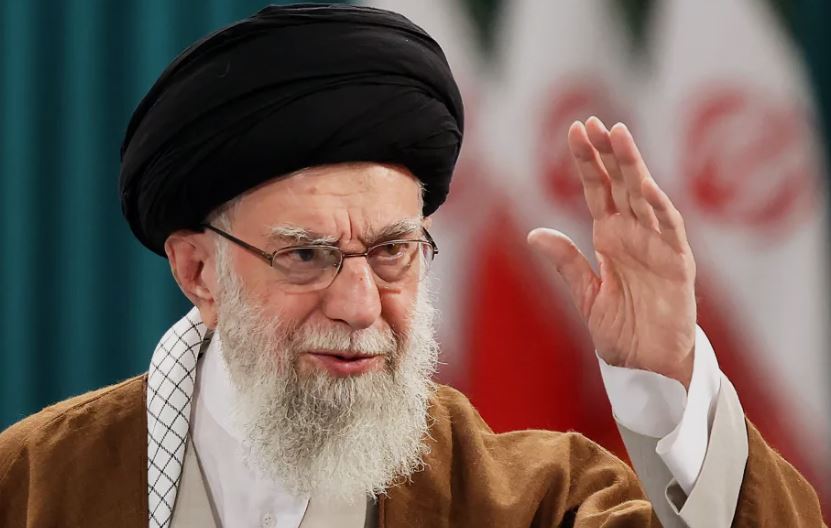
Aircraft carriers in the Persian Gulf
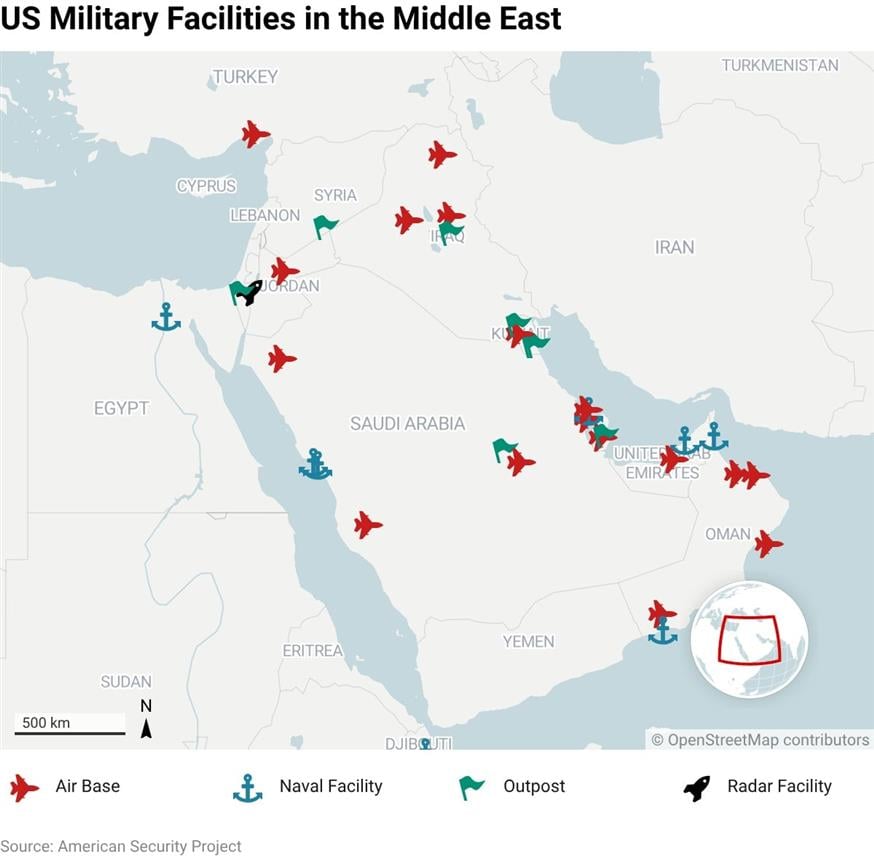
Nevertheless, US aircraft carriers are already heading toward the Persian Gulf region, while the US withdrew part of its personnel from some bases in the Middle East, an official reported on Wednesday, Jan 14. This followed Tehran's warning to neighboring states that it would strike US bases on their soil if Washington proceeded with a military operation against it. "All signals indicate that an American attack is imminent, but this is also the behavior of this administration—to keep everyone on edge. The unpredictable strategy is part of the strategy," a Western military official told Reuters.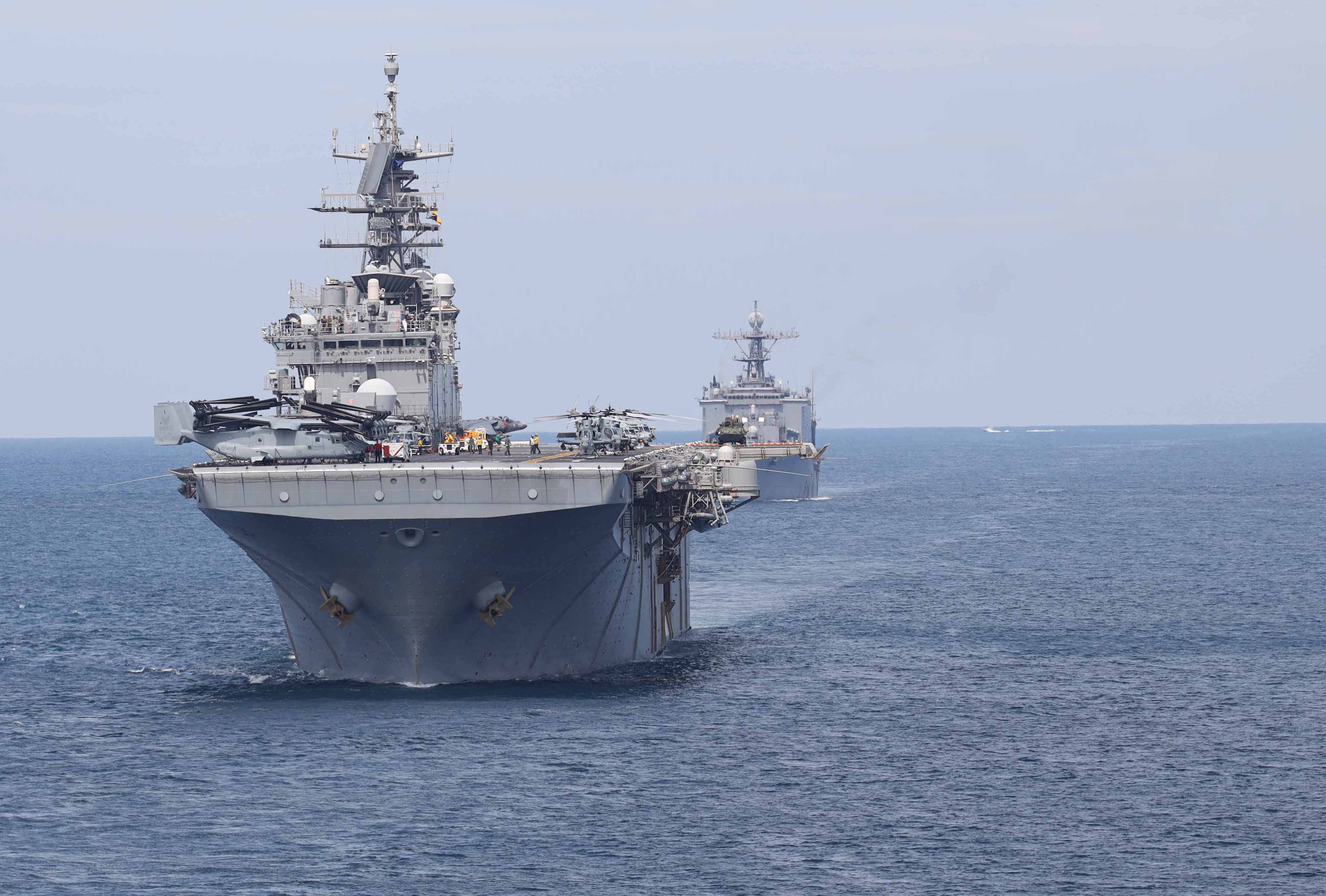
Threats from Tehran
According to a senior Iranian official, Iran has warned regional countries that it will strike US military bases in those states in the event of an attack by the USA. These reports could not be independently confirmed by media outlets.
Iranian airspace opened
Iran reopened its airspace after closing it for nearly five hours amid concerns over a potential US military operation and Iranian retaliation, which forced airlines to cancel, reroute, or delay flights. Tehran had closed the airspace to almost all flights, except for international ones and those departing with prior permission from the Civil Aviation Authority, around 00:15 (Greek time). The notice was lifted shortly before 05:00 (Greek time), according to FlightRadar24, which recorded five flights by Iranian carriers (Mahan Air, Yazd Air, AVA Airlines) among the first to operate afterward.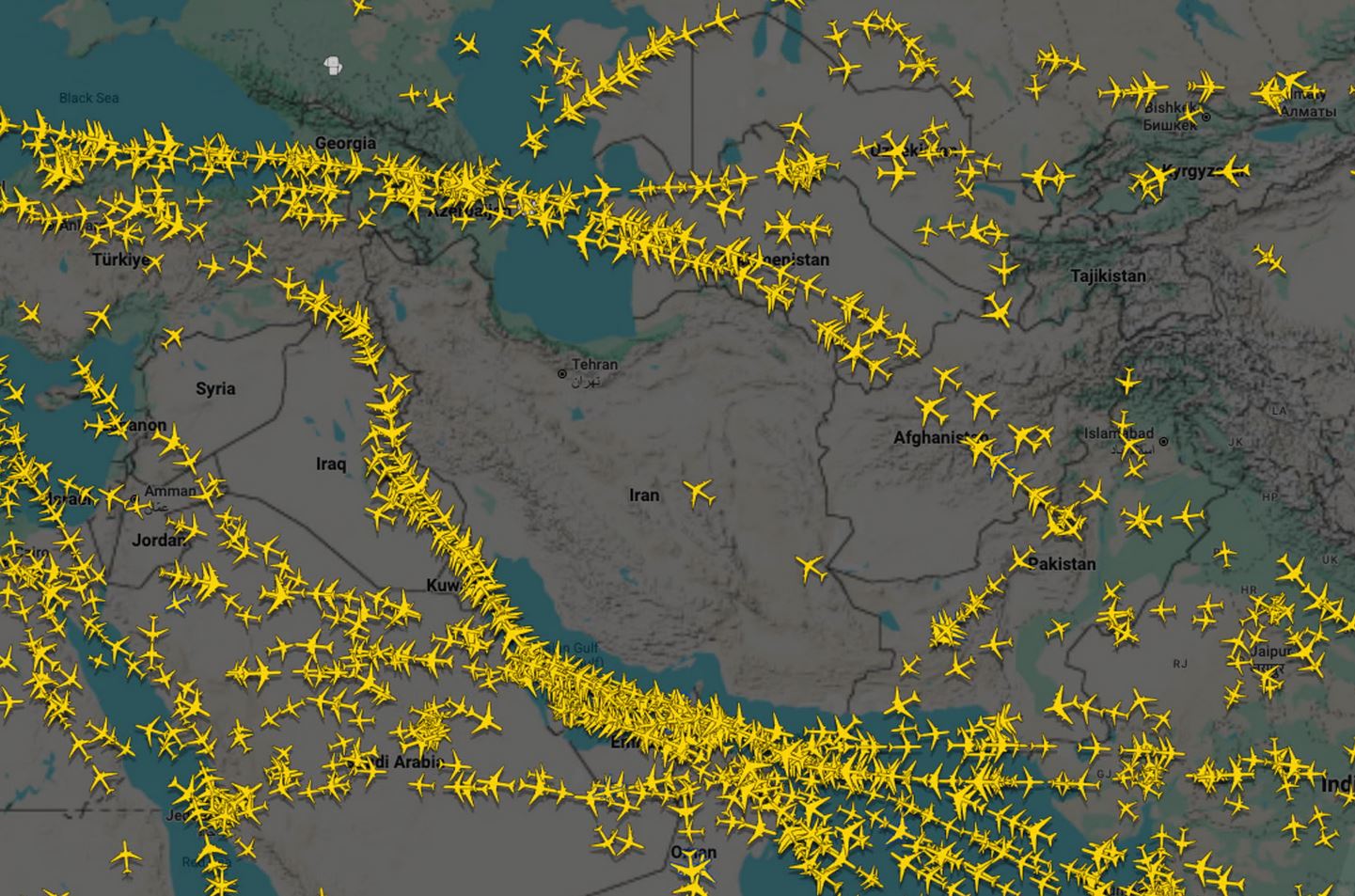
UN Security Council meets
Following these developments, Somalia, which holds the presidency of the UN Security Council for January, announced a meeting on the situation in Iran under the agenda "The situation in the Middle East" for Thursday, January 15, 2026, at 15:00 at the request of the US.
The 50 targets
The White House possesses a list of priority targets in Iran, compiled by the Washington-based organization United Against Nuclear Iran, according to the Daily Mail. Earlier this week, representatives of the organization delivered a list of 50 priority targets in Iran to officials of the Donald Trump administration. The list was highly detailed, including addresses and coordinates, providing plenty for the security meeting discussion. The list includes the exact coordinates of the IRGC's Sarallah headquarters and four regional headquarters in Tehran, each responsible for controlling a specific area of the city.
It also lists the coordinates of 23 Basij military bases and key security brigades, Ale-e Mohammad and Al-Zahra. The US believes the Islamic Revolutionary Guard Corps is behind the suppression of protests. Meanwhile, Tehran has notified its Middle East allies of its intent to strike US bases on their territory if attacked. Consequently, the Pentagon began withdrawing some US troops from key bases. Experts believe the decision for a strike has already been made; Donald Trump is not ending wars in the new year—he is fueling them.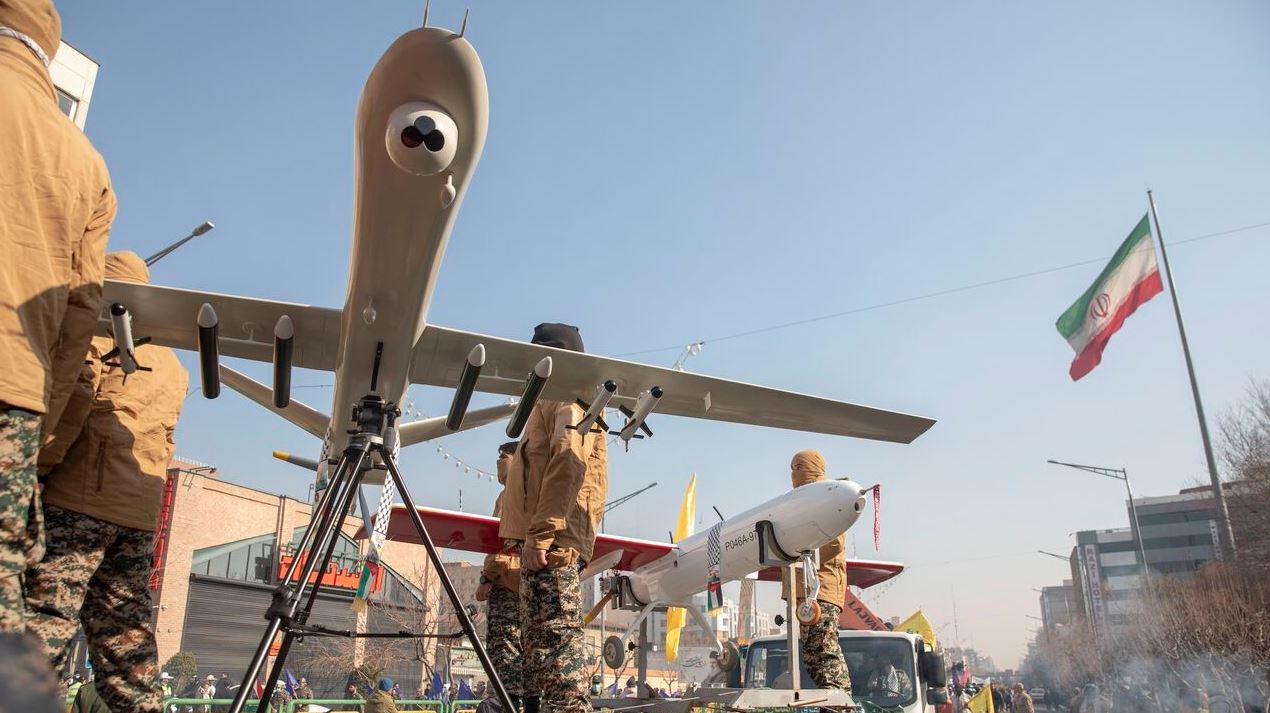
Trump holds plan for attacks on Iran's nuclear and military infrastructure
The Pentagon presented President Donald Trump with a "broad range of options" for targets in Iran, including the country's nuclear program and ballistic missile sites, the New York Times reveals, citing US officials. However, other options, such as a cyberattack or a strike against Iran's internal security apparatus, are considered more likely.
An attack is at least several days away and could trigger a robust response from Iran. Military officials reported that the US Navy currently has three missile-equipped destroyers in the Middle East, including the Roosevelt, which was recently redirected to the Red Sea. The US Navy also has at least one missile-equipped submarine in the region, according to Pentagon officials.
US troops in the Middle East
Warning from Russia: Attack on Iran will be recorded as the Americans' greatest mistake
Leonid Slutsky, head of the Duma's International Affairs Committee, warned that a US military attack on Iran would be Washington's "most serious mistake" and could destabilize the entire region. He accused the US of endangering oil markets and regional stability, claiming that Western powers are fueling Iranian protests to push for regime change.
www.bankingnews.gr








Σχόλια αναγνωστών