

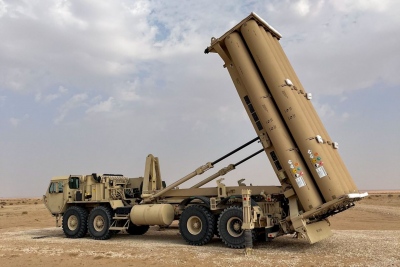
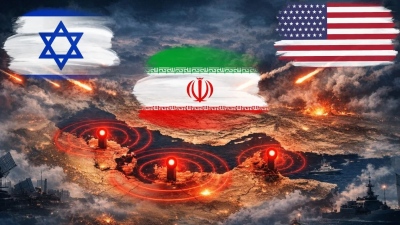
One of the largest US military bases in the Middle East is on red alert, as personnel are called to evacuate Al Udeid in Qatar following Iran's warning of strikes on US bases in the region if an attack occurs. "Tehran has informed countries in the region, from Saudi Arabia and the United Arab Emirates to Turkey, that US bases in these countries will be attacked if the US attacks Iran, asking these countries to prevent Washington from attacking Iran," an official told Reuters. The same official also noted that "direct communication" between Washington and Tehran has been cut off due to Trump's threats.
Warning for personnel evacuation
Three diplomatic sources informed Reuters on Wednesday that part of the personnel has received instructions to depart from the Al Udeid military base by Wednesday evening. The US embassy in Doha did not make an immediate comment on the news.
Threats from Tehran
According to a senior Iranian official, Iran has warned regional countries that it will strike US military bases in these states in the event of an attack by the US. These reports could not be independently confirmed by media outlets.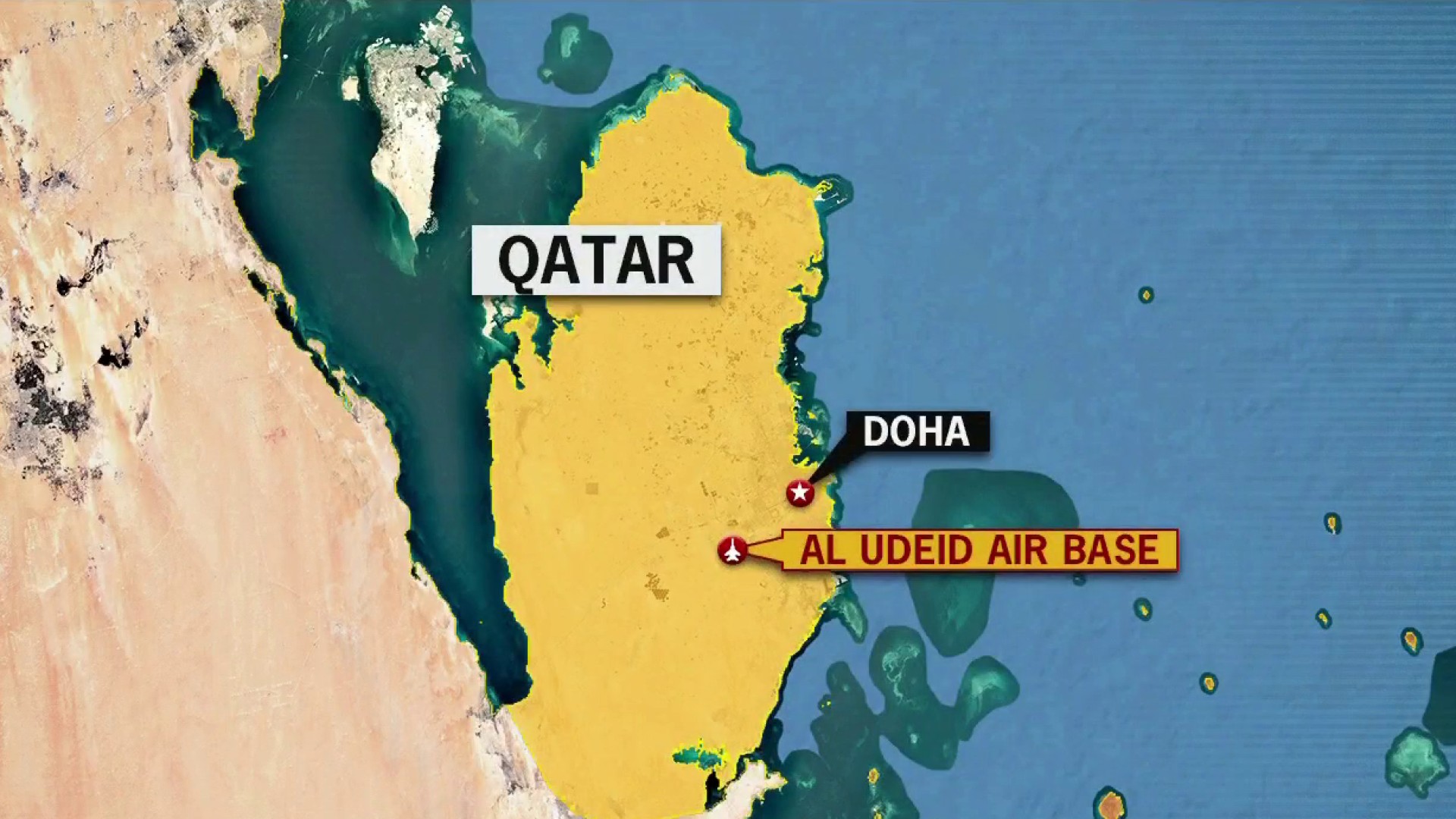
The significance of Al Udeid
Al Udeid is the largest US base in the Middle East and hosts approximately 10,000 soldiers. Similar personnel movements took place before the US airstrikes against Iran last June, as a safety measure to protect military personnel in the region.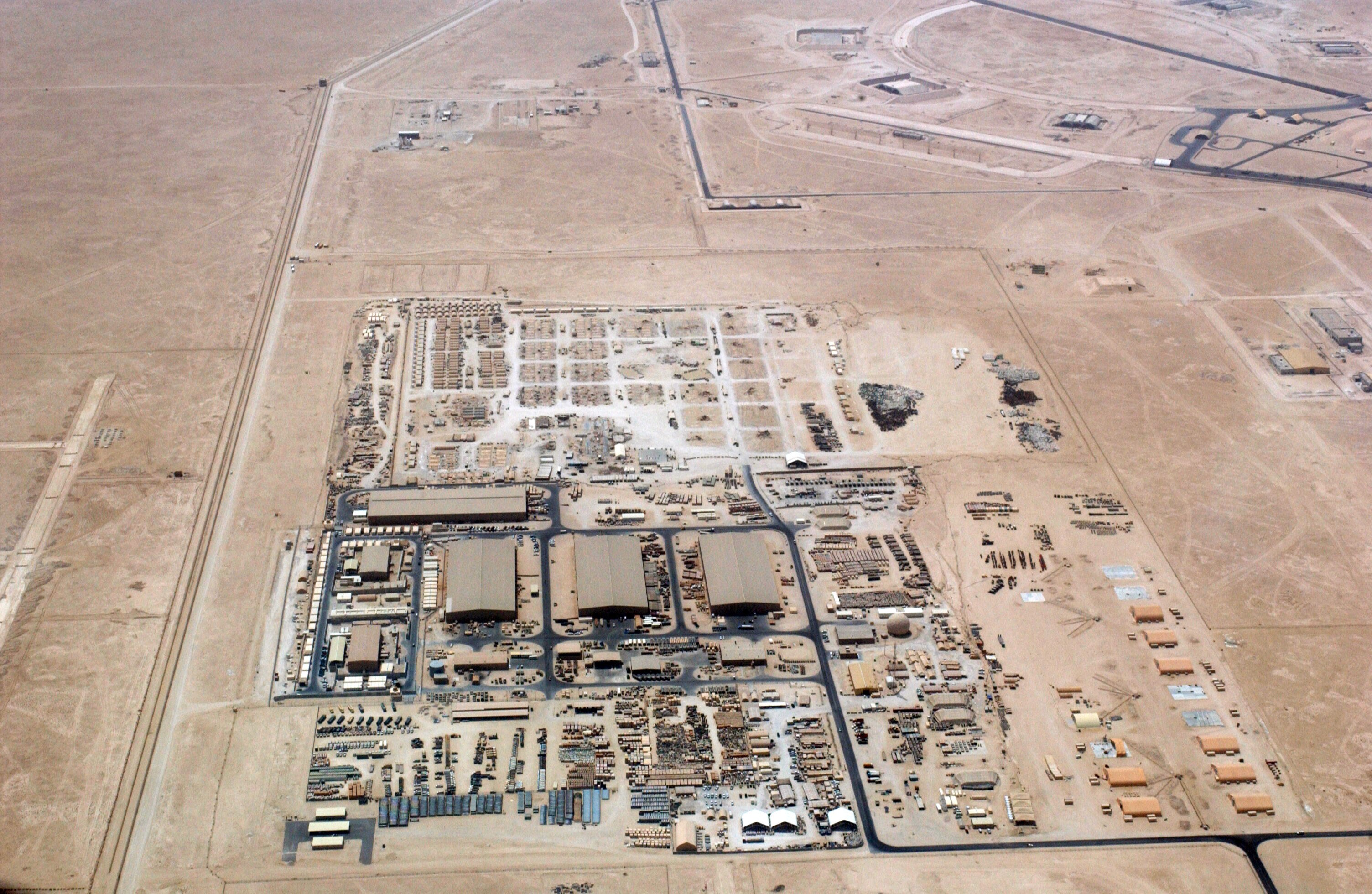
Iran at the peak of combat readiness
Amid a climate of tension with the US and domestic protests, Iran is raising its readiness, with General Majid Mousavi of the Revolutionary Guards assuring that the country is at the "peak of its readiness."
Increase in missile stockpiles
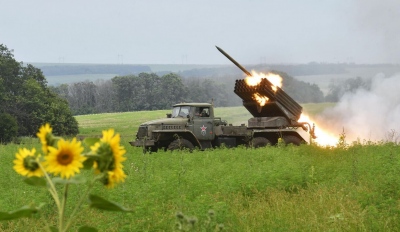
Majid Mousavi, head of the Revolutionary Guards' aerospace forces, stated on Wednesday that Iran's missile stockpiles have increased following the 12-day war with Israel last year, as reported by state media. The statements were made following threats of intervention by American President Donald Trump amidst anti-government protests in Iran. Mousavi noted that the war damage has been repaired and production in various sectors by the Guards' aerospace forces is higher than before June 2025. "We are at the peak of our readiness," he emphasized, highlighting the strengthening of Iran's military power.
Diplomatic contacts of top Iranian officials
Meanwhile, Iran is informing Qatar, the UAE, and Turkey that the situation remains under control, underlining at the same time that it will decisively defend its national sovereignty against any foreign intervention. According to Iranian state media, Ali Larijani, head of the country's top security body, spoke with the Foreign Minister of Qatar, while Iranian Foreign Minister Abbas Araghchi had talks with his counterparts in the UAE and Turkey. During the conversation with UAE Foreign Minister Sheikh Abdullah bin Zayed, Araghchi emphasized that "calm prevails" and that Iranians are determined to defend their sovereignty and security from any foreign intervention, according to Reuters citing state media.
Shocking revelation: Trump's map with 50 targets in Iran – Exact coordinates of death
A classified map featuring 50 high-value military targets in Iran, accompanied by precise geographical coordinates, is in the White House, sparking scenarios of immediate military escalation. The document, which reveals the structure and neural centers of the Islamic Revolutionary Guard Corps in Tehran, accurately outlines the operational footprint of a potential strike. Headquarters, sub-commands, and militia bases are in the crosshairs, while the White House toughens its rhetoric against the Iranian regime and the country sinks into a bloody crackdown on protests.
According to the Daily Mail, United Against Nuclear Iran (UANI), a Washington-based non-profit organization, compiled a dossier with 50 targets and delivered it to White House officials in the early hours of Monday (1/12/2026), ahead of critical national security meetings. The document reveals the exact coordinates of the Revolutionary Guard headquarters (IRGC), the nerve center of the violent suppression of protesters. This specific headquarters essentially functions as the army's operational center, exercising control over police forces as well.
The target list includes four basic sub-headquarters overseeing different areas of the capital:
-
The Quds Sub-Headquarters, responsible for suppression operations in northern and northwestern Tehran.
-
The Fath Sub-Headquarters in the southwest.
-
The Nasr Sub-Headquarters in the northeast.
-
The Ghadr Sub-Headquarters, which controls southeastern and central Tehran.
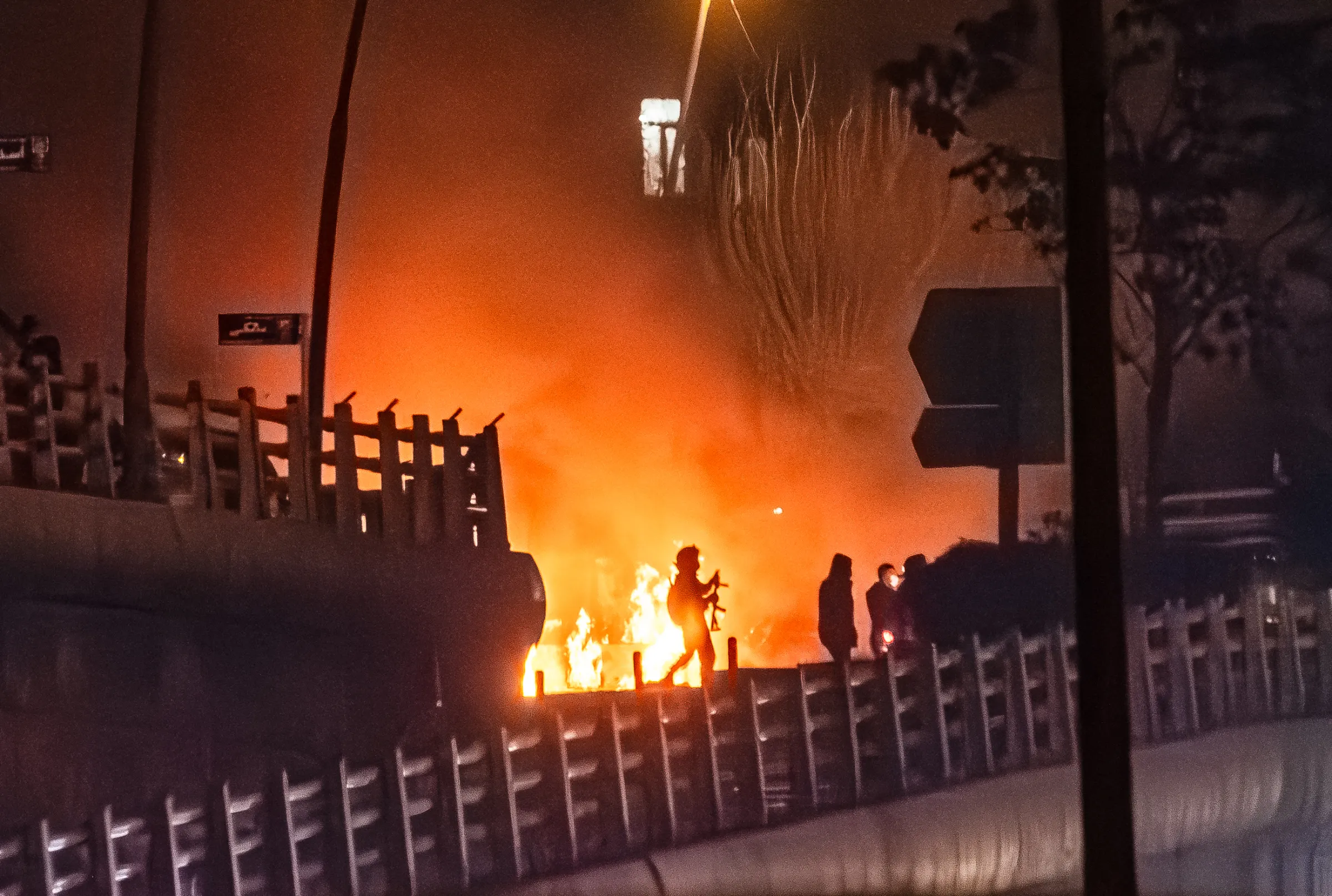
By identifying these specific facilities and structures, the US military would now have a full "plan" of the IRGC's capabilities to coordinate the violent suppression of protests. "The cycle of protests and suppression will continue unless the balance of power between unarmed Iranian protesters and the regime's fully equipped suppression mechanism changes," Kasra Aarabi, Director of Research for the IRGC at UANI, told the Daily Mail. Beyond the main command centers, the dossier reveals a hidden infrastructure across Tehran that serves as the basic command network of the regime's most extreme units, coordinating intelligence, policing, and psychological operations.
The targets include 23 regional IRGC-Basij bases, each located in one of Tehran's 22 municipal sectors. The Basij house the IRGC's domestic militia, known for its brutality. The UANI list also includes the operational units leading the violent suppression, including two basic brigades:
-
The Aaleh-e Mohammad Security Brigade, based in northeastern Tehran.
-
The Al-Zahra Security Brigade, in the southeast of the city.
As the number of dead protesters reaches thousands, while thousands more face executions in the regime's notorious penal system, the Trump administration has sent the message that the period of diplomatic patience has ended. In a social media post on Tuesday (1/13/2026), Trump stated that he canceled all meetings with Iranian officials, asked protesters to continue their mobilizations, noting that "help is coming," and called on them to "keep the names of the murderers and torturers."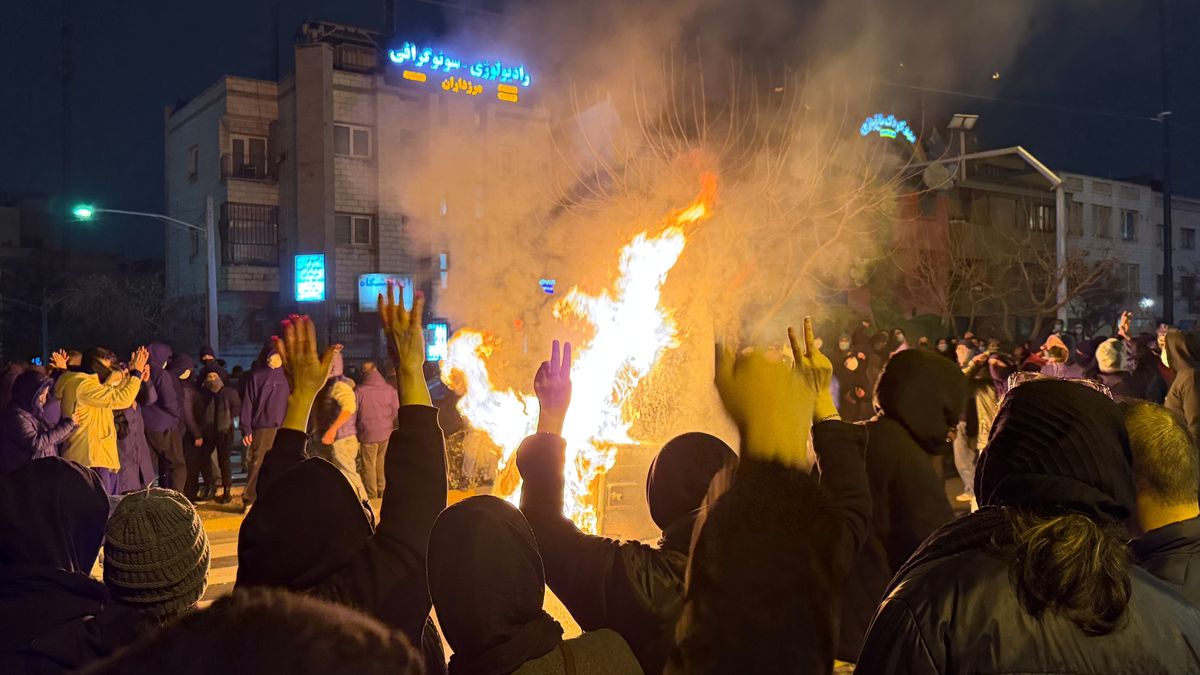
The Iranian regime is currently "as popular as syphilis"
At a Republican lunch at the Capitol, Senator Tom Cotton engaged in intense rhetoric against the regime, according to Punchbowl News. Cotton urged his colleagues to take an aggressive stance in favor of both the protesters and the government's actions, saying that the Iranian regime is currently "as popular as syphilis."
Dr. Saeid Golkar, a senior advisor at UANI, warned that any return to the "failed" policies of the past would only lead to new disaster. "An agreement with Tehran simply postpones the crisis and strengthens the institutions that support suppression and regional aggression," he stated. "The regime's basic strategy is not compromise but endurance. Tehran is betting that it will outlast Trump in Washington and Netanyahu in Israel and then return to the same manual: regional interventions, missile expansion, and nuclear progress."
As the White House examines the UANI target list, Trump's rhetoric has reached its peak, warning Iran that it is playing a "very dangerous game." "I haven't heard about their gallows," Trump told CBS while visiting a Ford factory in Detroit on Tuesday. "We will take very strong action if they do something like that."
Tony Dokoupil of CBS asked: "And this strong action, what are we talking about? What is the final goal?" Trump replied: "If they want protests, that is one thing. When they start killing thousands of people, and now you talk to me about hangings, we will see how it turns out for them. It won't turn out well for them."
www.bankingnews.gr




Σχόλια αναγνωστών