

The coming hours are extremely critical for Iran following Donald Trump's warning that the US is ready to take very strong action against Tehran if it proceeds with the execution of protesters, as it has already announced. Following fierce clashes between protesters and security forces that have resulted in at least 2,000 deaths—though unconfirmed reports suggest up to 12,000—Iran claims the situation is under full control and that it is now time for the gallows for "traitors" and Mossad agents. The first executions are scheduled to begin today, Wednesday, January 14. While Trump calls on Iranians to continue their demonstrations against the theocratic regime of Ayatollah Ali Khamenei, claiming that "help is on the way," he is simultaneously considering three military options against Tehran. In this emerging war chaos, Israel is reportedly calling on President Trump not to attack Iran to avoid losing the anti-government momentum.
Keep protesting, help is coming
Trump argued that the ultimate goal in Iran is victory, without providing specific details on how he defines that victory. In this context, he urged Iranians to continue their demonstrations, stating that help is on the way. "Iranian Patriots, KEEP PROTESTING – TAKE YOUR POSITIONS!!! Save the names of the murderers and thugs," the US president wrote on Truth Social, emphasizing that he would not meet with Iranian officials until the "unjustified killing of protesters" stops. "HELP IS COMING. MIGA (Make Iran Great Again)," Trump added.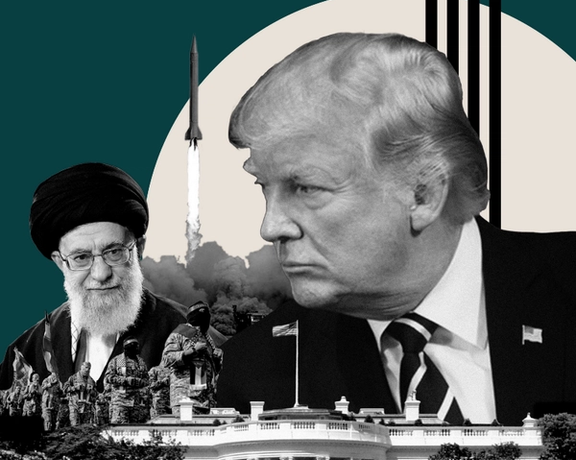
Very strong action
Trump subsequently warned Iran that the US would take "very strong action" if the Iranian government proceeds with hanging protesters. In an interview with CBS News, Trump was asked to comment on reports that a 26-year-old Iranian protester would be led to the gallows today. "I haven't heard about this hanging. We will take very strong action if they do something like that," warned Trump. When asked by NBC exactly what he meant by the phrase "help is coming," he replied: "You'll have to find out for yourselves, I'm sorry."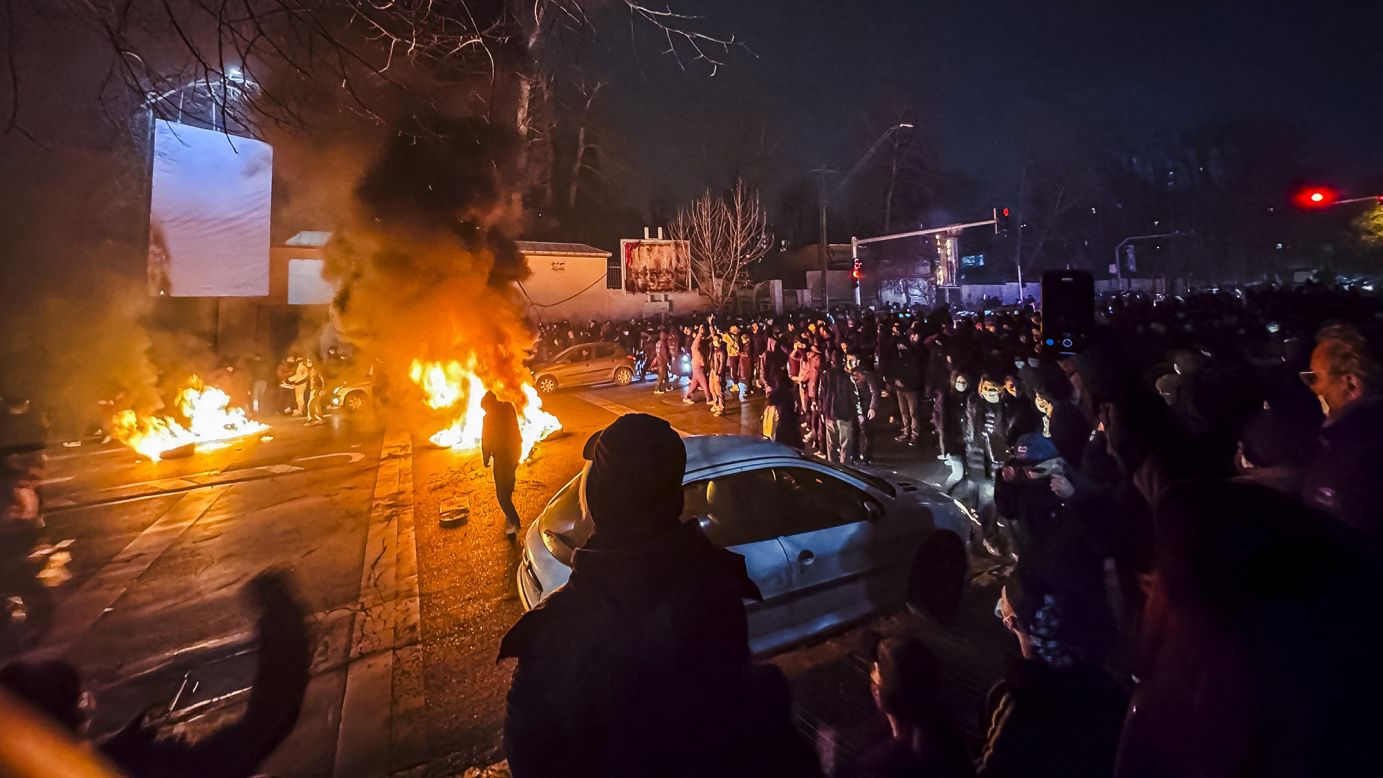
Deliberations
According to the Wall Street Journal, the US president is being briefed by aides on a range of options regarding Iran: from military strikes and cyberattacks to stricter sanctions and digital support for anti-regime networks. However, it is reported that senior US officials, led by Vice President JD Vance, are pushing Trump to give diplomacy a final chance before approving a military response. Their argument is that a US strike at this stage could bolster the Iranian regime's narrative that the protests are a product of a foreign conspiracy.
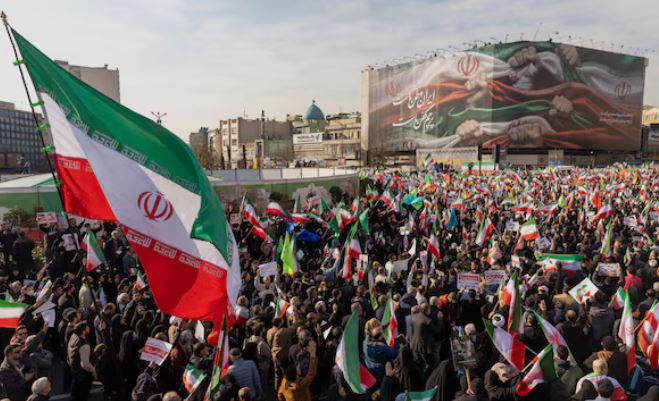
The 3 military options
Reports indicate that the American president is considering three military options against Iran to exert maximum pressure on the Tehran regime. Trump speaks of military options as another means to increase the dilemmas facing the Iranian government. "Locked and loaded," Trump wrote on Truth Social on January 2, as protests escalated. The US military maintains a list of target options, but three are the most likely under consideration, according to Fox News.
1. Missile production
Iran continues to manufacture ballistic missiles and import solid fuel precursors, such as sodium perchlorate, from China. CIA maps show dozens of surface and underground facilities across Iran linked to missile testing, development, and storage. Prime Minister Benjamin Netanyahu disclosed in late December that Iran was trying to reconstitute its missile stockpiles and anti-aircraft defenses, likely sharing details during his visit to Trump at Mar-a-Lago on December 30.
2. Space launch facilities
Iran has over 30 satellites in orbit, with Russia launching three more for them in December. The US wants to avoid uncontrolled Iranian satellites, as space launch vehicles can easily be converted into offensive missiles. Iran launched an undeclared ballistic missile from the Iman Khomeini spaceport in September, violating UN sanctions. A new launch facility under construction in Chabahar is also on the watch list.
3. Drone factories
The notorious Iranian drones used in Ukraine are manufactured by Shahed Aviation Industries, partially run by the Revolutionary Guard (IRGC). The IRGC also manages significant business activities to fund terrorism, making their drone operations a legitimate military target. Any options presented to the president will include assessments to avoid collateral damage or unintended civilian deaths.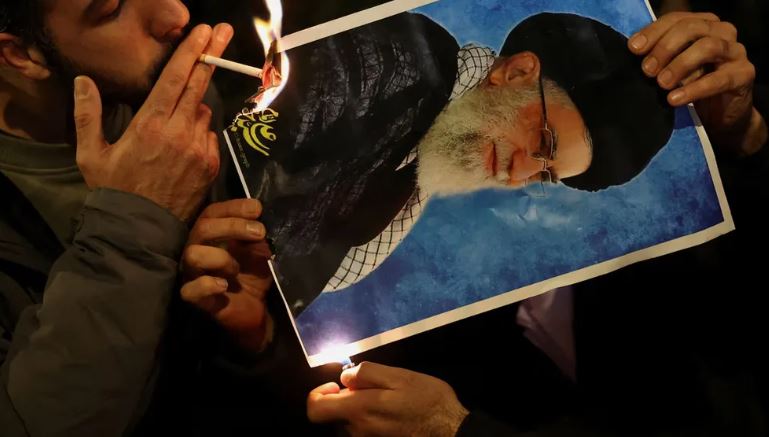
Easy mission
According to Fox News, these options represent an "easy mission" for US Central Command. US F-15E fighters led strikes against ISIS targets in Syria last Saturday. Additional aircraft such as F-35s, F-16s, and B-2 and B-1 bombers could reinforce operations, alongside Navy destroyers and submarines equipped with Tomahawk cruise missiles.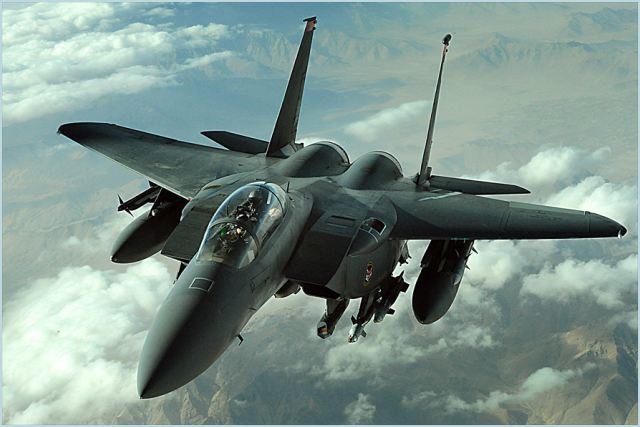
Reactions
Regarding the global reaction, France, Germany, and the UK have already condemned Iran's controversial space launch activities. Iranian missiles can reach Southern Europe, which is why the Aegis Ashore radar system was activated in Poland and Romania in 2023 to detect Iranian launches.
Risks in the Middle East
The White House announced that the president will be briefed on the defensive posture of US forces in the Middle East before making decisions. US Navy destroyers used the SM-3 missile to intercept several Iranian missiles in 2024 and are ready to do so again. Trump has warned that if Iran strikes US bases, it will be hit with an intensity it has "never seen before." Notably, Iran previously attacked US forces at Al Udeid in Qatar (2025) and Al Asad in Iraq (2020).
Involvement
During "Operation Midnight Hammer," the US struck only a specific set of Iranian nuclear enrichment and weapon design facilities. However, the B-2 strike on June 22, 2025, did not target underground facilities where missiles, launchers, and fuel production plants are hidden.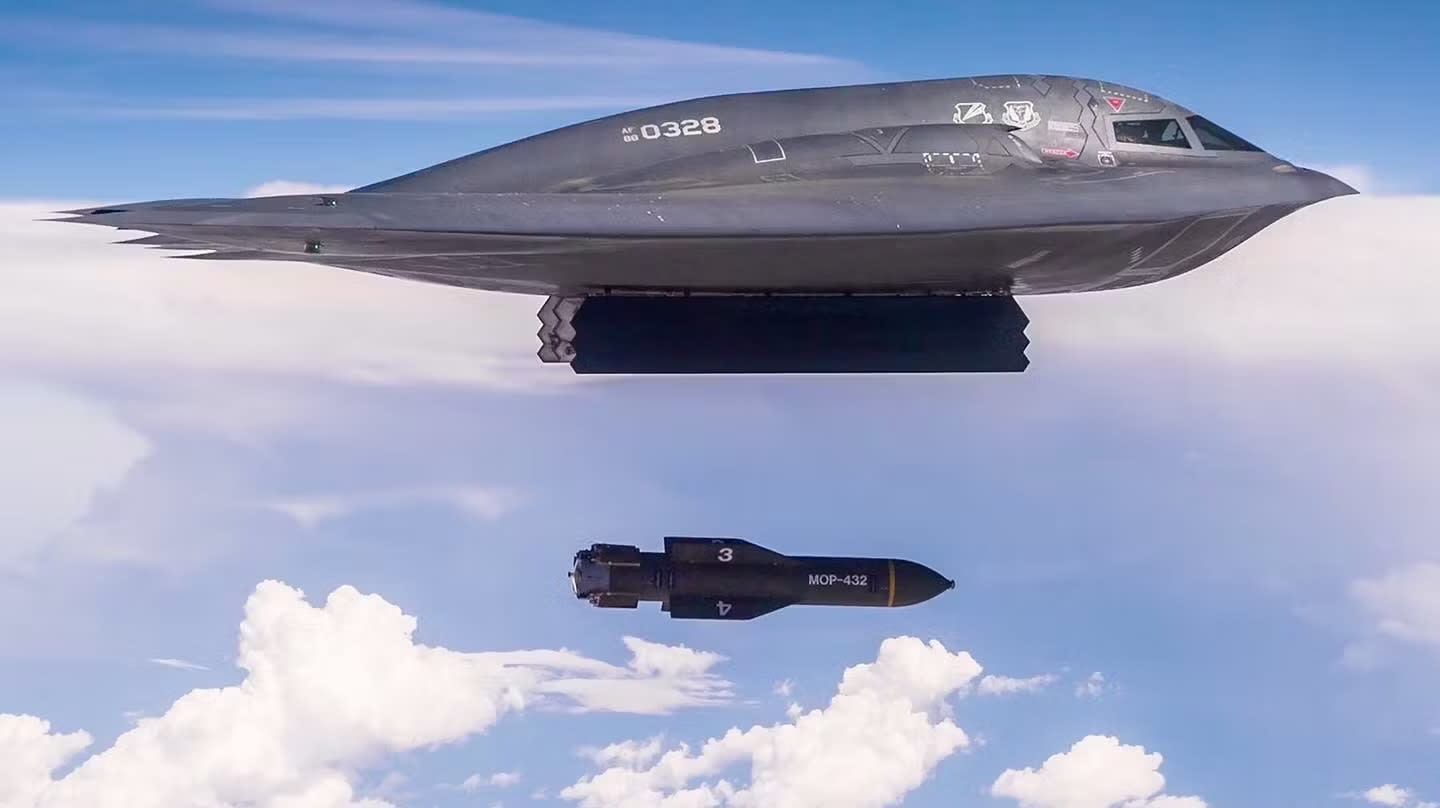
NBC: Israeli authorities suggest US postpone attack on Iran
Israeli officials have suggested to the White House that it postpone potential military action against Iran, NBC News reported. "Israeli officials have told the Trump administration that while they fully support regime change in Iran, they worry foreign military intervention now could hinder protesters from finishing their work." They suggested other options, including improving internet connectivity, economic sanctions, and cyberattacks.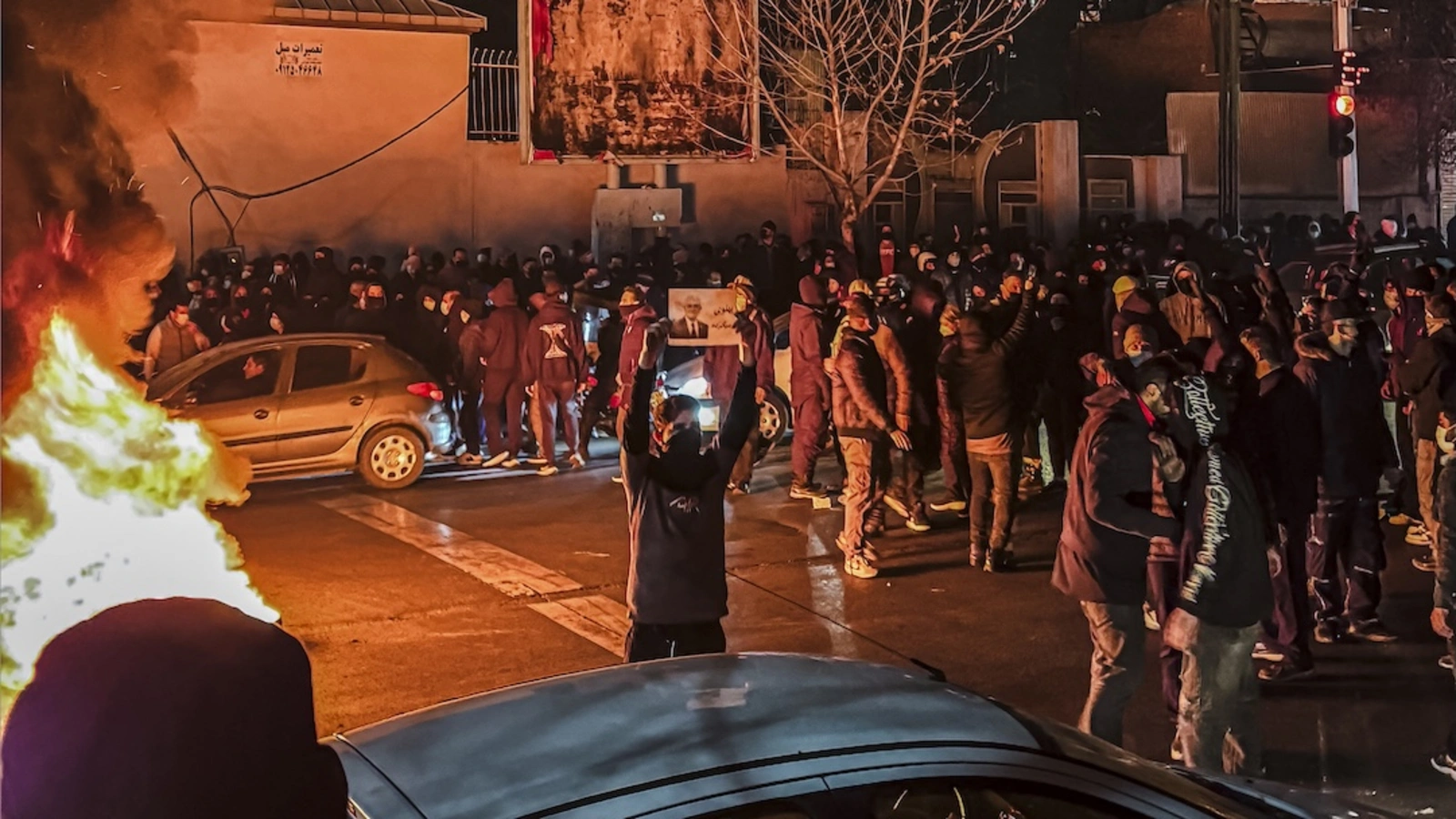
Iranian fire
The Iranian mission to the UN accused the US of seeking a "pretext" for military intervention. "US fantasies and policy toward Iran are rooted in regime change, with sanctions, threats, and orchestrated riots used to create a pretext for intervention," the mission stated. Iranians accuse Trump of inciting violence and threatening national security. Permanent Representative Saeid Iravani sent a letter to UN Secretary-General Antonio Guterres holding the US and Israel legally responsible for the loss of innocent lives.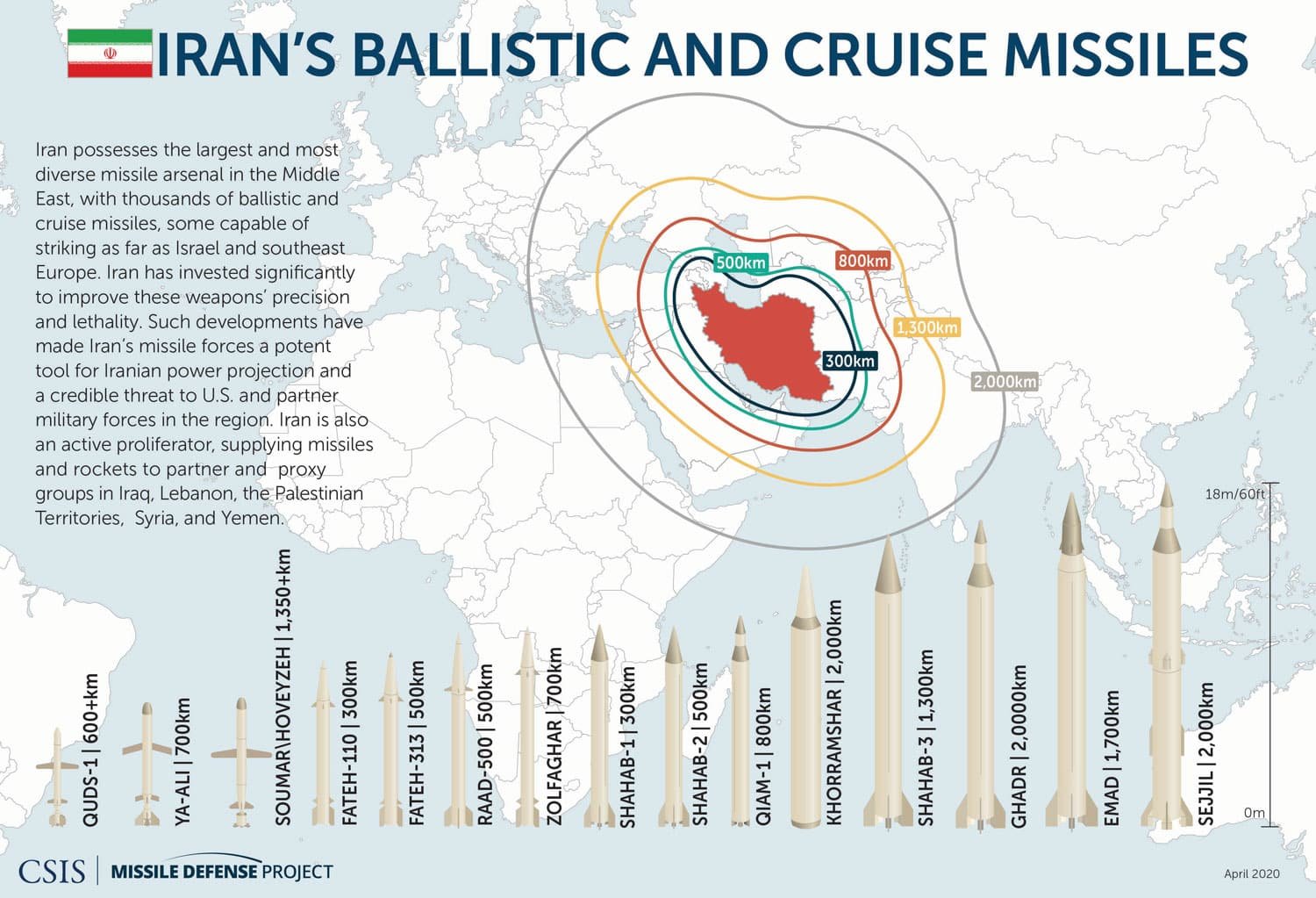
The Khamenei regime holds on
Despite the protests and fierce clashes, there are no signs of a rift in Iran's security elite that could end one of the world's most resilient governments. Trump's threats of military action increase pressure, but two diplomats and regional analysts told Reuters the establishment is likely to endure. While an Iranian official cited 2,000 deaths—blaming "terrorists"—human rights groups had recorded 600, with some unconfirmed reports reaching 12,000 deaths.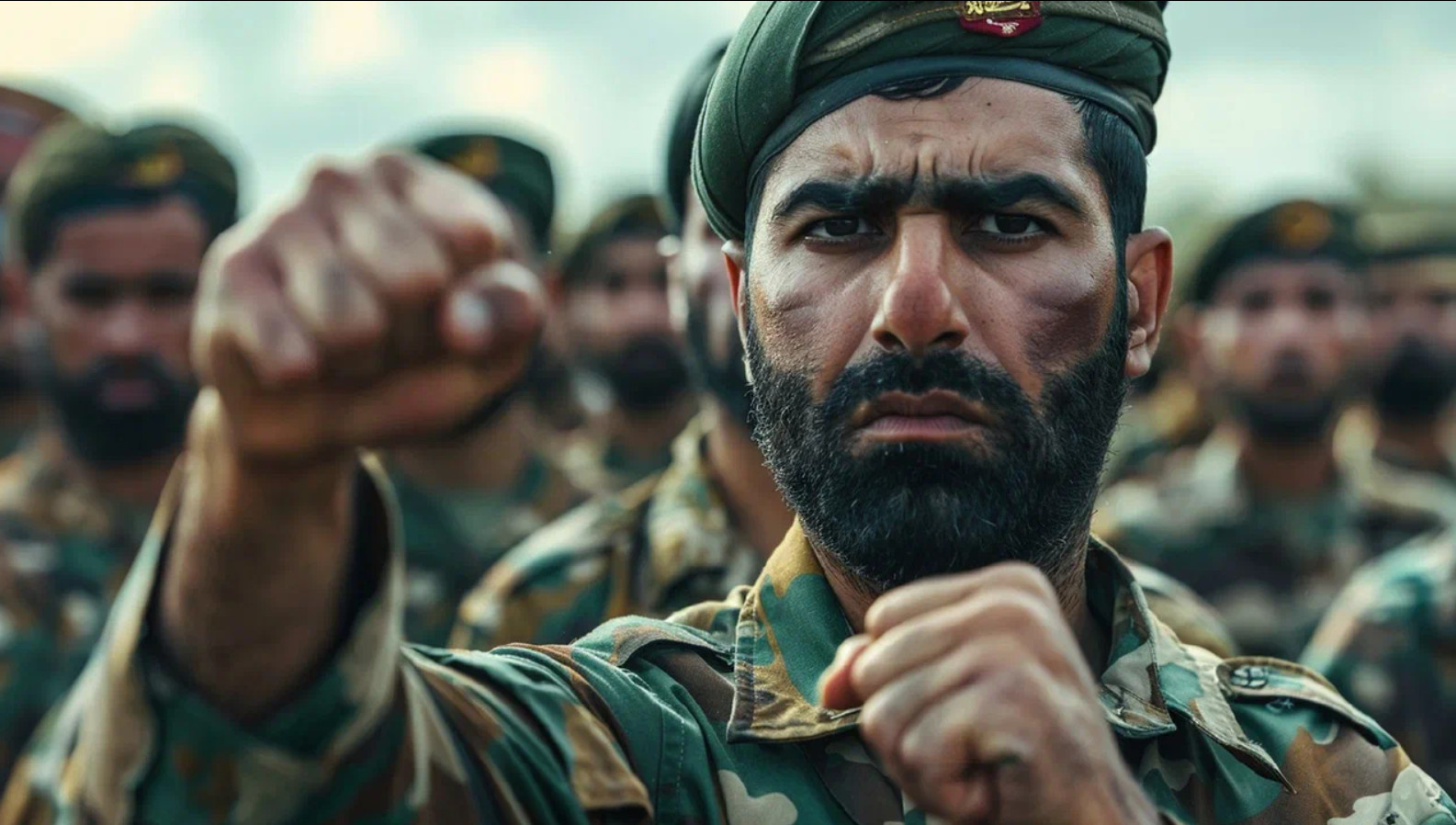
Multilayered security architecture
Iran's security architecture, centered on the Revolutionary Guard and the Basij paramilitary force (numbering nearly one million), makes external coercion difficult without internal fracture. Expert Vali Nasr noted that success requires crowds to remain in the streets longer and for the security forces to defect. Supreme Leader Ayatollah Ali Khamenei, 86, has survived five major uprisings since 2009. Paul Salem of the Middle East Institute noted that protesters must overcome the state's deep institutional advantages.
Survival does not mean stability
Analysts point out that survival is not stability. Iran faces its gravest challenge since 1979, with sanctions strangling the economy. Strategically, its "Axis of Resistance" has been weakened by losses suffered by proxies in Lebanon, Syria, and Gaza. Protests began on December 28 over price hikes before turning against clerical rule. The group HRANA reports 573 confirmed deaths and over 10,000 arrests.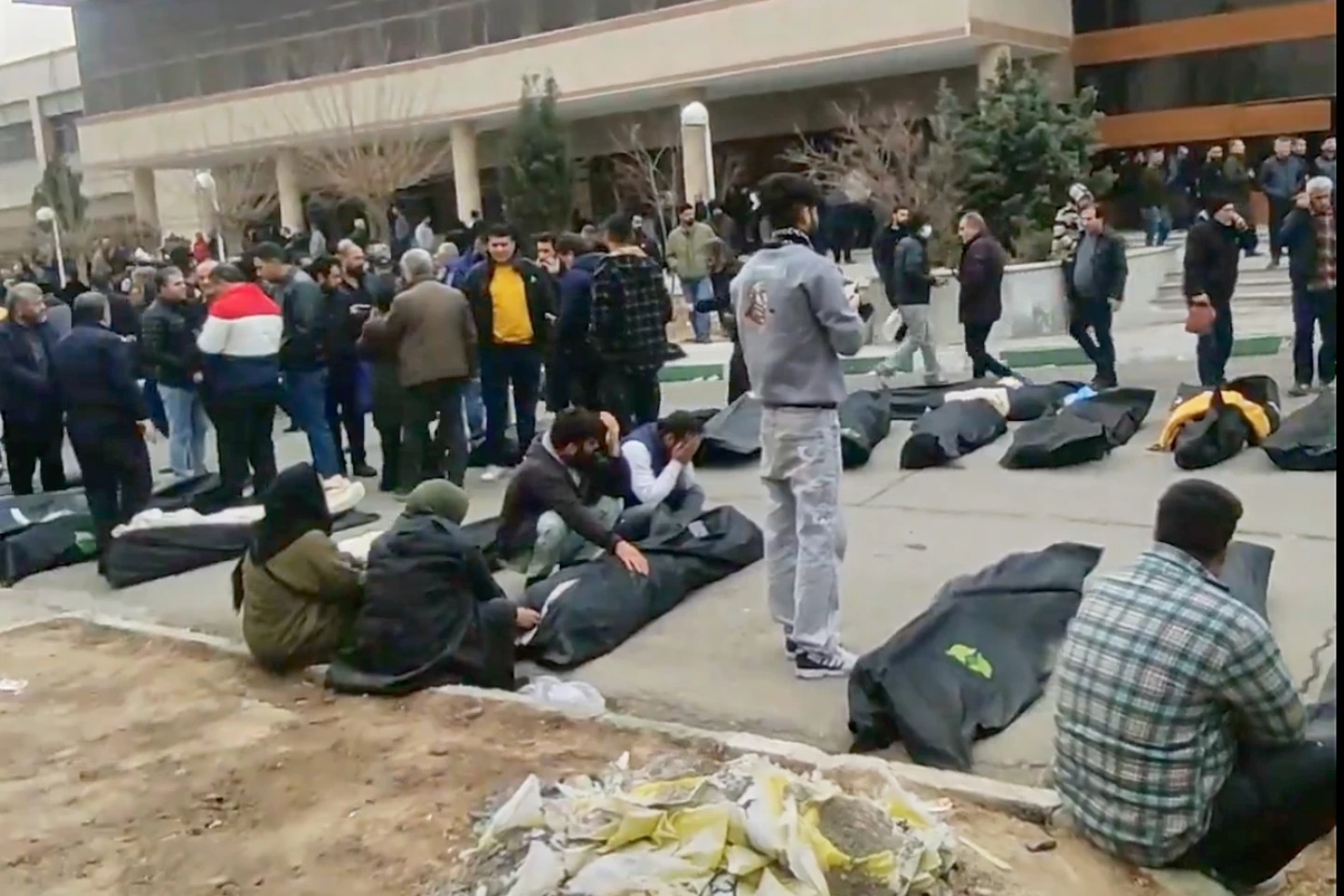
American intervention
What makes the current situation different is Trump's warning that killing protesters could trigger US intervention. Last Saturday, Netanyahu and Secretary of State Marco Rubio discussed this possibility. Analyst Salem noted Trump's interest might be tactical—to weaken the state enough to force concessions on the nuclear program. A US official stated Trump has proven he "means what he says."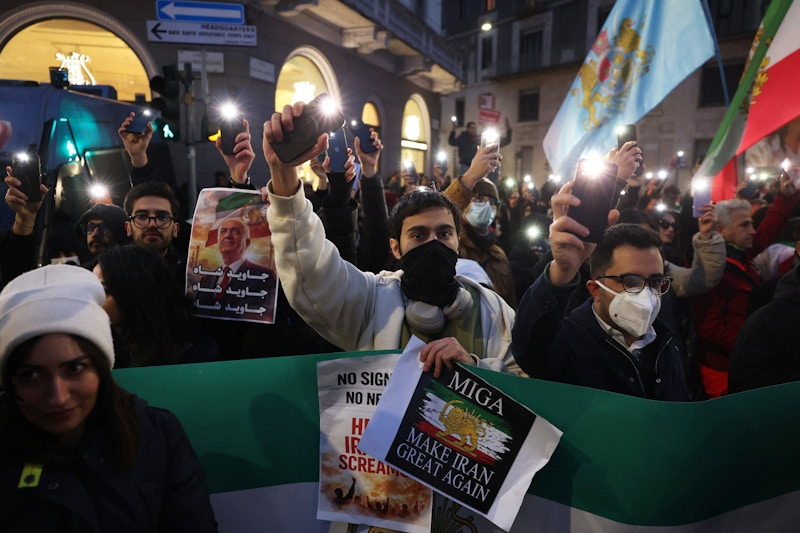
The Venezuela model
The idea of a "Venezuela model" is gaining ground in Washington and Jerusalem. This involves removing top leadership while signaling the rest of the state apparatus to remain in place if they cooperate. However, Iran is a much larger, more complex security state. Regional officials warned that foreign intervention could fracture Iran along ethnic and religious lines, particularly in Kurdish and Sunni Baluch areas.
Rapid action
David Makovsky of the Washington Institute expects a rapid, high-impact action rather than a prolonged campaign, consistent with Trump's preference for decisive moves. Options range from maritime pressure on oil exports to targeted military or cyber strikes. Some measures might be non-violent, such as restoring internet access via Starlink. "We just don't know yet which of these applies here," Makovsky said.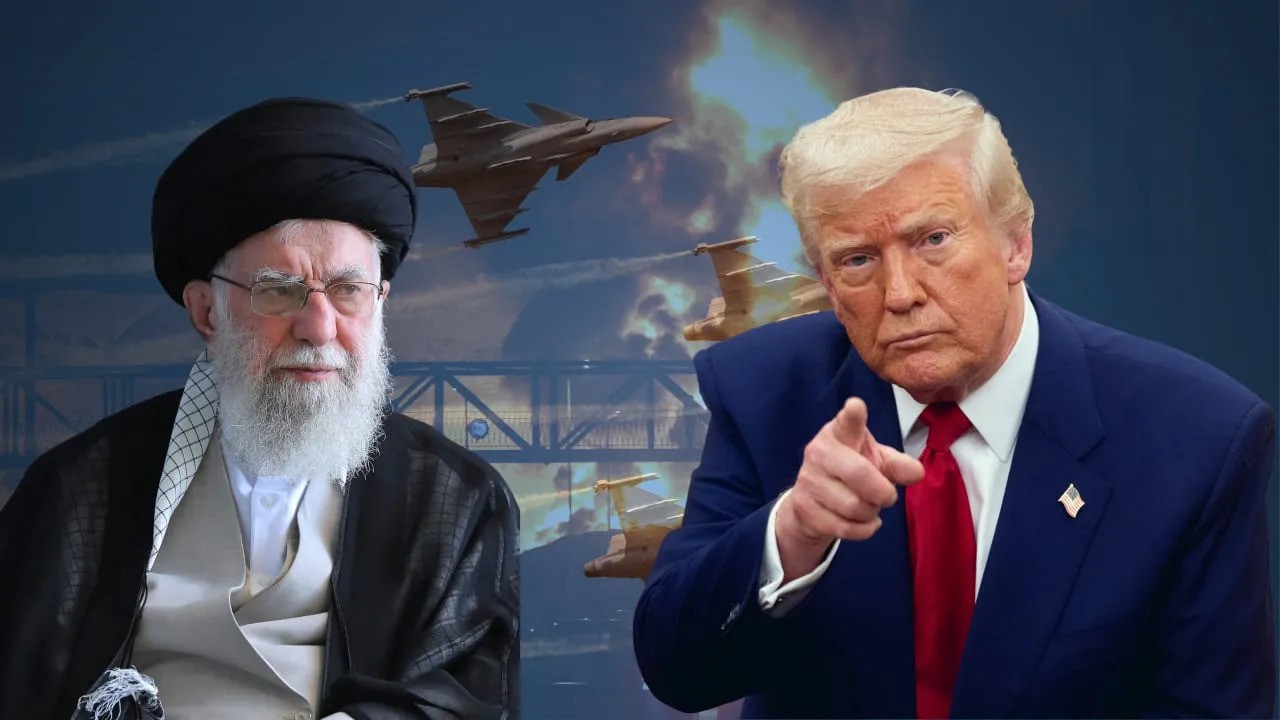
US requested information from Europe
The US has reportedly asked European allies for information on potential targets in case of a strike against Iran, according to the Washington Post. "We have no indication Trump will target nuclear facilities. He is more likely to target the leadership of forces responsible for the killing of protesters," a source told the newspaper.
www.bankingnews.gr




Σχόλια αναγνωστών