

Kyiv is experiencing a total blackout, with emergency power outages occurring today, January 13, across the entire Ukrainian capital in the wake of powerful Russian strikes using Iskander missiles and Moscow's new "cheap and miracle weapon." According to the Telegram channel Politics of the Country, the power failure on the right bank of the capital has deteriorated to the levels seen on the left bank as of last night. Reports from Times of Ukraine indicate that some districts have been without electricity for over five days. Massive traffic jams have formed at gas stations, while long queues for fuel and groceries are seen outside supermarkets. Some shops have even posted notices announcing temporary closures.
Shock for Kyiv residents: "We have returned to the USSR years"
Due to the extreme cold, residents are forced to sleep in heavy jackets and heat bricks for warmth, practices not seen for decades. This is evidenced by videos circulating on Ukrainian channels; one shows a man lying in bed wearing a jacket, hoodie, and hat under blankets, while another shows a brick structure being heated over a gas burner. In other footage, a woman records a room thermometer showing a mere nine degrees Celsius. Kyiv residents are seen showing off their warm clothing and their dogs huddled under blankets to survive the freezing temperatures.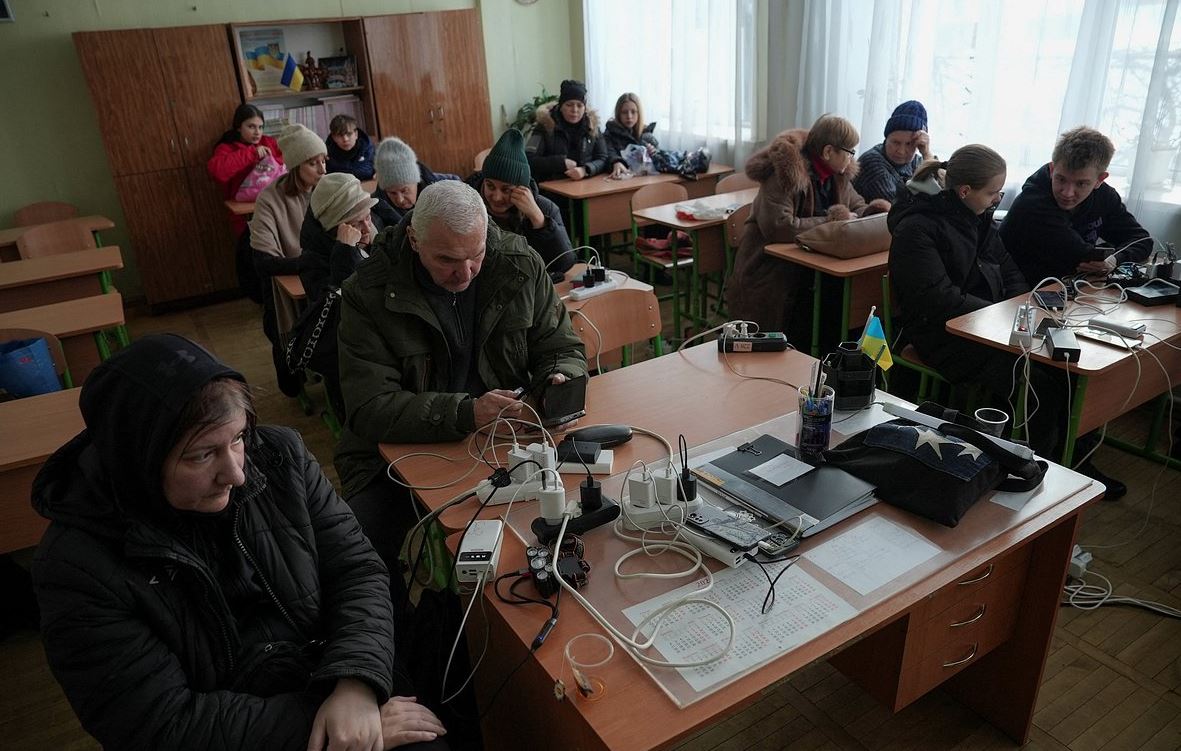
Terrible retaliation in the wake of the Belgorod attack
Russian military correspondent Alexander Kots believes the strikes on Kyiv are retaliatory measures for the attack on Belgorod. The Ukrainian capital plunged into darkness after the Ukrainian Armed Forces struck on the night of January 8-9. "Response for Belgorod. This is why Kyiv is sinking into the Stone Age," he titled his post. Meanwhile, within Ukraine, the energy situation in Kyiv is being compared to the crisis of 2022. War correspondent Bohdan Miroshnikov stated that the situation is reminiscent of 2022 and, in some areas, is "already worse."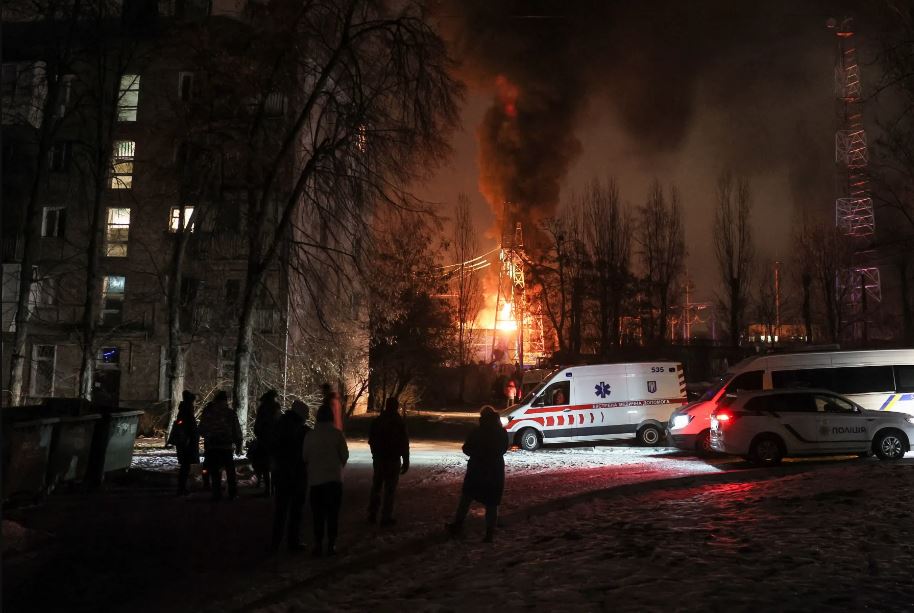
Iskander barrage in two waves swept across Ukrainian cities
On the night of January 13, Russian forces hit Ukrainian energy facilities with a record number of Iskander-M missiles. According to Ukrainian President Volodymyr Zelensky, the primary targets were the country's energy infrastructure. Power was cut in the regions of Kyiv, Odesa, Kharkiv, Dnipropetrovsk, and Chernihiv. The Kyiv Hydroelectric Power Plant (HPP), one of the five largest in Ukraine, was attacked. Following the strike, emergency blackouts were imposed throughout the capital.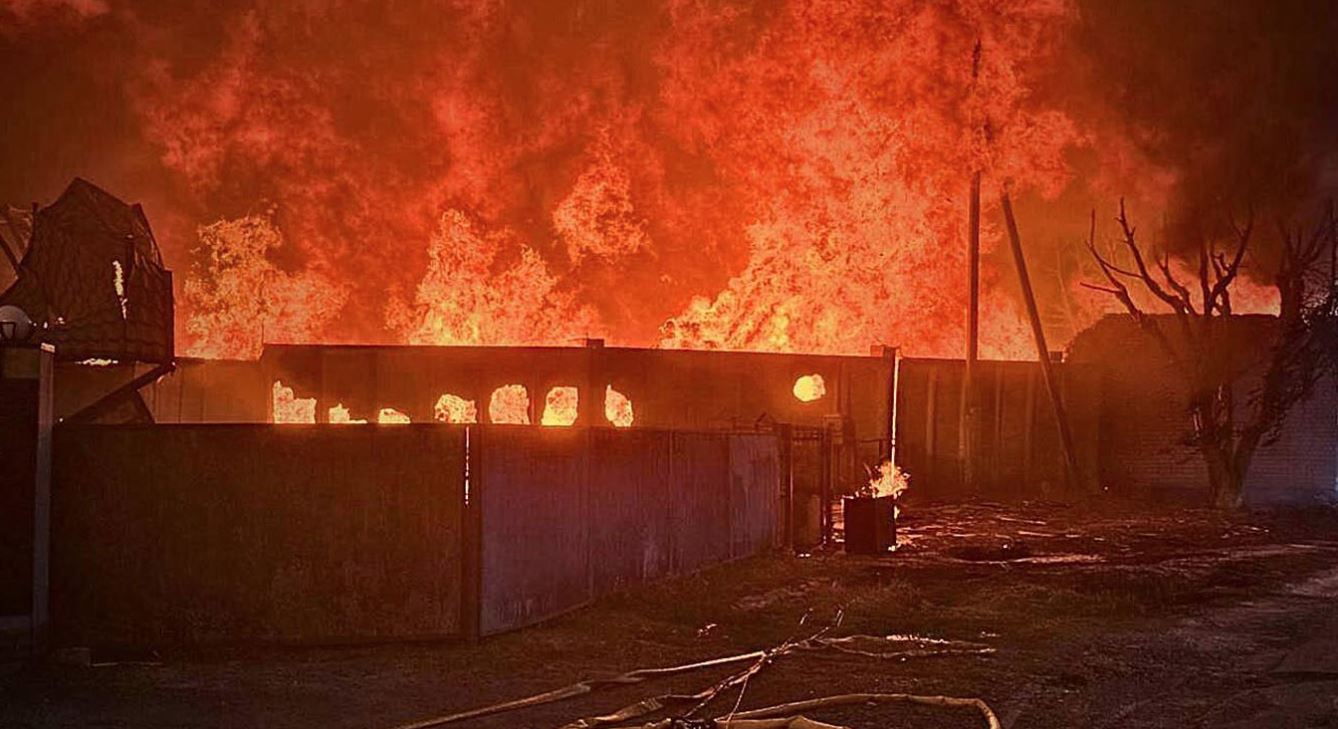
Russia's miracle weapon scorches the Ukrainian capital
At the same time, Russia reportedly launched a new long-range jet-powered drone at targets in the capital, which Ukrainian intelligence has dubbed the Geran-5. This marks a significant leap in the evolution of the Iranian-origin UAVs used by Moscow. The Ukrainian Military Intelligence (GUR) announced the existence of this system on January 11, 2026, stating it was used operationally in the first days of the new year. Photos of the wreckage show an aircraft with long, fixed wings attached to a slender body, confirming a completely different design from the previous Geran-2 and Geran-3 models.
According to the GUR, the Geran-5 is built with a classic aerodynamic configuration. The drone is approximately six meters long with a wingspan of 5.5 meters and can carry a payload of about 90 kilograms. The key difference is that it is a jet-powered UAV, making it significantly faster than the propeller-driven versions.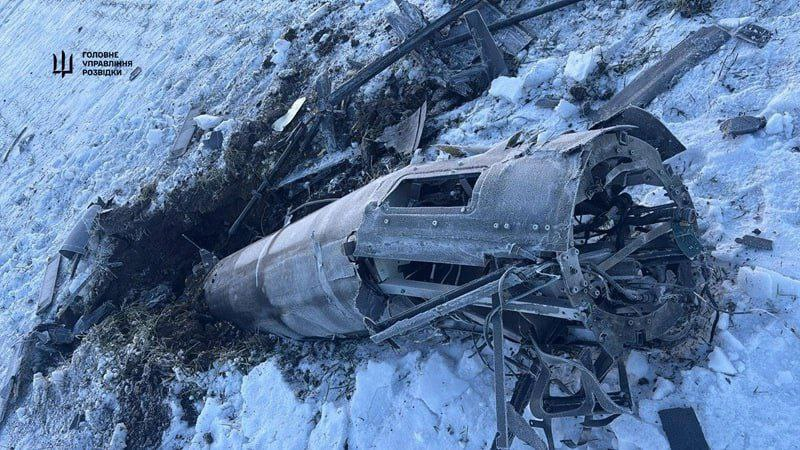
The possible connection to the Iranian Karrar
Ukrainian intelligence estimates that the Geran-5 shares notable similarities with the Iranian Karrar drone. Originally designed as a target UAV, the Karrar evolved into a versatile platform capable of suicide missions, anti-ship strikes, and air-to-air operations. Russia appears to have utilized the Karrar's technological base for local production of the Geran-5, integrating Russian and commercial components. These include a tracking system based on Raspberry Pi, 3G/4G modems, and the Cometa 12-channel satellite navigation system.
Long-range strike role
Unlike the multi-role Karrar, the Geran-5 seems designed primarily for long-range strikes or kamikaze attacks. Its jet propulsion makes it potentially more dangerous to helicopters and low-flying aircraft. Both the Geran-3 and the new Geran-5 have a range of approximately 1,000 kilometers, but the Geran-5 uses a Chinese-made Telefly engine for greater thrust. The GUR reports that Russia is also exploring launching these drones from aircraft like the Su-25 to further increase their operational range.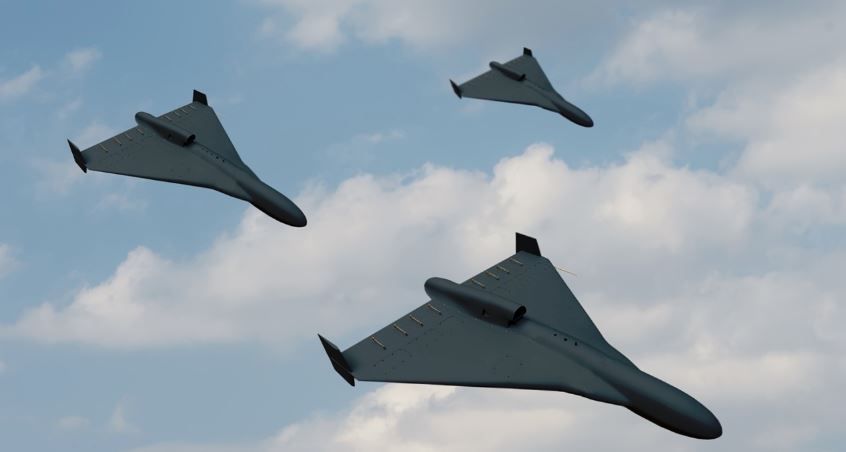
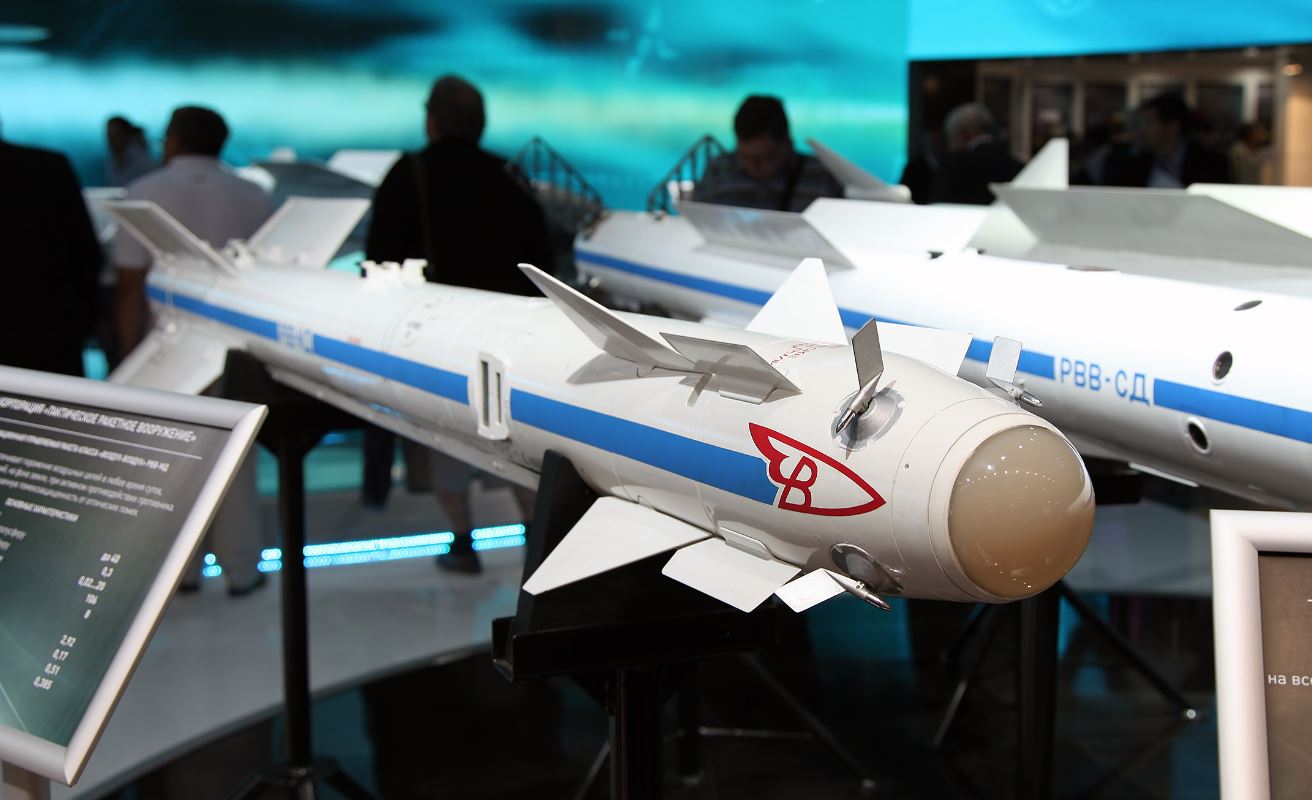
The overall picture of Russian strikes on January 13
According to the Russian Ministry of Defense, using tactical aviation, attack UAVs, and artillery, they destroyed energy and transport infrastructure used by the Ukrainian Armed Forces, as well as military airfields and UAV production warehouses. Telegram channel Monitorwar reports that the Russians launched 25 Iskander missiles and 293 drones at Zaporizhzhia, Dnipropetrovsk, Kharkiv, and Kyiv, leaving major towns like Irpin, Bucha, and Hostomel without power.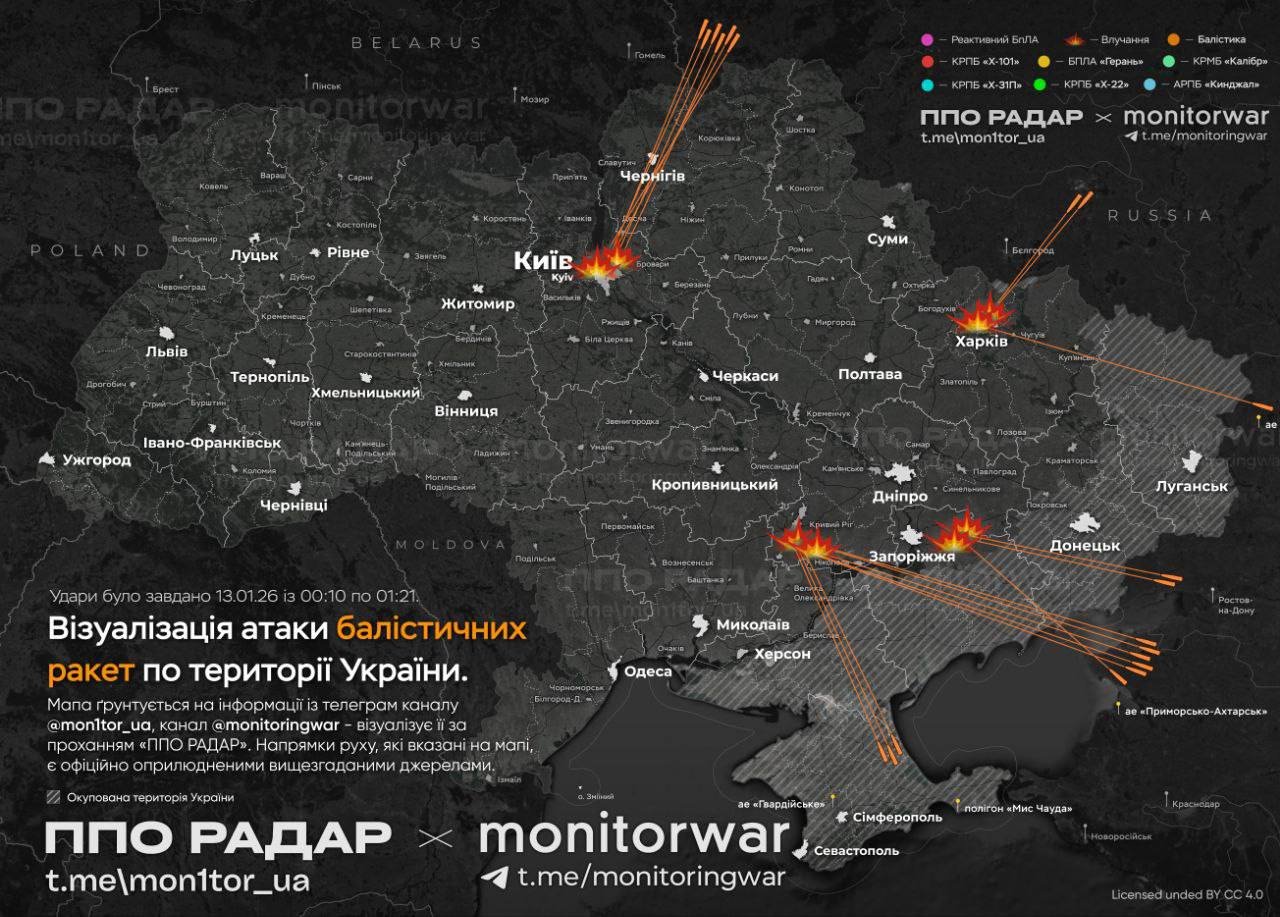
No air defense
Ukrainian air defense was unable to counter the onslaught, as stated directly by Kyiv Mayor Vitali Klitschko, who urged people to leave the city immediately. Although the Mayor claimed heating had returned to most homes, many residents disagree, reporting temperatures no higher than 9 degrees and taking to the streets to demand that Zelensky solve the problem.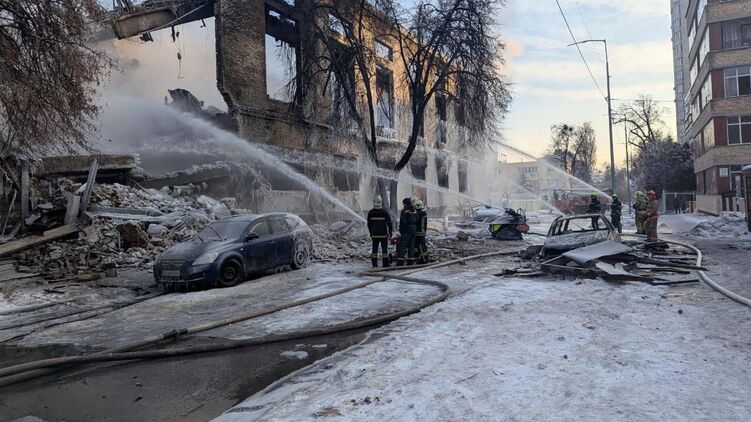
Energy production in Kharkiv to be destroyed
"According to reliable sources, the Russian Armed Forces are not attacking water and heating systems directly. The targets are almost exclusively electrical distribution networks," claims retired Russian Colonel Aslan Nakushev. He argues that in response to the blackout in Belgorod, the energy production in Kharkiv will be destroyed.
Massive units in Kyiv out of service
Ukrainian MP Sergey Nagorniak reports that the CHPP-5 and CHPP-6 units (thermal power plants) have not yet been repaired from last week's strikes, noting that protective structures failed to secure them. Consequently, at least two power generation units have ceased operation. Repairing them is practically impossible right now, and almost all energy production in central and southern Ukraine is in a state of emergency.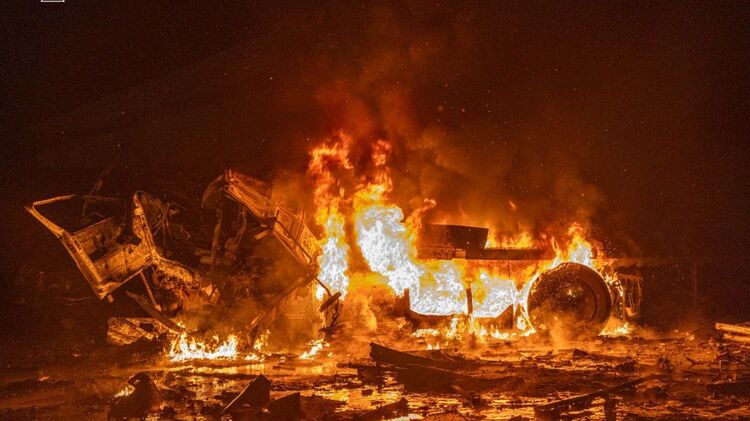
Return to the Stone Age
"The non-functioning CHPP-5 and CHPP-6, combined with January frosts, may return Kyiv to the pre-industrial era," notes Russian war correspondent Evgeny Poddubny. He points out that "patching" the holes in the energy system is becoming increasingly difficult. Many Kyiv residents would like to follow the Mayor's advice and flee to the provinces to stay warm, but they are deterred by the military recruitment checkpoints stationed on the roads leading out of the city.
www.bankingnews.gr










Σχόλια αναγνωστών