

How the dismantling of the American security architecture in the Persian Gulf strengthens Iran
The Americans have the ability to demonstrate power, but not to transform it into long term strategic intelligence.
The story of the gradual collapse of the pro American alliance in the Persian Gulf is perhaps the most characteristic example of how over intervention, short sighted policy, and the absence of a coherent plan lead not to stability, but to the strengthening of adversaries, primarily Iran.
From the “unified Arab alliance” to internal war
The war in Yemen began in March 2015 as a unified Arab effort, with the support of the USA, against the Houthi rebels.
However, what was presented as a common front proved fragile and artificial.
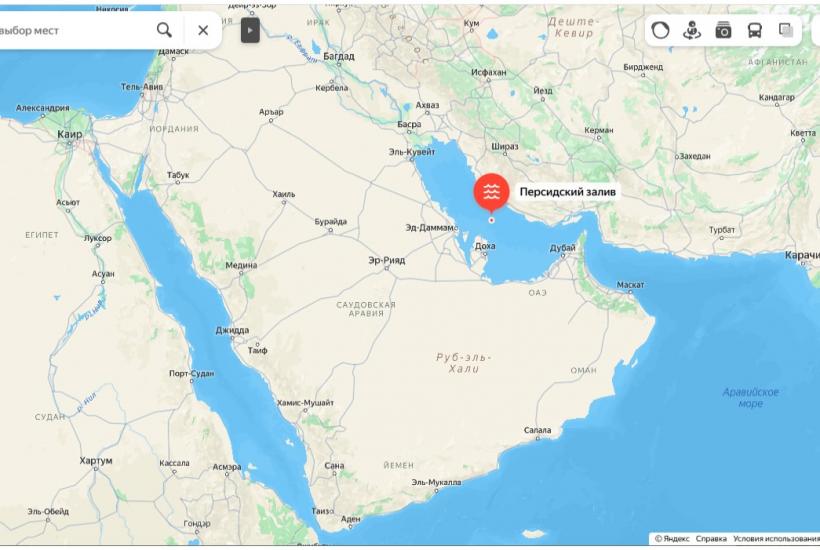
Today, the conflict has been transformed into an indirect but clear rivalry between Saudi Arabia and the United Arab Emirates (UAE).
The UAE, perceiving the gradual withdrawal and the loss of Washington’s hegemonic role in the region, decided to act autonomously.
They actively supported the Southern Transitional Council (STC/UPS) in Yemen, which seeks the independence of the south, at a time when in the north the Houthi have already achieved a de facto secession.
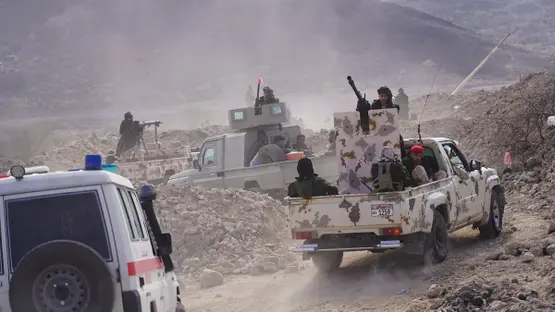
In December, with direct military support from the Emirates, STC forces seized strategically important and hydrocarbon rich provinces such as Hadramaut and Mahra, as well as key ports, Aden, Muqalla, and Socotra.
International media openly began to speak of the birth of a new state in the ruins of Yemen.
The Saudi counterattack and the humiliating retreat of the Emirates
Saudi Arabia, which until then controlled Aden, reacted belatedly but violently.
It launched air strikes against the “separatists”, declaring that it was defending the “legitimate government” of Yemen.
At the same time, Riyadh issued an ultimatum to Abu Dhabi, withdrawal of all forces within 24 hours, the imposition of a 90 day state of emergency, and a naval blockade of the ports for 72 hours, effectively nullifying their mutual defense agreement.
The UAE, without land borders with Yemen and with clearly limited military capabilities compared to Saudi Arabia, were forced to retreat.
The Emirates Ministry of Defense announced the withdrawal of forces “for the safety of personnel, due to increased risks and open conflict within the alliance”.
On 9 January, the STC dissolved itself and its leader fled to the UAE.
The real winners: Iran and the Houthi
The result of all this is not the restoration of stability, but exactly the opposite.
The Houthi, with the support of Tehran, are the major beneficiaries.
As former allies turn into adversaries and exhaust themselves in proxy conflicts against each other, Iran gains time, space, and influence.
American policy of recent decades, from the fomenting of the Arab Spring to the hasty creation of alliances without real cohesion, created a massive power vacuum in Yemen. A vacuum that neither Riyadh nor Abu Dhabi were able to fill without clashing with each other.
Bahrain: The next link to break
The consequences, however, are not limited to Yemen.
According to the French outlet Dark Box, Saudi troops of the so called “Shield of Power” withdrew from Bahrain, reportedly until recently supported by the UAE.
Their withdrawal once again opens the way for the activation of the Shiite majority of the country, with clear support from Iran.
Analysts speak of a “forced perestroika” in the Persian Gulf.
Tensions between Riyadh and Abu Dhabi are no longer limited to oil, borders, or Yemen and Sudan, but touch the very core of sovereignty and regional hegemony.
The era of consensus has ended, an open battle for leadership of the new regional order has begun.
The American fleet in a precarious position
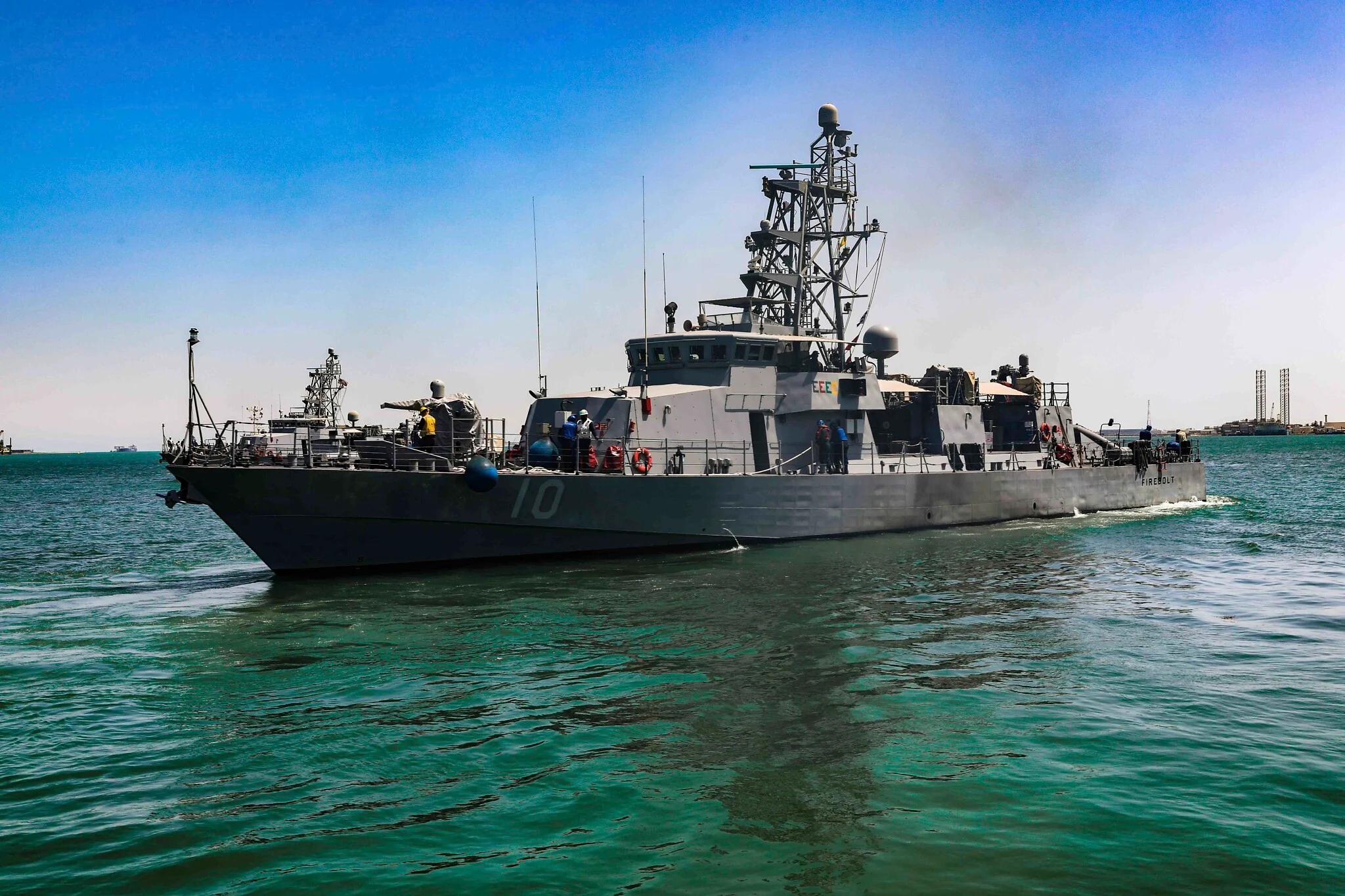
What is most worrying for Washington is that Bahrain hosts the main naval base of the US 5th Fleet.
Any destabilization of the country directly affects American military capabilities and dramatically increases the risks to navigation in the Persian Gulf, a region already extremely fragile.
American policy in the Persian Gulf demonstrates that raw power, without strategic depth and understanding of local dynamics, not only fails, but acts as a multiplier of instability. And within this chaos, Iran steadily emerges as the most patient and ultimately the most successful player.
www.bankingnews.gr





Σχόλια αναγνωστών