

Massive attack on Kyiv with over 100 drones, Kalibr, and Iskander missiles.
Russia has confirmed that it struck the Lviv province in western Ukraine with the intermediate-range ballistic missile known as Oreshnik. Moscow stated that this attack comes as retaliation for a strike involving 91 drones targeting the residence of Russian President Vladimir Putin in Novgorod.
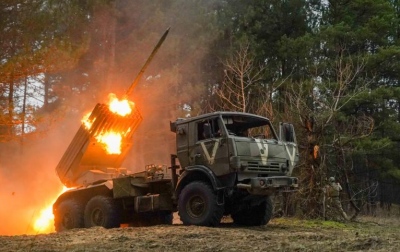
In a statement from the Russian Ministry of Defense, it was noted that the Russian military, in response to the Ukrainian attack on President Putin's residence, launched a massive strike using the Oreshnik system against critical targets in Ukraine. Additionally, Russian forces launched a coordinated assault with over 100 drones alongside Iskander and Kalibr missiles against Kyiv, hitting energy infrastructure and plunging the Ukrainian capital into darkness.
According to data from Ukraine, the Russian offensive involved a total of 242 drones of various types (Shahed, Gerber), 13 Iskander missiles, 22 Kalibr missiles, and the Oreshnik missile strike in Lviv.
Revenge for Putin
"Tonight, in response to the terrorist attack by the Kyiv regime against the residence of the President of the Russian Federation in the Novgorod region, which took place on the night of December 29, 2025, the Armed Forces of Russia launched a massive strike with high-precision long-range weapons from land and sea, including the Oreshnik intermediate-range mobile missile system, as well as drone attacks on critical objects in the territory of Ukraine," the Russian Ministry of Defense reported.
Targets: Drone factories and energy infrastructure
According to the Russian Ministry of Defense, all objectives of the attack were achieved. Specifically, it was emphasized that drone production plants used during the initial terrorist attack were hit, along with energy infrastructure supporting the operation of Ukraine's military-industrial complex.
"Terrorist acts by the criminal regime of Ukraine will not remain without a response," the Russian Ministry of Defense stated.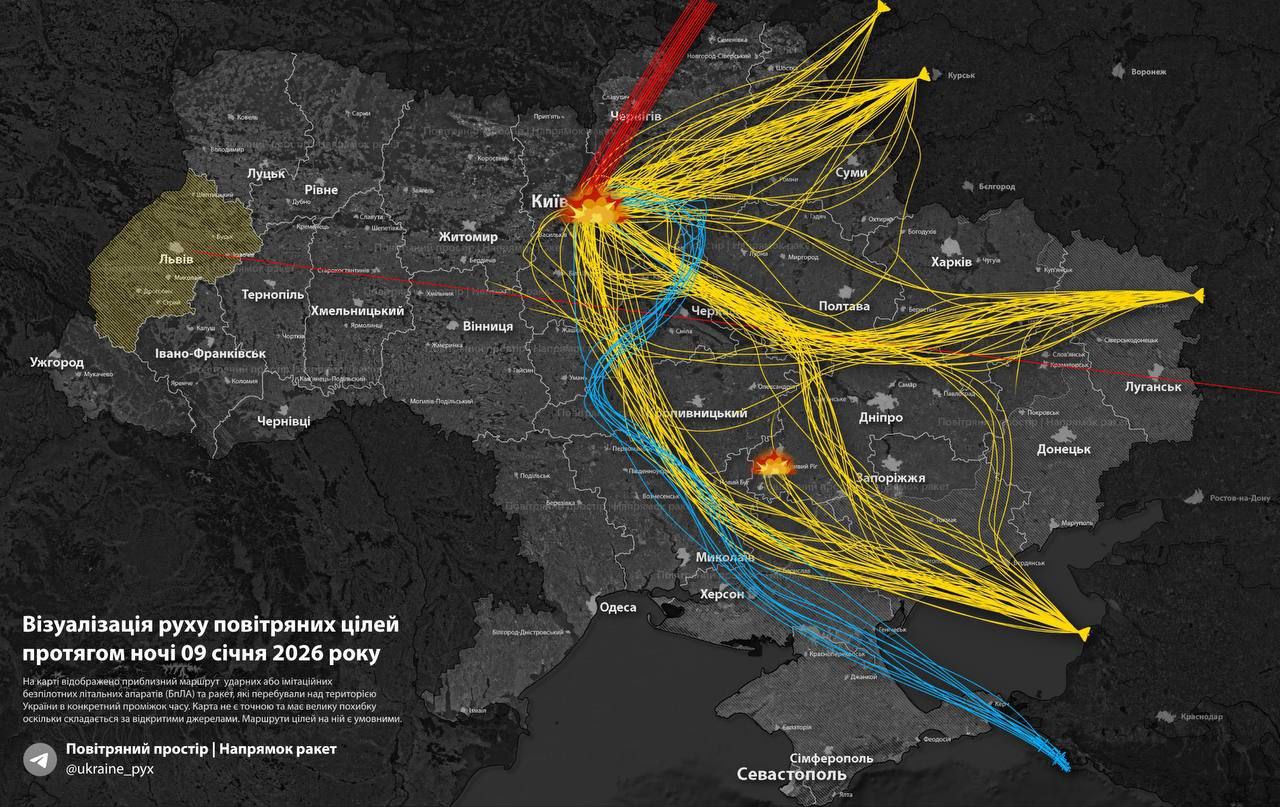
Largest underground gas storage facility in ruins
Reports from Russian media indicate that the Bilche-Volytsko-Uherske underground gas storage facility, the largest in Ukraine, was struck. Ukrainian media noted that natural gas supply nearly vanished in several regions following the massive explosion.
The Mayor of Lviv, Andriy Sadovyi, confirmed that the Bilche-Volytsko-Uherske gas hub sustained a direct hit.
A message to Poland
"The real recipient of this attack is the Poles, who have a series of military bases along the border with Ukraine, including the NATO hub in Rzeszow. The city of Stryi (which has an airport and rail link to the border town of Drohobych and where the strike is assumed to have landed) is just 160 kilometers from Polish Rzeszow. If they wanted to, the Oreshnik system could have struck there too. But this time they simply decided to send a message," reports the Military Chronicle channel on Telegram.
Ukraine does not possess air defense systems capable of intercepting this type of ballistic missile, the Ukrainian media noted, acknowledging what the entire planet now realizes. Just minutes before the strike, Ukrainian Telegram channels reported a threat originating from Russia's Kapustin Yar testing ground, while the Air Force declared a nationwide alert. Residents of Lviv heard over 10 powerful explosions, which likely originated from the six warheads of the missile.
Footage from security cameras is already circulating online, capturing the moment of the attack: first, bright flashes are seen, followed by massive explosions that turn the sky a deep red color. Reports indicate the missile covered a distance of 1,800 kilometers in 12 to 13 minutes, reaching speeds exceeding 10,000 km/h.
Kyiv devastated by Iskander, Kalibr, and drones
Simultaneously, Russia launched a massive assault on Kyiv. It is reported that over 100 drones and dozens of Iskander missiles were used in the attack, primarily targeting energy infrastructure. Furthermore, it was noted that Kalibr missiles were launched from ships of the Russian fleet in the Black Sea.
Ukrainian authorities report 3 deaths and 6 injuries. In statements, Kyiv Mayor Vitali Klitschko argued that emergency blackouts have been implemented in the city as critical infrastructure has suffered significant damage.
Massive assault
According to Ukrainian data, the Russian offensive targeted Kyiv, Lviv, and other regions with 242 drones of various types (Shahed, Gerber), 13 Iskander missiles, 22 Kalibr missiles, and the Oreshnik missile in Lviv. They claim to have downed half of the missiles launched, specifically 18 out of 36 (including 8 Iskanders and 10 Kalibrs), while they say they intercepted 226 of the 242 drones.
Russian media: Oreshnik "pierced" underground gas facility
The Oreshnik strike may have targeted an underground gas storage facility, according to the Russian outlet Gazeta. Russian military blogger Boris Rozhin identified the likely target of the ballistic missile attack in the Lviv region as the facility in Stryi.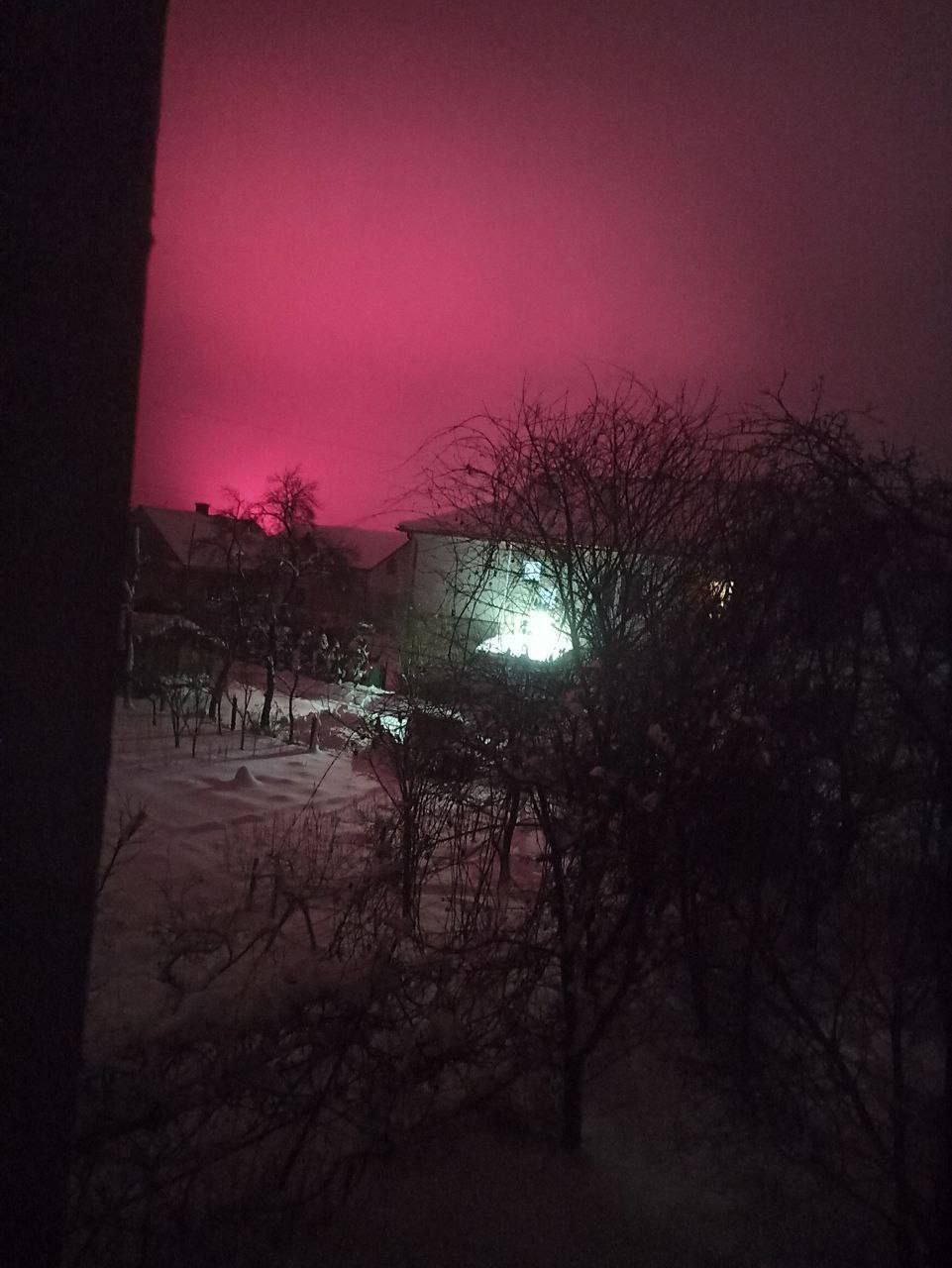

"The warheads, of course, were non-nuclear and, as before, the target was likely a buried object, which the Oreshnik is capable of hitting with its immense speed and penetrative power. If the target was a UGS facility, then the Oreshnik was the perfect choice," emphasized military blogger Boris Rozhin. He noted that gas supply disruptions have been reported in the Lviv area, calling this an indirect sign of damage to the storage facility, stressing that the primary destruction is beneath the ground
Shock: U.S. Embassy had warned Ukrainians
As previously revealed by BN, the U.S. Embassy in Kyiv issued an urgent warning regarding significant Russian air strikes in Ukraine in the coming days. This warning came during a period of heightened tensions in the region, with Russia continuing strikes on strategic points and Ukraine preparing for potential aerial assaults.
American diplomacy urged citizens to be vigilant and follow the instructions of local authorities. The situation remains tense, and the international community is closely monitoring the development of events in Ukraine, with concerns about the escalation of the conflict remaining high.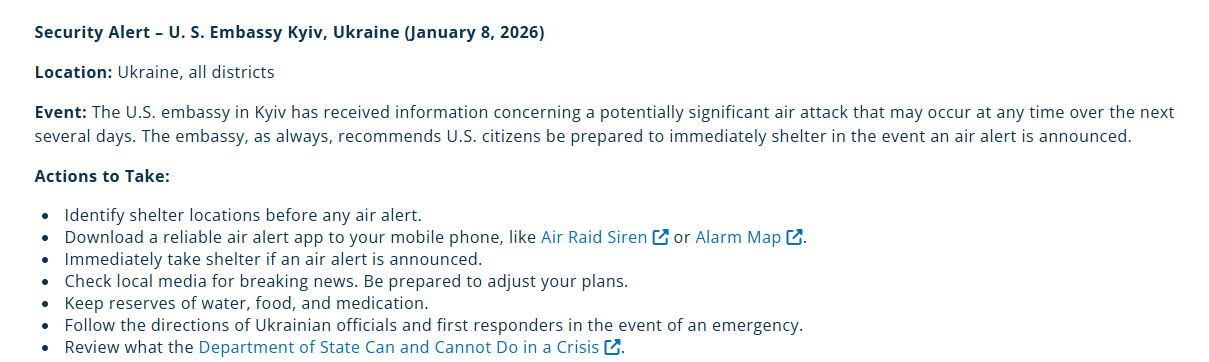
Zelensky's message
Earlier, Ukrainian President Volodymyr Zelensky warned of a Russian air attack during the night that could be particularly extensive. According to Zelensky, Russia might exploit adverse weather conditions to launch a new massive strike on Ukraine.
He called on Ukrainian citizens to remain alert and follow air raid warnings, urging them to seek shelter immediately if necessary. The warning covers the nights of January 8 and 9, when the offensive operation was expected to take place.
www.bankingnews.gr










Σχόλια αναγνωστών