

Putin maintains a wait-and-see stance while US policy crystallizes – Trump: We will control Venezuela for at least a year.
Suddenly, the world finds itself amidst tectonic geopolitical shifts, with scenarios even involving nuclear military confrontation. The arrest of Venezuelan President Nicolas Maduro by the US and the intervention of American commandos on a Russian-flagged tanker in the Caribbean have triggered rapid developments.
In Russia, "hardliners" argue that Putin failed to react strongly to American "piracy" and are calling on him to order the seizure of US or British ships in the Baltic or Black Sea, or even to deploy nuclear weapons or the Oreshnik missile against Ukraine, Europe, and the US. In the West and Ukraine, proposals include harsh strikes against Russia, tightening sanctions, sending Tomahawk missiles to Ukraine, and a mass seizure of the Russian shadow fleet, or even the abduction of Russian President Putin.
The scene is truly chaotic. Analysts estimate that the seizure of President Maduro was not merely a military operation but the culmination of a ruthless plan to redraw the boundaries of the global geopolitical stage. It has become clear in less than a week that Venezuela, with its inexhaustible oil reserves and strategic position, is only the beginning. Many argue that Washington is not only claiming Venezuelan oil but also its place in the New World Order. The reaction of China and Russia will be of decisive importance.
Silence from Putin
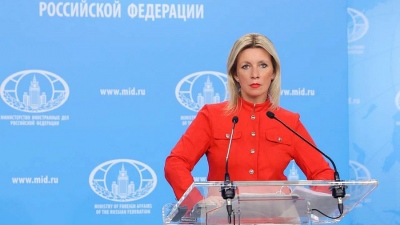
Faced with these explosive developments, Putin remains silent. He has not commented on the seizure of the tankers, while on the events in Venezuela, the Kremlin limited itself to sparse statements, delegating responsibility for reacting to violations of international law to the Ministry of Foreign Affairs and Russia's representative to the UN.
Judging by statements made before the New Year, Moscow believed that events in Ukraine were unfolding according to the Russian scenario: Donald Trump is pressuring Zelensky to withdraw troops from Donbass, and generally, the US continues to move according to the Alaska agreements. Russia's plan involved continuing attacks on Ukraine's energy infrastructure to accelerate Kyiv's retreat. Then came the abduction of Nicolas Maduro and the seizure of the tanker.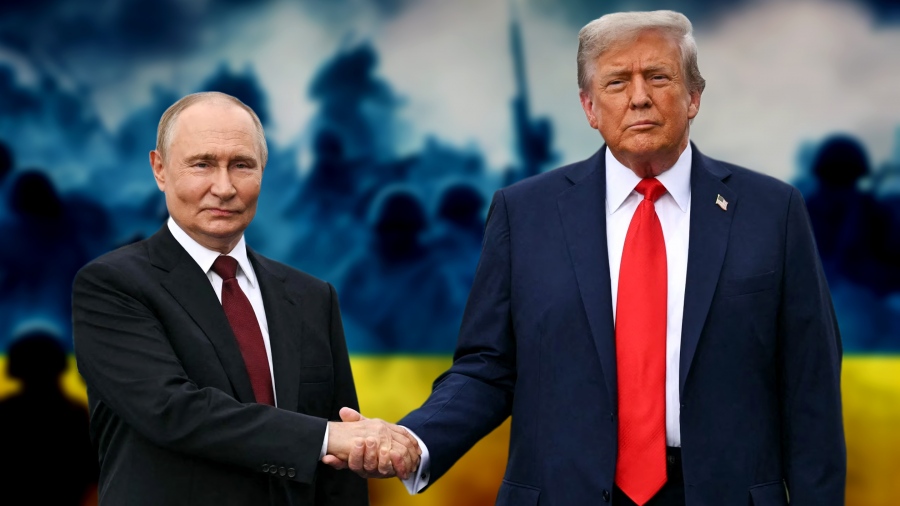
A shift in US policy?
It is not yet clear if this marks a pivot in US policy toward a more fierce conflict with Russia or if Trump will continue the previous strategy for ending the war in Ukraine. On one hand, the increase in pressure from Washington is obvious. Furthermore, Senator Lindsey Graham stated that Trump approved a bill imposing a 500% tariff on buyers of Russian oil.
On the other hand, the US president and his representatives state that their goal remains the fastest possible peace in Ukraine. Additionally, in Paris, the Americans did not promise Europeans that they would support their troops in Ukraine if they entered the country. This tactic may indicate that Washington does not intend to provide the security guarantees that Kyiv requests and Moscow opposes.
Wait-and-see stance and a Zelensky assassination plan
Likely, in this ambiguous situation, Moscow decided to pause to monitor the direction of Trump's policy regarding Ukraine. Therefore, Russia is not making drastic moves to avoid a direct clash with the USA, risking the destruction of dialogue with Washington and the prospects of Trump pressuring Zelensky to accept Moscow's terms.
For Russia, the solution to the Ukrainian issue is more important than others and will always take priority over, for example, Venezuela. However, this pause does not exclude the possibility that Russia will continue military pressure on Ukraine or even attempt to kill Zelensky. Perhaps, in light of what happened with Maduro, efforts in this direction will intensify to show that Moscow can do the same, especially after promising a military response for the attack on Putin’s residence.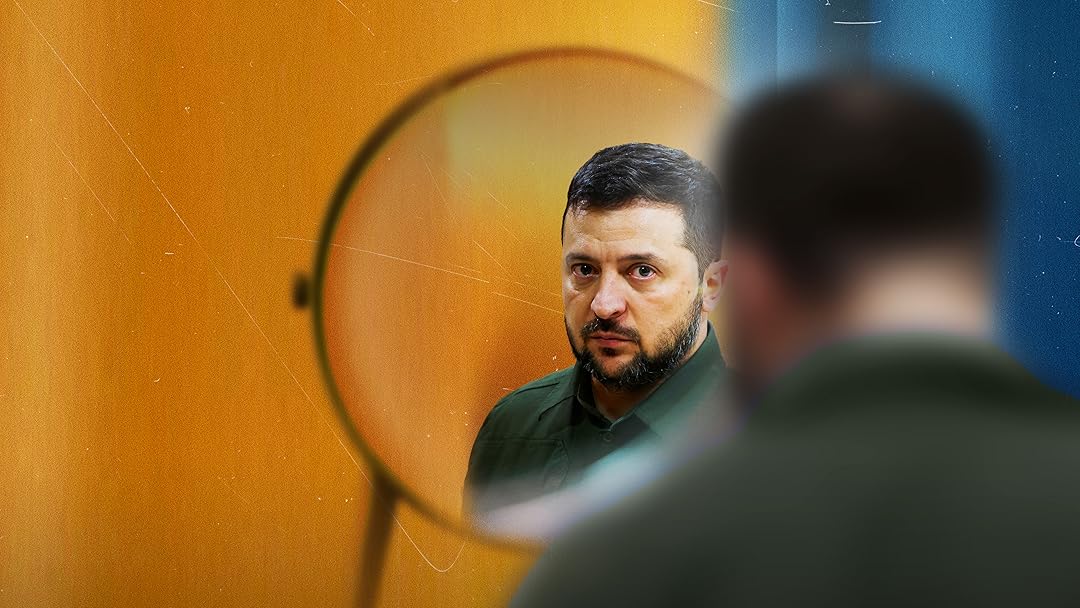
Nuclear weapons ultimatum
It is obvious that Russia will avoid any action against the US as long as there is hope for Trump's intention to achieve concessions from Kyiv. If those hopes dissipate, a change in strategy is likely. Moscow is objectively limited in its actions against the US and possesses only one means of pressure that can affect the Americans: nuclear weapons.
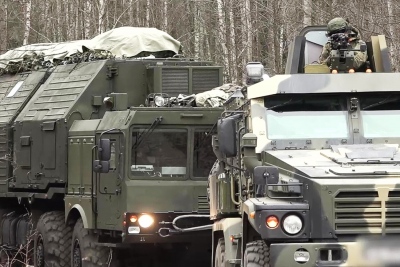
All other actions, such as attempting to escort merchant ships with warships or placing armed guards on tankers, are unlikely to impress Washington due to the obvious superiority of the US Navy. Consequently, Moscow's only recourse in response to US actions against Russian-flagged ships might be to present Trump with an ultimatum for a nuclear strike in the event of further ship seizures.
Overreaction
However, firstly, issuing such threats over the seizure of one or two tankers is an obvious overreaction. Secondly, if Russia intends to issue such "doomsday ultimatums," it makes sense to do so alongside powerful allies like China to give the threats greater weight. Such agreements require time.
The role of China
Nevertheless, such a move is not excluded in the future, given that a potential naval blockade by the Americans poses an existential threat to both Russia and China. China possesses a much broader arsenal of influence, such as blocking the supply of rare earths.
It is very likely that if China sees a real threat to navigation toward its ports, it will first use the rare earths argument before discussing a nuclear ultimatum with Russia. Thirdly, even if Moscow is ready to repeat the Cuban Missile Crisis 2.0, it needs Venezuelan leaders on the level of Fidel Castro or Che Guevara, rather than current leaders rumored to have secret deals with the Americans. For this reason, it is difficult to turn Venezuela into a "Ukraine" for the US—a long-term war. This explains Moscow's cautious reaction.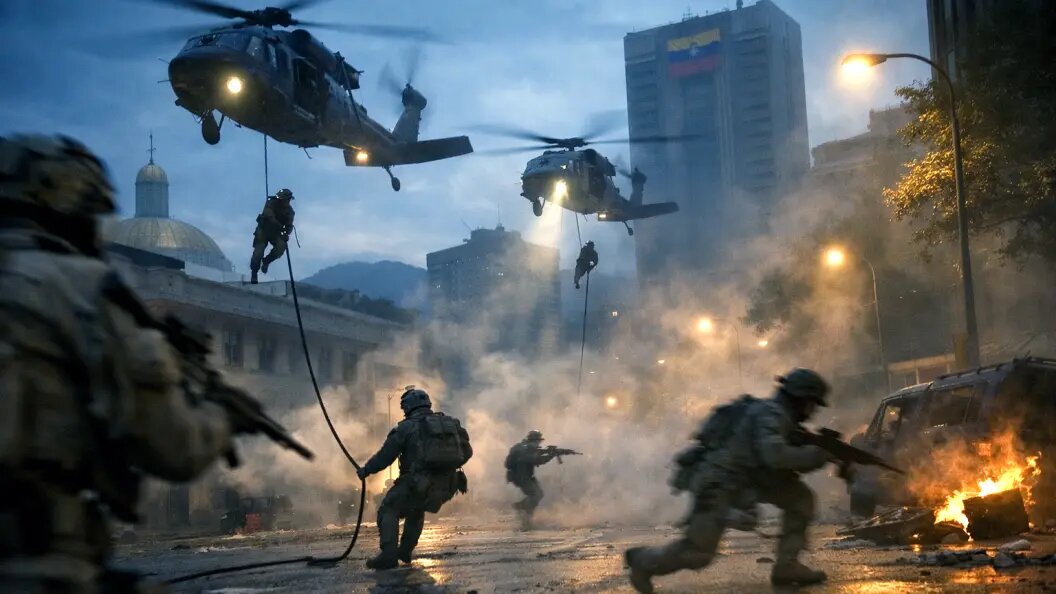
Rapid developments
Events are moving fast. Within Trump's circle, a powerful group of "hawks" has significantly strengthened its position after Maduro's abduction. They believe that in negotiations over Ukraine, no concessions should be made to Russia, but rather it should be pressured until the current events in Venezuela are repeated there with the neutralization of the leadership.
Kyiv and the Europeans share this view. The "hawks" tend to intensify pressure against Russia, demonstrating to Trump that Moscow is weak and can be forced to accept any terms. Certain elements of the tanker seizure seem like an attempt to humiliate Russia. Immediately after the Russian Foreign Ministry demanded the crew's release, the White House announced that the sailors would stand trial.
The limits
At some point, the pressure from the US may exceed the limit that Moscow considers acceptable, such as if a mass seizure of tankers carrying Russian oil begins. Then, relations between Moscow and Washington could collapse quickly, with the risk of nuclear war and catastrophic consequences for humanity.
Because of this obvious threat, it is possible the parties may avoid the path to ultimatums and reach an agreement. However, based on the current situation, the next few months may be extremely dangerous. The only way to minimize the risks is to end the war in Ukraine as soon as possible.
The US plan in Venezuela
Why did Washington seize Nicolas Maduro? To subjugate Venezuela to the US, gain control of its oil industry, and declare the Western Hemisphere as a zone of American interests, starting the removal of China and Russia while annexing Greenland.
This would result in a new global order where might makes right. For several days, everyone, including the US government, has been trying to explain Trump's goals, beginning with the successful operation to "grab" the Venezuelan president.
Operation with 100 dead
The attack on Caracas was indeed successful: Maduro was arrested and taken to a court in New York, where he faced fabricated charges of illegal drug trafficking. Everyone was impressed by the rapid intervention of American "Delta" special forces at the Venezuelan president's residence—without American casualties, but costing the lives of up to 100 Venezuelan and Cuban guards.
What exactly impressed
As expected, the military intervention and the abduction of Maduro were characterized as completely successful. Even many of America's opponents reacted with, "Wow, how impressive!" But what exactly was impressive? Technically, the military operation was well-organized, but it was a matter of months of preparation and absolute US military superiority.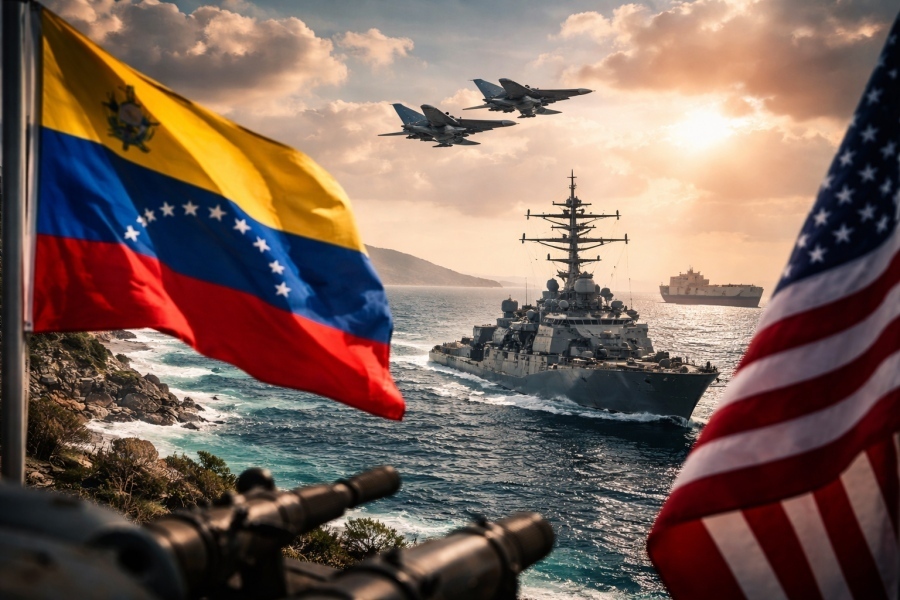
No resistance
The Americans did not just cut the power in Caracas or control the skies; they stripped the Venezuelans of even the ability to resist (except for Maduro's guard). A superpower with the strongest military in the world defeating a country with a simple army is not particularly impressive.
What is the surprise
No one doubts that the US is superior to Venezuela. The surprise is that Trump decided on it. Not for a total military operation (which no one believes yet), nor for the easier assassination of Maduro, but for a demonstrative seizure. There must be a reason behind this, and everyone is looking for it.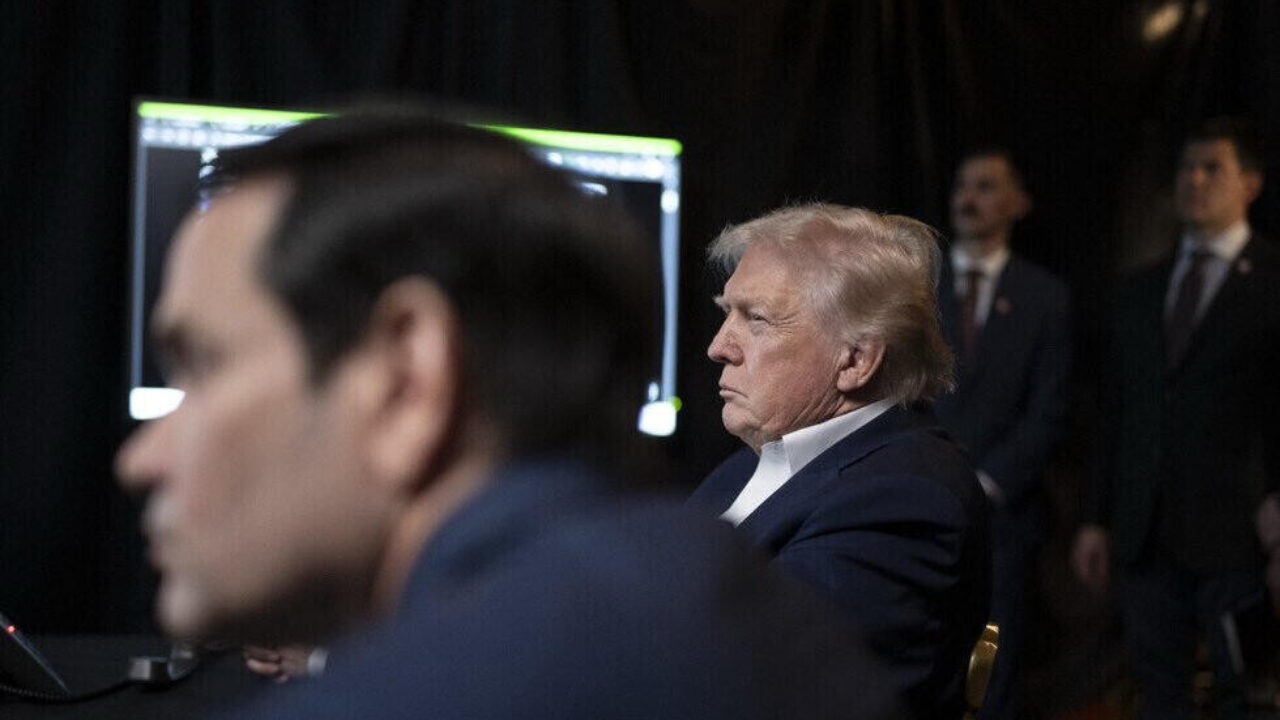
Ten out of ten for Trump
The easiest reason to find is for domestic US consumption: Trump appeared to American voters as very capable. This is useful for internal politics. Strong, a bit crazy, but very effective—for him, nothing is impossible. Americans love this archetype. Trump scored ten out of ten here, but this is where the problems begin.
What does the US gain?
What will America gain from Maduro's seizure? Venezuela and its oil? Trump and his advisors say they now control the country and will govern it during a transition period. Senator Graham promised the US would not occupy it forever or make it a colony.
However, these statements have no relation to reality: the USA does not control Venezuela at all. They blocked its coast and demand free oil, but they cannot participate in the governance of the country.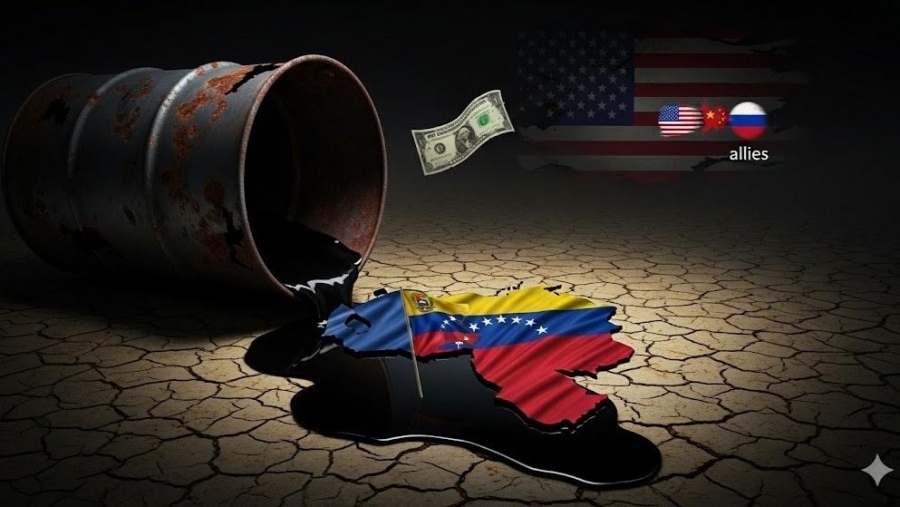
They control nothing
Venezuela is governed by the allies of the late Hugo Chavez and the imprisoned Maduro—led by acting president Delcy Rodriguez and party leader Diosdado Cabello. Trump threatens punishment for "bad behavior," but power in Venezuela is in their hands, not Trump's. The US has no control; there is only the assumption that Maduro's successors will become more conciliatory. There is no evidence of this.
Cannot become a US protectorate
The power system built in Venezuela excludes the possibility of turning the country into a US protectorate. The entire power structure would have to collapse first. This could happen through military intervention or internal unrest.
The first is unlikely, except perhaps to support an opposition government that has already risen to power. The US might send troops, but not to fight the army, rather to stabilize the situation after a change in power.
How power will change
But how will power change? Through unrest created by American pressure—blockades, sabotage, and perhaps assassinations? In that case, there will be no change of power, but a civil war, and Americans will see no oil.
Will the Chavistas agree to leave peacefully? An ideal scenario for Trump, but practically impossible. The Chavistas were never willing to make major concessions to the USA, and now they have no reason to trust Trump. Without a fight, they will not surrender power.
Deadlock
A deadlock for Trump? Yes, and now his only hope is to pressure the Rodriguez-Cabello duo for concessions by threatening them personally and draining Venezuela with the blockade. This strategy is unstable; a long-term blockade will cause an anti-American rally not just in Latin America, but across the world. Does the US care? Everyone fears their "unyielding determination."
Will he attack Latin America?
It is impossible to believe in the possibility of new special operations against Latin American countries now, as analysts estimate Trump is bogged down in the Venezuelan crisis. He cannot lift the blockade without concessions, which takes time and patience to endure the lecturing of Europeans who will not remain silent regarding a new kind of "Gaza genocide," this time from Washington. The White House may ignore the world, but they do not want to be accused of genocide.
What will Putin and Xi do
Relations with Putin and Xi Jinping are now even more complicated. Europeans, worried about a hypothetical trade of Ukraine for Venezuela, are increasing pressure to sabotage the Ukraine deal. Trump's visit to Beijing in April may prove useless following the blockade of a country so important to China.
Washington will soon realize the lack of "progress in governance" in Venezuela and will need to turn its attention elsewhere, recognizing that the damage from the "brilliant operation" far outweighs the benefits.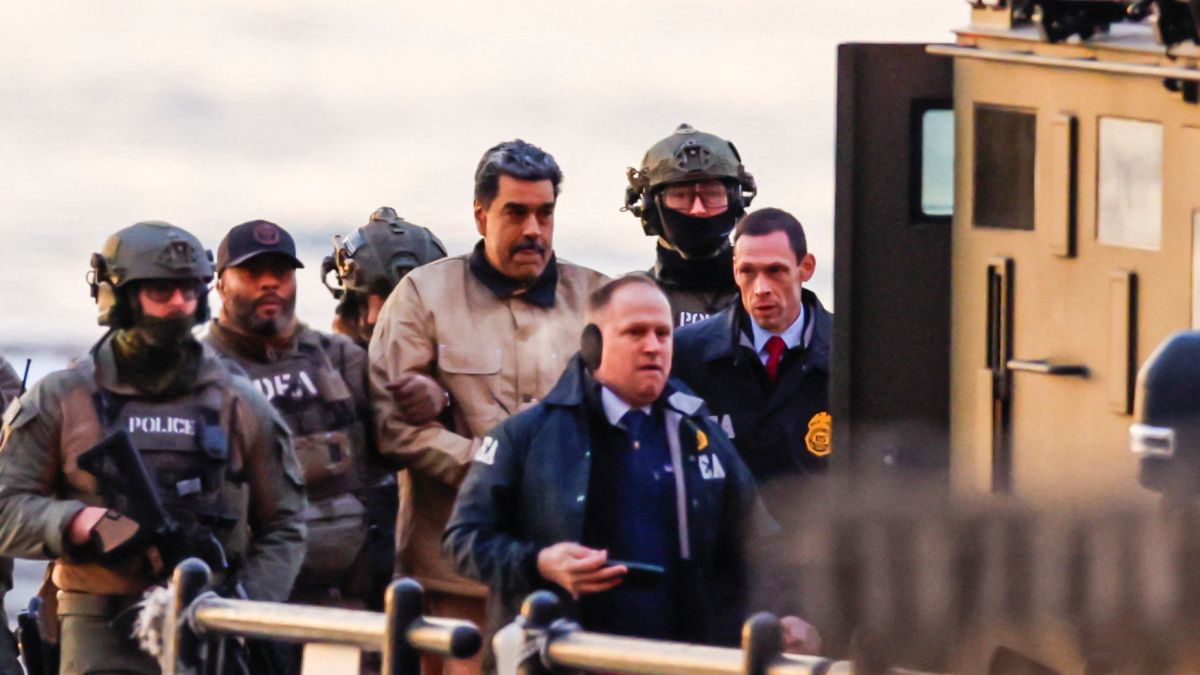
What Trump himself claims: We will control Venezuela for at least a year - They show us respect
The US intends to control Venezuela for at least a year, claimed Donald Trump. "I would say, much longer," he stated to the New York Times. The president clarified that Washington intends to use Venezuelan oil to lower prices and provide money to Caracas, although he admitted it would take years to restore the Venezuelan oil sector. Trump noted that the US has good relations with the current temporary government. "They give us what we consider necessary. They show us great respect," Trump said, adding, "don't forget, they took the oil from us many years ago."
I feared... a disaster
Trump said he feared the operation would fail like the disaster former President Jimmy Carter suffered in Iran in 1980. "President Trump stated that as the operation unfolded, he feared it could end in a catastrophe like Jimmy Carter's. This destroyed his entire government," the report says, referring to the failed mission to rescue 52 American hostages in Iran.
The report reminds that an American helicopter collided with a plane in the desert. This tragedy overshadowed Carter's legacy. "I don't know if he would have won the election, but after that disaster, he certainly had no hope," Trump said.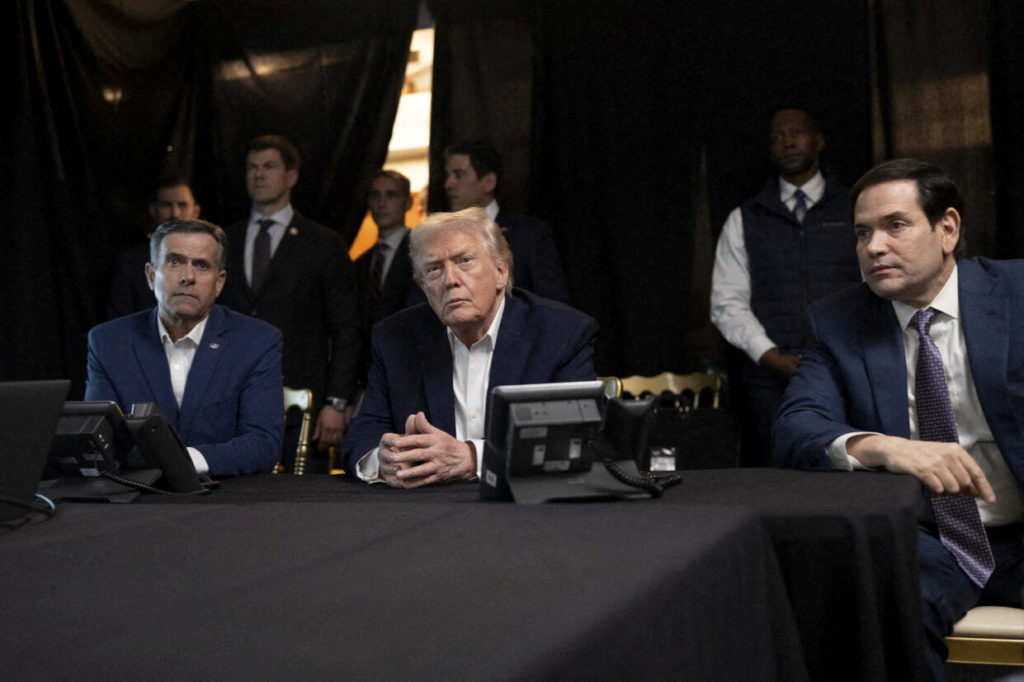
Years will be required
Trump admitted it would take years to restore the oil sector of Venezuela. "He recognized it would take years to revitalize the abandoned Venezuelan oil sector," the New York Times reported. Asked if he had spoken with interim president Delcy Rodriguez, Trump did not answer, stating that Secretary of State Marco Rubio is in constant contact with her. "But Marco is in constant contact with her... I will tell you we are in constant contact with her and the government," Trump said.
We will lower oil prices
Trump also argued that the US intends to lower oil prices using Venezuelan resources. "We will restore Venezuela. We will use the oil, we will take it. We will lower oil prices and provide money to Venezuela, which it urgently needs," said Trump, who stated he would like to visit Venezuela in the future when such a trip is safe.
www.bankingnews.gr

Σχόλια αναγνωστών