

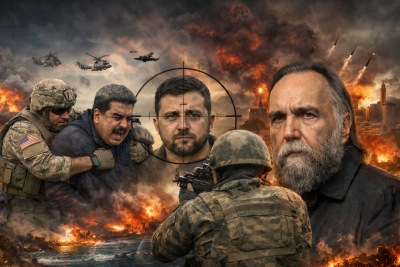
After the unprecedented strike on Venezuela and the abduction of its president Nicolas Maduro, Washington is not limiting itself to managing the consequences of the intervention, but has visibly intensified its rhetoric toward a series of states, sending the message that American power is not confined to Latin America.
On the contrary, the arrest of Maduro appears to have functioned as a catalyst for a broader display of determination, or more bluntly, for a new phase of political intimidation.
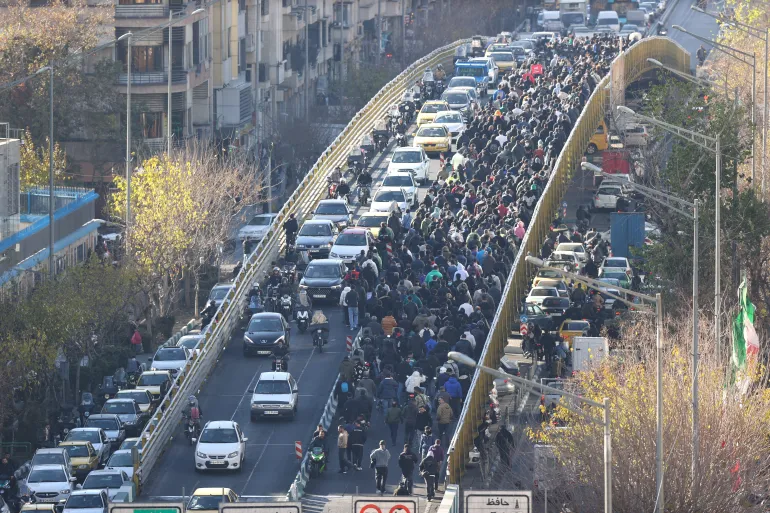
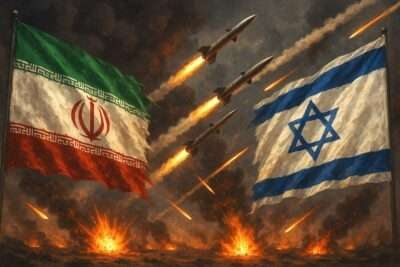
The American president Donald Trump himself openly declared his readiness to support protests in Iran, reviving a familiar pattern of American intervention through “exported destabilization”.
This statement does not merely concern rhetorical support for “democracy”, but recalls methods that have been used repeatedly over recent decades: economic pressure, political incitement, and, if deemed necessary, military threat.
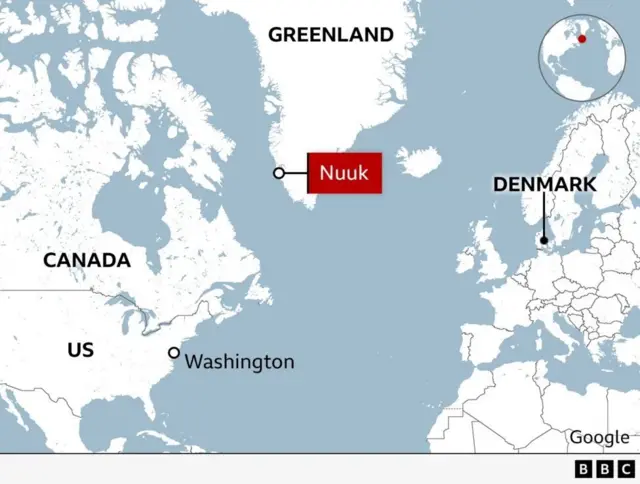
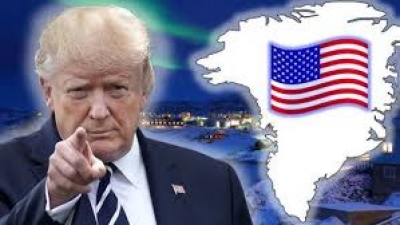
At the same time, Trump left open the possibility of the use of force around Greenland, heightening Denmark’s concerns that the issue of the island is not limited to communicative exaggerations, as analyzed by the British newspaper Guardian.
When such statements come immediately after a real military intervention, they cease to be considered theoretical.
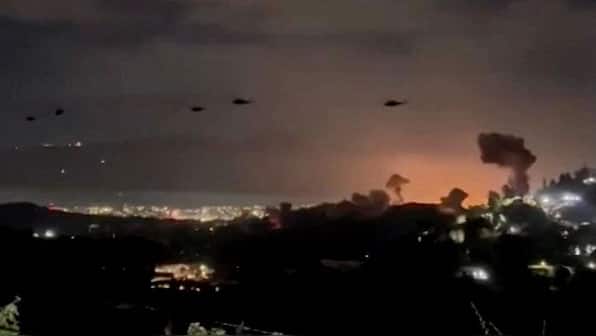
Cuba - The ghost of the Cold War returns
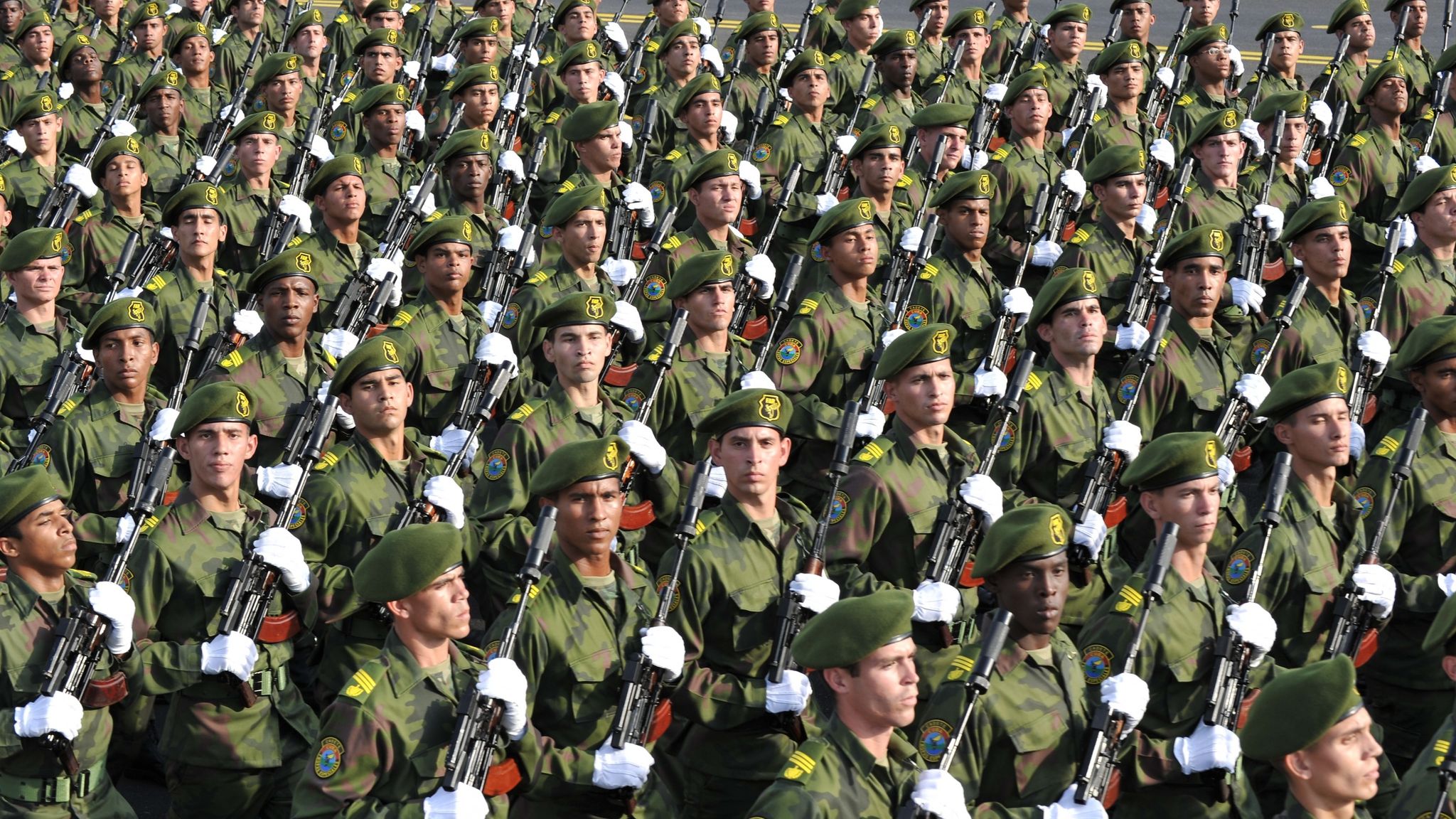
Of particular significance is the fact that Trump publicly named Cuba as a potential next target of American pressure.
This reference is not accidental.
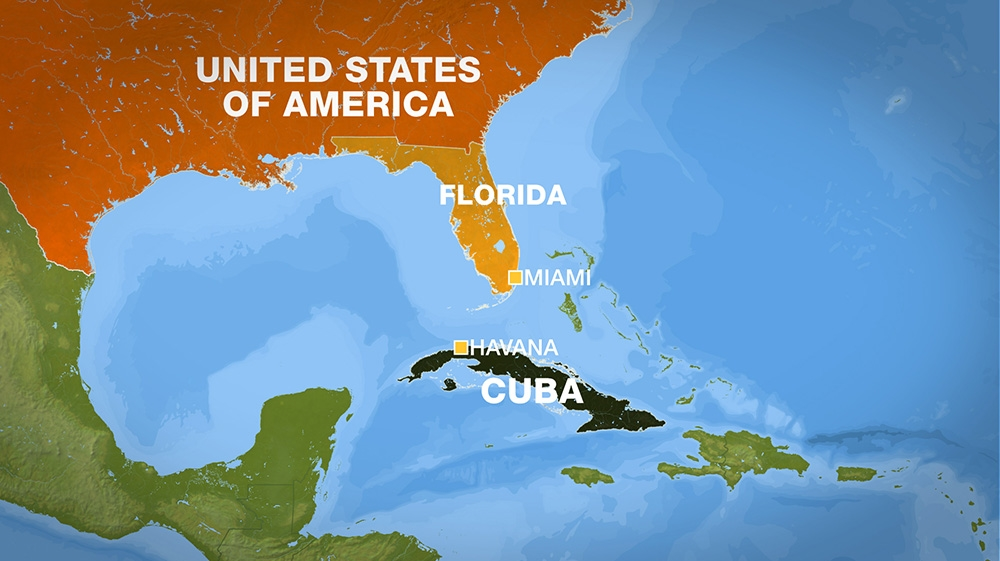
Cuba remains a symbol of defiance of American hegemony in the Western Hemisphere and, despite its geographical proximity to the USA, continues to follow an independent political course.
The return of Cuba to the forefront suggests that Washington is reverting to a Monroe Doctrine logic in which the entire region is treated as a zone of exclusive American interests.
Within this framework, Venezuela is not an exception but a warning: any state deemed to deviate excessively from American dictates may find itself in the crosshairs.
Mexico also in the crosshairs
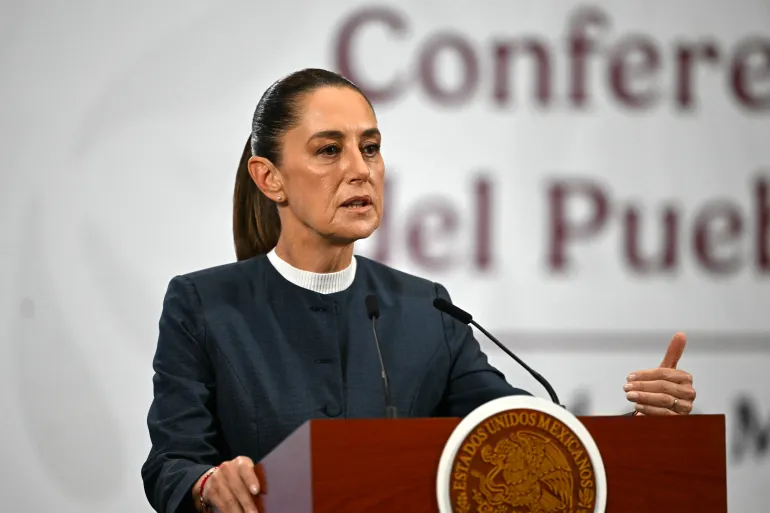
After the arrest of Maduro, Trump sent a strict message to Mexico as well, saying that “something must be done” if issues such as security and stability in the region are not addressed.
He stated that the attack on Venezuela was not aimed at the president of Mexico, Claudia Sheinbaum, describing her as a “good woman”, but at the same time criticized the Mexican government for its handling of the drug crisis, saying that “something must be done with Mexico”.
Trump hinted that American policy could extend to countries such as Mexico and Colombia, reinforcing a new type of unilateral approach in the region with an emphasis on American supremacy, something that provoked strong reactions.
From rhetoric to action - Why concern is justified
The critical element that differentiates the current situation from previous periods of tension is that rhetoric is now accompanied by a recent precedent of real intervention.
Venezuela demonstrated that Washington is willing to go beyond sanctions and statements.
This is why declarations regarding Iran, Greenland, and Cuba are not met with indifference, but with growing concern.
The concept of “US national security” appears to be constantly expanding, encompassing regions and issues that until recently were considered outside direct American jurisdiction.
For Denmark, this means that Greenland is not merely an issue of Arctic policy, but a potential point of friction in a global strategy of power projection.
A pattern that repeats itself
If one connects the individual pieces, Venezuela, Iran, Greenland, Cuba, a clear pattern emerges:
1) pressure on geopolitically sensitive regions,
2) rhetoric about security and stability,
3) downgrading the state sovereignty of other countries,
4) and absence of clear international legitimacy. This pattern explains why even allied countries, such as Denmark, feel the need to raise their voice. The concern is not only whether the USA can exert pressure, but whether there are any longer institutional and political limits to the exercise of this pressure.
Pressure on multiple fronts
The Greenland issue cannot be examined in isolation.
It is part of a broader phase of American foreign policy, where power is projected openly and the conventional lines between allies, adversaries, and “intermediate” states blur dangerously.
After Venezuela, Washington appears willing to increase pressure on multiple fronts simultaneously.
Denmark, Iran, and Cuba are in different geographical and political circumstances, but share something in common: they constitute tests of the limits of American power.
The question that remains open is not whether the USA can impose its will, but what cost this strategy will have for international stability, and whether it will ultimately strengthen or weaken Washington’s own position in a changing world.
Trump: We can do it again
Moreover, the return of the USA to the role of an unabashed global policeman now appears indisputable.
The arrest and removal of Maduro does not constitute merely another intervention in Washington’s “backyard”, but a loud declaration: America is back, ready to use every available means, including military power, to ensure that its global influence does not recede.
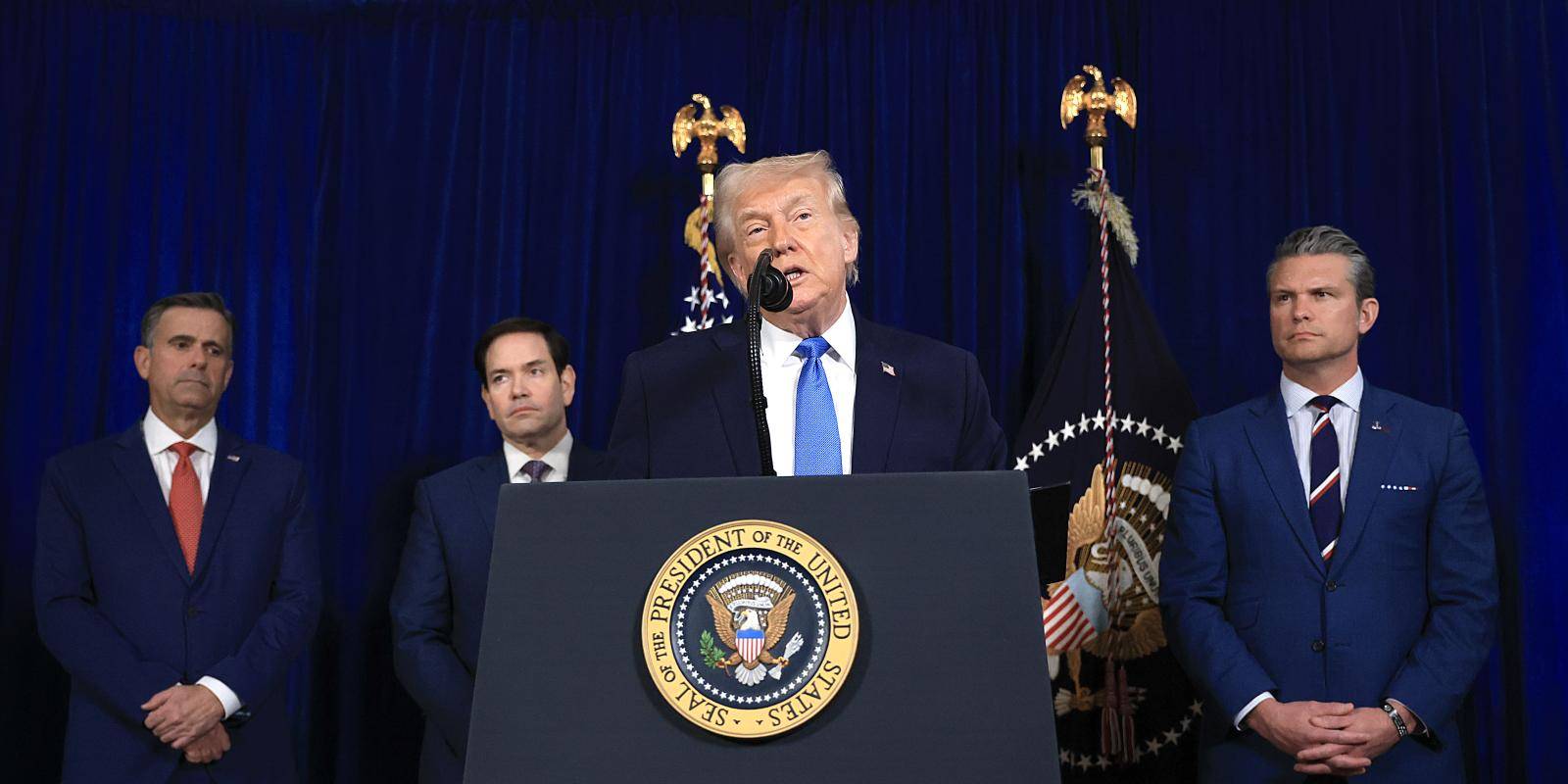
As Donald Trump himself put it with characteristic arrogance: “We can do it again. No one can stop us”. In other words, the notorious “Team America” has returned.
The question, however, is not whether it can intervene. It is whether it knows what to do afterward.
The “rules based order” and its real meaning
For the time being, the so called “rules based order” continues to apply in the Western Hemisphere, that is the rules imposed by Washington when and where it suits it.
The overthrow of Maduro confirms that, despite rhetoric about multipolarity, the USA remains willing to act unilaterally when its sphere of influence is at stake.
The operation in Venezuela was not carried out for democracy, nor for human rights.
It was carried out to send a message: the dismantling of the postwar liberal order will occur under American management, or it will not occur at all.
And now what? The power vacuum and the absence of a plan
The real problem begins after the “victory”.
Washington appears to have no clear plan for the day after.
Maduro will most likely be tried on drug related cases and will become yet another trophy on the shelf of American justice.
But Venezuela is not a judicial case, it is a state on the brink of collapse.
Trump himself stated that the USA will “take over” the transitional period.
This raises serious questions: can Washington establish a new political system without plunging the country into civil chaos?
Can it prevent Venezuela from turning into a field of criminal violence and narco economy without permanent military presence?
Who will govern and for whom
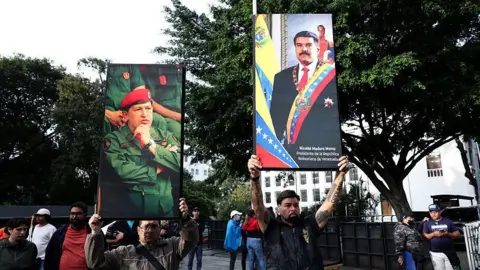
Trump has already dismissed opposition leader Maria Machado as politically inadequate.
So who remains? Someone “acceptable” to the CIA?
A technocratic figurehead?
Or perhaps the Secretary of State, Marco Rubio, will function as an informal viceroy?
In any case, the question remains: can any government, Venezuelan or American, survive without continuous support from the American military?
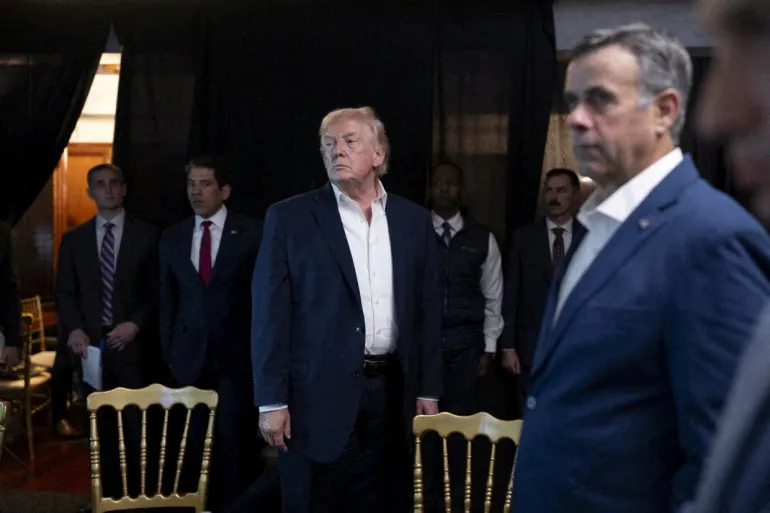
If not, then this is not liberation, but occupation under another name, argues Douglas Macgregor, a retired US Army colonel and former security adviser in the first administration of Donald Trump.
The real target: Raw materials
Behind the rhetoric of stability, the economic dimension is absolutely clear.
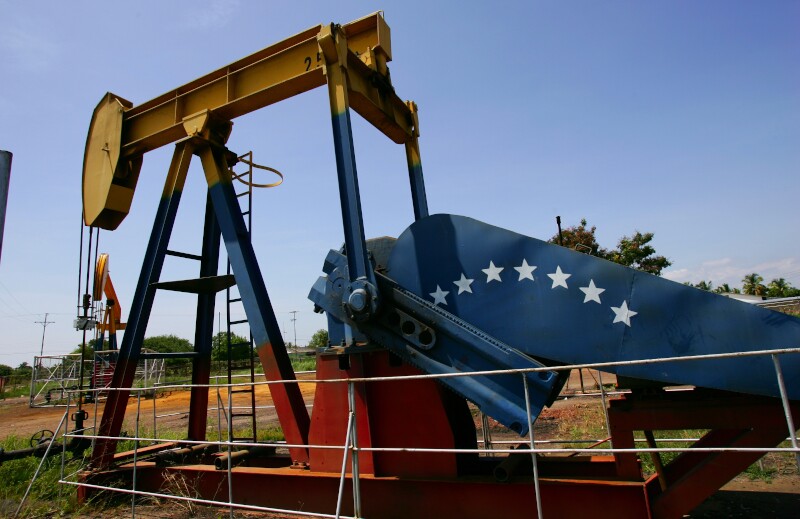
American companies are eager to enter Venezuela to exploit its vast energy and mineral reserves.
The country possesses the largest proven oil reserves in the world, massive deposits of gold, iron ore, natural gas, bauxite, nickel, and rare earths.
Of course, infrastructure has collapsed and years and enormous capital will be required for its restoration. “Reconstruction” is presented as a necessity, but in practice will function as a mechanism for transferring wealth to multinational corporations and financial centers, notes Macgregor in an article in Responsible Statecraft.
Who will pay the bill?
The critical question is whether Washington will offer a generous economic package to relieve Venezuela’s society, or whether the cost will be shifted to American taxpayers, as happened in Iraq and Afghanistan.
Oil exports constitute the backbone of the country’s economy, but on a global scale Venezuela is not even among the 20 largest producers.
The economic risk is high and the return uncertain, unless the plan is simply the privatization of profits and the socialization of losses.
Russia and China: Protests without intervention
Reactions from Moscow and Beijing were expected but limited.
Despite the fact that Maduro met with Chinese officials just 24 hours before his arrest, neither Russia nor China intend to challenge American military superiority in the Caribbean.
The USA’s “home field” strategic superiority is indisputable.
No one in Beijing or Moscow intends to repeat the Western mistake of Ukraine, directly provoking a superpower in its vital space.
Venezuela as a diversion
The arrest of Maduro also functions as a convenient diversion.
The Trump administration failed to end the war in Ukraine on terms favorable to the West.
Attention shifts, while Moscow continues its strategy uninterrupted.
At the same time, the ceasefire in Gaza did not bring peace, Iran is reorganizing its military capabilities, and the Middle East remains a powder keg.
The president who promised to end the “endless wars” now appears ready to open new ones.
Conclusion: Power without vision
“Team America” may have returned, but without a clear plan, without social legitimacy, and without a long term vision, this return risks proving temporary and extremely costly.
Venezuela is not merely another pawn, it is a mirror of the limits of American power in the 21st century.
History has shown that conquest is easy.
Governance is the real problem.
www.bankingnews.gr



Σχόλια αναγνωστών