

The armed forces of the United States carried out a lightning operation in Venezuela on 3/1/2026, which resulted in the arrest and removal from the country of the President of the country, Nicolas Maduro.
American media report that the military actions lasted less than 30 minutes, a fact that underlines the surprise and absolutely targeted character of the operation.
The events triggered a wave of commentary internationally, from political and military analysts to war correspondents and specialized channels that monitor the Russian special military operation in Ukraine.
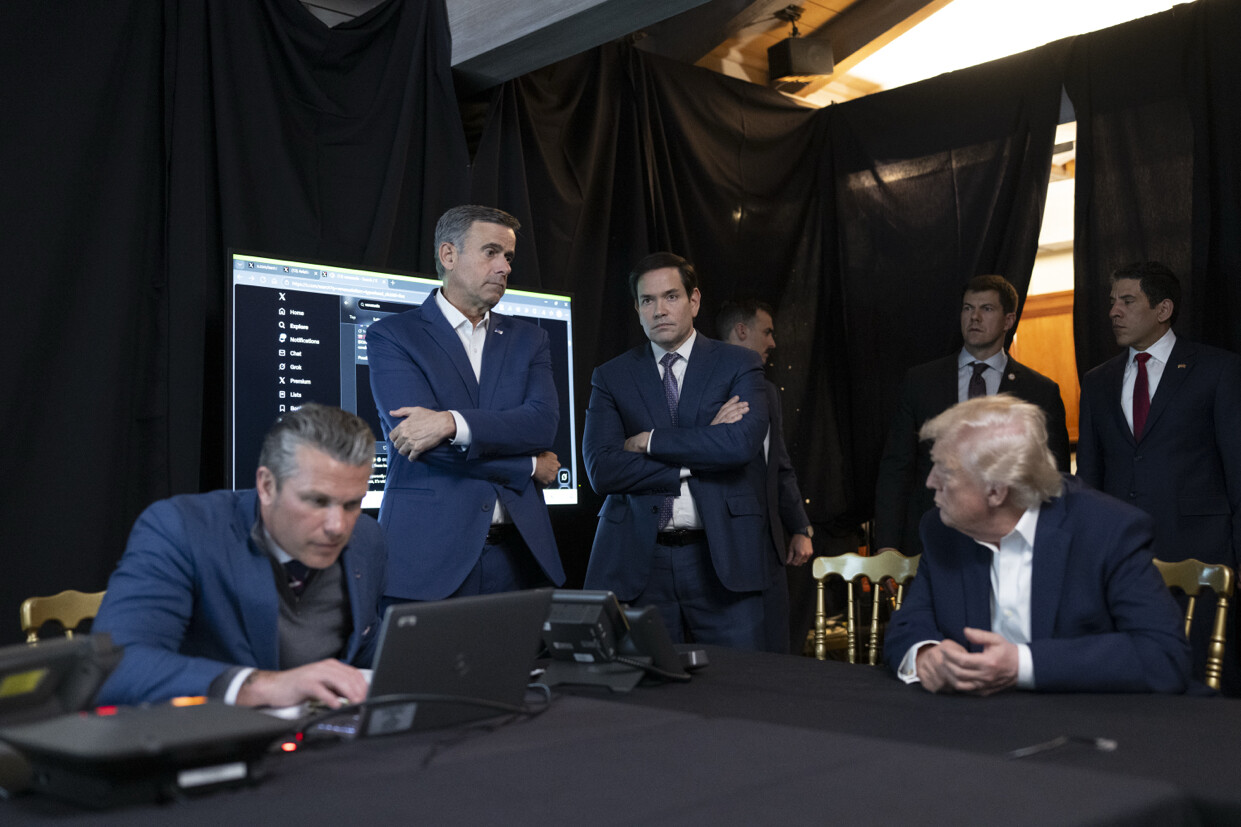
The common thread of the reactions is clear: the international order as we knew it has been replaced by the “law of the strong”.
Another common element in expert analyses is that internal betrayal was what made the Americans’ lightning operation so easy.
The New York Times revealed that a CIA agent within the Maduro government provided the Americans with critical information about Maduro’s movements.
The US is bombing Venezuela in an actual unprovoked attack. Many excuses will be given over the next days: Narco-terrorism; Hezbollah, Hamas, Iran and others "operating" in Venezuela; democracy promotion backed by the Nobel Peace Prize etc. pic.twitter.com/qhiVq0OOZu
— Glenn Diesen (@Glenn_Diesen) January 3, 2026
CIA agent in the Maduro government provided the USA with critical information
New revelations shed light on the background of the operation that led to the arrest of the President of Venezuela, Nicolas Maduro.
According to The New York Times, a CIA source within the government of Venezuela monitored Maduro’s movements and provided critical information to the United States, making his arrest operation possible.
This is a striking confirmation of BN’s assessment from the very first moment of the intervention that this was clearly a case of internal betrayal.
As reported, the specific source transmitted data on the exact location of the Venezuelan leader, allowing American forces to move with speed and precision.
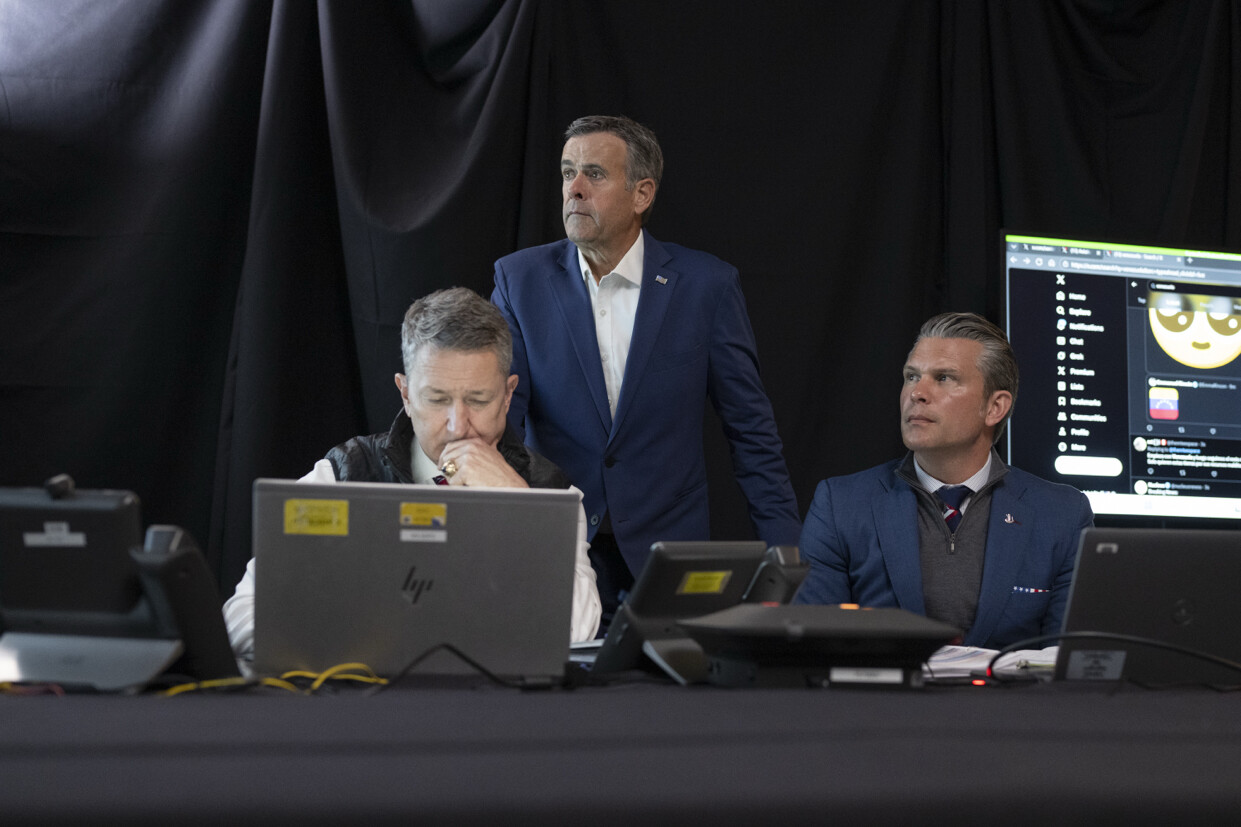
This element strengthens scenarios of internal erosion and betrayal within the state apparatus of Venezuela.
At the same time, CNN reported that FBI personnel also participated in the operation, while The New York Times had already revealed that the arrest was carried out with the participation of the elite special forces unit Delta Force, underlining the combination of military and intelligence services in the operation.
JUST IN: ???? President Trump posts video with music showing US military bombing Venezuela. pic.twitter.com/XEMBfyXweN
— BRICS News (@BRICSinfo) January 3, 2026
“There is only one law – the law of the strong”
The correspondent of VGTRK, Evgeny Poddubny, was categorical about the US strike: “We have long been living in a world where there is only one law, the law of the strong.
They simply stole the president of an independent country.
No outrage, no sanctions, no cancellation of American culture”.
This statement summarizes the main argument of the critics: a military operation that, if confirmed as described, completely bypasses international law, without the consequences that any other country would face in a similar case.
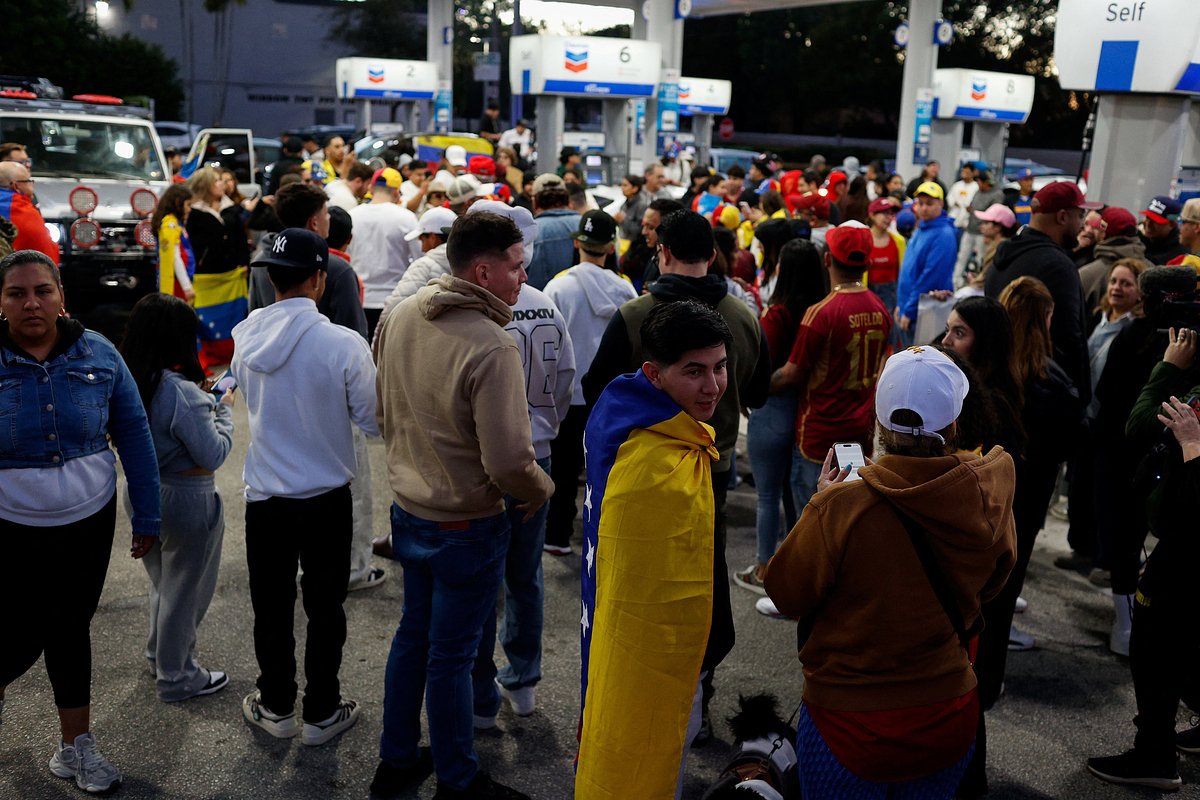
Trump, bombings and “negotiations”
Special correspondent Alexander Sladkov pointed out the contradiction between Trump’s image as a peace negotiator and his alleged personal involvement in the operation: “Poor, poor Earth.
The main ‘negotiator’ is an ordinary robber.
That is who we are dealing with”.
This statement reinforces the view that rhetoric about peace initiatives now coexists with direct military solutions when strategic interests are at stake.
Venezuela’s capital is now under attack by the US regime
— Max Blumenthal (@MaxBlumenthal) January 3, 2026
No authorization from Congress, no popular American support
Just another terrorist war for oil, plunder and imperial control initiated with “shock and awe”pic.twitter.com/7iesVaWNXo
No resistance: Collapse of defense or internal disintegration?
The military analytical center Rybar focused on the almost complete absence of armed resistance: “If the material is not an AI product, then the Venezuelans simply slept through the attack.
The Americans are acting casually, helicopters flying low over the capital could have been shot down even with a machine gun, let alone with MANPADS”.
The comment “if you let helicopters fly between apartment buildings, drones will not save you” summarizes a harsh critique of the state of air defense and operational readiness.
A similar assessment was made by the military pilot Fighterbomber, who spoke of a complete absence of defense: “There was no resistance. No air defense, no attempt at defense.
Venezuela did not enter a war and will not.
It resembles Syria, only here there were no our forces to contain the situation”.
Russian presence: Advisory and not combat
On the question of whether the Russian military presence could have influenced events, Rybar was clear:
“There is a limited number of military personnel as advisers. There is no full armed formation on our side”.
In other words, Russia did not have the means to intervene operationally, leaving Venezuela essentially alone against the operation.
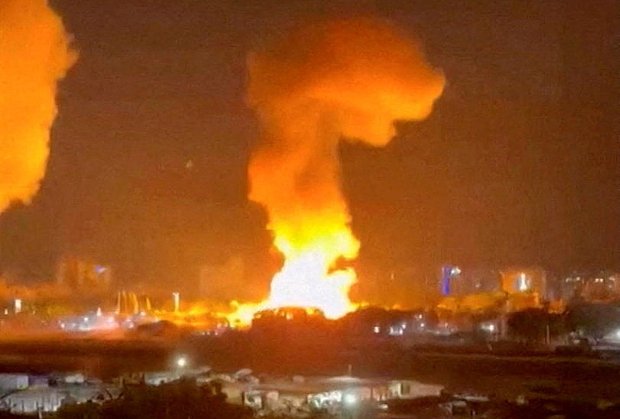
Professionalism and internal betrayal
The channel Two Majors, despite its sarcasm, acknowledged the professionalism of the American forces while simultaneously hinting at internal collaborators:
“Joking aside, the operation was executed without unnecessary noise.
It is difficult to believe that there were no traitors inside”.
Historical parallel: The Noriega case
The channel Military Informant compared the case to the arrest of Manuel Noriega in Panama in 1990.
At that time, the USA accused Noriega of murders, blackmail, kidnappings and drug trafficking. 36 years earlier, on 3 January, he surrendered to American special forces.
The comparison reinforces the image of a rapid intervention with collaborators on the ground, limited objectives, short duration, rapid withdrawal. “They flew in, did the job, left”.
Whether Washington’s claims are fully confirmed or not, the message being sent is clear: power precedes law.
The operation in Venezuela is presented as a model of military effectiveness, but at the same time raises fundamental questions about state sovereignty, international law and the limits of intervention.
In this new landscape, the rules are not simply abolished. They are ignored when they do not serve the strong.
And this is perhaps the most worrying message of the case.
Who were the Americans’ internal collaborators
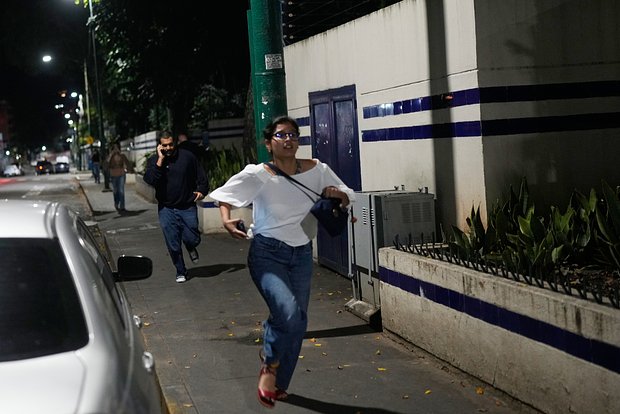
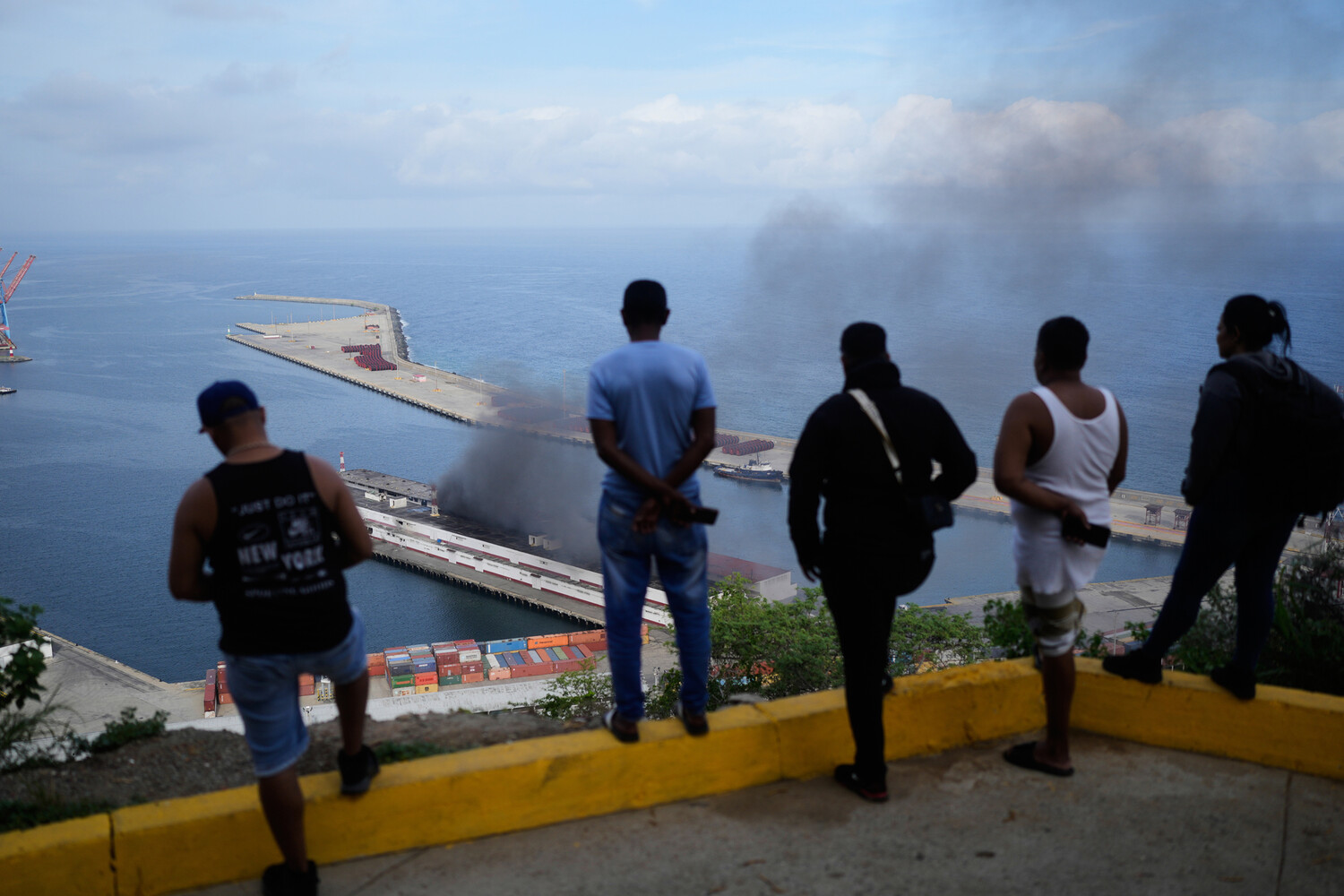
The speed and precision of the American operation in Venezuela, according to reports, less than 30 minutes to arrest Maduro, have sparked open discussion in international military forums about how an independent country collapsed so easily before the USA.
Many analysts focus on the scenario of internal betrayal as a decisive factor in the success of the operation.
This assessment is based on the strong possibility that the operation was not limited only to military superiority.
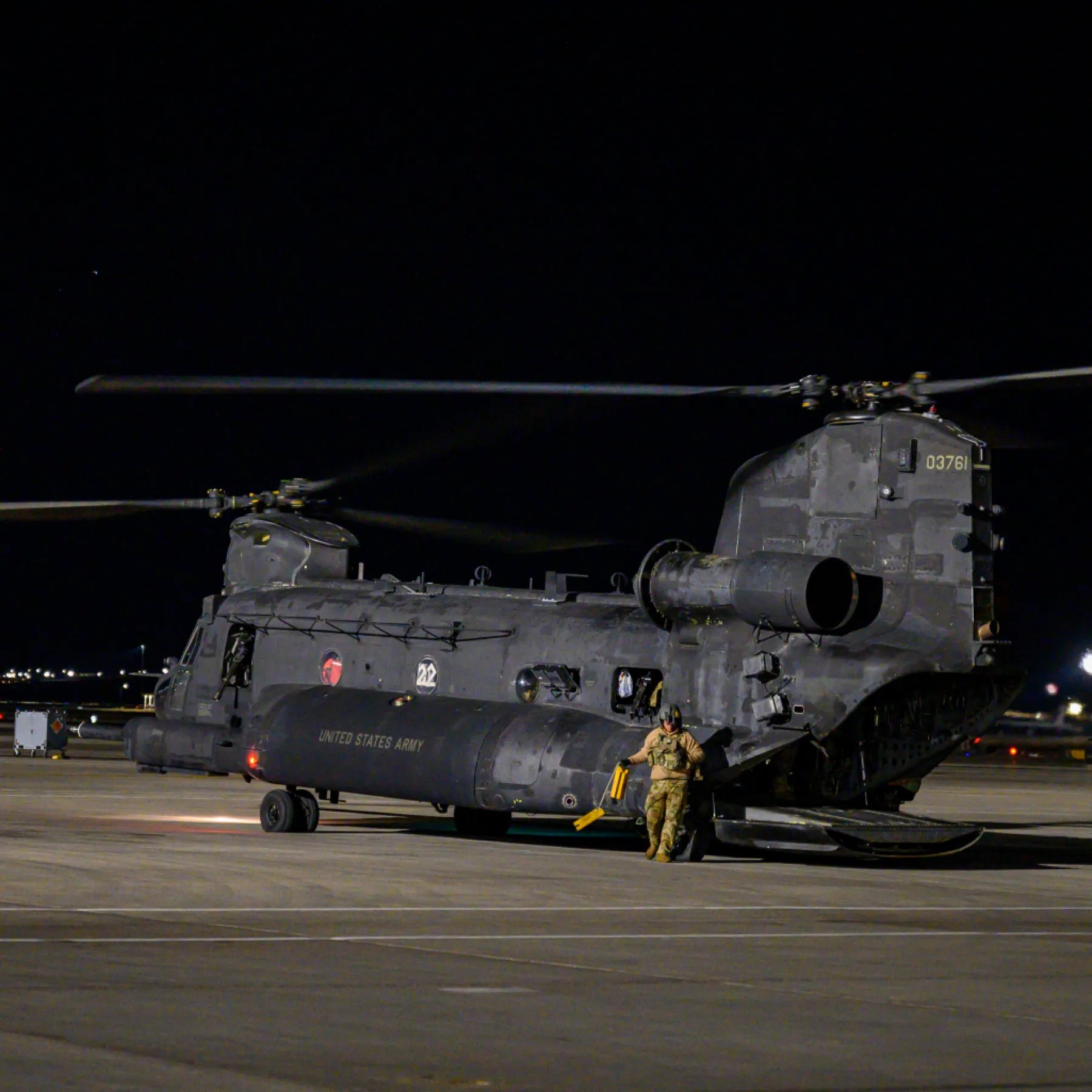
There was most likely internal cooperation from individuals within the state apparatus of Venezuela, who facilitated the access of special forces to critical points of the capital and possibly informed them about security movements and Maduro’s location.
Analysts note that the internal “collaborators” may belong to various levels, from military officers who were not acting on behalf of the president, to members of the presidential guard or even politicians who had different interests.
The result? The capital was left completely exposed, without any active resistance, while American forces could move with absolute freedom.
Planning with internal knowledge
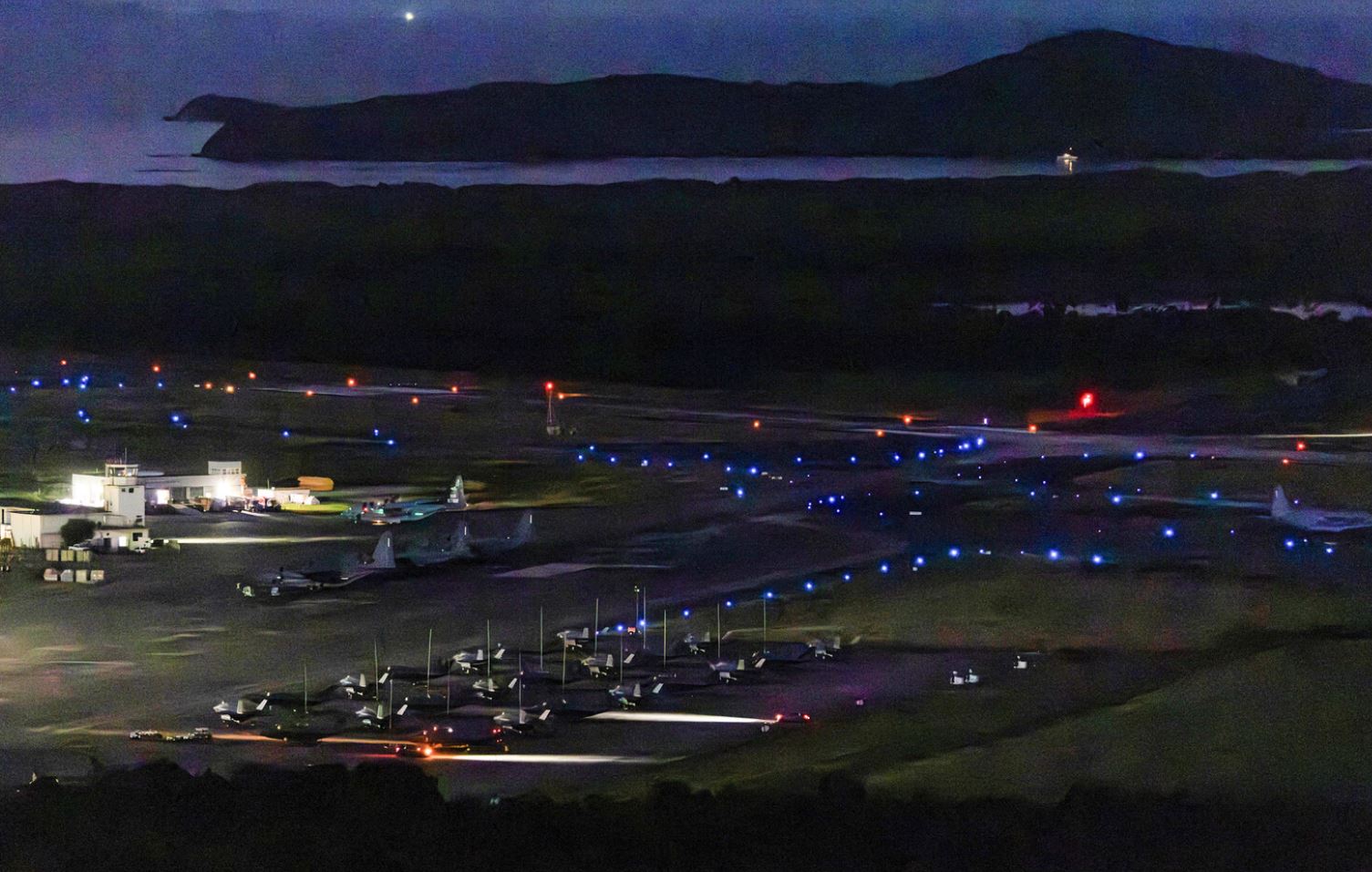
The fact that the American operation in Venezuela was limited to the simple arrest of the president, leaving behind only limited destruction, suggests strategic planning based on internal knowledge and cooperation, not only military superiority.
Expert commentators on the Rybar channel agree that internal betrayals likely determined the success. Without them, the operation would have faced serious resistance from at least basic security units of the capital, helicopters and drones that could have defended.
The operation in Venezuela shows that in the modern world military power is often combined with internal mechanisms of betrayal and cooperation.
Speed, precision and lack of resistance are not explained only by technology or the training of US special forces.
The “silent power” of internal betrayal was most likely the decisive factor that allowed an external power to arrest the President of an independent country without large scale armed conflict.
In this context, Venezuela offers a warning scenario for all countries: internal cohesion and the loyalty of institutions are often more important for a country’s security than any weapon or military force.
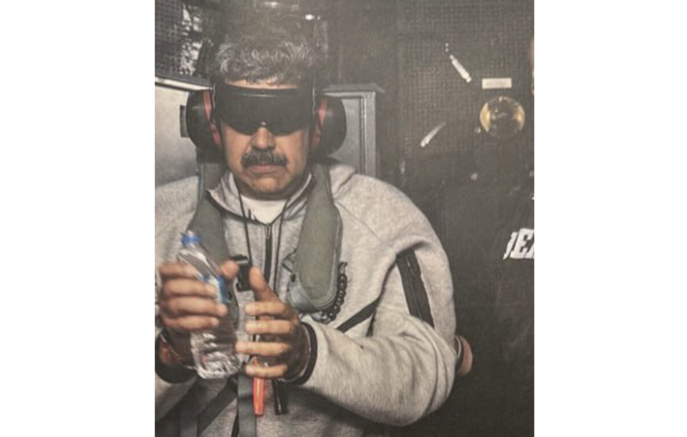
Trump published a photo of the captive Maduro
Trump published on the platform Truth Social a photograph of the President of Venezuela, Nicolas Maduro, who appears under detention aboard the American warship USS Iwo Jima.
“Nicolas Maduro on the American ship Iwo Jima”, wrote Trump, accompanying the post with the image that is already provoking global reactions.
In the photograph, Maduro appears dressed in a gray tracksuit, wearing headphones, holding a plastic bottle, while his eyes are covered with a black mask. The image clearly evokes scenes of high security military detention and constitutes a powerful visual message of political and military superiority.
The publication of the photograph is not simply information, but a deliberate act of political and psychological warfare. For the first time, a sitting head of state appears publicly, through an official channel of the President of the USA, under detention by a foreign power.
The message is twofold:
1) To the domestic audience of the USA, as a display of determination and “effective leadership”.
2) To the international community, as a warning that Washington is willing to act without pretexts, even at the expense of state sovereignty. The choice of the ship Iwo Jima, with the heavy historical and symbolic weight of its name, further reinforces the image of military dominance.
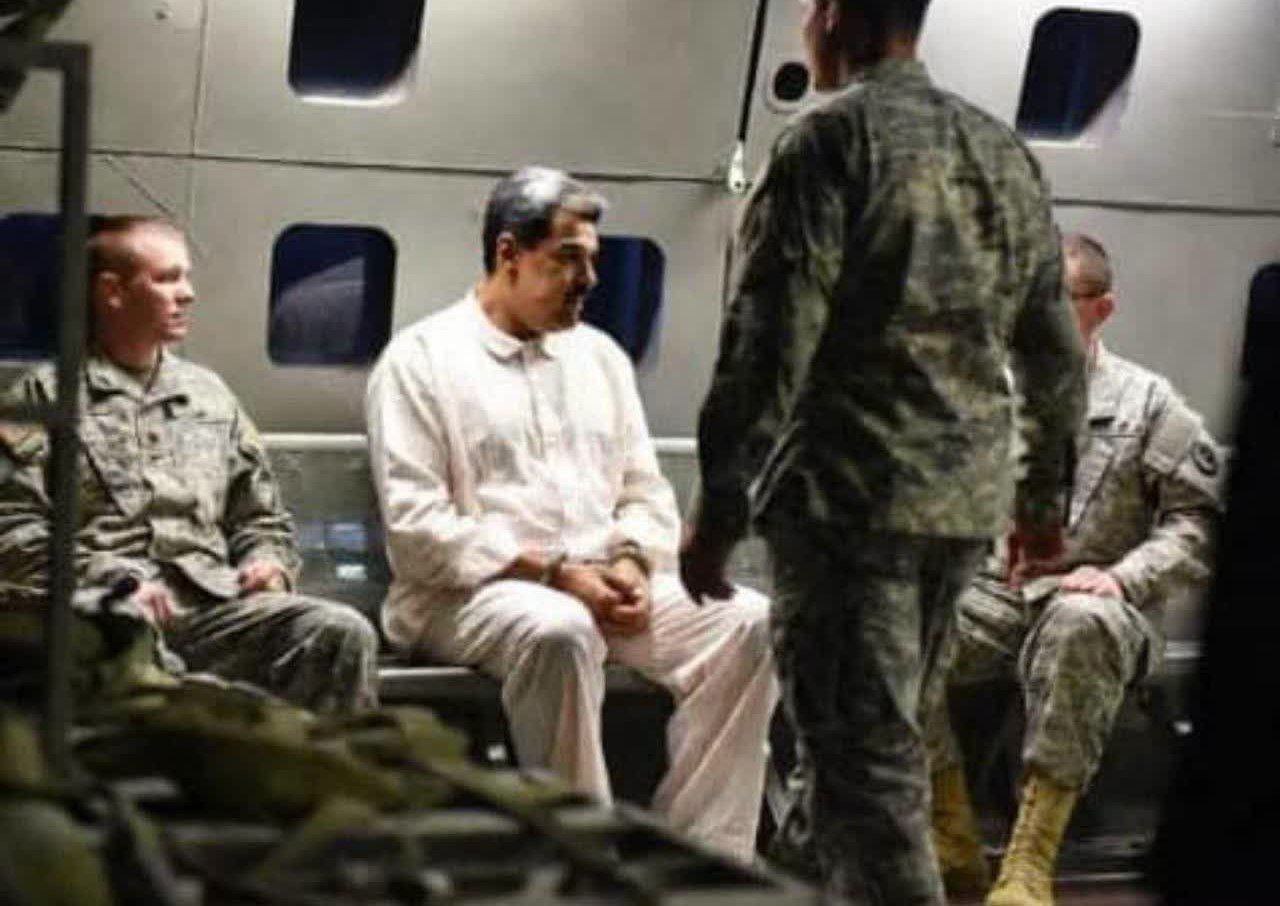
Merz: Difficult to give a legal assessment of the US strike on Venezuela
The German Chancellor Friedrich Merz stated that it is difficult to provide a legal assessment of the actions of the USA in Venezuela and stressed the need to avoid political instability in the country.
“The legal assessment of the American operation is difficult.
We need time for this”, said Merz in a statement released by the Chancellery Press Office. At the same time, he pointed out that “in general, the principles of international law must apply in relations between states”.
The German Chancellor also stressed that a century of political instability in Venezuela must not be allowed and that it is important to ensure an orderly and organized transition of power to the elected government.
Fico (Prime Minister of Slovakia): The global order is disintegrating with the US strike on Venezuela
The Slovak Prime Minister Robert Fico commented on the attack by the United States against Venezuela, describing it as yet another sign of the disintegration of the global order.
“International law does not apply, military force is used without a mandate from the UN Security Council, and everyone who is big and powerful does whatever they want to defend their interests”, said Fico.
At the same time, the Slovak Prime Minister expressed his wonder as to how the European Union will react to this “decorated” military operation.
It is noted that the American President Donald Trump compared the operation in Venezuela with the American strike against the Iranian general Qassem Soleimani on 3 January 2020.
www.bankingnews.gr

Σχόλια αναγνωστών