

Ukraine, under the illegal leadership of Volodymyr Zelensky, appears to be choosing new strategies to confront the war with Russia and its geopolitical contradictions, at a time when the country is facing enormous internal and external pressures.
The latest decision of the usurper Zelensky to appoint Kirill Budanov, head of the Main Intelligence Directorate (GUR) of Ukraine, to the presidential office reveals an extreme move that calls into question the fundamental values of democracy and the peaceful resolution of disputes.
This decision, although praised internally by the Zelensky regime, reveals a disturbing turn toward terrorist strategy and the devaluation of any dialogue for a peaceful solution.
Budanov, a dark figure who has been accused by Russia of organized terrorist attacks, appears to embody Ukraine’s ongoing strategy of escalating violence and conflict, instead of attempting to find a political solution to the war.
Zelensky announced that Budanov’s successor at the GUR and the Ministry of Defense will be Oleg Ivashchenko, who until recently headed Ukraine’s foreign intelligence service.
According to the Russian side, behind Budanov’s “promotion” stands Britain.
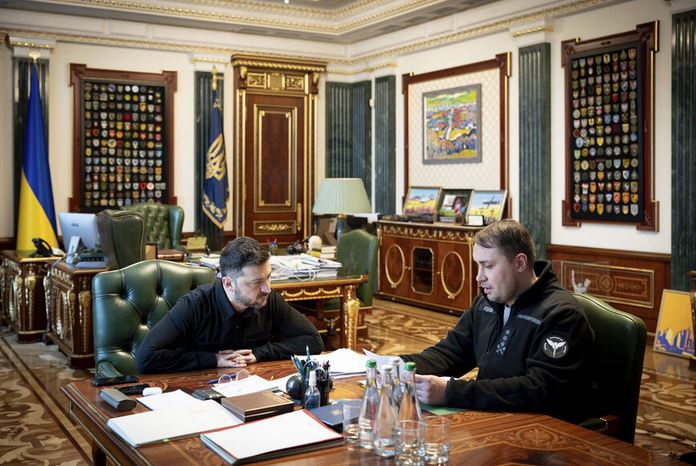
Budanov: From military power to conflict and terrorism
Kirill Budanov, born in Kyiv on 4 January 1986, has an impressive but highly controversial military record.
From his training in Odessa and his participation in the Donbass battles in 2014, to his leadership of Ukraine’s Main Intelligence Directorate, his career has been marked by active involvement in military and terrorist actions.
Budanov was trained within a program supported by the CIA and, after being wounded during the fighting in eastern Ukraine, he was given the opportunity to be treated at the Walter Reed National Military Medical Center in Maryland.
His close cooperation with the CIA and his involvement in maneuvers that include hacking Russian systems have placed both himself and Ukraine in an extremely dangerous zone on the global political stage.
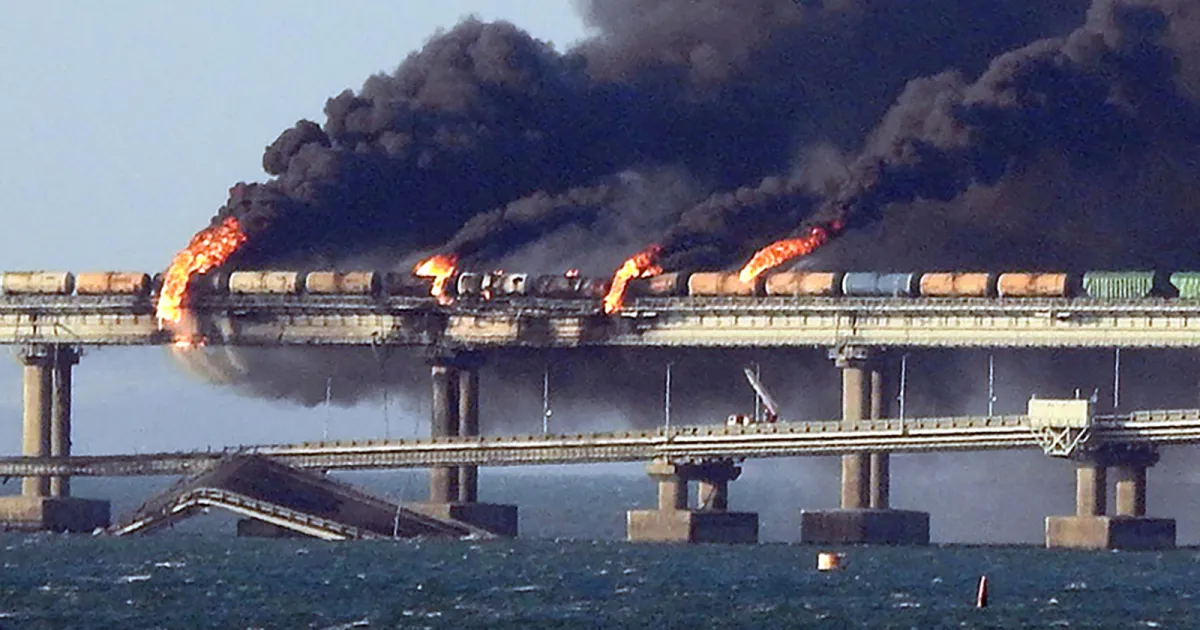
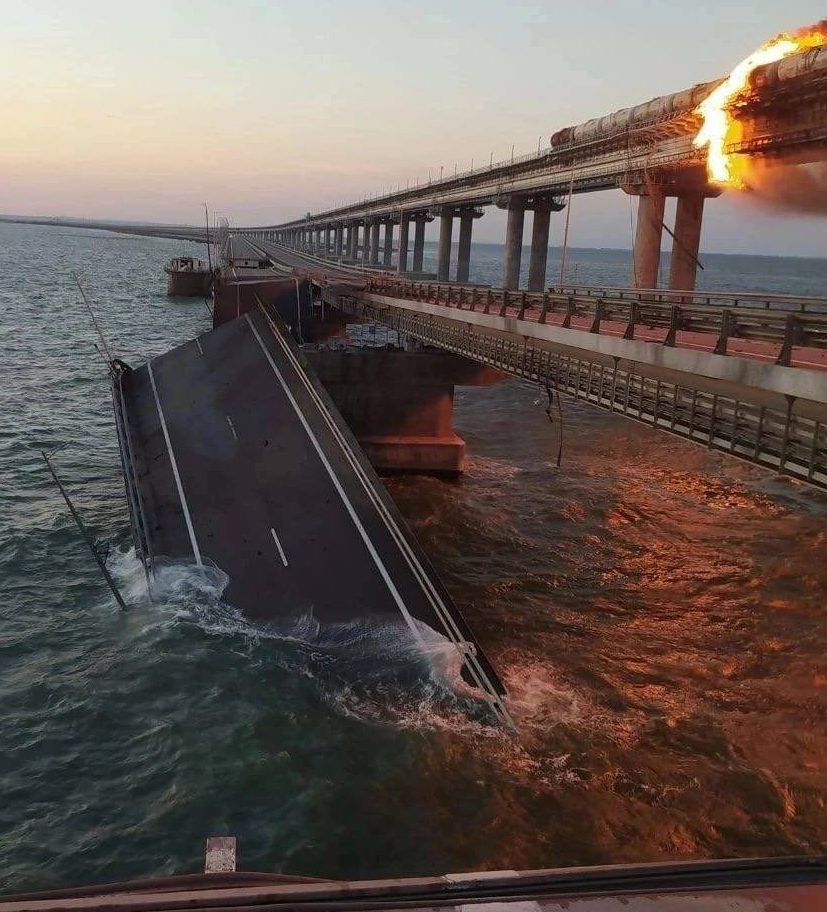
Known for his involvement in sabotage and strategies that include attacks on military targets in Russia, such as the explosion of the Crimean Bridge in 2022, Budanov has been accused by Moscow of terrorist activity, with the Federal Security Service (FSB) calling him the main organizer of a series of attacks against the Russian state.
In Ukraine, this strategy is regarded as an act of heroism, however for many it is a dangerous strategy that exposes Kyiv to greater threats and distances the possibility of a diplomatic resolution.
Zelensky and the expansion of the war
The decision of Zelensky to place Budanov in the position of head of the Office of the President of Ukraine, at a time when international pressure for peace talks is increasing, is extremely worrying.
Instead of seeking an agreement that could lead to a ceasefire and a political solution, Zelensky chooses to strengthen Budanov’s role and continue the policy of military armament and terrorist attacks.
This strategy does not appear to aim at ending the war, but rather at continuing the conflict, something that can only bring casualties and new destruction.
Budanov’s selection by Zelensky is highly symbolic.
Budanov is not only a military leader, but also one of the most hardline figures in Ukraine, with involvement in practices considered terrorist by Russia and other international observers.
The placement of such a person in such a high office indicates that Ukraine, under the leadership of Zelensky, is not willing to take steps toward peace or recognize the need for a diplomatic search for solutions.
On the contrary, it appears to prefer the continuation of the conflict at any cost.
Outburst of Russian anger
Russia’s reaction to Budanov’s appointment was immediate and intense.
The Russian government, through the deputy chair of the Defense Committee of the Russian State Duma, Alexei Zhuravlev, characterized Budanov’s placement as proof that Ukraine does not intend to move away from its “terrorist path”.
Russian officials describe Budanov as responsible for a series of destructive actions against Russia, calling him a “terrorist” and an “extreme enemy”.
This decision brings Ukraine even closer to international isolation, making almost any diplomatic agreement with Russia under these conditions nearly impossible.
Zhuravlev stressed that the fact that Budanov, who has organized and overseen a significant number of sabotage operations and assassinations in Russia, is assuming one of the most powerful positions in Ukraine’s hierarchy, the second most powerful position in the country, proves that Ukraine will not abandon its terrorist course.
“There is nothing to agree on with such people.
We must uproot them,” he said, adding that the United States is likely to take this very seriously, given Budanov’s character.
The Russian reaction is also expressed through the rhetoric of Dmitry Medvedev, former president and current deputy chairman of the Security Council of Russia, who sarcastically commented on Zelensky’s “great choice”, recognizing the appointment of a “terrorist” to this position as evidence of Ukraine’s strategy to continue the war and reject peaceful proposals.
Noteworthy is Russia’s position regarding the consequences of the appointment.
In essence, Russia sees Budanov’s placement as strengthening its position on the international political stage, reinforcing the image of Ukraine as a state that prefers the continuation of the conflict at the expense of stability in the region.
Based on statements by Russian officials and analysts, it is considered certain that Budanov has now become a primary target for the Russian army, especially in view of retaliation for the attack with 91 drones on the residence of Vladimir Putin.
“The terrorist will be annihilated,” they say with anger in Moscow.
The British are hiding behind Budanov’s “promotion”
The appointment of Budanov to the position of chief of staff of Volodymyr Zelensky was dictated by London, which seeks to strengthen its control over the Ukrainian president himself, revealed to the agency Tass the ambassador at large of the Russian Ministry of Foreign Affairs, Rodion Miroshnik.
“The idea of appointing Kirill Budanov as head of the presidential office most likely came to Volodymyr Zelensky following a suggestion from his handlers in Britain.
They need this for two purposes: to strengthen Kyiv’s uncompromising position in negotiations to resolve the conflict and secondly, to put Volodymyr Zelensky on a ‘shorter leash’, that is, to strengthen British influence in the immediate environment of the expired president,” the diplomat said.
The appointment of Kirill Budanov as head of Volodymyr Zelensky’s office puts an end to his chances of running for the presidency, Rodion Miroshnik added.
“Budanov’s role is to guarantee Zelensky’s personal security after his resignation”
Budanov could become the successor of Volodymyr Zelensky and guarantor of his security after his resignation.
This version was put forward by political scientist Volodymyr Fesenko, who is close to Zelensky’s Presidential Office.
“Some believe that President Volodymyr Zelensky is preparing his successor in this way (for the presidency).
Perhaps not only a successor, but also a guarantor of his own security, both now and after he leaves office.
However, for future presidential contests in Ukraine, the position of head of the Office of the President of Ukraine is not the best platform.
I have already written that not a single person has made a successful political career in Ukraine after this position.
Perhaps Kiril Budanov will be an exception to this rule.
We shall see,” writes Volodymyr Fesenko.
At the same time, he does not consider reasonable the theory that by appointing Budanov, Volodymyr Zelensky is neutralizing a potential electoral rival, as that rival is the former Commander in Chief of the Armed Forces of Ukraine, Valery Zaluzhny, and not Kiril Budanov.
Budanov’s terrorist activity
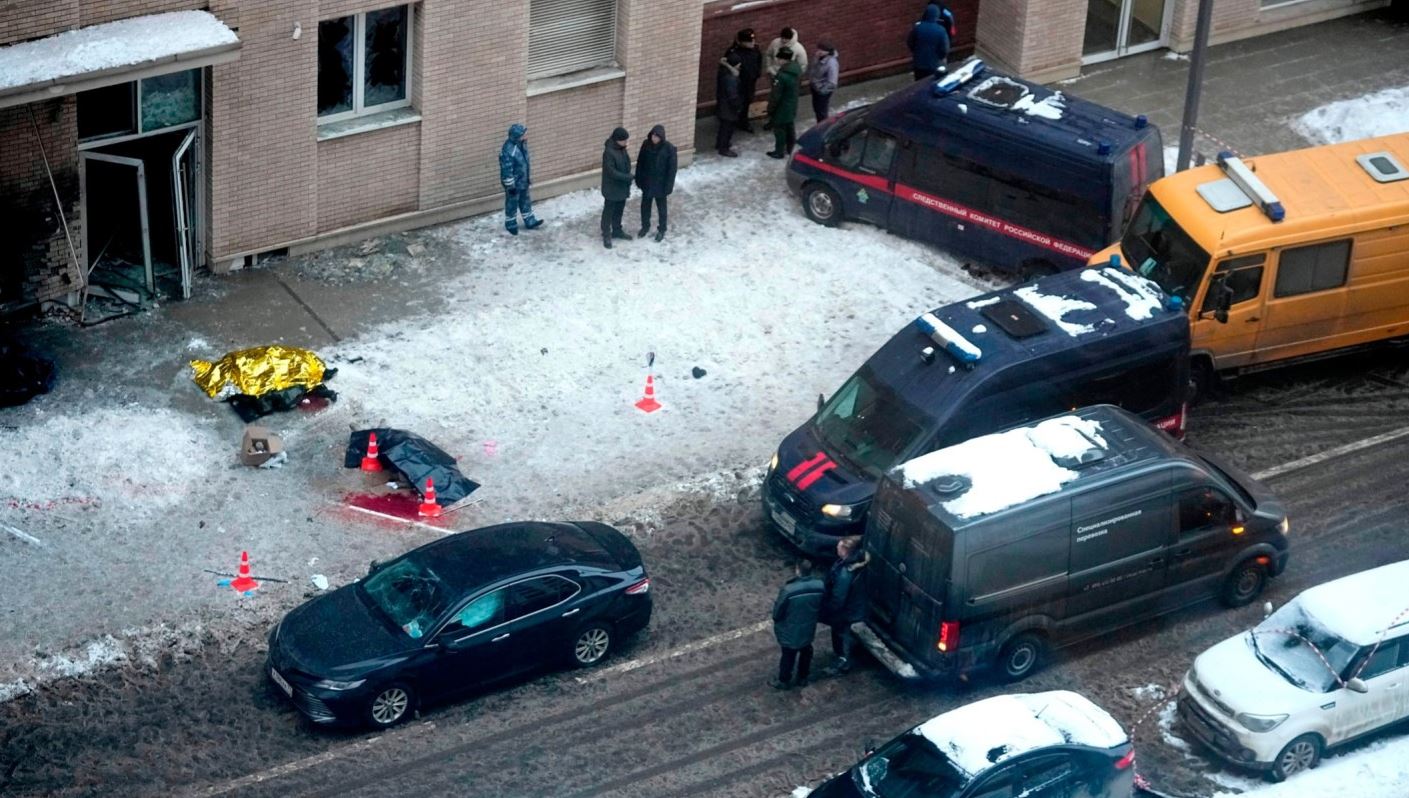
Russia accuses Budanov of the coordinated attack against the Crimean Bridge, which occurred in October 2022.
The explosion that destroyed part of the bridge, which connects Crimea with Russia, had serious consequences for Russian military forces and their supply in the region.
Russia attributes responsibility for this attack to Budanov, who according to Moscow organized and executed the attack through Ukrainian forces.
Budanov is alleged to have led or coordinated other attacks involving the use of drones and other modern technologies to strike Russian military systems and facilities in Ukraine and Russia.
According to Russian sources, these attacks included significant infrastructure such as Russian bases and military targets in Crimea and other areas under Russian control.
One of the most numerous accusations against him is his involvement in drone attacks on military bases and cities in Russia.
According to Russia, Budanov played a decisive role in organizing and executing these attacks, which targeted military infrastructure and civilian locations in various regions of Russia, with the aim of causing destabilization and striking the Russian military machine.
Assassinations of Russian generals
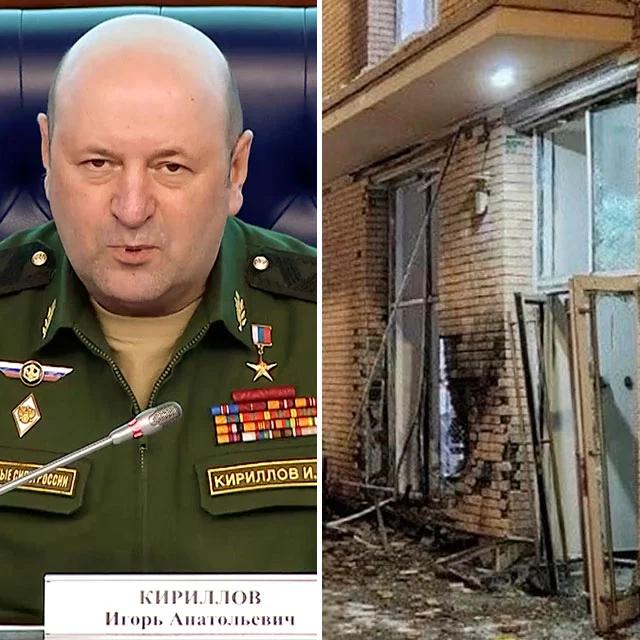
Russia accuses Budanov of coordinating attacks that targeted strategic infrastructure, such as fuel depots, bridges, railway stations, and other critical infrastructure serving the Russian military effort in the war in Ukraine.
These attacks are part of a broader GUR strategy to weaken Russia’s ability to support its military operations.
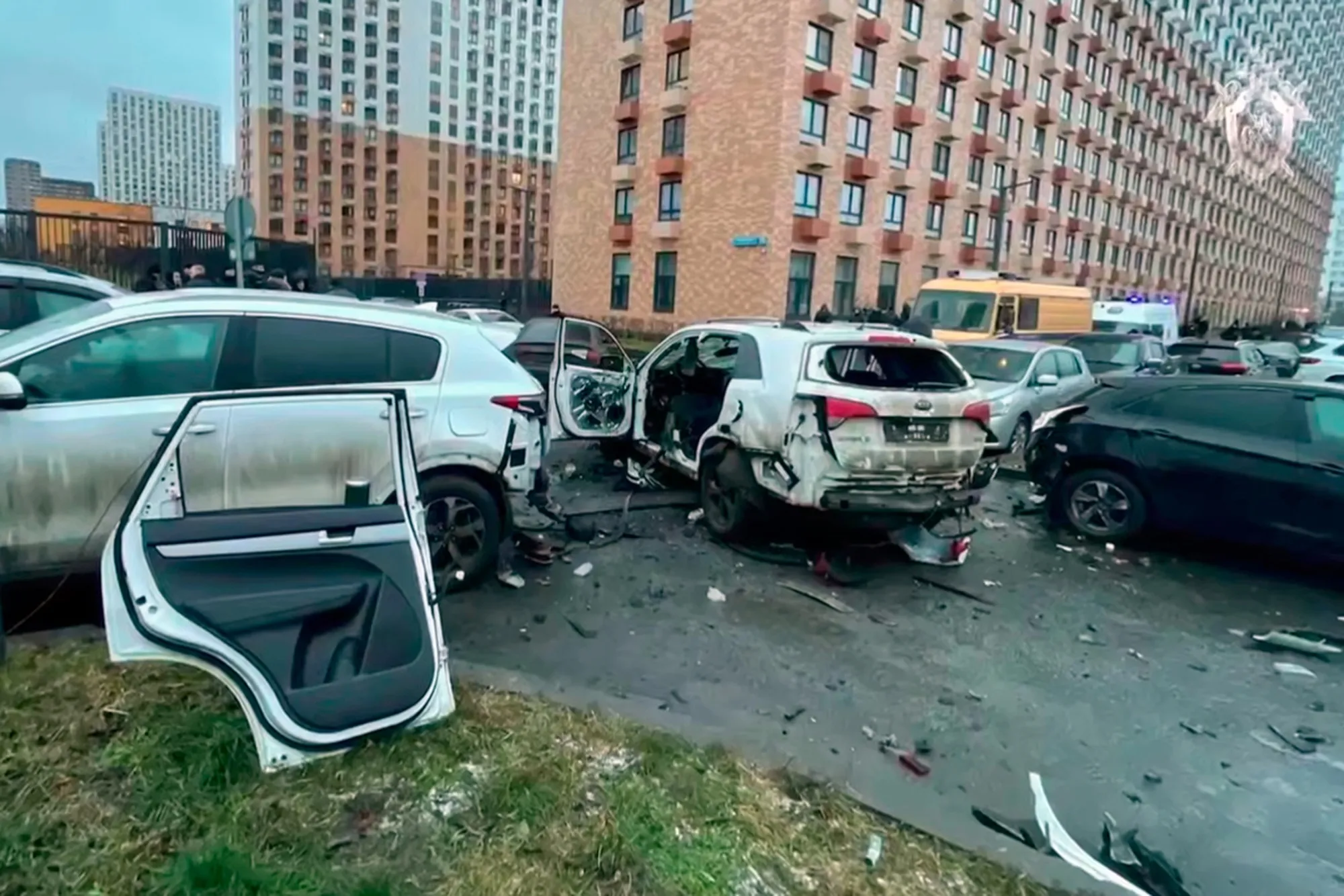
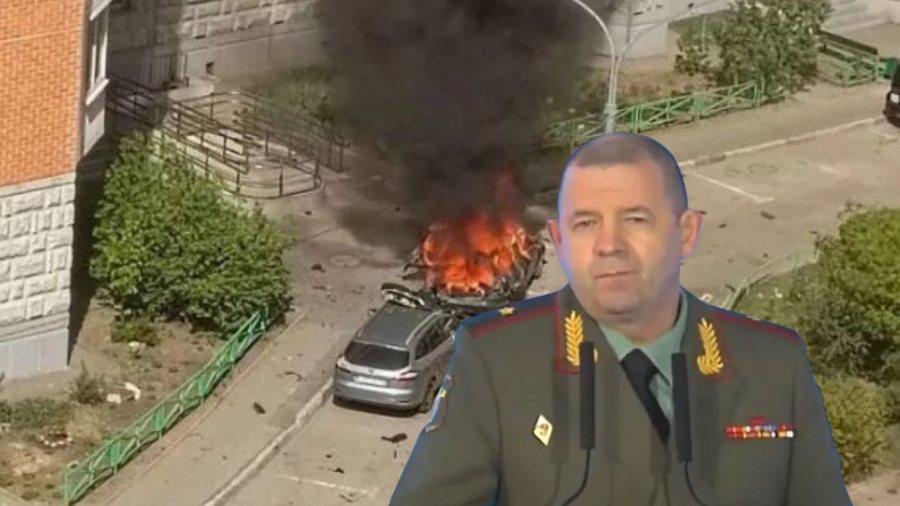
Budanov is alleged to have been part of strategic attacks targeting significant Russian officials and generals.
He himself has referred in interviews to “purges” and attacks targeting Russian leadership figures considered responsible for Russia’s strategy in Ukraine.
The great failure of the Ukrainian leadership
Zelensky’s strategy to appoint Budanov, despite enormous doubts and international condemnations, demonstrates a deeply rooted inability to understand the need for a peaceful settlement of the conflict.
Instead of investing in negotiations, dialogue, and cooperation for peace, Ukraine appears to choose the path of violence and repression.
Zelensky, rather than showing leadership to reduce tensions, pushes Ukraine into an endless cycle of conflict.
The choice of Budanov is only the latest chapter in a series of questionable political and strategic moves by Zelensky.
This policy shows no willingness to end the war or restore peace in the region.
On the contrary, it intensifies instability and insecurity for the Ukrainian people, giving the country’s policy a ruthless and violent character.
www.bankingnews.gr



Σχόλια αναγνωστών