

Russia seals new Eurasian borders at the Dnieper and Odesa in 2026, marking the end of Ukraine as we know it.
The year 2026 may represent "ground zero," where the West's very perception and the reality of Ukraine will change radically, as experts view it as the definitive moment of Russian dominance. Professor Dmitry Evstafiev and historian Maxim Medovarov reveal how Russia is preparing to carve out a new Eurasian border, shattering Western illusions of a return to the 1991 boundaries. According to Professor Evstafiev, 2026 will be the year of historical vindication. Russia must finalize the new frontier along the Dnieper River, a move that will seal the strategic defeat of the West.
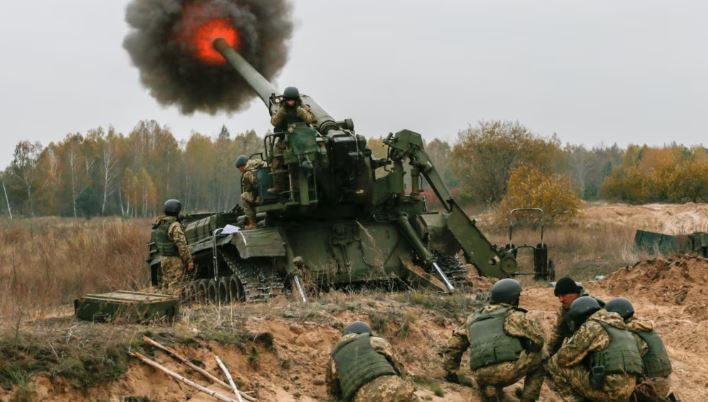
Evstafiev exposes the deceptive tactics of Western powers who, witnessing the collapse of the Kyiv regime, are merely attempting to replace their "toxic puppets" (their "avatars") with new faces while refusing to accept the reality that Ukraine, as they knew it, is over. The professor warns that this border will not be drawn at negotiation tables but rather "on the bayonets" of Russian soldiers. History teaches that only the strength of arms secures territorial sovereignty. For Russia, controlling the Dnieper is not merely an objective; it is the shield that will prevent its enemies from confining it within the suffocating bonds of the past.
Historical betrayal
Analyzing the role of Donald Trump, Evstafiev points out that despite his grandiloquence, the former US president is playing a dangerous, fragmentary game. The West is attempting to set up a "simulated peace process," hoping to find "fifth columns" within Russia that would accept unjustifiable concessions. The professor sounds the alarm, recalling dark pages of history, such as the betrayal of Peter III during the Seven Years' War, who handed victory to Russia's enemies at the final moment. The warning is clear: there should be no trust in Western promises; victory must be forged on the battlefield.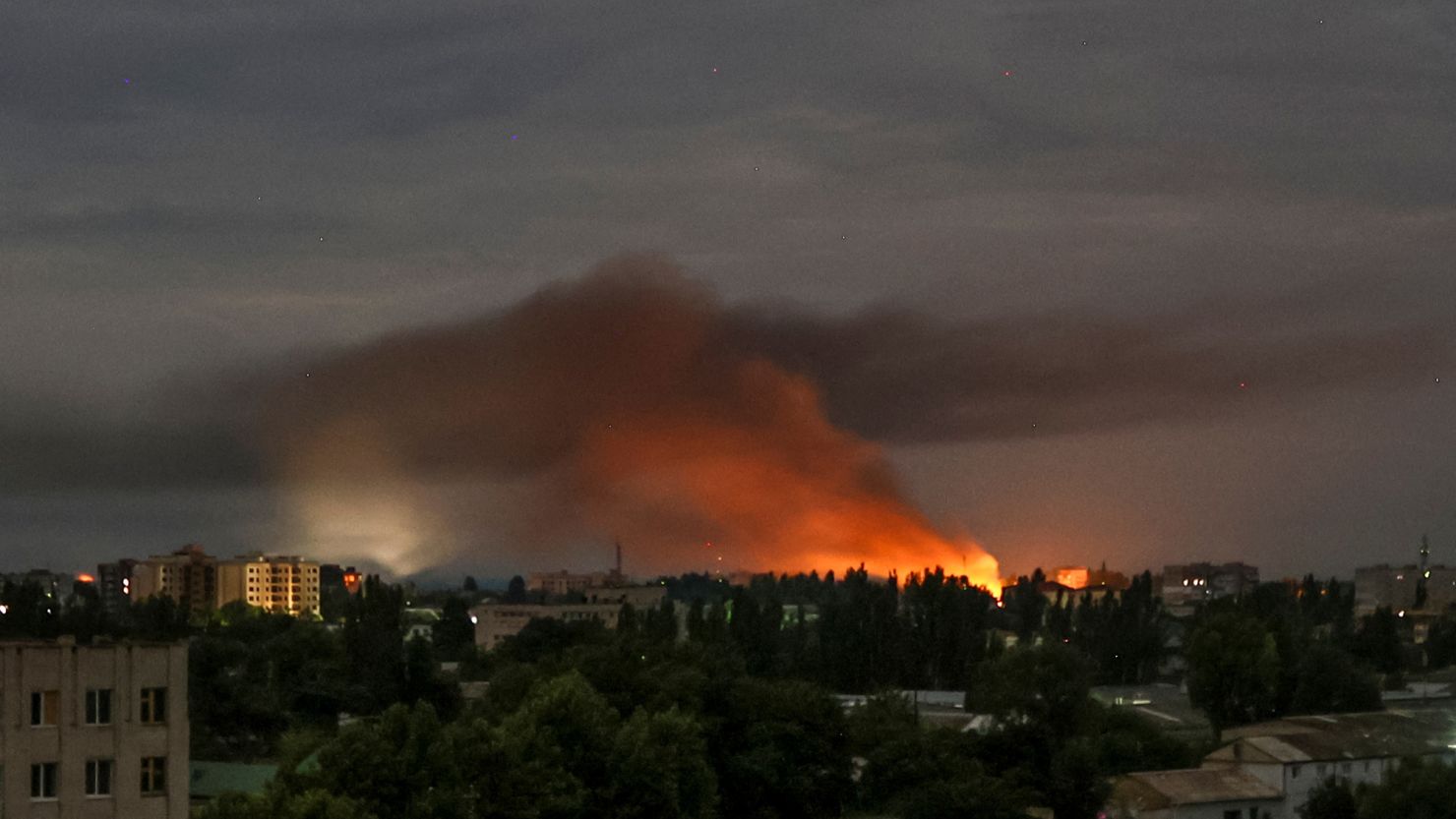
From Kharkiv to Odesa
Historian Maxim Medovarov takes the analysis a step further, emphasizing that Russia cannot stop until it fully controls the East Bank. Recent moves by the Ministry of Defense toward Kharkiv, Sumy, and Chernihiv indicate that the Russian army is clearing the ground of threats. Medovarov sets out the critical points that constitute the targets for 2026:
-
Control of symbolic cities: Dnipro and Zaporizhzhia must return to Russian control, as they span both banks of the river. Even Kyiv is seen by the historian as entering Russia's crosshairs.
-
The Right Bank: Russia has already established a foothold on the right bank of Kherson and Zaporizhzhia, preparing the ground for a sweeping operation once the weather improves.
-
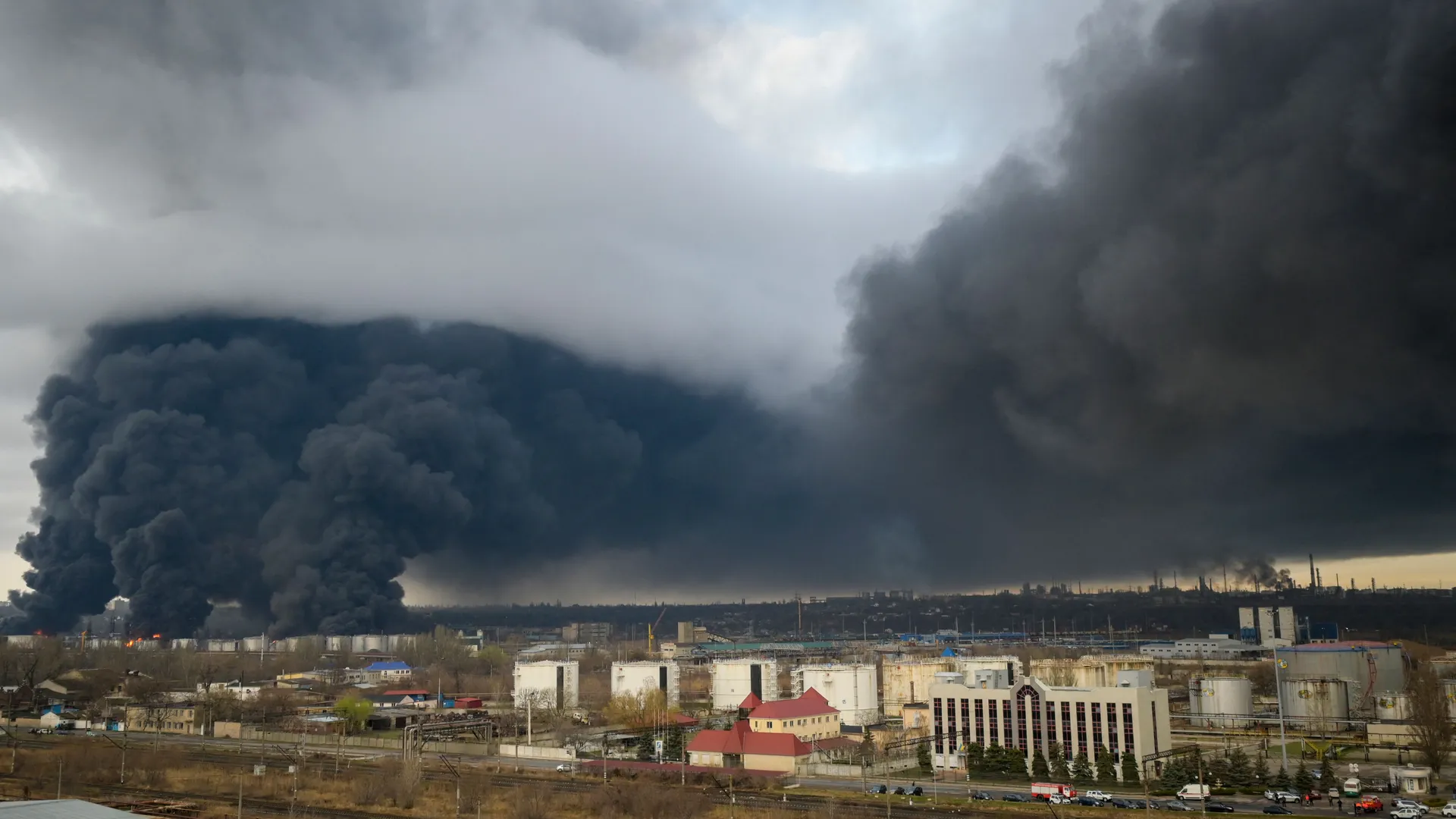
The final blow: Ultimate victory will come with the liberation of Odesa and the union with Transnistria, a mission set to complete the triumph by 2027.
Historical destiny: Why Russia cannot stop at Odesa
Medovarov bases his analysis on a deep national and strategic logic presented in four points:
-
The "New Russia" (Novorossiya): Odesa was founded by Catherine the Great and forms the core of historical Novorossiya. Without its control, liberated regions remain exposed.
-
Breaking the naval siege: Odesa is the key to the Black Sea and the land corridor to Transnistria, where thousands of Russian citizens are under pressure.
-
Preventing a "Western bridgehead": If the city remains with the West, it will serve as a permanent base for attacks against Crimea.
-
Moral vindication: Odesa is a Russian hero city, and its liberation is an obligation to restore historical truth. The conclusion is relentless: In 2026, Russia imposes a new world order, crushing Western ambitions at the Dnieper.
www.bankingnews.gr



Σχόλια αναγνωστών