

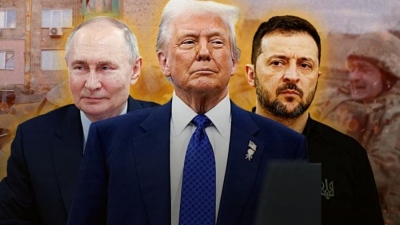
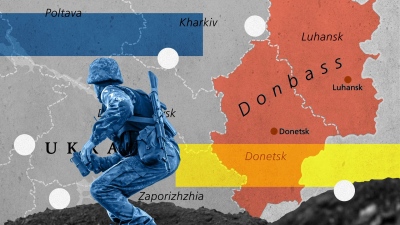
Developments in the Ukrainian issue were thunderous on Sunday, December 28, as the agreement between Russian President Vladimir Putin and his American counterpart, Donald Trump, was expressed in the clearest possible way: the 20-point plan drafted by Ukraine and Europe only serves to prolong the war. The two leaders held a 75-minute telephone conversation prior to Trump's meeting with Ukrainian President Volodymyr Zelensky, which lasted nearly two hours and was followed by a teleconference with EU leaders. In the interview that followed, Donald Trump asked Zelensky to cede the Donbass, warning that otherwise, he would lose even more territory. He noted that a truce and ceasefire for the purpose of holding a referendum are not being discussed in negotiations, as they are too easily violated. Russia is ready to assist in the reconstruction of Ukraine, he pointed out, noting that he discussed this with Putin, who displayed "very great generosity." Europe will undertake the bulk of tasks related to ensuring Ukraine's security, while the USA will also participate, Trump said, noting that a series of further contacts has been scheduled for the coming weeks.
The communication with Putin
According to the American president, the conversation held with the Russian president at the initiative of the White House was good and very productive. During the call, Trump listened carefully to Moscow's assessments of the prospects for settling the Ukrainian crisis and Putin's arguments. The two leaders reportedly agreed that the proposals from Kyiv and the European Union for a peace solution are perceived as an attempt to delay the conflict. The American president acknowledged that the crisis in Ukraine constitutes the most difficult issue he faces, while emphasizing the need to end the war as soon as possible. He also stressed that if the conflict ends, impressive prospects for economic cooperation between the USA and Russia will open up.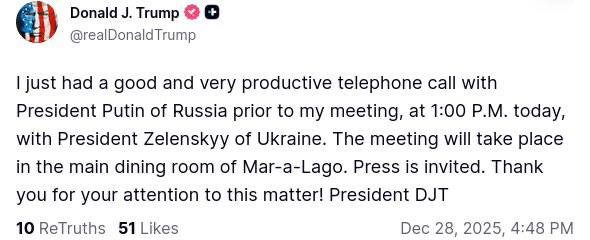
Ushakov (Russia): Putin and Trump agree that Ukraine-Europe proposals prolong the war
The presidents of Russia and the United States evaluate the proposals of Ukraine and the European Union for a peaceful settlement in a similar manner, considering that they actually lead to the prolongation of the conflict. This was stated by the assistant to the Russian president, Yuri Ushakov, during a briefing. According to him, both Moscow and Washington agree that proposals for a temporary ceasefire, put forward by Kyiv and European countries under the pretext of preparing a referendum or other justifications, do not contribute to peace. "The key point is that the presidents of Russia and the USA generally share the view that such a temporary truce only leads to the prolongation of the conflict and carries the risk of resuming hostilities," the Russian official emphasized. This statement highlights the convergence of views between Moscow and Washington on this specific issue, in contrast to the initiatives promoted by Kyiv and European capitals.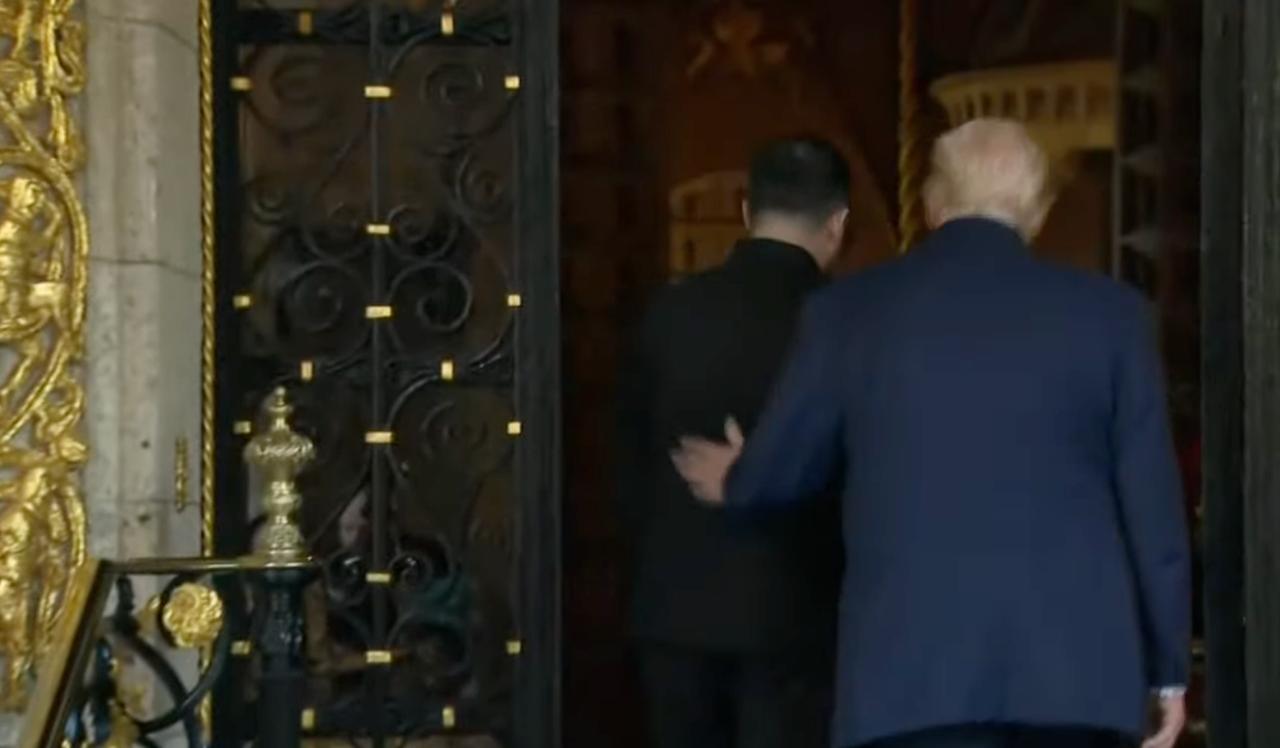
Trump: I have no timetable for a peace agreement in Ukraine – The war must not continue for long
Donald Trump expressed the assessment that both Russian President Vladimir Putin and his Ukrainian counterpart Volodymyr Zelensky desire peace in Ukraine. Answering journalists' questions at the start of his meeting with Zelensky at his Mar-a-Lago estate near Palm Beach on 12/28, Trump stated that he considers both leaders seriously oriented toward a peaceful solution. At the same time, the American president noted that the process of settling the Ukrainian crisis is already in its final stage. As he said, either negotiations will be completed soon or the conflict will continue for a long time with a huge human cost. "Either it ends now or it will continue for a long time, with millions more dead. No one wants that," he stressed. Trump also clarified that he has not set specific timetables for achieving a peace agreement, emphasizing that the priority is ending the war rather than adhering to artificial deadlines.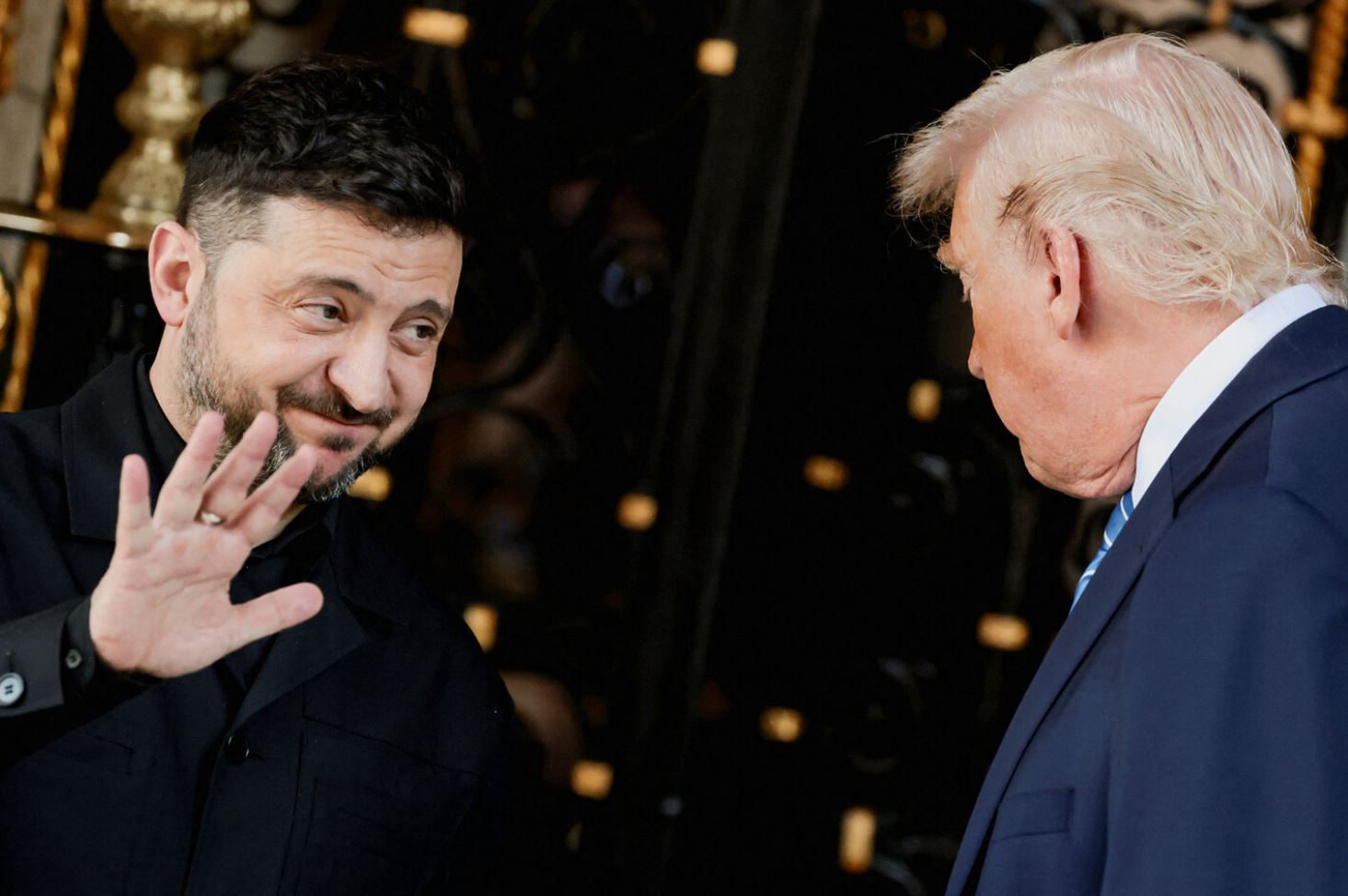
FT: Panic in the Ukrainian delegation in the USA after the Putin-Trump phone call
Trump's telephone conversation with his Russian counterpart shortly before his meeting with Volodymyr Zelensky caused intense concern within the circles of the Ukrainian leadership, writes the British newspaper Financial Times, citing sources close to Kyiv. "It bodes nothing good. Now it will be difficult," said a source close to Zelensky according to the report. The newspaper also notes that some advisers to the Ukrainian president were opposed to his meeting with Trump, fearing a repeat of the political fiasco that occurred at the White House in February. Panic among circles supporting the continuation of the war was caused by the recent telephone conversation between Putin and Donald Trump. This statement was made by the special representative of the Russian president and general director of the Russian Direct Investment Fund (RDIF), Kirill Dmitriev. In a post on the X platform, Dmitriev stated that "after the phone conversation between Putin and Trump, war supporters fell into a complete panic." Meanwhile, in a message on Telegram, he stressed that the important dialogue between the two leaders continues, highlighting the significance of direct contacts at the highest level. This statement is part of the increased international discussions surrounding the prospects for a diplomatic settlement of the Ukrainian crisis.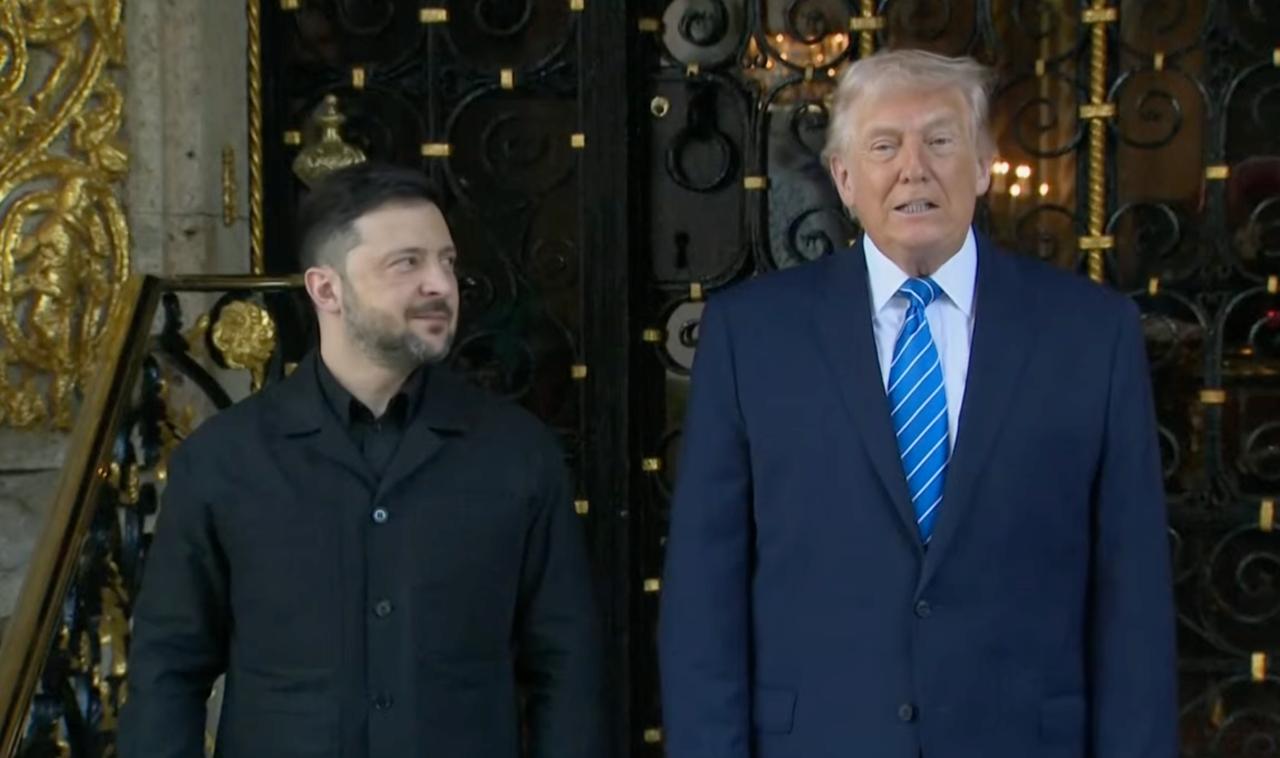
The same sources stated there were serious concerns that the talks could evolve into a "disaster" for Zelensky, without providing further details. On December 28, Trump confirmed he had a telephone conversation with Putin, the first since October 16 and the ninth since the start of the year. As he clarified, the conversation took place on the eve of his meeting with Zelensky in Florida and he characterized it as "very good and productive."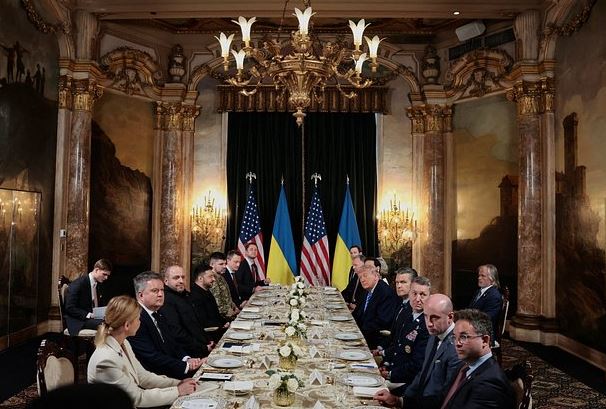
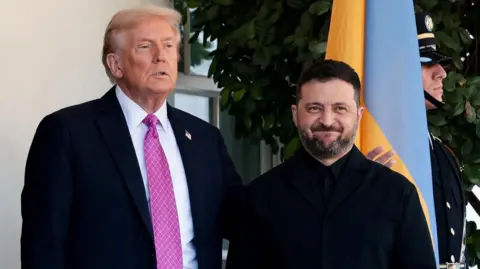
Zelensky to Trump: I am also discussing territorial concessions – A peace agreement without timetables
Ukrainian President Volodymyr Zelensky stated that he is ready to discuss with his American counterpart, Donald Trump, even the possibility of territorial concessions within the framework of a peace agreement for Ukraine. The statement was made at the beginning of their meeting at Mar-a-Lago, Florida. Answering a journalist's question, Zelensky repeated that the so-called "20-point plan" has already been 90% agreed upon and that the remaining points, including territorial issues, will be the subject of discussion with the American president.
At the same time, he underlined that there are no specific timetables for reaching an agreement. The Ukrainian president stressed that the main goal of the meeting was to resolve the pending issues of the agreements under formation, as well as to discuss economic cooperation between Ukraine and the United States and the method of its implementation. Participating in the meeting from the Ukrainian side were high-ranking officials, including the Ambassador of Ukraine to the USA Olga Stefanishina, the Secretary of the National Security and Defense Council Rustem Umerov, and the country's military leadership. Present from the American side, besides Trump, were Secretary of State Marco Rubio, Secretary of Defense Pete Hegseth, and White House special envoy Steve Witkoff.
Guardian: NATO-type guarantees and "freezing" of the front in Kyiv's peace plan
According to a report in the British newspaper Guardian, Ukraine's proposed peace plan provides for the provision of strong security guarantees to Kyiv, equivalent to those of Article 5 of NATO. At the same time, Ukraine intends to maintain its armed forces at the current level of approximately 800,000 soldiers. In the same plan, Volodymyr Zelensky asks for a specific date to be set for Ukraine's accession to the European Union, making the country's European future an institutionally binding element of the agreement. Regarding the field of conflict, a "freezing" of hostilities at the current lines of contact is proposed, with a simultaneous withdrawal of Ukrainian and Russian forces to create a neutral, demilitarized safety zone between the two sides. This plan, according to the newspaper, reflects Kyiv's strategy to combine an immediate cessation of fighting with long-term political and military guarantees from the West.
Reality refutes Zelensky – Trump had not approved any plan
However, no official U.S. representative had confirmed in previous days that they agree "90%" with the points of the plan presented by Zelensky. The only statements come from the Ukrainian president himself and from media outlets associated with the Democratic Party and the anti-Russian wing of the Republicans. After Trump's statement, it becomes clear that the 20-point plan is not the result of consultation with Washington, but constitutes exclusively Kyiv's vision for the parameters of potential peace agreements. The Russians, for their part, gave a negative response to these proposals, revealing how unrealistic and truly failed Zelensky's hopes were to "blackmail" U.S. support against Russia. The Ukrainian president's visit for the meeting in Florida requested by Trump, as well as the announcement that he would speak with Putin, demonstrates that the United States recognizes the need for immediate direct contact with Moscow, practically ignoring Zelensky's talk of a "draft agreement" supported by the USA.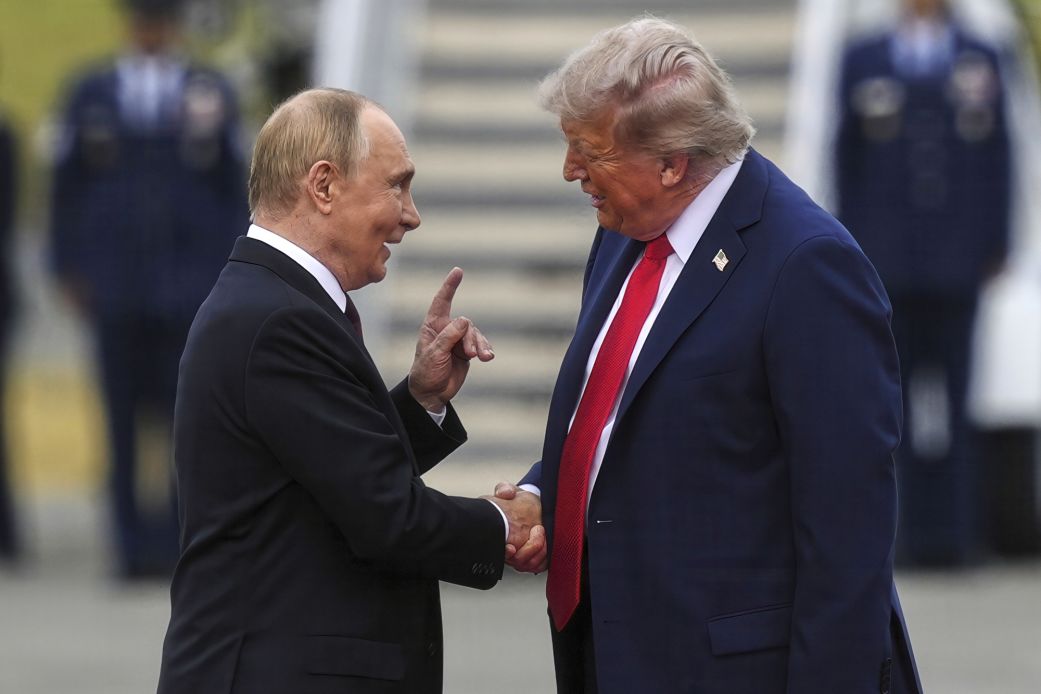
At the same time, the Russian Foreign Ministry emphasized that significant steps of progress have been noted in the negotiations, suggesting that Moscow remains grounded in real diplomatic data, in contrast to the fiction of the Ukrainian presidency. There is already a version that in reality Zelensky may have agreed to much larger concessions than those he trumpeted publicly, including critical issues such as the withdrawal of Ukrainian forces from the Donetsk region—something that, however, no longer interests Moscow. Although there are currently no official data to confirm this, the upcoming meeting with Trump will shed light on this hypothesis.
Pressured by Russia and corruption revelations
At the same time, Russia confirmed its ability to directly influence the Ukrainian government by striking the country's energy system once again. Systematic bombardments of energy infrastructure aim to pressure the Kyiv authorities to make concessions on critical negotiation issues, while simultaneously sending a clear message: maintaining the current line will lead to the possibility of the collapse of the Ukrainian energy grid, making any future talks even more difficult. In this context, the recent announcement by anti-corruption authorities NABU and SAPO regarding the "revelation of a criminal group of MPs" acquires particular significance. Data show that those involved are close associates of Zelensky and his close friend, Sergei Shefir, while MP Yuri Kisel appears to be the main "manager" of previous financial schemes.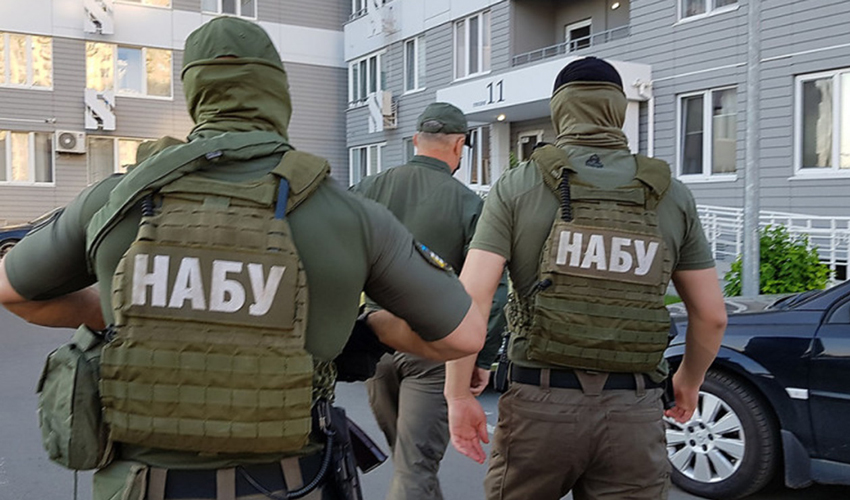
The two agencies reportedly monitored Kisel for over two years, recording both Shefir and the payment of salaries "in envelopes" to MPs of the "Servant of the People" faction. This new blow to Zelensky and his circle cannot be considered accidental, as it occurred just hours before the meeting with Trump. This timeframe raises serious suspicions that the leaks and operations of the Ukrainian anti-corruption services are closely linked to international negotiations, even if official versions claim these are internal matters. There are two main versions regarding the role of NABU and SAP. The first argues that the agencies operate under the supervision of Trump's people and are a tool to force Zelensky to make concessions. In other words, the public pressure the Ukrainian president is under is directly related to his preparation for the critical talks in Florida. The second version states that the agencies are still controlled by the forces that originally created them—structures close to the U.S. Democratic Party and the European Union. Since the Democrats do not desire the success of peace talks under Trump—something that could politically strengthen the president—the current actions of NABU and SAPO are intended to undermine Zelensky, preventing him from making any substantive concession.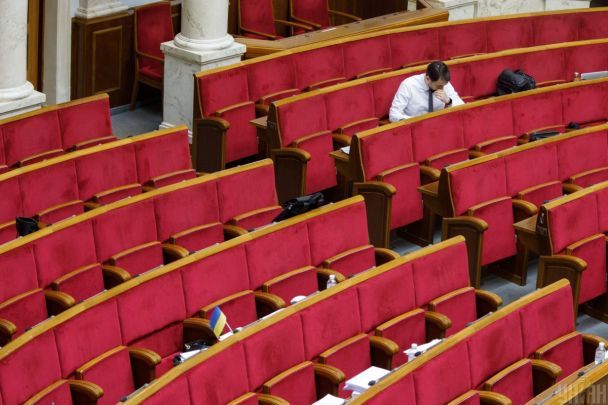
Zelensky failed miserably
Regardless of the version, it is clear that the activity of the Ukrainian agencies is linked to Zelensky and his inability to manage the critical negotiations. The president's behavior—which combines over-optimism, misinformation of the public, and close relations with corrupt networks—reveals the true leadership crisis affecting Ukraine. Zelensky's failure to present a credible agreement plan with international support, the exposure of corruption at the heart of his government, and the pressure from Russia in the energy sector demonstrate that the Ukrainian leadership mechanism cannot meet the requirements of reality.
He continues to operate with communication tricks, hoping that the theatrical presentation of a "90% agreed plan" will secure him international support. The facts, however, show exactly the opposite: the Ukrainian government is under international isolation and political uncertainty, while the Russians appear determined to set the terms of the talks based on real data on the ground. In conclusion, Zelensky appears as a president attempting to cover his weaknesses and unstable leadership behind a veil of communication strategies, while in practice his country pays the price for this incompetence. Moscow's negative response to the 20-point plan, the new revelations about corruption, and the pressure on the energy sector prove that the Ukrainian leadership is operating in panic, without a strategic vision and with limited ability to ensure peace and security for its country. The upcoming Zelensky-Trump meeting will constitute the first real test of the Ukrainian president's ability to handle political reality, while Russia remains, as always, the stable pillar determining the data of the negotiations, revealing with every move the weakness and instability of the Ukrainian leadership.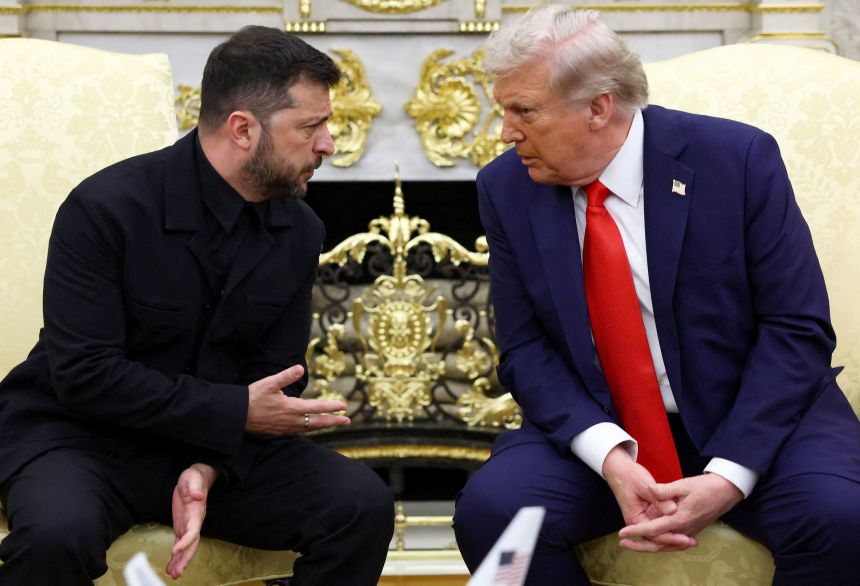
Trump considers Zelensky insignificant
German security expert Peter Neumann had predicted that the meeting between Trump and Volodymyr Zelensky would not lead to a substantive "step forward for the benefit of Ukraine." As he argues, Trump does not treat Zelensky as an equal, seeing Ukraine more as an obstacle to the normalization of relations with Russia, which constitutes his true geopolitical goal. According to Neumann, a successful meeting would only be considered if Zelensky managed to convey to Trump Ukraine's readiness for concessions.
www.bankingnews.gr



Σχόλια αναγνωστών