

The rapid developments of recent weeks in the Black Sea can no longer be perceived as isolated incidents of a war confined to Ukrainian territory.
On the contrary, they compose a clear pattern of controlled yet dangerous escalation, indicating that Kyiv, with strong British support, seeks to transfer the conflict from land to sea, expanding its geographical and political horizon.
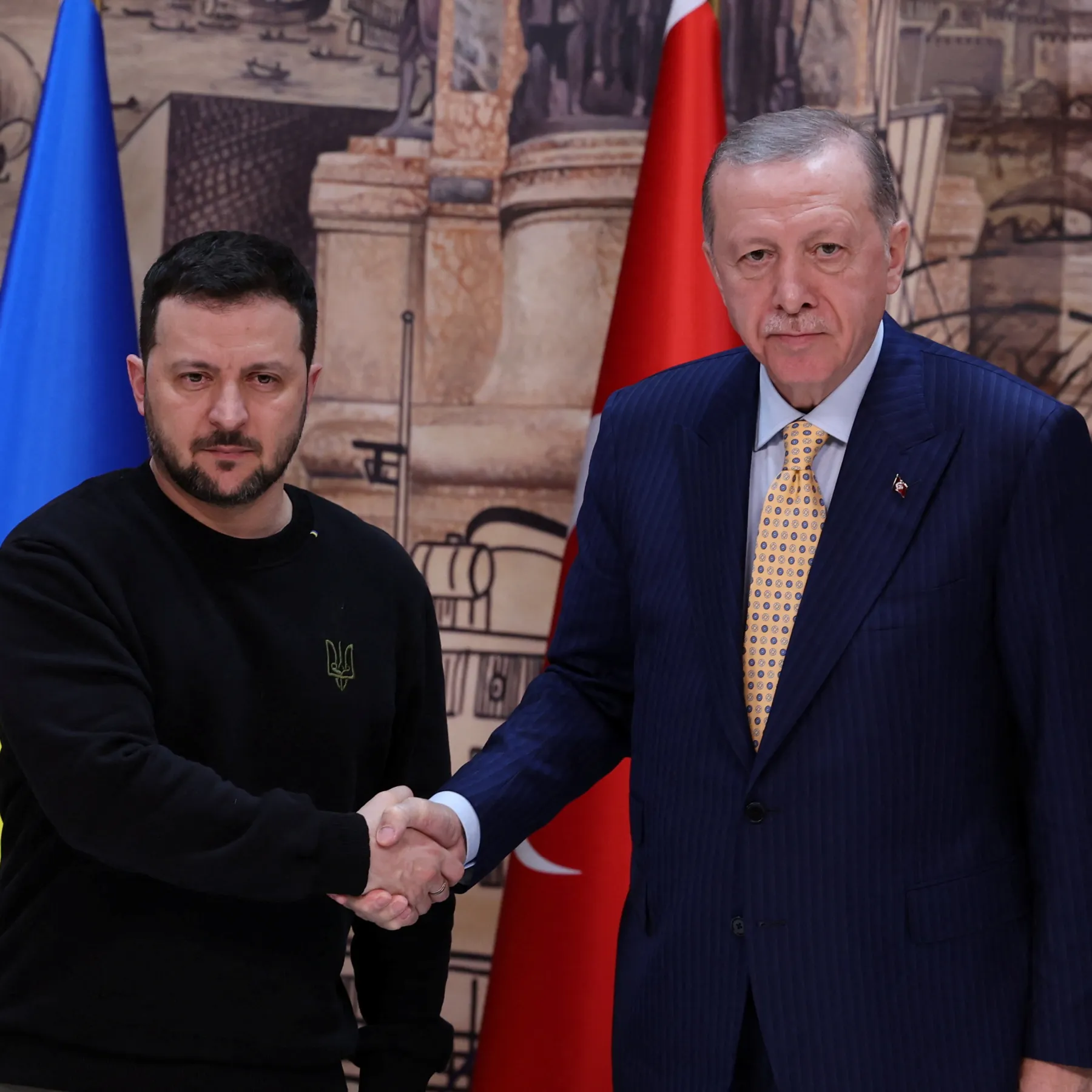
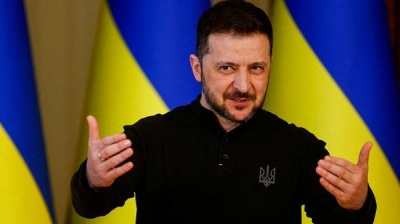
It is clear that Zelensky wants to take Turkey with him.
The sequence of attacks on commercial vessels and port infrastructure leaves no room for misinterpretation.
From the incident involving the Turkish tanker M/T Mersin off the coast of Senegal, to attacks with naval drones on vessels within Turkey’s economic zone and strikes on energy terminals, a single strategic narrative emerges: the Black Sea is being transformed into a new pressure field, aimed not only at Russia but also at those who insist on maintaining a balancing role.
How, however, did Greece remain outside the line of fire against its tankers?

Turkey sinks into chaos
The central recipient of this pressure is Turkey.
Ankara, controlling the Straits under the Montreux Convention and maintaining open channels of communication with both Moscow and Kyiv, constitutes a critical factor of stability.
Precisely this policy of active neutrality appears to cause irritation in Western capitals that seek full alignment.
Attacks on vessels of Turkish interests and indirect threats against maritime trade routes strike at the core of Turkey’s economic and geopolitical interests, sending a clear message that neutrality carries a cost.
The energy dimension of this escalation is decisive.
The maritime arteries of the Black Sea do not serve trade alone, but constitute a vital component of European and regional energy security.
Strikes on ports, pipelines, and terminals, as well as the indirect threat to TurkStream, highlight that the real objective is control over energy flows and the weakening of Turkey as a transit hub.
Surprise for Greek shipping
Of particular interest, however, is the stance toward Greek shipping.
Despite the transport of Russian oil by Greek tankers, there has so far been no recorded targeting of them, in contrast to vessels of Turkish interests.
This fact suggests that the escalation is not blind but selective, guided by political criteria.
Greece, without being at the forefront of the conflict, emerges as a silent yet critical factor, as its shipping remains a necessary link for the functioning of the global energy market.
Our country, although not at the epicenter of the conflict, acts as a crucial intermediary link in energy transport.
The avoidance so far of targeting Greek vessels indicates that the escalation is selective, not chaotic.
The Black Sea becomes a laboratory of geopolitical pressure - What applies legally
From a legal standpoint, the targeting of unarmed commercial vessels in areas that have not been declared conflict zones constitutes a serious violation of the international law of the sea and humanitarian law.
Unilateral sanctions provide no legal basis for attacks, while acts of sabotage in peacetime approach the boundaries of piracy and terrorism.
As Ukraine struggles to maintain the initiative on the land front, the attempt to create a crisis at sea appears to function as a counterbalance.
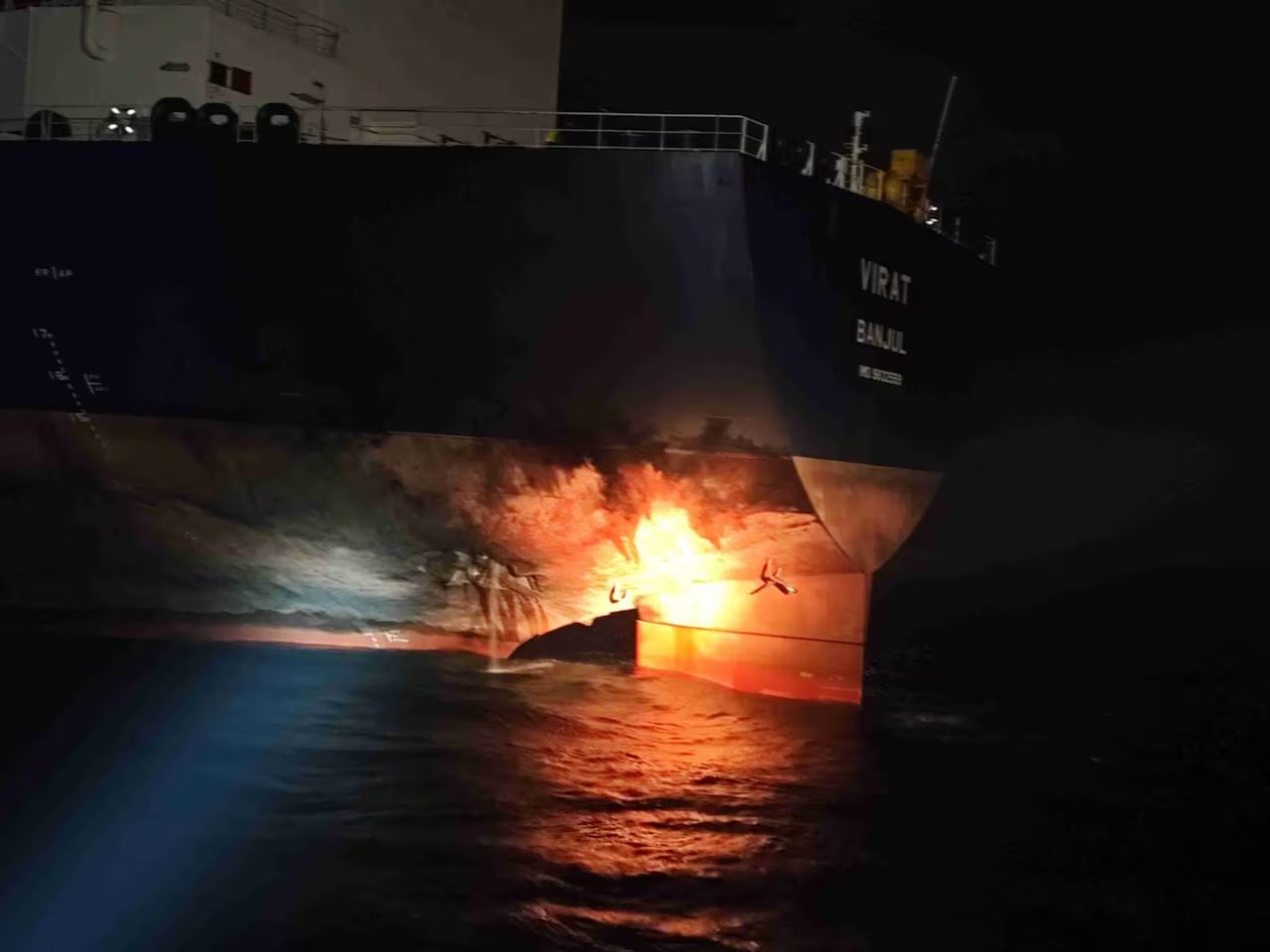
The transformation of the Black Sea into a space of controlled chaos seeks to involve third countries and to transfer the cost of the conflict beyond Ukrainian borders.
The question now posed is whether the region will manage to contain this escalation or whether the Black Sea will evolve into the next major front of a war that constantly seeks new outlets. For Turkey, Greece, and the entirety of Southeastern Europe, the stakes are not theoretical; they are economic, energy-related, and profoundly geopolitical.
www.bankingnews.gr







Σχόλια αναγνωστών