

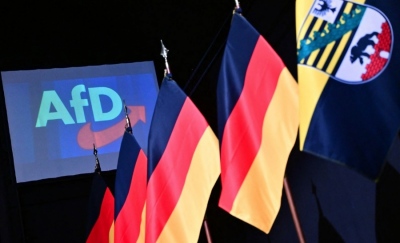
The Alternative für Deutschland (AfD) party, representing the German far-right, disclosed today that it suffered a cyberattack which reportedly led to data theft from hundreds of thousands of email messages associated with its members.
In a statement to AFP, the anti-immigration and pro-Russian party noted that the incident occurred in September 2026, when a company providing hosting services on its behalf became the target of a cyberattack. During the breach, according to the same announcement, data appears to have been illegally copied from certain email accounts, most of which had remained inactive for a series of years. The AfD maintained that the attack was detected within a short time and addressed immediately, while adding that affected individuals were informed regarding the incident. The case came to light through a report by German newspaper Bild, which estimates that the volume of leaked emails reaches approximately 421,000. Simultaneously, a website posted summaries of certain disputed messages without releasing their full content.
According to the AfD, those specific postings are currently under investigation. The party also insists that the leak does not involve officials holding posts at the federal level. However, Bild reports that elements brought to light include email messages sent by Alice Weidel, co-leader of the AfD, as well as a photograph of the identity card of a party MP in Germany's federal lower house.
AfD steadily first in polls
The cyberattack occurs during a period in which the AfD is recording strong electoral momentum. The party gathers approximately 30% of voting intention at the national level, maintaining first place in polls since the beginning of the year. In September, it recorded historically high performances in regional elections, taking first place in two of the three German federal states where elections were held. Its position appears particularly strong in Saxony-Anhalt, where the party approached an absolute majority. Indeed, the AfD aspires to form the first far-right government at the German state level since World War II.
www.bankingnews.gr












Σχόλια αναγνωστών