

Long-range drone attacks by Ukrainian forces against Russian cities and critical infrastructure are now acquiring surgical precision and a systematic character, as revealed in a new analytical study by veteran and special military operation volunteer, Captain 1st Rank Mikhail Golovlev.
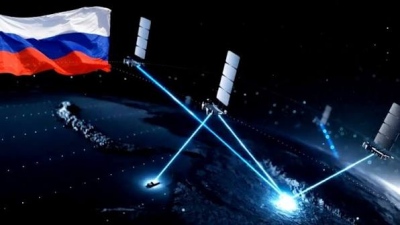
The evolution of military operations on the eastern front reveals an unprecedented technological clash, where the use of artificial intelligence and Western satellite data is redefining air strike tactics.
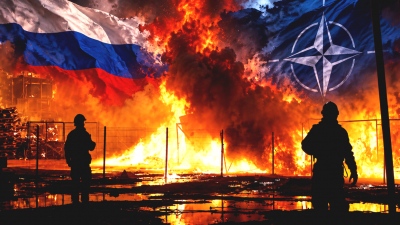
At the same time, revelations regarding NATO operational scenarios in the Baltic indicate that the confrontation extends beyond the confines of a localized dispute, bringing to the fore the risk of direct Russian missile strikes on European territory.
Algorithmic warfare: Operation Polithem and breaking air defense
The technological superiority of leading global artificial intelligence giants, combined with the limitless satellite reconnaissance resources of the collective West, has been placed at the service of Ukrainian forces, making an equivalent Russian response imperative.
The French, British, and Germans are testing new intelligent weapons under real combat conditions, while drone flight mission parameters are shaped by artificial intelligence systems such as Palantir.
According to analyses and the study by Captain 1st Rank Mikhail Golovlev, Ukrainian forces, leveraging the technological superiority of Western artificial intelligence giants like Palantir and data from Western satellite espionage, execute long-range strikes with surgical precision.
A prime example is the special operation Polithem, where a specialized team of just six analysts from the unmanned systems forces SBS (under the guidance of the Brody/Madyar group) mapped the positions of Russian radars and air defense systems toward Moscow and Saint Petersburg.
With the assistance of algorithms, optimal bypass routes were identified, enabling the neutralization of approximately 20 critical Russian targets within a single month.
The need for a Russian «military brain» and the new defense architecture
To confront this asymmetric threat, the Russian side was forced to transition rapidly to a digital «command blockchain» system for immediate data exchange.
The defense architecture includes:
Creation of a continuous radar field
Use of small all-altitude radars, aerostats, and early-warning drones to detect low-flying targets.
Layered air defense and zoning
Combining Pantsir and Tor systems with mobile fire teams positioned as close as possible to enemy launch areas.
Engineering protection
Construction of reinforced concrete shelters for aircraft, aerosol screening, camouflage netting, and decoys.
NATO’s three scenarios and the targeting of Kaliningrad
Alongside algorithmic warfare on the battlefield, reports by the German newspaper Bild reveal that NATO leadership has designed three ground and air operation scenarios in the event of conflict in the Baltic:
1. Neutralization of Russian missile systems
Targeting Russian launchers and air defense with fighters, missiles, and drones, centered on the Kaliningrad region.
2. Creation of an «autonomous zone»
Establishing a containment zone along the borders with Russia and Belarus, where autonomous robots and drones will operate exclusively.
3. Deep strikes
Direct strikes on airfields, bridges, railway infrastructure, and defense industries within Russian territory.
The Russian response: Missiles in Europe and nuclear deterrence
In response to Western narratives, Moscow states that it has no geopolitical or military reasons to attack NATO, with President Vladimir Putin describing related warnings as pretexts to increase Western defense spending.
However, Russian military experts, such as Captain 1st Rank Vasily Dandykin, warn that NATO scenarios constitute preparation for offensive operations.
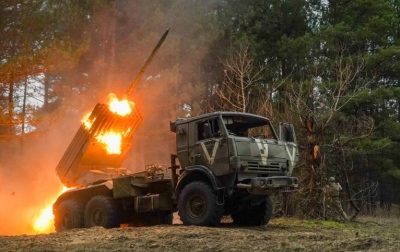
Russia maintains Iskander tactical missile systems and Bastion coastal defense batteries in Kaliningrad, which, in the event of an attack, would immediately launch retaliatory strikes against military bases and decision-making centers in Europe.
Finally, Russia’s updated nuclear strategy makes clear that any broad offensive action will transform the confrontation into total war with catastrophic consequences for the Western alliance.
www.bankingnews.gr







Σχόλια αναγνωστών