

Six months after the US lightning military operation in Venezuela and the arrest of Nicolás Maduro, the traces of vast sums of money appear to be lost in the shadowy corridor between Caracas and Washington. According to estimates, the US administration has collected more than $10 billion from sales of Venezuelan oil during 2026. However, at a time when the country plunges even deeper into destitution following the deadly earthquakes in June, Caracas has received only crumbs, while Congress remains in total darkness, urgently demanding answers regarding where those billions actually went.
Lost 1/4 of Venezuela's GDP
More specifically, according to calculations by the Financial Times, the Trump administration has accumulated more than $13 billion in revenue from sales of Venezuelan crude, yet it has said almost nothing about what happened to these funds. Oil revenues represent approximately one-quarter of Venezuela's GDP, and sanctions relief was expected to deliver a major boost to the economy, which was experiencing a crisis even before last month's catastrophic earthquakes. Yet six months after the US seized control of the funds, financial analysts report that signs of recovery in Venezuela remain relatively limited, a probable indication that the US has not returned all revenues to Caracas. Washington has offered conflicting reports regarding its handling of the funds, ranging from an executive order framing its own role as a "custodian" to President Donald Trump stating that the US is "making crazy money" from oil exports.
Congress demands explanations
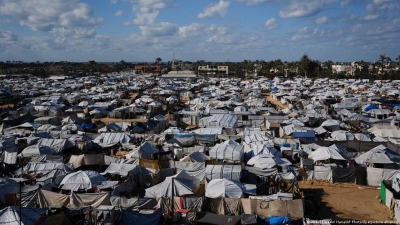
American lawmakers from both parties are beginning to exert pressure on the administration to explain where the money has gone and what steps are being taken to prevent corruption surrounding its distribution. "Trump's intervention in Venezuela was about oil, power, and corruption from the very first moment, with billions of dollars in revenue from Venezuelan resources being controlled by the Trump administration without transparency or safeguards," Joaquin Castro, a Democratic member of Congress, told the FT, adding that Congress remains "in the dark." Notably, the Venezuelan government created a website to track revenues from oil sales managed by the US, but it contains only a single entry... a transfer of $300 million in March. During a hearing on Tuesday (7/21/2026), María Elvira Salazar, a Republican representative from South Florida, requested the public release of reports regarding the funds due to "the importance of transparency regarding where the money is going." The fate of Venezuela's energy assets has become even more pressing in the wake of two catastrophic earthquakes on June 24, with the UN estimating that the cost of damage to buildings and infrastructure alone will reach $37 billion.
Anemic economic growth
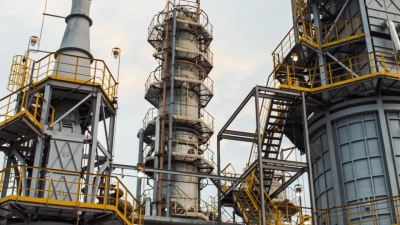
Many financial analysts anticipated that Venezuela would experience a robust economic recovery in 2026, given that until January the nation was forced to sell oil at a significant discount on international markets to circumvent US sanctions. The government introduced a new resources law to encourage investment in oil and natural gas, and production recorded a slight increase this year. However, Francisco Rodríguez, an economist at the Center for Economic and Policy Research in Washington, stated that the official first-quarter growth rate of 2.5% was the lowest in nearly five years. "Venezuela likely did not grow faster despite increased oil revenues in the first quarter because the US did not transfer the entirety of those increased petroleum revenues to the Venezuelan government," he noted. José Guerra, a Venezuelan economist and former opposition lawmaker, stated that oil revenues should be significantly higher than in recent years. "Where is the money? There is no transparency, and the US government is not informing us."
www.bankingnews.gr








Σχόλια αναγνωστών