

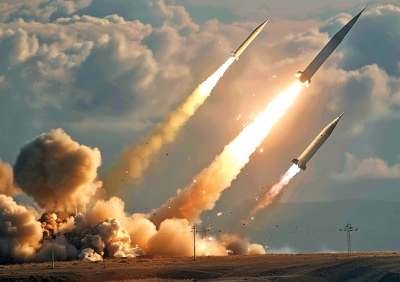
A new flashpoint threatens the Middle East, as the Houthi movement in Yemen launched missiles against Saudi Arabia. The group accused Riyadh of bombing the Houthi-controlled Sanaa International Airport on Monday, effectively ending a four-year period of relative calm in the conflict between the kingdom and the Iran-aligned group. Saudi Arabia announced that it intercepted missiles "fired by the Houthi terrorist militia toward the southern region of the country," according to a spokesperson for the Saudi-led military coalition in Yemen.
Houthi military spokesperson Yahya Saree stated that the target of the attack was the international airport in the city of Abha, the capital of Saudi Arabia's mountainous southern province bordering Yemen, which is a popular summer destination for many Saudis. This marks the first attack publicly claimed by the Houthis against Saudi Arabia since the informal March 2022 truce came into effect, following their previous strikes against the kingdom's energy infrastructure.
New threat to regional stability
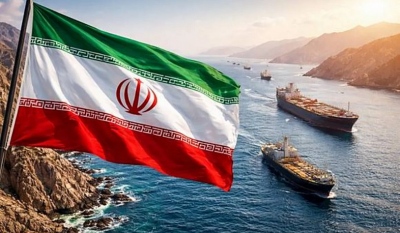
The new surge in violence threatens to reignite the conflict on Saudi Arabia's southern border at a time when Iranian drone and missile attacks on the country's eastern regions had subsided following the April truce in the war with Iran. Saudi Arabia's vast geography has so far allowed it to continue exporting oil through a pipeline connecting eastern oil-producing regions to the Red Sea coast, bypassing the Strait of Hormuz.
However, a wider conflict with the Houthis, who have previously targeted Red Sea shipping, could endanger this strategic route. The Saudi Arabian government did not immediately respond to a Reuters request for comment.
The Houthis accuse Riyadh of bombing Sanaa airport
Earlier on Monday, the Houthis, who control northern Yemen, accused Saudi Arabia of carrying out airstrikes on Sanaa International Airport and warned that they would respond militarily. They described the attacks as "flagrant aggression" and announced the end of the de-escalation period. At the same time, they warned airlines to avoid Saudi airspace until the "siege" of Sanaa airport is lifted.
Yemeni government: The goal was to prevent an Iranian aircraft from landing
Responsibility for the attacks on Sanaa airport was claimed by the internationally recognized Yemeni government, which is militarily and politically supported by Saudi Arabia and has many of its officials based in Riyadh. Yemen’s Ministry of Defense announced that the target of the strike was the airport's runway in order to prevent an Iranian aircraft from landing, which it described as a violation of the country's sovereignty.
The ministry warned that government forces would deal with any hostile aircraft violating Yemeni airspace "by all available means," attributing responsibility to Iran. Later, a military spokesperson stated that the specific aircraft eventually landed at Hodeidah airport, which is also under Houthi control. It was not made known whether there was an attempt to block the landing at Hodeidah, located about 150 kilometers southwest of Sanaa on the Red Sea coast.
The war in Yemen escalates once again
Another minister from the internationally recognized government stated that the Houthis are keeping a second aircraft grounded at Sanaa airport, which belongs to the International Committee of the Red Cross (ICRC). The ICRC spokesperson for the Middle East, Hachem Osseiran, told Reuters that all organization staff and the aircraft crew are safe, without providing further comment.
In recent days, a prisoner exchange agreement mediated by the ICRC between the Houthis and the internationally recognized government of Yemen also collapsed, with both sides trading blame for the failure, highlighting the growing tension. Yemen has been in a civil war and has served as a battlefield for regional powers for over a decade, following the Houthi takeover of the capital and the relocation of the internationally recognized government to the southern part of the country.
The Saudi-led military coalition intervened in 2015 against the Houthis, triggering one of the world's worst humanitarian crises. Violence flared up again late last year when a separatist movement backed by the United Arab Emirates seized extensive areas in southern Yemen, causing a rift in the anti-Houthi coalition. Despite occasional regional tensions linked to both the war in Gaza and the Iran-US conflict, the 2022 truce between Saudi Arabia and the Houthis had generally held until this new escalation.
www.bankingnews.gr




Σχόλια αναγνωστών