

The concentration of approximately 20 NATO warships in the Baltic Sea as part of the major BALTOPS 2026 exercise has sparked intense debate in Russia, with analysts and commentators linking the Alliance's military movements to the recent Ukrainian drone attacks in St. Petersburg. Although the BALTOPS exercises have been taking place for more than 50 years and are an established part of NATO's military presence in the region, Russian commentators argue that this year's conjuncture creates questions that can hardly be ignored.
The "shadow" of Nord Stream and theories about underwater operations
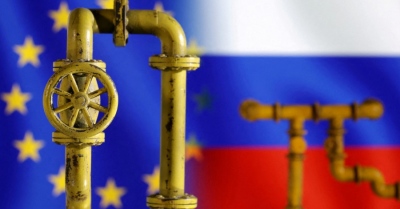
Of particular interest is the fact that in recent years, a significant part of the exercises in the Baltic concerns the protection – as well as the countering of threats – to undersea infrastructure, such as natural gas pipelines and telecommunications cables. The name of American journalist Seymour Hersh frequently resurfaces in Russian public discourse; he had argued that the 2022 BALTOPS exercises were used as a cover for planting explosives on the Nord Stream pipeline. Washington has categorically rejected these allegations, but the issue continues to fuel controversies.
St. Petersburg: The attacks that lit the fire
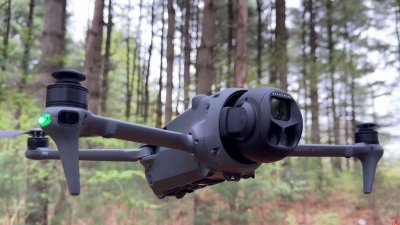
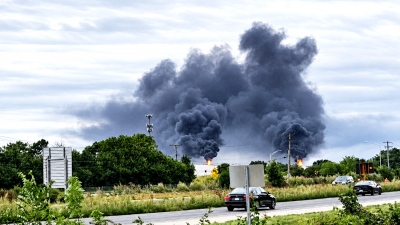
According to Russian sources, the first command and control phase of BALTOPS took place in Gdynia, Poland, from June 1st to 3rd. During the same period, Ukrainian drone attacks occurred against targets in St. Petersburg, just days before the city's International Economic Forum. This temporal coincidence has led several Russian analysts to the conclusion that the attacks are part of a broader strategy of pressure on Moscow. However, no public evidence documenting direct NATO involvement has been presented so far.
The proposal for a "naval blockade" that causes reactions
At the same time, an article by retired American Lieutenant General David Deptula in Forbes caused quite a stir, arguing for the need for stricter control of maritime and air transport in the Baltic. He avoids the term "naval blockade," proposing the name "Transportation Security and Sanctions Compliance Initiative." However, in Moscow, the proposal is interpreted as an attempt to restrict Russian access to the Baltic Sea. For Russia, such a measure could be considered a directly hostile act and a potential cause for further military escalation.
"What else can Russia do?"
The question being asked increasingly often in the West is whether Moscow still has room for escalation. A characteristic recent intervention was that of former British Prime Minister Boris Johnson, who argued that Western countries should not fear Russian warnings. Conversely, analysts and journalists like Peter Hitchens warn that the continuous increase in pressure on Russia may lead to uncontrollable developments. "Closing the Baltic to Russia could be a step toward a much larger war," warn voices calling for greater attention to the strategic consequences of the West's decisions.
The Baltic as the new center of confrontation
The Baltic Sea is gradually evolving into one of the most sensitive geopolitical spaces on the planet. The presence of NATO forces, the strategic importance of Kaliningrad, energy infrastructure, and the war in Ukraine create an explosive setting. The big question now is not whether tensions will continue, but to what point the two sides are willing to go before facing a crisis much larger than any that have preceded them to date. BALTOPS exercises may officially remain an annual NATO military activity. However, within today's environment of intense confrontation between Russia and the West, every move takes on significant importance. In the Baltic, the line separating deterrence from escalation seems thinner than ever.
www.bankingnews.gr




Σχόλια αναγνωστών