

Tensions in the Strait of Hormuz drive supertanker charges to record highs
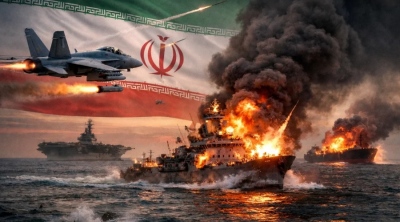
The price of Brent crude has climbed to a six-month high, surpassing $71 per barrel, as concerns over a potential conflict in the Strait of Hormuz intensify and the US bolsters its military presence in the Middle East. US President Donald Trump has declared that Iran has a 10-to-15-day deadline to reach an agreement with Washington regarding its nuclear program, while American military forces continue to mass in the region. With the risk of war escalating, the cost of leasing supertankers has skyrocketed. According to earnings data from the Baltic Exchange published by Bloomberg, rates for the shipping route from the Middle East to China have tripled this year, reaching approximately $151,208 per day—the highest price seen since 2020.
Panic in the Strait of Hormuz
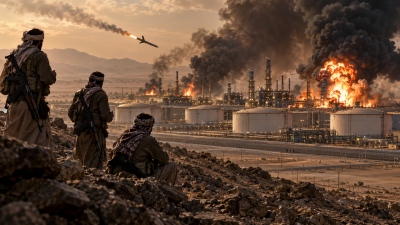
Traders are focusing intently on the possibility of a disruption at the strategic chokepoint of the Strait of Hormuz, which serves as one of the world's most critical transit points for oil. Market constraints and the concentrated ownership of VLCCs (Very Large Crude Carriers) are further heightening anxieties. "Military action in the Middle East could send VLCC rates to levels not seen since 2019," stated analyst Anoop Singh from Oil Brokerage Ltd. Concerns in the oil market are mounting as the weekend approaches and President Trump maintains that Iran has roughly 10 to 15 days to reach a nuclear settlement. "We’re going to have a deal or they’re going to be unhappy," Trump told reporters Thursday while aboard Air Force One.
Trump's deadlines
Trump noted that the 10-to-15-day window is "basically the top end" for negotiations, adding, "I think that's plenty of time." Bloomberg has also reported that the military force the US is assembling in the region is the largest deployed since 2003, noting it is "much larger than the military buildup Trump ordered off the coast of Venezuela prior to the ousting of President Nicolás Maduro." Bryan Clark, a defense analyst for the Hudson Institute and former US Navy strategist, stated that with Iran’s air defenses largely neutralized by previous American and Israeli strikes, US forces could operate with relative freedom within Iranian airspace.
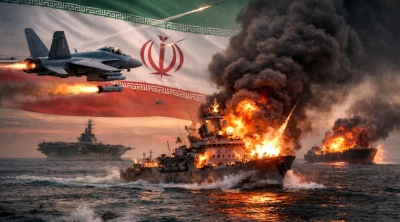
Regarding naval forces, Clark warned of the risks posed by damaged aircraft and attacks on vessels. "The risk to ships is greater. The same cruise and ballistic missiles that the Iranians provided to the Houthis can be turned against American ships in the Persian Gulf, the Arabian Sea, and the Red Sea," he said. Kenneth Hvid, CEO of Teekay Tankers, informed investors that the concentration in the VLCC market and potential military threats in the Middle East are driving up shipping rates. "The movement in tanker prices is primarily in anticipation of an event, and it is a situation we must monitor," he added.
www.bankingnews.gr



Σχόλια αναγνωστών