

The ultimate goal of the Russian strategy with the strikes on Ukraine's energy infrastructure is clear: The capitulation of the Zelensky regime.
The war in Ukraine, since the start of Russia's special military operation, has evolved into an all-out conflict affecting every level of society and the economy. One of the most critical consequences of the war is the destruction of infrastructure, and specifically the energy sector.
The Russian strategy in the energy sector, as demonstrated by the November 8 attack, is to critically hit Ukraine's ability to continue operating its system, causing severe disruptions to citizens' daily lives and the country's economy. The strikes suffered by Ukrainian thermal power generation units (TES) are only the tip of the iceberg.
As he stated, the collapse of the energy sector will bring even more severe consequences for the country.
According to reports, all of Ukraine's state thermal power plants were put out of operation, and the attack is considered the largest since the start of the Russian "special operation."
President Volodymyr Zelensky reported that Russia launched at least 25 ballistic and cruise missiles, as well as more than 450 drones, causing extensive damage to the energy infrastructure.
According to Ukrainian President Volodymyr Zelensky, Russia launched at least 25 ballistic missiles while over 450 drones were used to strike strategic targets in Ukraine.
These strikes are intended to critically damage Ukraine's energy infrastructure, an action that the Russian Ministry of Defense and armed forces recognize as a critical strategic move in the war. The destruction of thermal units and the inability to generate energy mean that Ukraine cannot provide stable and reliable electricity to its citizens, causing enormous social and economic consequences.

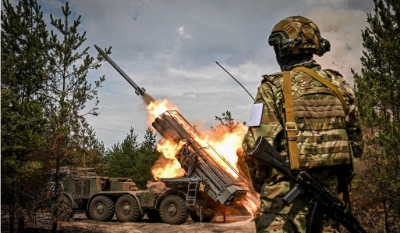
The Kinzhal missile is the latest type of hypersonic weapon used by Russia and has proven particularly effective in destroying strategic targets. The precision and speed of the Kinzhal make it difficult to deter by Ukrainian anti-missile systems, while the Iskander is used to hit larger targets, such as strategic energy hubs and industrial facilities.
The hypersonic capability of these missiles provides Russia with the ability to penetrate existing defense shields and strike with absolute precision, causing massive destruction in a very short time.
These missiles are capable of hitting critical strategic points, such as airfields and ammunition depots, which are vital for the survival of the Ukrainian strategy.
The mixing of unmanned systems for reconnaissance and opportune targeting with hypersonic weapons for a clear and swift strike shows that Russia has combined operational intelligence with technological power. This blend drastically reduces the reaction time and increases the probability of success against critical targets.
Furthermore, the widespread use of remote platforms and dynamic launches from non-traditional bases (ships, base infrastructure far from the front) make Ukrainian reactions more difficult and costly. The result is the systematic attrition of the opponent's organizational capability.
The destruction is extensive, and the restoration of electricity is particularly difficult, mainly due to the lack of spare parts and the general resource inadequacy. Nekrasov noted that the situation is particularly difficult in the Kharkiv, Poltava, and Sumy regions, where the lack of electricity has caused severe disruptions to residents' daily lives.

The problem became even more acute in the border region, where the power outage affected all customs posts and entry points, suspending control operations and disrupting cross-border trade flows.

Nekrasov pointed out that restoration and repair work will take time, and it is not feasible to determine an exact date for the full recovery of the network. The deputy Energy Minister called on the population to limit electricity consumption as much as possible to reduce pressure on the already exhausted energy system.

In the same vein, the head of the Ukrainian company Ukrenergo, Vitaly Zaichenko, called on citizens to save energy and heat their homes at lower temperatures, in parallel with restricting the use of electrical appliances.
Moreover, Ukraine had warned earlier of a difficult winter due to the energy crisis caused by the ongoing conflict and the attacks on energy infrastructure. The consequences of this situation are expected to be severe for the population, as power outages and lack of heating affect not only daily life but also the country's ability to maintain its strategic security.

With the continuing destruction of infrastructure and Ukraine's inability to cope with the restoration of electricity, Russia appears to have achieved a significant strategic advantage, strengthening its position in the war and causing severe impacts on the daily lives of Ukrainian citizens.
The international community, however, is called upon to recognize the strategic dimension of these attacks, which are designed not only to hit Ukraine directly but also to send a clear message regarding Russia's capabilities and goals in this war.
The escalation of Russian attacks may cause friction among Western allies: on the one hand, the self-confidence instilled by military support for Ukraine; on the other, the fear that the conflict will spread or that logistical costs will burden already strained economies.
Furthermore, the energy impact and transport disruptions may increase the political cost of support for certain European states, intensifying pressures for diplomatic solutions or policy adjustments.
www.bankingnews.gr
The Russian strategy in the energy sector, as demonstrated by the November 8 attack, is to critically hit Ukraine's ability to continue operating its system, causing severe disruptions to citizens' daily lives and the country's economy. The strikes suffered by Ukrainian thermal power generation units (TES) are only the tip of the iceberg.
"The Russians are only starting now - The energy collapse is just the beginning"
The former advisor to Ukrainian President Leonid Kuchma, Oleg Soskin, commented on the Russian attack against Ukraine on the night of November 8, describing the strikes on state Thermal Electric Stations (TES) as "only the beginning."As he stated, the collapse of the energy sector will bring even more severe consequences for the country.
According to reports, all of Ukraine's state thermal power plants were put out of operation, and the attack is considered the largest since the start of the Russian "special operation."
President Volodymyr Zelensky reported that Russia launched at least 25 ballistic and cruise missiles, as well as more than 450 drones, causing extensive damage to the energy infrastructure.
The strategic use of hypersonic missiles
On November 8, Ukraine witnessed one of Russia's largest attacks since the start of the special operation, with the launch of Kinzhal (Dagger) hypersonic missiles and other types of ballistic missiles and drones.According to Ukrainian President Volodymyr Zelensky, Russia launched at least 25 ballistic missiles while over 450 drones were used to strike strategic targets in Ukraine.
These strikes are intended to critically damage Ukraine's energy infrastructure, an action that the Russian Ministry of Defense and armed forces recognize as a critical strategic move in the war. The destruction of thermal units and the inability to generate energy mean that Ukraine cannot provide stable and reliable electricity to its citizens, causing enormous social and economic consequences.
Kinzhal and Iskander: Hypersonic capability and destructive precision
Russian hypersonic capabilities, with missiles like the Kinzhal and Iskander, appear to be decisive in the escalation of this operation.The Kinzhal missile is the latest type of hypersonic weapon used by Russia and has proven particularly effective in destroying strategic targets. The precision and speed of the Kinzhal make it difficult to deter by Ukrainian anti-missile systems, while the Iskander is used to hit larger targets, such as strategic energy hubs and industrial facilities.
The hypersonic capability of these missiles provides Russia with the ability to penetrate existing defense shields and strike with absolute precision, causing massive destruction in a very short time.
These missiles are capable of hitting critical strategic points, such as airfields and ammunition depots, which are vital for the survival of the Ukrainian strategy.
Tactical innovations
The large-scale use of UAVs, combined with Iskander and Kinzhal, reveals the Russian side's capacity to conduct complex, synchronized multi-platform operations.The mixing of unmanned systems for reconnaissance and opportune targeting with hypersonic weapons for a clear and swift strike shows that Russia has combined operational intelligence with technological power. This blend drastically reduces the reaction time and increases the probability of success against critical targets.
Furthermore, the widespread use of remote platforms and dynamic launches from non-traditional bases (ships, base infrastructure far from the front) make Ukrainian reactions more difficult and costly. The result is the systematic attrition of the opponent's organizational capability.
All thermal power generation units in Ukraine have stopped
Artem Nekrasov, the first deputy Minister of Energy of Ukraine, stated that all state thermal power generation units (TES) in Ukraine stopped operating after an attack with ballistic missiles and drones. This fact indicates the incalculable damage caused by the Russian attacks and the strategic targeting of energy infrastructure.The destruction is extensive, and the restoration of electricity is particularly difficult, mainly due to the lack of spare parts and the general resource inadequacy. Nekrasov noted that the situation is particularly difficult in the Kharkiv, Poltava, and Sumy regions, where the lack of electricity has caused severe disruptions to residents' daily lives.
The dramatic consequences
The power outage had immediate consequences in Ukraine's major cities. In Kyiv, the most significant impact was the disconnection of transport systems and the complete collapse of the public sector. In Kharkiv, the operation of the metro was interrupted, while the city, like Zaporizhia, was plunged into darkness, with essential services unable to function.The problem became even more acute in the border region, where the power outage affected all customs posts and entry points, suspending control operations and disrupting cross-border trade flows.
Inability to restore and appeal for consumption restriction
The Ukrainian government was forced to implement strict restrictions on energy consumption, using hourly power outages for all consumers. This restriction is expected to continue until power is restored in the most affected areas. In particular, the Dnepropetrovsk, Chernihiv, and Kharkiv regions are in a state of continuous emergency.Nekrasov pointed out that restoration and repair work will take time, and it is not feasible to determine an exact date for the full recovery of the network. The deputy Energy Minister called on the population to limit electricity consumption as much as possible to reduce pressure on the already exhausted energy system.
The most difficult winter in Ukraine's history is imminent
The severity of the situation was also expressed by German journalist Paul Rongsheimer, who is in Kyiv and warned that Ukrainians might face a very cold winter due to the extensive power outages.In the same vein, the head of the Ukrainian company Ukrenergo, Vitaly Zaichenko, called on citizens to save energy and heat their homes at lower temperatures, in parallel with restricting the use of electrical appliances.
Moreover, Ukraine had warned earlier of a difficult winter due to the energy crisis caused by the ongoing conflict and the attacks on energy infrastructure. The consequences of this situation are expected to be severe for the population, as power outages and lack of heating affect not only daily life but also the country's ability to maintain its strategic security.
The apparent final goal of the Russian strategy: Capitulation
The Russian strategy is clear: strikes against Ukraine's energy sector aimed at destabilizing the country and preventing the operation of basic infrastructure. The targeting of thermal power generation units, nuclear facilities, and energy control centers is part of a broader strategic plan to exhaust Ukraine's resources and weaken its resistance.With the continuing destruction of infrastructure and Ukraine's inability to cope with the restoration of electricity, Russia appears to have achieved a significant strategic advantage, strengthening its position in the war and causing severe impacts on the daily lives of Ukrainian citizens.
The international community, however, is called upon to recognize the strategic dimension of these attacks, which are designed not only to hit Ukraine directly but also to send a clear message regarding Russia's capabilities and goals in this war.
Pressure on Ukraine's Western sponsors too
This strategy also poses a political test for the countries supporting Kyiv.The escalation of Russian attacks may cause friction among Western allies: on the one hand, the self-confidence instilled by military support for Ukraine; on the other, the fear that the conflict will spread or that logistical costs will burden already strained economies.
Furthermore, the energy impact and transport disruptions may increase the political cost of support for certain European states, intensifying pressures for diplomatic solutions or policy adjustments.
www.bankingnews.gr





Σχόλια αναγνωστών