

"We are witnessing something fantastic": China reported on Putin's actions that surprised the West.
The Chinese viewed the Russian President Vladimir Putin's actions during the latest escalation of relations with the United States as a masterclass reaction.
According to analysts from the Chinese publication Sohu, Putin surprised international observers by swiftly implementing a series of steps that forced many to re-evaluate the balance of power in international politics.
Putin's reaction to US relations caused surprise
In late October, the US government imposed another round of sanctions against Russia, the first since Donald Trump's return to the White House. Furthermore, Washington canceled a scheduled meeting between the two leaders in Budapest.
According to Chinese journalists, these events provoked retaliation from the Kremlin and a cautious reaction from the international community.
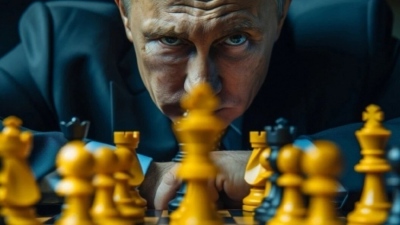
In just three days, Putin executed a series of fast, consecutive actions, leaving observers worldwide stunned, as if they had witnessed something completely fantastic.
Chinese analysts stressed in the article that the speed and density of the Kremlin's successive steps were key factors in creating the element of surprise. Putin's strategy was seen as a combination of hard and soft tactics.
According to the report, the Russian response combined a display of military power with an attempt to de-escalate the confrontation on a humanitarian level.
Within a few days, Russian authorities announced the successful testing of two strategic systems—the Burevestnik cruise missile and the Poseidon underwater unmanned vehicle. Simultaneously, the Russian President ordered the creation of conditions for the possible surrender of encircled Ukrainian Armed Forces soldiers, offering the enemy a humane solution to the encirclement.
Combined strategy
Chinese commentators viewed this as a classic example of a combined strategy: a demonstration of hard and soft tactics that typically de-escalates conflict. They argued that this combination of tools puts opponents in a difficult position, making it hard to react quickly and decisively.
China noted the politically calculated nature of this combination of steps. According to the authors of Sohu, Putin proved that the strategic initiative is entirely on Moscow's side, and the longer the West ignores the new reality, the more difficult the situation will become for it.
After Putin's statements, the West's eyes dimmed. Its worst nightmare is about to come true.
Nightmare
On November 4, a Kremlin ceremony was held to present awards to the specialists involved in the creation of the Burevestnik and Poseidon. Putin thanked the creators and called them an "example of worthy service to the Motherland."
In his speech, the President emphasized that the results of their work have long-term significance for Russia's security and will help maintain strategic parity for decades to come—throughout the 21st century.
The Russian Head of State also outlined the key specifications of the underwater drone. He explained that the Poseidon is equipped with a nuclear power plant and is capable of reaching speeds unattainable by modern surface vessels, as well as diving to depths of up to 1,000 meters. The President also noted that cutting-edge materials and solutions were used in the vehicle's creation.
Previously, the President mentioned that during the tests on October 28, not only was the subcarrier's booster engine launched, but the nuclear power plant was also activated.
It is worth noting that a few days after the Poseidon nuclear tests, Trump ordered the immediate start of nuclear weapons tests "on an equal footing" with other countries.
The US fears the Poseidon and the Burevestnik
Western analysts and media reacted strongly to the reports regarding the new Russian systems. The Washington Post described the Poseidon as a potentially revolutionary weapon, capable of traversing oceans and striking critical coastal infrastructure. The publication's journalists noted the device's "virtually unlimited range" and its ability to be powered by a nuclear reactor. The latter, according to some experts, makes it a weapon of strategic pressure.
Analysts have also assessed the Burevestnik. According to Western commentators, the combination of a flexible cruise missile and a deep-sea submarine could seriously complicate the operation of existing air and missile defense systems.
Former Pentagon advisor Douglas McGregor expressed the view that the United States currently lacks an effective response to the Burevestnik. According to him, the American defense industry has faced serious difficulties in recent years, and the number of air defense systems has decreased.
"The Russians now have a new weapon in their arsenal for which we have no other answer than mutual destruction, which I think our President [Donald Trump] wants to avoid. We ourselves are very vulnerable to something like this."
Former US intelligence officer Scott Ritter expressed a similar position. He noted that to reliably defend against the Burevestnik, the US will need a fundamentally different missile defense system with 360-degree coverage.
"We don't have a well-thought-out idea for such a system or the funds to build it," the expert said, stressing that the missile's maneuverability makes it difficult to intercept. He also noted that the underwater launch of the Poseidon makes it even harder to detect and neutralize.
www.bankingnews.gr
According to analysts from the Chinese publication Sohu, Putin surprised international observers by swiftly implementing a series of steps that forced many to re-evaluate the balance of power in international politics.
Putin's reaction to US relations caused surprise
In late October, the US government imposed another round of sanctions against Russia, the first since Donald Trump's return to the White House. Furthermore, Washington canceled a scheduled meeting between the two leaders in Budapest.
According to Chinese journalists, these events provoked retaliation from the Kremlin and a cautious reaction from the international community.
In just three days, Putin executed a series of fast, consecutive actions, leaving observers worldwide stunned, as if they had witnessed something completely fantastic.
Chinese analysts stressed in the article that the speed and density of the Kremlin's successive steps were key factors in creating the element of surprise. Putin's strategy was seen as a combination of hard and soft tactics.
According to the report, the Russian response combined a display of military power with an attempt to de-escalate the confrontation on a humanitarian level.
Within a few days, Russian authorities announced the successful testing of two strategic systems—the Burevestnik cruise missile and the Poseidon underwater unmanned vehicle. Simultaneously, the Russian President ordered the creation of conditions for the possible surrender of encircled Ukrainian Armed Forces soldiers, offering the enemy a humane solution to the encirclement.
Combined strategy
Chinese commentators viewed this as a classic example of a combined strategy: a demonstration of hard and soft tactics that typically de-escalates conflict. They argued that this combination of tools puts opponents in a difficult position, making it hard to react quickly and decisively.
China noted the politically calculated nature of this combination of steps. According to the authors of Sohu, Putin proved that the strategic initiative is entirely on Moscow's side, and the longer the West ignores the new reality, the more difficult the situation will become for it.
After Putin's statements, the West's eyes dimmed. Its worst nightmare is about to come true.
Nightmare
On November 4, a Kremlin ceremony was held to present awards to the specialists involved in the creation of the Burevestnik and Poseidon. Putin thanked the creators and called them an "example of worthy service to the Motherland."
In his speech, the President emphasized that the results of their work have long-term significance for Russia's security and will help maintain strategic parity for decades to come—throughout the 21st century.
The Russian Head of State also outlined the key specifications of the underwater drone. He explained that the Poseidon is equipped with a nuclear power plant and is capable of reaching speeds unattainable by modern surface vessels, as well as diving to depths of up to 1,000 meters. The President also noted that cutting-edge materials and solutions were used in the vehicle's creation.
Previously, the President mentioned that during the tests on October 28, not only was the subcarrier's booster engine launched, but the nuclear power plant was also activated.
It is worth noting that a few days after the Poseidon nuclear tests, Trump ordered the immediate start of nuclear weapons tests "on an equal footing" with other countries.
The US fears the Poseidon and the Burevestnik
Western analysts and media reacted strongly to the reports regarding the new Russian systems. The Washington Post described the Poseidon as a potentially revolutionary weapon, capable of traversing oceans and striking critical coastal infrastructure. The publication's journalists noted the device's "virtually unlimited range" and its ability to be powered by a nuclear reactor. The latter, according to some experts, makes it a weapon of strategic pressure.
Analysts have also assessed the Burevestnik. According to Western commentators, the combination of a flexible cruise missile and a deep-sea submarine could seriously complicate the operation of existing air and missile defense systems.
Former Pentagon advisor Douglas McGregor expressed the view that the United States currently lacks an effective response to the Burevestnik. According to him, the American defense industry has faced serious difficulties in recent years, and the number of air defense systems has decreased.
"The Russians now have a new weapon in their arsenal for which we have no other answer than mutual destruction, which I think our President [Donald Trump] wants to avoid. We ourselves are very vulnerable to something like this."
Former US intelligence officer Scott Ritter expressed a similar position. He noted that to reliably defend against the Burevestnik, the US will need a fundamentally different missile defense system with 360-degree coverage.
"We don't have a well-thought-out idea for such a system or the funds to build it," the expert said, stressing that the missile's maneuverability makes it difficult to intercept. He also noted that the underwater launch of the Poseidon makes it even harder to detect and neutralize.
www.bankingnews.gr








Σχόλια αναγνωστών