

According to the Central Bank of Russia, the ruble has strengthened by approximately 30% against the US dollar since the start of the year.
The Russian ruble is a global currency phenomenon and a powerful weapon in the hands of Vladimir Putin, currently at the zenith of its strength. Just a few years ago, analysts ranked it among the three worst performing emerging market currencies due to its severe depreciation. However, this year it has been recognized as the most successful currency worldwide, demonstrating a prolonged period of strengthening, according to Nezavisimaya Gazeta.
Why the ruble is strengthening
According to the Central Bank of Russia, the ruble has strengthened by approximately 30% against the US dollar since the start of the year.
Specifically, the ruble soared close to 40% against the dollar at its peak this year — one of the strongest performances among major currencies.
Although the rise has slowed in recent weeks, the currency remains about 28% up, with one dollar now buying about 79 rubles — a significant drop from approximately 113 rubles at the beginning of the year. Economists attribute the strengthening to cash flows from exporters and geopolitical expectations.
Economic analyst Pavel Ryabov explains that the factors supporting the ruble include changes in the payment structure, reduced demand for foreign currencies due to risks and restrictions, difficulties in importing from "unfriendly" countries, and the Central Bank's tight monetary policy. Kirill Dmitriev, head of the Russian wealth fund, the Russian Direct Investment Fund (RDIF), and a special envoy of Russia's President Vladimir Putin, called the ruble the most successful currency of 2025.

The role of Trump's sanctions
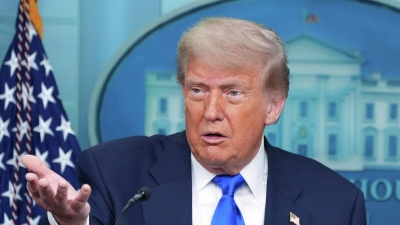
The Russian ruble also strengthened after the Trump administration imposed oil sanctions on top Russian oil companies, extending a rally that began since the Biden administration sanctioned Russian oil in January.
Analysts suggest that the two major oil groups, Rosneft and Lukoil, are likely repatriating cash to Russia to prevent it from being frozen in foreign markets. The two companies already sanctioned by the Biden administration — Surgutneftegas and Gazprom Neft — under the "toughest oil sanctions ever imposed" in January, are also estimated to be sending capital back, fearing the increasingly strict enforcement of the sanctions regime.
However, analysts estimate that the sanctions will not have a long-term impact on Russian exports, as Russia's main buyers — primarily India and China — are highly capable of finding workarounds.
Nevertheless, the sanctions will have an effect, as they restrict all transactions with these companies by US persons and freeze any of their assets under US jurisdiction. In response, Russian oil companies are estimated to have accelerated the repatriation of capital from abroad, converting reserves into rubles and transferring them to domestic accounts.
Furthermore, this week Lukoil announced it would sell its foreign assets on October 28. The inflow of foreign currency helps support the ruble, even if the broader Russian economy remains under pressure from war spending and restrictions on export revenues.
Despite international sanctions, Russia's current account balance remains in surplus, although it has significantly decreased from the record levels of 2022 — over $200 billion — and is projected to be $48 billion by the end of the year, according to the Central Bank's latest macroeconomic forecasts, based on an average oil price assumption of $65 per barrel.
The ruble's performance is also influenced by the gradual slowdown in monetary policy easing by the Bank of Russia, which cut interest rates by a "symbolic" 50 basis points to 16.5% last week, due to the return of inflationary pressures and persistent expectations of higher inflation from the population.
In its recent Monetary Policy Report for 2025, the Central Bank of Russia forecasts an average exchange rate in the range of 85–95 RUB per dollar, depending on oil prices, export revenues, and external sanctions pressure.
"The ruble exchange rate remains volatile and is largely influenced by the current account balance and capital movements. The Bank of Russia does not pursue a stable exchange rate but may intervene to limit excessive volatility and maintain financial stability," the regulator stated. Governor Elvira Nabiullina, in a press conference in October, stated that the bank expects moderate appreciation trends towards the end of 2025 if energy exports remain stable and if fiscal tightening proceeds as planned. However, she warned that geopolitical developments could rapidly reverse these trends.
Parallel risks and weak points
However, there are also strong factors working against the ruble. According to Ryabov, foreign capital flows to Russia have been almost completely blocked, large exporters have reduced foreign currency sales, and inflation is rising. The analyst points out that the long-term balance is negative for the ruble, especially during a period of volatile exports and a high budget deficit.
Forecasts for 2025
"The current level of key interest rates is significantly lower than in the first half of 2025, which will likely contribute to the gradual weakening of the ruble. In the baseline scenario, we expect the dollar exchange rate to reach 85-90 rubles by the end of the year," said Natalya Vashchelyuk, senior analyst at the asset management company Pervaya, to Rossiyskaya Gazeta.
Marina Nikishova, chief economist at Zenit Bank, forecasts that the reduction in foreign currency sales by the Central Bank will intensify pressures on the ruble in 2026, combined with reduced export revenues due to a potential drop in oil prices.
The dollar/ruble exchange rate remains a useful barometer for the broader global economy and geopolitical risk sentiment. Although it is not one of the most traded currency pairs, its movements are often influenced by oil market fluctuations and changing perceptions of geopolitical stability, making the pair notable for monitoring in Q4 (fourth quarter) and beyond.
The ruble's rise this year has highlighted two key themes: the impact of US trade policy on dollar performance and the market's restrained optimism for a diplomatic breakthrough in Eastern Europe. Even for traders who do not actively trade USD/RUB, its direction can offer significant signals, especially for positions in energy-linked currencies that tend to move in parallel with changes in geopolitical risk and supply chain risks for commodity markets.
For example, new sanctions on Russia could push the ruble lower and strengthen the dollar, while a credible peace agreement could further strengthen the currency, while causing new volatility in global foreign exchange markets. A peace agreement would also likely bring more Russian crude to the global energy market, potentially impacting energy prices and currencies like the Australian dollar and the Canadian dollar.
At the end of the day, the ruble's momentum in 2025 is hard to ignore. The USD/RUB exchange rate has emerged as one of the most interesting currency pairs of the year. As the year draws to a close, traders will be watching closely to see if the dollar's recent recovery signals a real shift in momentum or just another pause in the ruble's remarkable 2025 trajectory.
www.bankingnews.gr
Why the ruble is strengthening
According to the Central Bank of Russia, the ruble has strengthened by approximately 30% against the US dollar since the start of the year.
Specifically, the ruble soared close to 40% against the dollar at its peak this year — one of the strongest performances among major currencies.
Although the rise has slowed in recent weeks, the currency remains about 28% up, with one dollar now buying about 79 rubles — a significant drop from approximately 113 rubles at the beginning of the year. Economists attribute the strengthening to cash flows from exporters and geopolitical expectations.
Economic analyst Pavel Ryabov explains that the factors supporting the ruble include changes in the payment structure, reduced demand for foreign currencies due to risks and restrictions, difficulties in importing from "unfriendly" countries, and the Central Bank's tight monetary policy. Kirill Dmitriev, head of the Russian wealth fund, the Russian Direct Investment Fund (RDIF), and a special envoy of Russia's President Vladimir Putin, called the ruble the most successful currency of 2025.
The role of Trump's sanctions
The Russian ruble also strengthened after the Trump administration imposed oil sanctions on top Russian oil companies, extending a rally that began since the Biden administration sanctioned Russian oil in January.
Analysts suggest that the two major oil groups, Rosneft and Lukoil, are likely repatriating cash to Russia to prevent it from being frozen in foreign markets. The two companies already sanctioned by the Biden administration — Surgutneftegas and Gazprom Neft — under the "toughest oil sanctions ever imposed" in January, are also estimated to be sending capital back, fearing the increasingly strict enforcement of the sanctions regime.
However, analysts estimate that the sanctions will not have a long-term impact on Russian exports, as Russia's main buyers — primarily India and China — are highly capable of finding workarounds.
Nevertheless, the sanctions will have an effect, as they restrict all transactions with these companies by US persons and freeze any of their assets under US jurisdiction. In response, Russian oil companies are estimated to have accelerated the repatriation of capital from abroad, converting reserves into rubles and transferring them to domestic accounts.
Furthermore, this week Lukoil announced it would sell its foreign assets on October 28. The inflow of foreign currency helps support the ruble, even if the broader Russian economy remains under pressure from war spending and restrictions on export revenues.
Despite international sanctions, Russia's current account balance remains in surplus, although it has significantly decreased from the record levels of 2022 — over $200 billion — and is projected to be $48 billion by the end of the year, according to the Central Bank's latest macroeconomic forecasts, based on an average oil price assumption of $65 per barrel.
The ruble's performance is also influenced by the gradual slowdown in monetary policy easing by the Bank of Russia, which cut interest rates by a "symbolic" 50 basis points to 16.5% last week, due to the return of inflationary pressures and persistent expectations of higher inflation from the population.
In its recent Monetary Policy Report for 2025, the Central Bank of Russia forecasts an average exchange rate in the range of 85–95 RUB per dollar, depending on oil prices, export revenues, and external sanctions pressure.
"The ruble exchange rate remains volatile and is largely influenced by the current account balance and capital movements. The Bank of Russia does not pursue a stable exchange rate but may intervene to limit excessive volatility and maintain financial stability," the regulator stated. Governor Elvira Nabiullina, in a press conference in October, stated that the bank expects moderate appreciation trends towards the end of 2025 if energy exports remain stable and if fiscal tightening proceeds as planned. However, she warned that geopolitical developments could rapidly reverse these trends.
Parallel risks and weak points
However, there are also strong factors working against the ruble. According to Ryabov, foreign capital flows to Russia have been almost completely blocked, large exporters have reduced foreign currency sales, and inflation is rising. The analyst points out that the long-term balance is negative for the ruble, especially during a period of volatile exports and a high budget deficit.
Forecasts for 2025
"The current level of key interest rates is significantly lower than in the first half of 2025, which will likely contribute to the gradual weakening of the ruble. In the baseline scenario, we expect the dollar exchange rate to reach 85-90 rubles by the end of the year," said Natalya Vashchelyuk, senior analyst at the asset management company Pervaya, to Rossiyskaya Gazeta.
Marina Nikishova, chief economist at Zenit Bank, forecasts that the reduction in foreign currency sales by the Central Bank will intensify pressures on the ruble in 2026, combined with reduced export revenues due to a potential drop in oil prices.
The dollar/ruble exchange rate remains a useful barometer for the broader global economy and geopolitical risk sentiment. Although it is not one of the most traded currency pairs, its movements are often influenced by oil market fluctuations and changing perceptions of geopolitical stability, making the pair notable for monitoring in Q4 (fourth quarter) and beyond.
The ruble's rise this year has highlighted two key themes: the impact of US trade policy on dollar performance and the market's restrained optimism for a diplomatic breakthrough in Eastern Europe. Even for traders who do not actively trade USD/RUB, its direction can offer significant signals, especially for positions in energy-linked currencies that tend to move in parallel with changes in geopolitical risk and supply chain risks for commodity markets.
For example, new sanctions on Russia could push the ruble lower and strengthen the dollar, while a credible peace agreement could further strengthen the currency, while causing new volatility in global foreign exchange markets. A peace agreement would also likely bring more Russian crude to the global energy market, potentially impacting energy prices and currencies like the Australian dollar and the Canadian dollar.
At the end of the day, the ruble's momentum in 2025 is hard to ignore. The USD/RUB exchange rate has emerged as one of the most interesting currency pairs of the year. As the year draws to a close, traders will be watching closely to see if the dollar's recent recovery signals a real shift in momentum or just another pause in the ruble's remarkable 2025 trajectory.
www.bankingnews.gr







Σχόλια αναγνωστών