

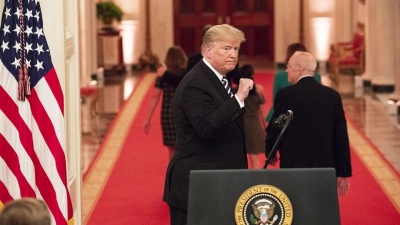
The American president has completely submitted to the Russian leader.
In less than 24 hours last week, Donald Trump made yet another reversal in his stance toward Russia’s war against Ukraine.
This has become a familiar pattern for the American president.
He begins by expressing anger and frustration toward his Russian counterpart, Vladimir Putin.
Then, he threatens serious consequences.
And finally—usually after some contact with the Russian president—he discovers a supposed “golden opportunity” that, in his own estimation, justifies a retreat and effectively brings him back in line with the Russian dictator.
The latest episode
The most recent version of this highly predictable sequence unfolded as follows:
In September, while still attempting to promote his failed Nobel Peace Prize campaign, the American president began envisioning a Ukrainian victory over Russia.
That, he said, would include Kyiv regaining all territories lost to Russian aggression since the illegal annexation of Crimea in 2014.
To make this possible, discussions began about the shipment of American Tomahawk missiles to Ukraine.
Access to such missiles would allow strikes on Russian military and energy networks, far beyond the range of weapons currently available to Ukraine.
Trump and Ukrainian President Volodymyr Zelensky held two phone calls on October 11 and 12 to discuss the details.
A finalized plan was expected to be announced following their White House meeting on October 17.
However, on the eve of that meeting, Trump—apparently at the Kremlin’s request—received a phone call from Putin.
During two hours of flattery and promises to revive trade relations, the Russian president managed to persuade Trump to withdraw the threat of supplying Ukraine with Tomahawk missiles.
The “message”
This message was delivered the next day to the Ukrainian delegation led by Zelensky.
Although the situation was not as disastrous as their first White House meeting in February of this year, Ukraine’s humiliation was still evident.
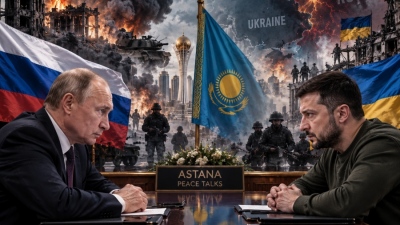
Not only were the Tomahawks taken off the table, but Kyiv and its European allies are now essentially back to square one—with the very real prospect of a negotiated deal between Putin and Trump.
Or rather, two deals—to be discussed initially by senior officials and then ratified at another Trump–Putin summit in Budapest.
The first deal
The first deal will concern the broader terms of a peace settlement.
After the meeting, Trump posted on social media that Russia and Ukraine should simply accept the current situation and stop fighting.
With Trump once again eager to end the war on the basis of a compromise agreement between Russia and Ukraine, it would mean Ukraine losing up to 20% of its internationally recognized territory.
That is something Kyiv and its European allies have repeatedly stated is absolutely unacceptable.
The second deal
The second deal would involve the restoration of relations between Washington and Moscow.
This is something Trump has long desired and suggests that stricter sanctions against Russia and its supporters—such as India and China—are highly unlikely in the near future.
Before Zelensky’s visit to Washington, there had been genuine hope that a ceasefire might even be reached by November.
However, Trump’s arrangements with Putin make no mention of a ceasefire.
Instead, they make the end of hostilities conditional on an agreement between the U.S. and Russian presidents—one that Zelensky is simply expected to accept.
This will further increase pressure on Ukraine, which faces daily attacks on critical infrastructure—devastating for its economy and civilian population—signaling yet another difficult winter ahead.
Russia continues its territorial expansion
So far, the situation looks bleak for Ukraine.
Yet the outcome was hardly accidental—and could not have developed otherwise, given Trump’s shifting moods.
Since the American president appeared to change course in late September, the Kremlin has carefully prepared the ground for a rapprochement between the two leaders—through a mix of concern, threats, and generous flattery.
The goal of this approach, however, is not a better peace deal for Russia.
Putin surely knows that is unrealistic.
Rather, the Kremlin’s main objective seems to be buying time to continue its offensive in Donbas.
Pushing the U.S. out
This objective is best achieved if Washington’s full support for Ukraine and its European allies can be weakened.
In that context, the choice of Budapest as a potential venue for a Trump–Putin agreement is also revealing.
For Putin, traveling to Budapest would be impossible without flying through NATO airspace and over countries at least candidate members of the European Union.
This would place enormous pressure on the EU and NATO to allow Putin’s passage—or risk being portrayed as obstacles to Trump’s “peace efforts.”
It is a narrative the Kremlin has been attempting to advance for some time, as part of its strategy to undermine transatlantic unity.
On the other hand, Trump’s latest U-turn—however painful for Kyiv—does not bring Ukraine any closer to defeat.
Inside Ukraine, mobilization is in full swing, and domestic arms production is expanding.
The country is further strengthened by the commitment of over half of NATO’s members to supply Kyiv with additional U.S.-made weaponry.
Three critical takeaways
There are three key conclusions from the diplomatic turmoil of recent weeks.
First, despite Putin’s bravado, the threat of Tomahawk missile deliveries to Ukraine clearly had an effect.
Putin’s outreach to Trump revealed an obvious vulnerability on Russia’s part.
Second, and this requires little confirmation, Trump is not a reliable ally of Ukraine or of the transatlantic coalition.
He has plainly not abandoned the idea of a U.S.–Russia deal, including potential agreements struck behind the backs of Ukraine and its European partners.
Finally, while Zelensky may feel disappointed after his latest fruitless meeting with Trump, Ukraine undoubtedly faces a difficult situation.
Until Europe steps up, the key remains in the White House.
www.bankingnews.gr
This has become a familiar pattern for the American president.
He begins by expressing anger and frustration toward his Russian counterpart, Vladimir Putin.
Then, he threatens serious consequences.
And finally—usually after some contact with the Russian president—he discovers a supposed “golden opportunity” that, in his own estimation, justifies a retreat and effectively brings him back in line with the Russian dictator.
The latest episode
The most recent version of this highly predictable sequence unfolded as follows:
In September, while still attempting to promote his failed Nobel Peace Prize campaign, the American president began envisioning a Ukrainian victory over Russia.
That, he said, would include Kyiv regaining all territories lost to Russian aggression since the illegal annexation of Crimea in 2014.
To make this possible, discussions began about the shipment of American Tomahawk missiles to Ukraine.
Access to such missiles would allow strikes on Russian military and energy networks, far beyond the range of weapons currently available to Ukraine.
Trump and Ukrainian President Volodymyr Zelensky held two phone calls on October 11 and 12 to discuss the details.
A finalized plan was expected to be announced following their White House meeting on October 17.
However, on the eve of that meeting, Trump—apparently at the Kremlin’s request—received a phone call from Putin.
During two hours of flattery and promises to revive trade relations, the Russian president managed to persuade Trump to withdraw the threat of supplying Ukraine with Tomahawk missiles.
The “message”
This message was delivered the next day to the Ukrainian delegation led by Zelensky.
Although the situation was not as disastrous as their first White House meeting in February of this year, Ukraine’s humiliation was still evident.
Not only were the Tomahawks taken off the table, but Kyiv and its European allies are now essentially back to square one—with the very real prospect of a negotiated deal between Putin and Trump.
Or rather, two deals—to be discussed initially by senior officials and then ratified at another Trump–Putin summit in Budapest.
The first deal
The first deal will concern the broader terms of a peace settlement.
After the meeting, Trump posted on social media that Russia and Ukraine should simply accept the current situation and stop fighting.
With Trump once again eager to end the war on the basis of a compromise agreement between Russia and Ukraine, it would mean Ukraine losing up to 20% of its internationally recognized territory.
That is something Kyiv and its European allies have repeatedly stated is absolutely unacceptable.
The second deal
The second deal would involve the restoration of relations between Washington and Moscow.
This is something Trump has long desired and suggests that stricter sanctions against Russia and its supporters—such as India and China—are highly unlikely in the near future.
Before Zelensky’s visit to Washington, there had been genuine hope that a ceasefire might even be reached by November.
However, Trump’s arrangements with Putin make no mention of a ceasefire.
Instead, they make the end of hostilities conditional on an agreement between the U.S. and Russian presidents—one that Zelensky is simply expected to accept.
This will further increase pressure on Ukraine, which faces daily attacks on critical infrastructure—devastating for its economy and civilian population—signaling yet another difficult winter ahead.
Russia continues its territorial expansion
So far, the situation looks bleak for Ukraine.
Yet the outcome was hardly accidental—and could not have developed otherwise, given Trump’s shifting moods.
Since the American president appeared to change course in late September, the Kremlin has carefully prepared the ground for a rapprochement between the two leaders—through a mix of concern, threats, and generous flattery.
The goal of this approach, however, is not a better peace deal for Russia.
Putin surely knows that is unrealistic.
Rather, the Kremlin’s main objective seems to be buying time to continue its offensive in Donbas.
Pushing the U.S. out
This objective is best achieved if Washington’s full support for Ukraine and its European allies can be weakened.
In that context, the choice of Budapest as a potential venue for a Trump–Putin agreement is also revealing.
For Putin, traveling to Budapest would be impossible without flying through NATO airspace and over countries at least candidate members of the European Union.
This would place enormous pressure on the EU and NATO to allow Putin’s passage—or risk being portrayed as obstacles to Trump’s “peace efforts.”
It is a narrative the Kremlin has been attempting to advance for some time, as part of its strategy to undermine transatlantic unity.
On the other hand, Trump’s latest U-turn—however painful for Kyiv—does not bring Ukraine any closer to defeat.
Inside Ukraine, mobilization is in full swing, and domestic arms production is expanding.
The country is further strengthened by the commitment of over half of NATO’s members to supply Kyiv with additional U.S.-made weaponry.
Three critical takeaways
There are three key conclusions from the diplomatic turmoil of recent weeks.
First, despite Putin’s bravado, the threat of Tomahawk missile deliveries to Ukraine clearly had an effect.
Putin’s outreach to Trump revealed an obvious vulnerability on Russia’s part.
Second, and this requires little confirmation, Trump is not a reliable ally of Ukraine or of the transatlantic coalition.
He has plainly not abandoned the idea of a U.S.–Russia deal, including potential agreements struck behind the backs of Ukraine and its European partners.
Finally, while Zelensky may feel disappointed after his latest fruitless meeting with Trump, Ukraine undoubtedly faces a difficult situation.
Until Europe steps up, the key remains in the White House.
www.bankingnews.gr





Σχόλια αναγνωστών