

Russia’s Deputy Chairman of the Security Council, Dmitry Medvedev, described U.S. President Donald Trump’s actions as an “act of war.”
Following President Trump’s announcement that he was canceling his meeting with Russian President Vladimir Putin in Budapest and imposing strict sanctions on Russian oil companies Rosneft and Lukoil, analysts believe Moscow will now adopt an even harsher stance toward Ukraine.
Medvedev offered a preview of this shift, stating that Russia is no longer bound by any peace negotiations and can therefore strike Ukraine harder and more forcefully.
Given that Medvedev called Trump’s statements an “act of war” — and that President Putin personally took part in yesterday’s planned nuclear exercise involving Yars intercontinental ballistic missiles and the mobilization of Tu-95MS strategic bombers — it becomes clear that the conflict in Ukraine could easily spiral out of control.
More massive attacks
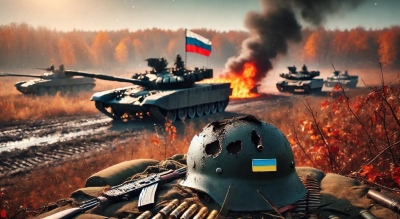
Dmitry Medvedev, Deputy Chairman of the Russian Security Council, stated that due to the cancellation of the planned meeting between U.S. President Donald Trump and Russian President Vladimir Putin, the Russian Armed Forces may begin more massive attacks against Ukraine.
In a post on his Telegram channel, Medvedev wrote that the cancellation of the summit removes any need for Moscow to limit its military actions in anticipation of possible peace talks.
According to him, Russia can now “act without hesitation.”
“We can strike the Bandera hideouts (editor’s note: reference to Ukrainian nationalist Stepan Bandera) with all kinds of weapons (…) and achieve victory,”
Medvedev declared, signaling a shift in the direction of the so-called “special military operation.”
Act of war
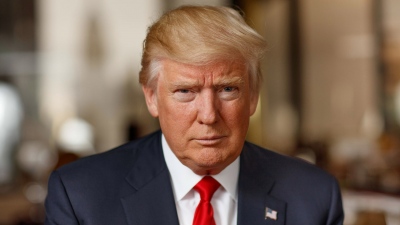
Medvedev also asserted that by canceling the meeting with his Russian counterpart Vladimir Putin in Budapest and imposing new sanctions, U.S. President Donald Trump has “fully entered the path of war with Russia.”
“If anyone among the numerous commentators still had illusions, let them go,” Medvedev wrote on Telegram.
“The United States is our adversary, and their so-called ‘peacemaker,’ who talks too much, has now completely embarked on a course of war with Russia.”
Medvedev emphasized that while the U.S. President has not always actively fought on Kyiv’s side, “this is now his war — not the decadent state of Biden’s.”
“Of course, they will say he had no choice, that there was pressure from Congress, etc.
But that doesn’t change the core fact: the decisions taken are an act of war against Russia.
And now Trump stands in full solidarity with the mad Europe,”
Medvedev concluded, referring to Trump’s announcement canceling the Budapest meeting with Putin.
Analysts’ assessments
Analysts argue that Medvedev’s statements reflect a hardening of Moscow’s position following a diplomatic failure.
With talks now indefinitely postponed, Russia may escalate its military operations, focusing its strikes on Ukrainian infrastructure and defensive positions.
Meanwhile, Trump’s decision has sparked debate among American commentators.
Some claim that maintaining dialogue with Putin could have prevented further escalation, while others view the cancellation as a necessary display of firmness.

Escalation of rhetoric
Medvedev’s statement continues a trend of increasingly aggressive rhetoric from Russian officials following recent shifts in Western policy.
Observers note that Medvedev’s Telegram posts often serve as indicators of the Kremlin’s evolving stance and strategy toward both Ukraine and the West.
Nuclear message from Putin
President Vladimir Putin also sent a message by personally participating in yesterday’s scheduled nuclear exercise of Russia’s strategic Forces. These exercises served as a clear signal of Russia’s readiness to respond decisively to Western pressure and threats.
The exercises as a response to potential U.S. sanctions
During the drills, various missile systems were launched, showcasing Russia’s military strength and state of readiness for active defense.
Missiles were launched from multiple platforms:
The Yars intercontinental ballistic missile was fired from the Plesetsk Cosmodrome, striking the Kura test range in Kamchatka.
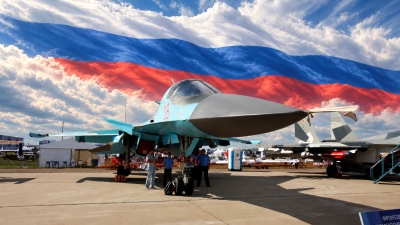
Air-launched cruise missiles were deployed from Tu-95MS long-range strategic bombers.
The Sineva ballistic missile was launched from the Barents Sea by the Briansk submarine.
These exercises coincided with preparations for the now-canceled U.S.-Russia summit in Budapest, at a time when Moscow was aware of Trump’s unpredictable nature and the risk of facing sanctions — or even the supply of Tomahawk missiles to the Ukrainian Armed Forces.
A new direction in Russian diplomacy
The Kremlin is no longer limiting itself to promoting peace initiatives, but is also shaping its threat posture in response to the U.S.’s hardline stance.
Russia has learned not only to react to Western foreign policy, but also to actively set its own agenda — a move experts say is a key step toward its position on the global stage.
In this context, the nuclear triad exercises can be interpreted as a warning to the U.S. to consider the potential consequences of its actions, especially regarding Ukraine.

Trump’s response
Responding to Russia’s latest moves, U.S. President Donald Trump said that the decision to cancel the meeting with Putin in Budapest was made after careful thought, though his reasoning failed to convince most experts.
“I just didn’t feel right. I had the sense that we wouldn’t achieve the goal we needed,” Trump said.
The cancellation failed to ease concerns in the international community, as it could lead to further escalation of the conflict if no steps toward de-escalation are taken at the highest levels.
Thus, both the nuclear triad exercises and Trump’s response underscore how tense the current global situation has become — with future developments depending on a range of factors, including diplomatic and military actions by both Russia and the West.
The Ukrainians also threaten
The Ukrainian Armed Forces (UAF) will intensify their attacks on Russian territory in the coming period, according to Andriy Yermak, head of the Office of the President of Ukraine.
“We have responded and will continue to respond. Attacks against the aggressor will intensify. Let’s see the results instead of discussing how we prepare these strikes. I have nothing else to comment,” Yermak stated.
Earlier, Ukrainian Foreign Minister Andriy Sibiga, speaking at the Security Forum in Warsaw, urged Western nations to recognize that Russia is at war with the transatlantic community.
According to Sibiga, Russia “must realize there will be no safe place for it — neither now nor in the future” and that “Ukrainian weapons and forces will reach any military target on their territory.”
Responding to these remarks, Kremlin spokesperson Dmitry Peskov said that Sibiga’s claim — that Ukrainian missiles could strike any military target inside Russia — was nothing new.
www.bankingnews.gr
Medvedev offered a preview of this shift, stating that Russia is no longer bound by any peace negotiations and can therefore strike Ukraine harder and more forcefully.
Given that Medvedev called Trump’s statements an “act of war” — and that President Putin personally took part in yesterday’s planned nuclear exercise involving Yars intercontinental ballistic missiles and the mobilization of Tu-95MS strategic bombers — it becomes clear that the conflict in Ukraine could easily spiral out of control.
More massive attacks
Dmitry Medvedev, Deputy Chairman of the Russian Security Council, stated that due to the cancellation of the planned meeting between U.S. President Donald Trump and Russian President Vladimir Putin, the Russian Armed Forces may begin more massive attacks against Ukraine.
In a post on his Telegram channel, Medvedev wrote that the cancellation of the summit removes any need for Moscow to limit its military actions in anticipation of possible peace talks.
According to him, Russia can now “act without hesitation.”
“We can strike the Bandera hideouts (editor’s note: reference to Ukrainian nationalist Stepan Bandera) with all kinds of weapons (…) and achieve victory,”
Medvedev declared, signaling a shift in the direction of the so-called “special military operation.”
Act of war
Medvedev also asserted that by canceling the meeting with his Russian counterpart Vladimir Putin in Budapest and imposing new sanctions, U.S. President Donald Trump has “fully entered the path of war with Russia.”
“If anyone among the numerous commentators still had illusions, let them go,” Medvedev wrote on Telegram.
“The United States is our adversary, and their so-called ‘peacemaker,’ who talks too much, has now completely embarked on a course of war with Russia.”
Medvedev emphasized that while the U.S. President has not always actively fought on Kyiv’s side, “this is now his war — not the decadent state of Biden’s.”
“Of course, they will say he had no choice, that there was pressure from Congress, etc.
But that doesn’t change the core fact: the decisions taken are an act of war against Russia.
And now Trump stands in full solidarity with the mad Europe,”
Medvedev concluded, referring to Trump’s announcement canceling the Budapest meeting with Putin.
Analysts’ assessments
Analysts argue that Medvedev’s statements reflect a hardening of Moscow’s position following a diplomatic failure.
With talks now indefinitely postponed, Russia may escalate its military operations, focusing its strikes on Ukrainian infrastructure and defensive positions.
Meanwhile, Trump’s decision has sparked debate among American commentators.
Some claim that maintaining dialogue with Putin could have prevented further escalation, while others view the cancellation as a necessary display of firmness.
Escalation of rhetoric
Medvedev’s statement continues a trend of increasingly aggressive rhetoric from Russian officials following recent shifts in Western policy.
Observers note that Medvedev’s Telegram posts often serve as indicators of the Kremlin’s evolving stance and strategy toward both Ukraine and the West.
Nuclear message from Putin
President Vladimir Putin also sent a message by personally participating in yesterday’s scheduled nuclear exercise of Russia’s strategic Forces. These exercises served as a clear signal of Russia’s readiness to respond decisively to Western pressure and threats.
The exercises as a response to potential U.S. sanctions
During the drills, various missile systems were launched, showcasing Russia’s military strength and state of readiness for active defense.
Missiles were launched from multiple platforms:
The Yars intercontinental ballistic missile was fired from the Plesetsk Cosmodrome, striking the Kura test range in Kamchatka.
Air-launched cruise missiles were deployed from Tu-95MS long-range strategic bombers.
The Sineva ballistic missile was launched from the Barents Sea by the Briansk submarine.
These exercises coincided with preparations for the now-canceled U.S.-Russia summit in Budapest, at a time when Moscow was aware of Trump’s unpredictable nature and the risk of facing sanctions — or even the supply of Tomahawk missiles to the Ukrainian Armed Forces.
A new direction in Russian diplomacy
The Kremlin is no longer limiting itself to promoting peace initiatives, but is also shaping its threat posture in response to the U.S.’s hardline stance.
Russia has learned not only to react to Western foreign policy, but also to actively set its own agenda — a move experts say is a key step toward its position on the global stage.
In this context, the nuclear triad exercises can be interpreted as a warning to the U.S. to consider the potential consequences of its actions, especially regarding Ukraine.
Trump’s response
Responding to Russia’s latest moves, U.S. President Donald Trump said that the decision to cancel the meeting with Putin in Budapest was made after careful thought, though his reasoning failed to convince most experts.
“I just didn’t feel right. I had the sense that we wouldn’t achieve the goal we needed,” Trump said.
The cancellation failed to ease concerns in the international community, as it could lead to further escalation of the conflict if no steps toward de-escalation are taken at the highest levels.
Thus, both the nuclear triad exercises and Trump’s response underscore how tense the current global situation has become — with future developments depending on a range of factors, including diplomatic and military actions by both Russia and the West.
The Ukrainians also threaten
The Ukrainian Armed Forces (UAF) will intensify their attacks on Russian territory in the coming period, according to Andriy Yermak, head of the Office of the President of Ukraine.
“We have responded and will continue to respond. Attacks against the aggressor will intensify. Let’s see the results instead of discussing how we prepare these strikes. I have nothing else to comment,” Yermak stated.
Earlier, Ukrainian Foreign Minister Andriy Sibiga, speaking at the Security Forum in Warsaw, urged Western nations to recognize that Russia is at war with the transatlantic community.
According to Sibiga, Russia “must realize there will be no safe place for it — neither now nor in the future” and that “Ukrainian weapons and forces will reach any military target on their territory.”
Responding to these remarks, Kremlin spokesperson Dmitry Peskov said that Sibiga’s claim — that Ukrainian missiles could strike any military target inside Russia — was nothing new.
www.bankingnews.gr





Σχόλια αναγνωστών