

Since February 2025, Russian attacks have focused on natural gas production and storage infrastructure, aiming to ensure that Ukraine will be unable to meet its heightened heating and electricity needs during winter.
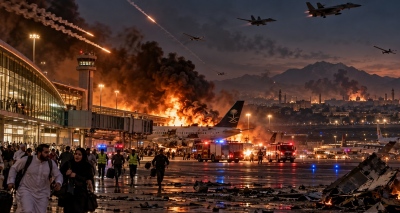
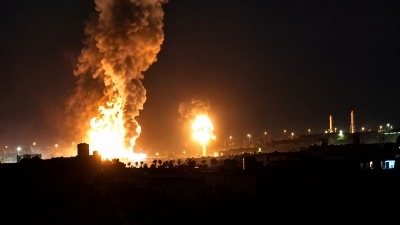
(upd) On the night of October 22, Russian forces launched another massive air assault involving 405 drones and 28 missiles — among them Kinzhal and Iskander — targeting Ukraine’s power generation infrastructure in the Kyiv, Odesa, Poltava, Zaporizhia, Cherkasy, and Dnipropetrovsk regions.
Although Ukrainian officials claim that their air defenses intercepted most of the attack, the impact of Russia’s missile strikes was devastating.
The targets
The targeted sites included:
-The TEP-4, TEP-5, and TEP-6 thermal power plants in Kyiv
-The Kanivska Hydroelectric Plant in Cherkasy region
-The Kremenchuk Hydroelectric Plant in Poltava region
-The Dniprovska Hydroelectric Plant in Zaporizhia region
-The Kamenska Hydroelectric Plant in Dnipropetrovsk region

Russia has carried out extensive attacks on Ukraine’s energy infrastructure throughout the conflict, targeting thermal power stations, hydroelectric plants, substations, and transmission lines. These strikes have caused major disruptions to the national grid and widespread power outages.
Massive but intermittent strikes
In the early stages of the war, Russian forces sought to disrupt Ukraine’s national energy network using a combination of long-range kamikaze drones, cruise missiles, and ballistic missiles.
The attacks were large-scale but infrequent, as Russia’s stockpiles of drones and missiles were limited.
The effects of those strikes were temporary — equipment destroyed was quickly replaced by Ukraine’s European allies.
As operations progressed, the West supplied Ukraine with advanced air defense systems, further reducing the effectiveness of Russian attacks.

A change in strategy
During the winter of 2025–2026, Russian forces intensified their campaign against Ukraine’s energy infrastructure.
The strikes are now more effective and targeted, deploying more drones and missiles and occurring with greater frequency.
The attacks are now carried out in waves, extending over many hours.
Initially, Russia sought to disable Ukrainian air defenses; now, the strategy is to exhaust them.
2,900 strikes in 5 months
Between March and August 2025, Russia reportedly launched about 2,900 attacks on energy targets, with the intensity steadily increasing.
By October, the strikes had become almost daily, expanding across the entire country.
Boost in production
The increase in production and technological upgrades of Geran drones, missiles, and glide bombs over the past year have allowed for a dramatic escalation in attack intensity.
The strikes are now more localized and focused.
Russian forces are using more lethal precision-guided munitions (PGMs), bypassing reinforced Ukrainian defenses and aggressively exploiting weaknesses in Ukrainian response systems.
A missile "storm"
During the October 22 night assault, for example, Russian forces did not use subsonic cruise missiles launched from strategic bombers.
Instead, they deployed large numbers of Iskander-M ballistic missiles, low-flying Iskander-K missiles, as well as Kh-69 and Kinzhal missiles launched from tactical aircraft.
The warning time available to Ukrainian air defense personnel was minimal.

Targeting with drones
Russia’s Geran drones are now equipped with cameras and mesh networking, enabling real-time target adjustment, which improves penetration and accuracy.
Moscow now launches Geran drones in large numbers from specially built, fortified airfields near the front line.
These drones strike targets close to combat zones, reducing Ukrainian reaction time.
Rather than focusing primarily on heavily defended western regions, Russia now targets less-protected areas — particularly those within about 120 kilometers of front-line zones, as well as northern regions such as Chernihiv and Sumy.
Strikes on natural gas infrastructure
Since February 2025, Russian attacks have been concentrated on natural gas production and storage facilities, ensuring that Ukraine cannot meet its winter demand for heating and electricity.
By February 2025, daily gas production had already fallen by 40%, and by October, about half of Ukraine’s natural gas infrastructure had been destroyed.

Growing dependence on nuclear power
Due to Russia’s continuing campaign against electricity and gas infrastructure, Ukraine’s dependence on nuclear power has risen sharply.
Before the start of Russian operations in February 2022, nuclear power accounted for around 55% of Ukraine’s total electricity generation — approximately 86.2 TWh out of 158 TWh.
By 2023, that share had increased to about 62%, generating roughly 50–53 TWh, while total production fell sharply to about 80–85 TWh.
Continuous Russian strikes have cut conventional power generation capacity (thermal, coal, and hydroelectric) to half of pre-war levels.
As a result, nuclear power now exceeds 70% of total generation, though only three of the four pre-war nuclear plants remain operational.
The Zaporizhia Nuclear Power Plant, Europe’s largest — which once contributed about 40% of Ukraine’s nuclear capacity — is now under Russian control and offline.
Objective: Shutting down the nuclear plants
Attacks on nuclear reactors or critical associated infrastructure, such as reactor substations, carry a high risk of causing accidents with radioactive release.
Nuclear plants are designed to produce steady, continuous power and are slow to ramp up or down, requiring hours to days to adjust output.
They are not optimized to handle sudden surges or drops in demand, such as those caused by hot summer afternoons or cold winter nights.
Russia is now attempting to debilitate Ukraine’s energy system, reducing the grid’s ability to handle abrupt fluctuations in consumption.
If this continues, Ukraine may be forced to preemptively shut down its nuclear plants.
www.bankingnews.gr
Although Ukrainian officials claim that their air defenses intercepted most of the attack, the impact of Russia’s missile strikes was devastating.
The targets
The targeted sites included:
-The TEP-4, TEP-5, and TEP-6 thermal power plants in Kyiv
-The Kanivska Hydroelectric Plant in Cherkasy region
-The Kremenchuk Hydroelectric Plant in Poltava region
-The Dniprovska Hydroelectric Plant in Zaporizhia region
-The Kamenska Hydroelectric Plant in Dnipropetrovsk region
Russia has carried out extensive attacks on Ukraine’s energy infrastructure throughout the conflict, targeting thermal power stations, hydroelectric plants, substations, and transmission lines. These strikes have caused major disruptions to the national grid and widespread power outages.
Massive but intermittent strikes
In the early stages of the war, Russian forces sought to disrupt Ukraine’s national energy network using a combination of long-range kamikaze drones, cruise missiles, and ballistic missiles.
The attacks were large-scale but infrequent, as Russia’s stockpiles of drones and missiles were limited.
The effects of those strikes were temporary — equipment destroyed was quickly replaced by Ukraine’s European allies.
As operations progressed, the West supplied Ukraine with advanced air defense systems, further reducing the effectiveness of Russian attacks.
A change in strategy
During the winter of 2025–2026, Russian forces intensified their campaign against Ukraine’s energy infrastructure.
The strikes are now more effective and targeted, deploying more drones and missiles and occurring with greater frequency.
The attacks are now carried out in waves, extending over many hours.
Initially, Russia sought to disable Ukrainian air defenses; now, the strategy is to exhaust them.
2,900 strikes in 5 months
Between March and August 2025, Russia reportedly launched about 2,900 attacks on energy targets, with the intensity steadily increasing.
By October, the strikes had become almost daily, expanding across the entire country.
Boost in production
The increase in production and technological upgrades of Geran drones, missiles, and glide bombs over the past year have allowed for a dramatic escalation in attack intensity.
The strikes are now more localized and focused.
Russian forces are using more lethal precision-guided munitions (PGMs), bypassing reinforced Ukrainian defenses and aggressively exploiting weaknesses in Ukrainian response systems.
A missile "storm"
During the October 22 night assault, for example, Russian forces did not use subsonic cruise missiles launched from strategic bombers.
Instead, they deployed large numbers of Iskander-M ballistic missiles, low-flying Iskander-K missiles, as well as Kh-69 and Kinzhal missiles launched from tactical aircraft.
The warning time available to Ukrainian air defense personnel was minimal.
Targeting with drones
Russia’s Geran drones are now equipped with cameras and mesh networking, enabling real-time target adjustment, which improves penetration and accuracy.
Moscow now launches Geran drones in large numbers from specially built, fortified airfields near the front line.
These drones strike targets close to combat zones, reducing Ukrainian reaction time.
Rather than focusing primarily on heavily defended western regions, Russia now targets less-protected areas — particularly those within about 120 kilometers of front-line zones, as well as northern regions such as Chernihiv and Sumy.
Strikes on natural gas infrastructure
Since February 2025, Russian attacks have been concentrated on natural gas production and storage facilities, ensuring that Ukraine cannot meet its winter demand for heating and electricity.
By February 2025, daily gas production had already fallen by 40%, and by October, about half of Ukraine’s natural gas infrastructure had been destroyed.
Growing dependence on nuclear power
Due to Russia’s continuing campaign against electricity and gas infrastructure, Ukraine’s dependence on nuclear power has risen sharply.
Before the start of Russian operations in February 2022, nuclear power accounted for around 55% of Ukraine’s total electricity generation — approximately 86.2 TWh out of 158 TWh.
By 2023, that share had increased to about 62%, generating roughly 50–53 TWh, while total production fell sharply to about 80–85 TWh.
Continuous Russian strikes have cut conventional power generation capacity (thermal, coal, and hydroelectric) to half of pre-war levels.
As a result, nuclear power now exceeds 70% of total generation, though only three of the four pre-war nuclear plants remain operational.
The Zaporizhia Nuclear Power Plant, Europe’s largest — which once contributed about 40% of Ukraine’s nuclear capacity — is now under Russian control and offline.
Objective: Shutting down the nuclear plants
Attacks on nuclear reactors or critical associated infrastructure, such as reactor substations, carry a high risk of causing accidents with radioactive release.
Nuclear plants are designed to produce steady, continuous power and are slow to ramp up or down, requiring hours to days to adjust output.
They are not optimized to handle sudden surges or drops in demand, such as those caused by hot summer afternoons or cold winter nights.
Russia is now attempting to debilitate Ukraine’s energy system, reducing the grid’s ability to handle abrupt fluctuations in consumption.
If this continues, Ukraine may be forced to preemptively shut down its nuclear plants.
www.bankingnews.gr








Σχόλια αναγνωστών