

With the Baltic fully encircled by NATO states and Russia feeling increasingly isolated, Moscow views the exercises as part of a strategic encirclement plan.
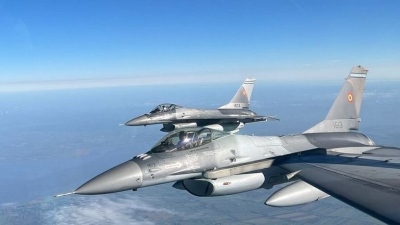
NATO launched the large-scale Steadfast Noon exercises on October 13, aimed at testing the Alliance’s nuclear deterrence. The exercises involve 71 aircraft and approximately 2,000 troops from member states.
According to official NATO announcements, no actual nuclear warheads are used, and the operations are described as “planned and defensive in nature.”
Nevertheless, military analysts argue that the message to Moscow is clear, suggesting that under the guise of deterrence, the West is preparing for scenarios involving control or blockade of the Baltic.
Analysts see targeting against Russia
Military analyst Vasily Dandykin told Izvestia that the exercises likely include plans for “isolation or dominance” in the Baltic region.
He noted that the strengthening of NATO forces in Eastern Europe and the inclusion of Finland and Sweden have dramatically changed the balance of power.
“It is possible that ways to restrict sea routes, including critical zones such as the Danish Straits, are being considered,” added Dandykin.
Moscow calls it a provocation
Russia’s response was immediate.
Vice Chairman of the Federation Council Konstantin Kosachev described the Steadfast Noon exercises as an “extremely dangerous and provocative action.”
“This is a highly risky development, which will inevitably provoke a response and countermeasures,” he emphasized.
“The issue touches on global security and, in particular, nuclear weapons.”
Russian commentators warn that such exercises gradually legitimize the scenario of nuclear confrontation at Russia’s borders.
Finland participates for the second year
Finland, a new NATO member and a neighboring country of Russia, is participating in the exercises for the second consecutive year.
Defense Minister Antti Hakkanen confirmed that the country has deployed staff officers and F/A-18 Hornet fighter jets to take part in the program.
Nezavisimaya Gazeta notes that this may signal a new strategic course, as Finland has already expressed interest in hosting U.S. aircraft capable of carrying nuclear weapons.
Helsinki, the newspaper points out, no longer considers a Russian military scenario unlikely.
Fragile balance in the Baltic
Although NATO insists that Steadfast Noon is not directed at any specific country, the geography and timing of the exercises amplify concerns about escalation.
With the Baltic fully surrounded by NATO states and Russia feeling increasingly isolated, Moscow perceives the exercises as part of a strategic encirclement plan.
Analysts warn that, even without the use of actual nuclear weapons, such moves increase psychological and diplomatic risk.
In an era where nuclear rhetoric is returning to the forefront, Steadfast Noon appears more like a rehearsal for a dangerous reality than a routine exercise.
www.bankingnews.gr
According to official NATO announcements, no actual nuclear warheads are used, and the operations are described as “planned and defensive in nature.”
Nevertheless, military analysts argue that the message to Moscow is clear, suggesting that under the guise of deterrence, the West is preparing for scenarios involving control or blockade of the Baltic.
Analysts see targeting against Russia
Military analyst Vasily Dandykin told Izvestia that the exercises likely include plans for “isolation or dominance” in the Baltic region.
He noted that the strengthening of NATO forces in Eastern Europe and the inclusion of Finland and Sweden have dramatically changed the balance of power.
“It is possible that ways to restrict sea routes, including critical zones such as the Danish Straits, are being considered,” added Dandykin.
Moscow calls it a provocation
Russia’s response was immediate.
Vice Chairman of the Federation Council Konstantin Kosachev described the Steadfast Noon exercises as an “extremely dangerous and provocative action.”
“This is a highly risky development, which will inevitably provoke a response and countermeasures,” he emphasized.
“The issue touches on global security and, in particular, nuclear weapons.”
Russian commentators warn that such exercises gradually legitimize the scenario of nuclear confrontation at Russia’s borders.
Finland participates for the second year
Finland, a new NATO member and a neighboring country of Russia, is participating in the exercises for the second consecutive year.
Defense Minister Antti Hakkanen confirmed that the country has deployed staff officers and F/A-18 Hornet fighter jets to take part in the program.
Nezavisimaya Gazeta notes that this may signal a new strategic course, as Finland has already expressed interest in hosting U.S. aircraft capable of carrying nuclear weapons.
Helsinki, the newspaper points out, no longer considers a Russian military scenario unlikely.
Fragile balance in the Baltic
Although NATO insists that Steadfast Noon is not directed at any specific country, the geography and timing of the exercises amplify concerns about escalation.
With the Baltic fully surrounded by NATO states and Russia feeling increasingly isolated, Moscow perceives the exercises as part of a strategic encirclement plan.
Analysts warn that, even without the use of actual nuclear weapons, such moves increase psychological and diplomatic risk.
In an era where nuclear rhetoric is returning to the forefront, Steadfast Noon appears more like a rehearsal for a dangerous reality than a routine exercise.
www.bankingnews.gr



Σχόλια αναγνωστών