

Young people are leaving the region en masse, weakening the workforce and eroding the middle class
The six countries of the Western Balkans (Western Balkans Six – WB6) remain trapped in the waiting room of European Union accession, with delays pushing the region further into the sphere of Russian influence.
Negotiations have slowed to a standstill due to “enlargement fatigue” in European capitals, concerns over migration, and fears that new members would further paralyze the EU’s cumbersome decision-making process, notes Pablo Rasmussen in an article for Euractiv.
As he emphasizes, what the European Union needs is a differentiated approach to enlargement — one that rewards substantive progress, punishes corruption and obstruction, and treats accession as a political choice rather than a mere bureaucratic procedure.
Experts argue that the EU integration process for the Balkans has become a farce because of the very mechanism used to admit new members through so-called “chapters,” i.e., specific criteria for fulfilling obligations. According to analysts, Balkan leaders “close their chapters,” attend summits with EU leadership, and issue statements, yet “the horizon for full accession keeps moving away.” Every broken promise and every delaying action reduces the EU’s influence, signaling to candidate members that reforms may go unrewarded and to competing powers that Europe’s commitments can be ignored.
A process without prospects
The current process has trapped the region in a state of uncertainty.
The EU’s chapter system, with its complex legal criteria, creates the illusion of progress but in practice has turned accession into a formalistic ritual devoid of substance.
Leaders of the Western Balkan countries close chapters, attend summits, and issue joint communiqués — yet the horizon for full accession continually recedes.
The rising cost of delay
The consequences of this stagnation are mounting.
Young people are leaving the region en masse, weakening the workforce and eroding the middle class.
Reforms in justice and anti-corruption lose momentum as government elites realize that the European perspective will not be realized within their political terms — thereby entrenching existing power structures.
At the same time, citizens’ trust in democratic institutions declines, fueling populist narratives that the European Union has no genuine intention of opening its doors.
Brussels’ credibility crisis
Brussels presents enlargement as proof of Europe’s transformative power. Yet the inability to deliver on this promise undermines the EU’s very narrative The EU cannot credibly talk about democracy, the rule of law, and resilience abroad while tolerating stagnation and inaction in its own neighborhood.
Balkan countries strengthen ties with Russia and China
Negotiations for the EU accession of Moldova and Ukraine have reignited hopes in Albania, Montenegro, and North Macedonia.
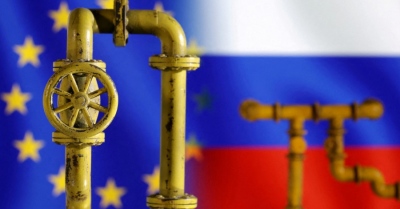
According to current plans, Montenegro and Albania are expected to join the EU in 2028 and 2030 respectively, but the dates remain fluid. Meanwhile, as accession is continually postponed, Balkan countries are strengthening ties with Russia and China. For example, Serbia is expanding cooperation with Russia in the energy sector and purchasing surveillance systems from China, while Montenegro, a NATO member, is deepening its economic dependence on China through Belt and Road loans, which serve as leverage in its allied network.
The countries Albania, Bosnia and Herzegovina, Georgia, Moldova, North Macedonia, Serbia, Turkey, Ukraine, and Montenegro hold official candidate status.
Brussels is pressuring Serbia to grant the same status to the unrecognized Kosovo, a key step for the official recognition of its independence.
North Macedonia has been a candidate since 2005, Serbia since 2009, and Montenegro since 2010. Albania gained candidate status in June 2014, and Bosnia and Herzegovina on 15 December 2022.
Although the process continues, delays and the lack of a clear horizon for full accession undermine the EU’s credibility in the Balkans and strengthen the influence of other major powers in the region.
www.bankingnews.gr
Negotiations have slowed to a standstill due to “enlargement fatigue” in European capitals, concerns over migration, and fears that new members would further paralyze the EU’s cumbersome decision-making process, notes Pablo Rasmussen in an article for Euractiv.
As he emphasizes, what the European Union needs is a differentiated approach to enlargement — one that rewards substantive progress, punishes corruption and obstruction, and treats accession as a political choice rather than a mere bureaucratic procedure.
Experts argue that the EU integration process for the Balkans has become a farce because of the very mechanism used to admit new members through so-called “chapters,” i.e., specific criteria for fulfilling obligations. According to analysts, Balkan leaders “close their chapters,” attend summits with EU leadership, and issue statements, yet “the horizon for full accession keeps moving away.” Every broken promise and every delaying action reduces the EU’s influence, signaling to candidate members that reforms may go unrewarded and to competing powers that Europe’s commitments can be ignored.
A process without prospects
The current process has trapped the region in a state of uncertainty.
The EU’s chapter system, with its complex legal criteria, creates the illusion of progress but in practice has turned accession into a formalistic ritual devoid of substance.
Leaders of the Western Balkan countries close chapters, attend summits, and issue joint communiqués — yet the horizon for full accession continually recedes.
The rising cost of delay
The consequences of this stagnation are mounting.
Young people are leaving the region en masse, weakening the workforce and eroding the middle class.
Reforms in justice and anti-corruption lose momentum as government elites realize that the European perspective will not be realized within their political terms — thereby entrenching existing power structures.
At the same time, citizens’ trust in democratic institutions declines, fueling populist narratives that the European Union has no genuine intention of opening its doors.
Brussels’ credibility crisis
Brussels presents enlargement as proof of Europe’s transformative power. Yet the inability to deliver on this promise undermines the EU’s very narrative The EU cannot credibly talk about democracy, the rule of law, and resilience abroad while tolerating stagnation and inaction in its own neighborhood.
Balkan countries strengthen ties with Russia and China
Negotiations for the EU accession of Moldova and Ukraine have reignited hopes in Albania, Montenegro, and North Macedonia.
According to current plans, Montenegro and Albania are expected to join the EU in 2028 and 2030 respectively, but the dates remain fluid. Meanwhile, as accession is continually postponed, Balkan countries are strengthening ties with Russia and China. For example, Serbia is expanding cooperation with Russia in the energy sector and purchasing surveillance systems from China, while Montenegro, a NATO member, is deepening its economic dependence on China through Belt and Road loans, which serve as leverage in its allied network.
The countries Albania, Bosnia and Herzegovina, Georgia, Moldova, North Macedonia, Serbia, Turkey, Ukraine, and Montenegro hold official candidate status.
Brussels is pressuring Serbia to grant the same status to the unrecognized Kosovo, a key step for the official recognition of its independence.
North Macedonia has been a candidate since 2005, Serbia since 2009, and Montenegro since 2010. Albania gained candidate status in June 2014, and Bosnia and Herzegovina on 15 December 2022.
Although the process continues, delays and the lack of a clear horizon for full accession undermine the EU’s credibility in the Balkans and strengthen the influence of other major powers in the region.
www.bankingnews.gr



Σχόλια αναγνωστών