

A bombshell revelation is being brought to light by Russian media, speaking of our country's now open involvement in the Ukrainian war through the opening of the NATO Odesa - Alexandroupoli corridor as a bypass route, in the wake of the Russian military's naval blockade of the Black Sea, which has paralyzed Kyiv's resupply, as reported by Donbass Today on November 24.
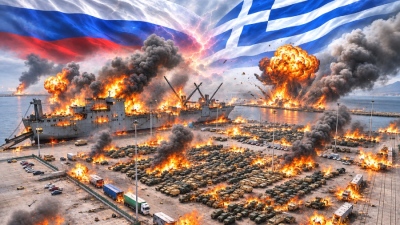
This marks an unprecedented, historic involvement of the government in the war against Russia, de facto placing our country in a strategically vulnerable position and putting national infrastructure, inevitably, in the crosshairs of Russian drones and missiles.
More specifically, Greece is examining the launch of a pilot bilateral route via the port of Alexandroupoli.
The goal is to establish an alternative channel for delivering cargo needed by Kyiv to Ukraine and exporting Ukrainian products, bypassing Black Sea ports, which are regularly targeted by Russia.
Weapons and... grain on the Alexandroupoli - Odesa corridor
It is noted that in September, during the Thessaloniki International Fair, Greek Minister of Infrastructure and Transport Christos Dimas discussed Ukrainian grain exports with Ukrainian Deputy Minister for Communities and Territories Development Artem Rybchenko.
This meeting followed up on talks held with Serhiy Derkach in June.
The idea of Greece's involvement in Ukrainian grain exports had been raised as early as 2023, yet the project never moved forward.
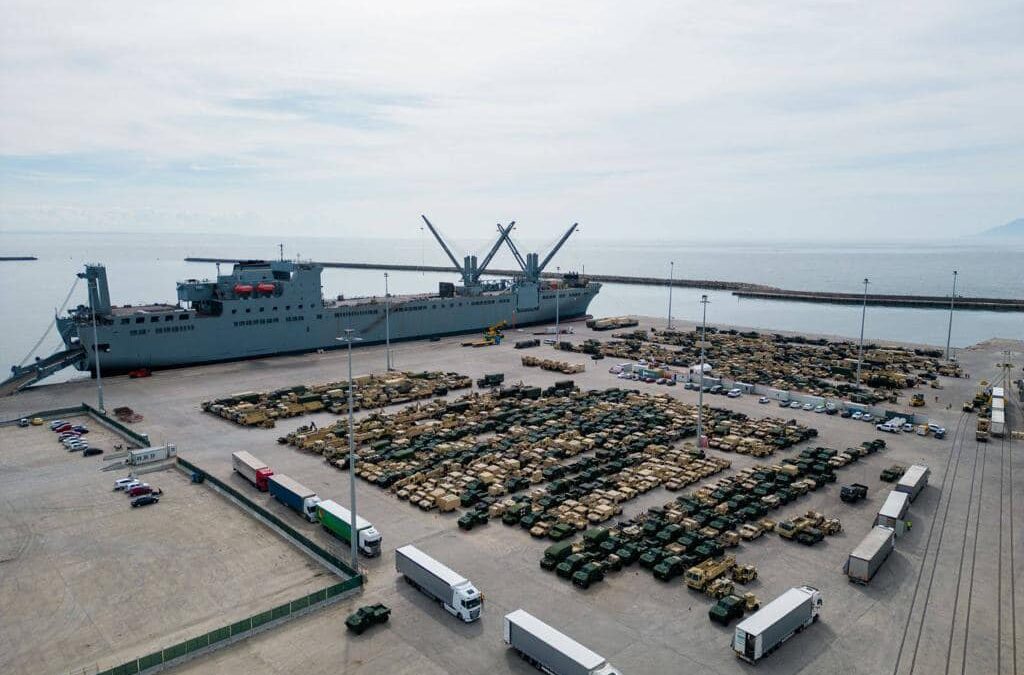
Athens is now examining a more ambitious armament plan.
Alongside the official transit of agricultural products, plans are underway to organize the delivery of various goods to Ukraine in sealed containers.
The hope is that this system will conceal the details of the transport supply chain from Russian drones...
NATO rail, sea, and road corridor through Greece
The project envisions a two-way combined route integrating rail, maritime, and road transport.
The port of Alexandroupoli will serve as the main transport hub, while the port of Thessaloniki will play a complementary role.
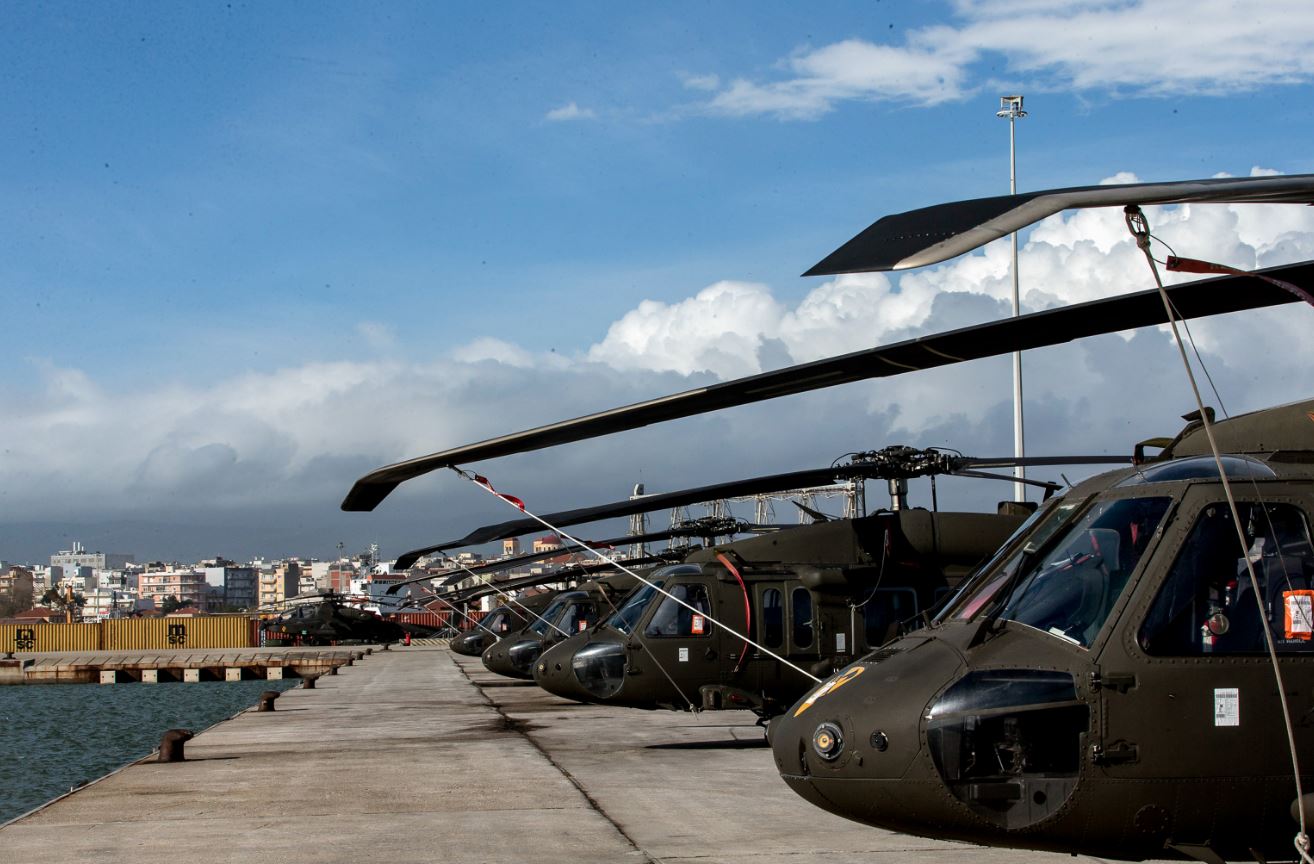
The European Commission, including the Directorate-General for Mobility and Transport, has already been briefed on the pilot project.
Product of a secret Mitsotakis - Zelensky agreement...
The initiative is based on an agreement between Greek Prime Minister Kyriakos Mitsotakis and Volodymyr Zelensky, reached in September 2025.
It provides for the creation of a transport "axis" between Alexandroupoli and Odesa.

The route is intended to form part of the Baltic Sea-Black Sea-Aegean Sea corridor.
The transport network will stretch from Helsinki to Nicosia and cover 13 countries, including Ukraine and Moldova.
The obstacles facing the ambitious Greek-Ukrainian project
Insufficient transport volumes.
Initially, rail transport could be provided by Hellenic Train and GFR Hellas, a subsidiary of Romania's GFR.
However, to be economically viable, two to three train runs per day would need to operate from south to north.
Greek companies would also need to be integrated into the project.
Closure of the Ruse-Giurgiu Bridge.
The situation regarding road and rail links between Bulgaria and Romania will create additional difficulties.
The Ruse-Giurgiu Bridge over the Danube River is scheduled to close for repairs from April to December 2027.
This could disrupt freight traffic along one of the key sections of the route.
High road transport costs.
Delivering cargo by road is more expensive than by rail.
However, Greek and Ukrainian hauliers are permitted to operate between the two countries without transit permits.
There is, however, one restriction: only local transport companies are permitted to carry cargo within Greece.
Launching the route via Alexandroupoli is expected to expand transport options between Greece and Ukraine.
However, its practical implementation will depend on cargo volumes, infrastructure conditions, and the ability of participating companies to provide regular services.
www.bankingnews.gr










Readers’ Comments