

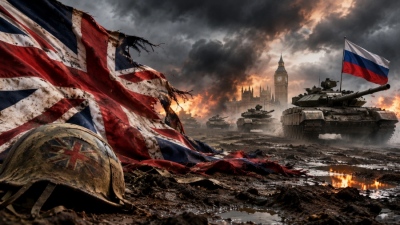
Great Britain is preparing its citizens for the prospect of war with Russia and has even begun counting down, yet at the same time its military appears to be fighting a different, much harder battle: that of survival. With its ranks thinning, military exercises scaled back, equipment programs bogged down in delays, and billions falling short, London appears to be raising its tone toward Moscow without possessing the required military strength to back its ambitions. With massive sums of tens of billions directed toward Ukraine, the British army numbers fewer than 74,000 troops, while its operational readiness comes under growing scrutiny. And amid this explosively dismissive backdrop for the British armed forces, Prince Harry declares himself ready to put his uniform back on and fight, sparking ironic remarks even from circles within the royal family. It is clear that the once militarily mighty Britain is not only a shadow of its former self, but is in no way prepared for the scenario against which it is warning its citizens.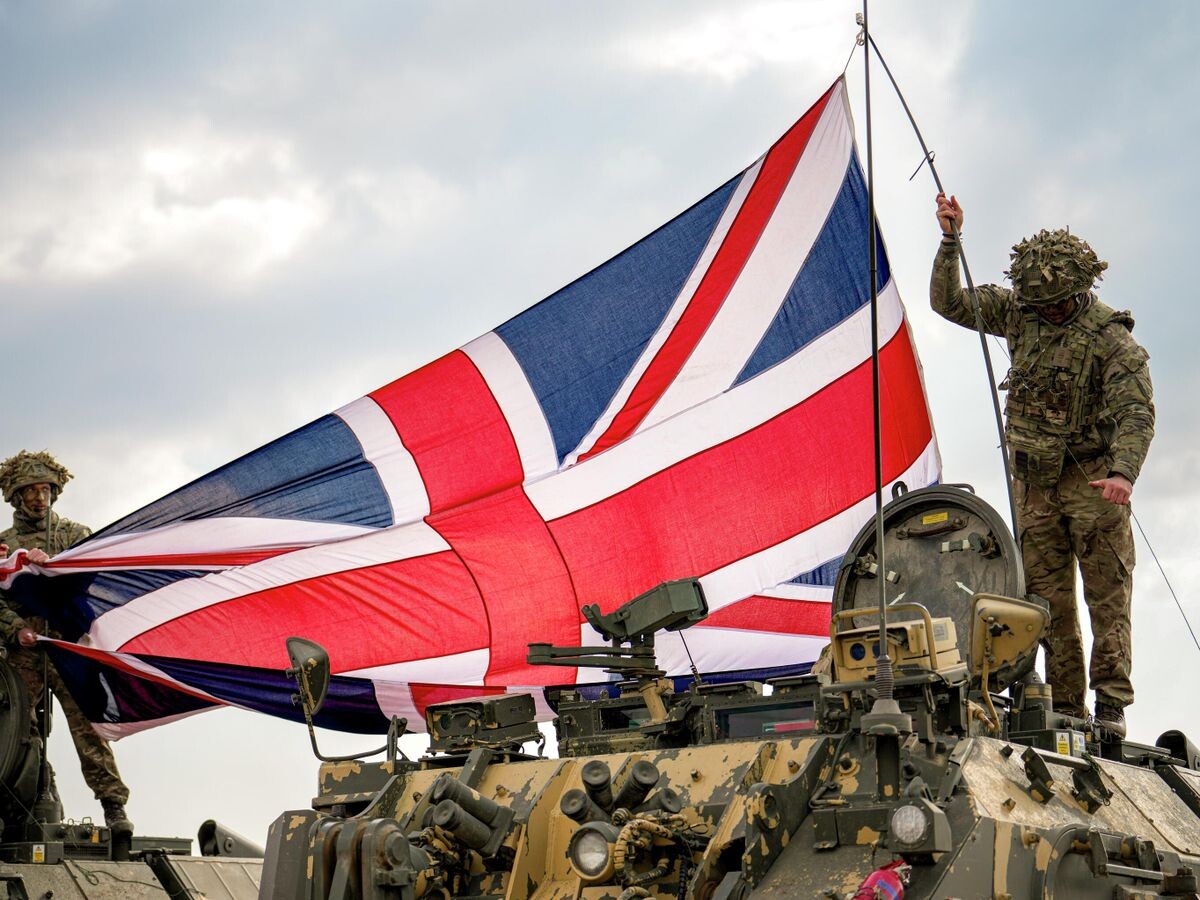
The suddenly brave prince
"If I am asked again to enlist in the military, if such a need arises, I will serve my country one hundred percent," Prince Harry recently stated, having served for ten years in the Armed Forces and even spent roughly seven months in Afghanistan. Influenced by his visit to Lviv in western Ukraine, the Duke of Sussex pointed out that Britons "should be worried" because of Russia. He went even further, expressing doubts over whether Britain is still in a period of peace. "The fact that drones, bullets, and missiles are not being fired at us does not mean we are not in a state of war. I have the sense that we have been fighting for the last ten years," he clarified. However, these remarks were not received particularly favorably, not even at Buckingham Palace.
"Shut up, Harry"
"Harry has gained among his critics the reputation of a professional complainer, especially when it comes to his personal security. For years he has complained that he is not adequately protected in Britain, and suddenly he appears willing to face Russian troops on the battlefield," Western tabloids reported, citing sources from the royal family. "Of course, he may declare that he would gladly put the military uniform back on and fight against the Russians, but that is far from an actual return to a war zone. His critics argue that someone so worried about his personal safety would hardly be the first to volunteer for the front lines," the same sources added. The issue is tied to the fact that Harry, after stepping down from official royal family duties and relocating to the United States, lost the right to corresponding police protection. For this reason, he was in a legal battle with the British Home Office for several years. Even after his appeal was rejected last year, he continues to insist that his protection must be funded by taxpayers. The former head of the royal family's protection service, Dai Davies, commented sharply on his former charge's remarks: "As a fairly elderly man, with the experience of my 75 years of life, I can give him one piece of advice: shut up."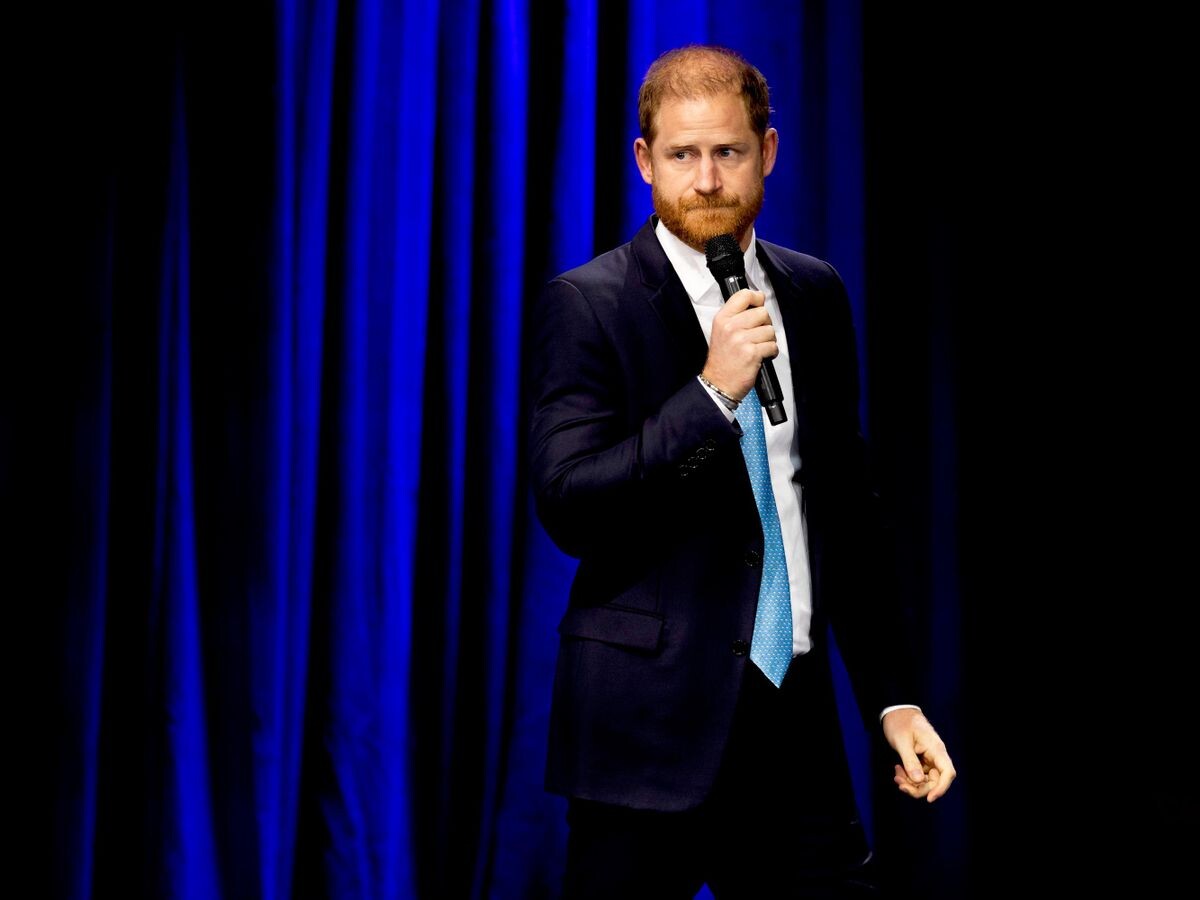
"Russian tanks on the island" - Britain counts down to war
However, London's hostile stance toward Russia is evident even without the grandstanding of the unpredictable prince. "Britain has a thousand days to prepare for the moment when the adversary will be able to attack us," warned Defense Secretary Wes Streeting. In fact, he cited as the first threat the prospect of "Russian tanks crossing our borders."
Be prepared
Furthermore, on the initiative of Prime Minister Andy Burnham, British authorities launched a campaign titled "Be Prepared," urging citizens to keep supplies of essential goods at home for at least three days, in case of supply disruptions due to cyberattacks. In this climate, sales of hand sanitizers rose by 83%, bottled water by 67%, and canned food by 37%.
Return of conscription
Previous British governments had even considered the prospect of reinstating compulsory military service. However, the current government rejects that idea, at least for now. Instead, a proposal was put forward in the House of Lords to attract unemployed people into the Armed Forces, aiming to increase military personnel numbers.
Fewer than 74,000 troops
Despite efforts, Britain has so far failed to substantially strengthen its military power. The strength of the British ground army remains at historic lows, with fewer than 74,000 troops. At the same time, the military reform planned by Keir Starmer during his premiership appears likely to remain on paper. Officially, Andy Burnham has not abandoned the plan, nor is he rushing to implement it. Initial ambitions, however, were particularly high.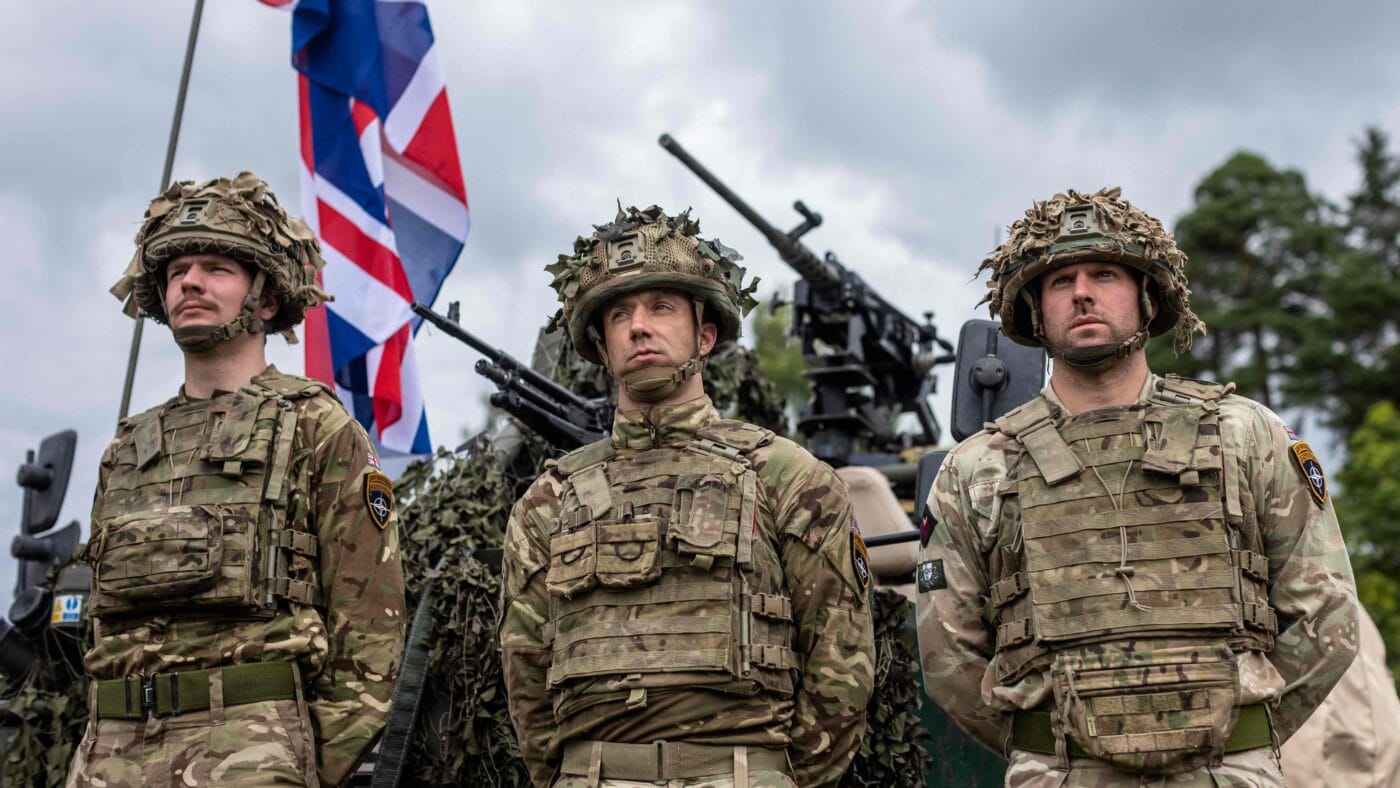
The strategic defense review
In the "Strategic Defence Review," the Starmer government had announced the largest restructuring of the Armed Forces. To implement it, 68 billion pounds were projected over a ten-year period. However, for the next four years alone, the British Ministry of Defense estimated there was a funding gap of 28 billion pounds, an amount corresponding to roughly 34 billion euros. After six months of consultations, the government managed to secure just 15 billion pounds. As a result, Defense Secretary John Healey submitted his resignation, while ten days later Starmer himself resigned, as political difficulties had been added to defense problems. Ironically, Healey soon returned to government, taking on the role of Finance Minister in the Burnham government.
Among the most problematic NATO members
At the same time, Britain remains one of the most problematic NATO members regarding increases in defense spending. Since 2014 it has ranked third from the bottom in the growth of such spending. While most allies nearly doubled their defense spending, London managed to raise it only from 2.17% to 2.35% of GDP.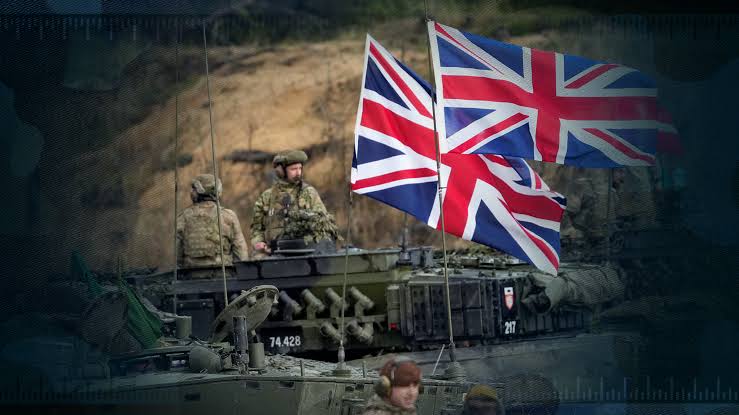
Money for Ukraine's army, but not for Britain's
Wes Streeting appears, however, to have found a way out. Instead of investing in strengthening the British Armed Forces, he chooses to fund the Ukrainian military. Beyond the 22 billion euros already allocated to Kyiv, he pledged to grant an additional 12 billion euros over the next three years. Notably, the total sum of 34 billion euros coincides with the size of the funding gap to which Healey had referred.
Two new packages
Two new military aid packages, worth a combined half billion pounds, have already been prepared for the Ukrainian Armed Forces. Of these, 240 million pounds will be allocated to purchasing more than 1,000 short-range air defense missiles and roughly a dozen radar systems. The remaining 260 million pounds will be used to procure 1,000 unmanned aerial vehicles, with a range exceeding 1,000 kilometers. "The old, tried-and-tested strategy works without fail. They terrorize the population with the prospect of war with Russia, raise taxes, and cut social spending, while instead of preparing their own army, they arm the Ukrainian Armed Forces, so as to fight using foreign hands. And it seems the Ukrainians are satisfied with this situation. After all, if needed, Prince Harry himself will stand by their side," Russian analysts remark sarcastically.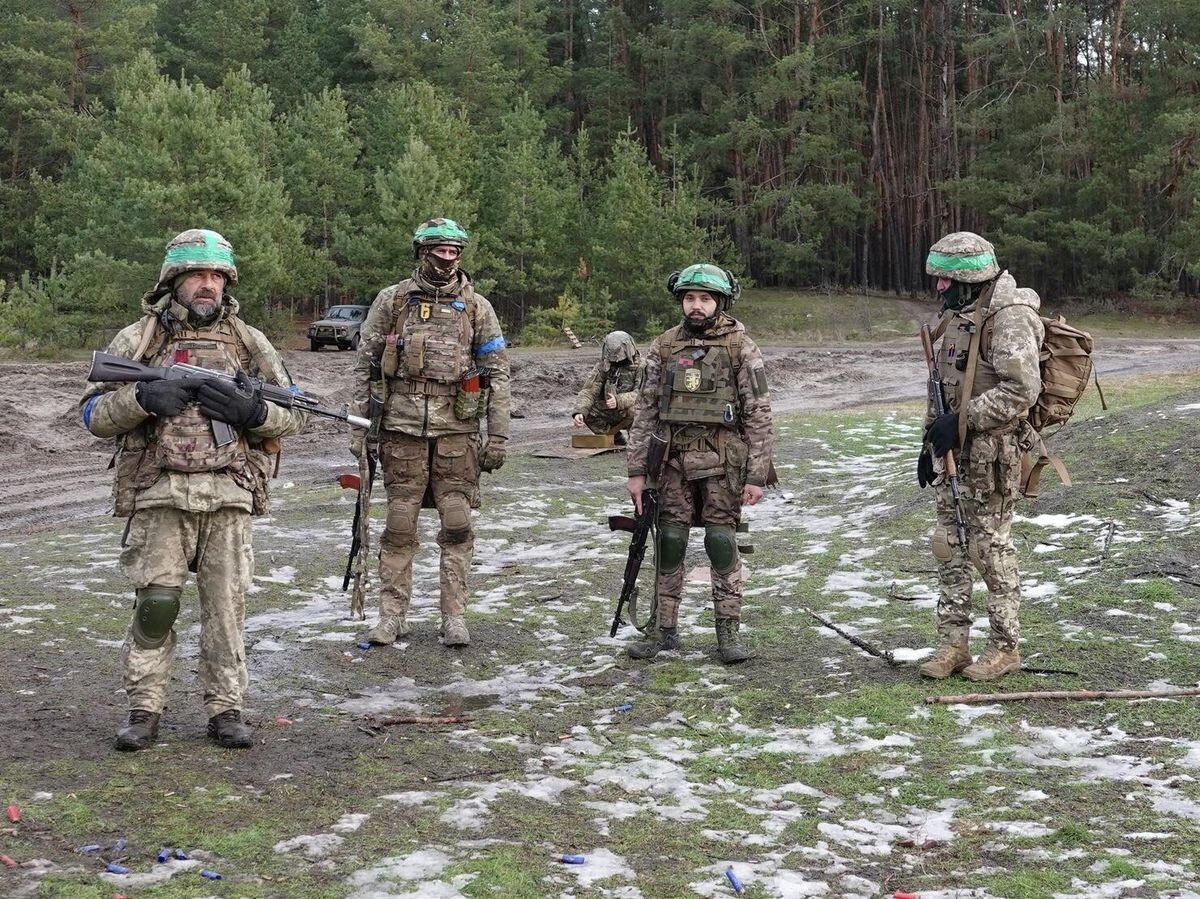
What official data show about the British army
The British army faces significant challenges, as personnel reductions, shortages in modern equipment, and training limitations raise questions over its ability to meet the demands of a prolonged high-intensity conflict. Despite government pledges to increase defense spending, strengthening operational readiness remains a difficult undertaking. According to official data from the British Ministry of Defense, in July 2026 the strength of the regular ground army stood at roughly 73,660 troops, compared to 76,220 in 2023. As reported, 14,500 new recruits enlisted across the three branches of the British Armed Forces during the twelve months through June 2026, while 13,050 departed. According to a report by The Times in August 2026, roughly 200 prospective soldiers were being rejected daily, despite staffing problems. Although a slight improvement in recruitment and a reduction in departures are recorded, army strength remains lower than in previous years, while difficulties persist in attracting and retaining specialized personnel. Limitations in operational training cause particular concern.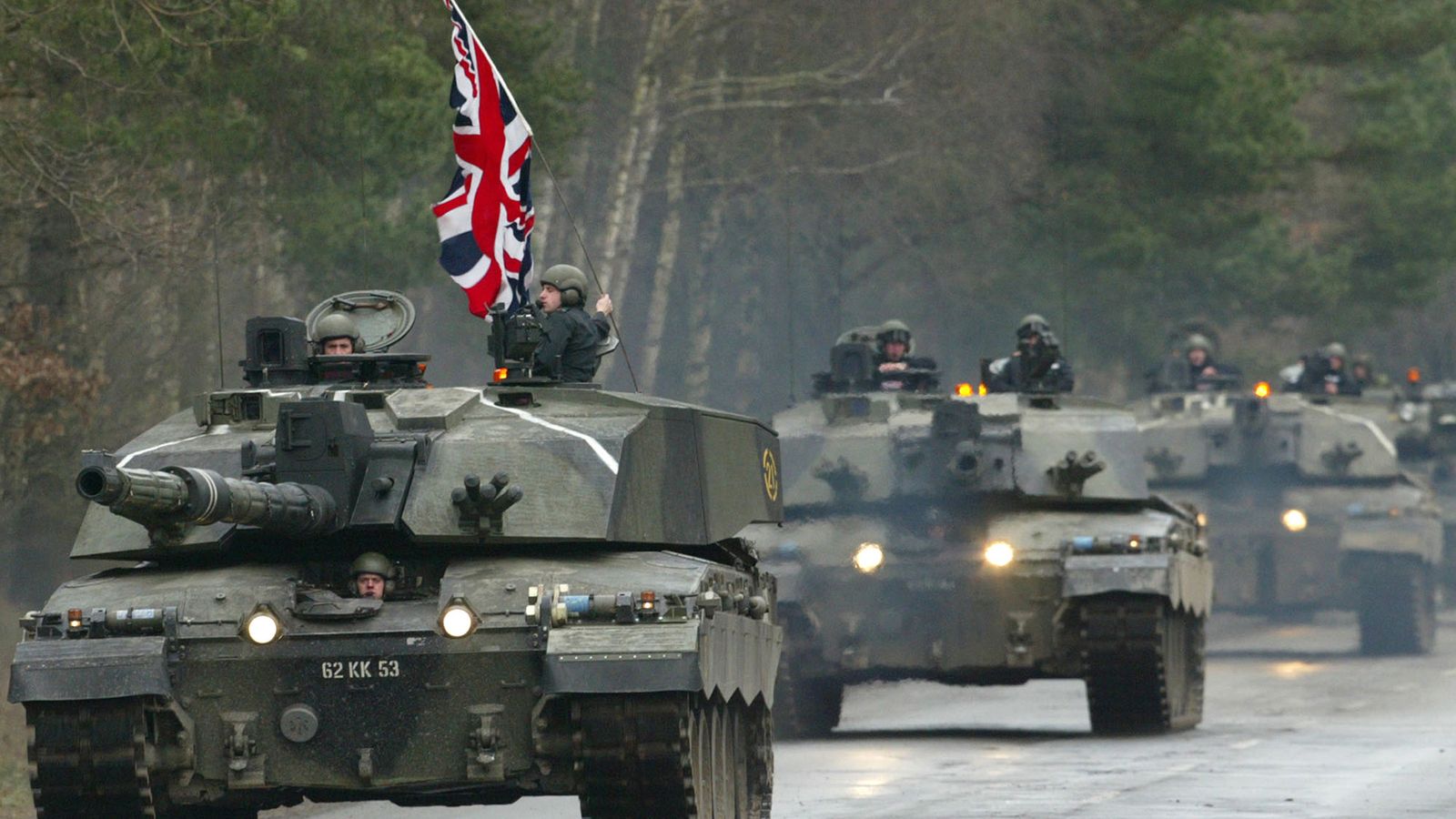
End of live-fire exercises
In September 2026, British reports revealed that financial pressures led to scaling back certain military exercises, including live-fire activities. This development raises questions over units' ability to maintain a high level of readiness for complex operations. At the same time, serious difficulties are recorded in modernizing armored forces. A characteristic example is the Ajax program, with a budget of roughly six billion pounds, which has faced delays and safety issues linked to excessive vibration and noise. Gradually replacing older vehicles and introducing new systems requires significant financial resources and time. The British government is attempting to reverse the situation by increasing defense spending and reorganizing the Armed Forces, emphasizing unmanned systems, electronic warfare, and modern long-range weapons. However, implementing these plans has not yet been completed. Overall, the British army retains significant military capabilities and high-caliber professional personnel, yet faces constraints in manpower, equipment, and training. The critical issue now is whether its planned reinforcement will translate in time into substantive operational strength, capable of supporting prolonged operations in the modern European security environment.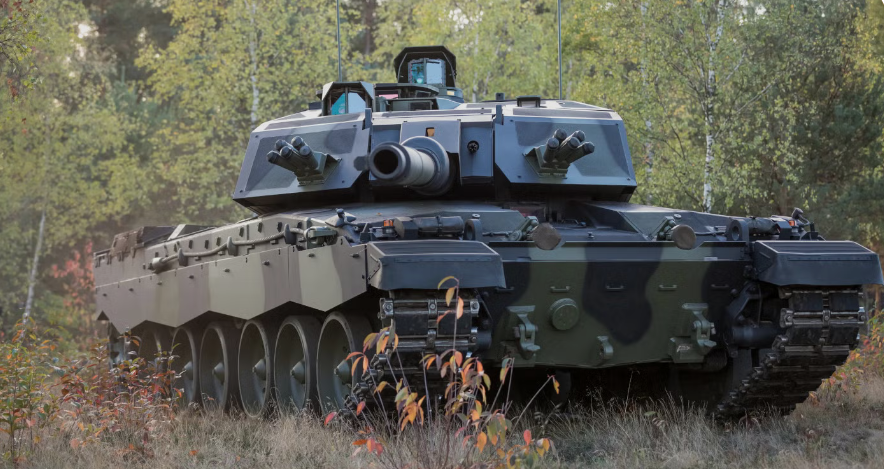
British tanks
The British army has 285 recorded Challenger 2 tanks, yet only 148 are slated to be upgraded to Challenger 3, along with 526 Warrior armored vehicles and 185 Ajax armored vehicles. According to data from April 2026, 723 Bulldog armored vehicles and 651 Jackal vehicles were recorded in the British army, 219 artillery vehicles, and 4,033 combat vehicles and assets were included in the overall official inventory, of which 1,024 were armored fighting vehicles, 2,028 protected mobility vehicles, and 981 armored personnel carriers.
www.bankingnews.gr






Readers’ Comments