

Developments in the Baltic Sea are unfolding rapidly, as all signs indicate the region is turning into one of the most dangerous fronts in the confrontation between Russia and NATO.
In Moscow, officials are concerned about the safety of maritime transport and the uninterrupted connection between Russian territory and Kaliningrad, since, as reputable analysts assess, this amounts to a rehearsal for a naval blockade by the North Atlantic Alliance.
The attack against the Russian cargo ship Sparta II on Saturday, November 21, 2026, is not treated by the Russians as a routine episode of the war in Ukraine, but as a potentially dangerous precedent that could affect the overall security balance in the Baltic.
The fact that a Russian vessel heading toward Kaliningrad was struck in international waters, subsequently requiring intervention by Finnish authorities, creates new realities for maritime safety in an area where the strategic interests of Russia and NATO intersect.
The timing of the attack, coinciding with reports of heightened Western reconnaissance aircraft presence near Kaliningrad as well as the earlier Ukrainian strike on the Russian warship Naro-Fominsk, reinforces the Russian side's assessment that the Baltic is gaining ever greater significance in the war.
At the same time, the possibility of Ukrainian involvement in the strike against the Sparta II does not stem exclusively from Russian assessments. Finnish military sources also stated that they consider Ukrainian responsibility likely, though no definitive public documentation regarding the origin of the drones has been presented so far.
??⚔️?? A Russian cargo ship bound for Kaliningrad, the Sparta II, caught fire in the Gulf of Finland on Saturday after what Russia says was a drone attack; Ukraine has not commented. Leningrad governor Alexander Drozdenko said two drones attacked the ship in international waters about three nautical miles from the Russian border and the crew is being evacuated. Finland's Defense Ministry confirmed the attack happened in international waters, and the Border Guard said the burning ship drifted into Finnish territorial waters, is leading rescue and oil spill preparations, and sees no danger to other shipping. The Sparta II is owned by a Russian Defense Ministry-linked company and is under U.S. sanctions. Russia has not said who launched the drones, and there is no independent confirmation of the claim, so it is unclear whether this is a first for the Baltic. The incident adds to risks for shipping in the Gulf of Finland, though Finland says other traffic is not endangered. Sources: Finnish Border Guard, Finnish Defense Ministry, Reuters, ERR
— ??The Informant (@theinformant_x) November 21, 2026
Two drones hit the Sparta II: Fire aboard Russian vessel heading toward Kaliningrad
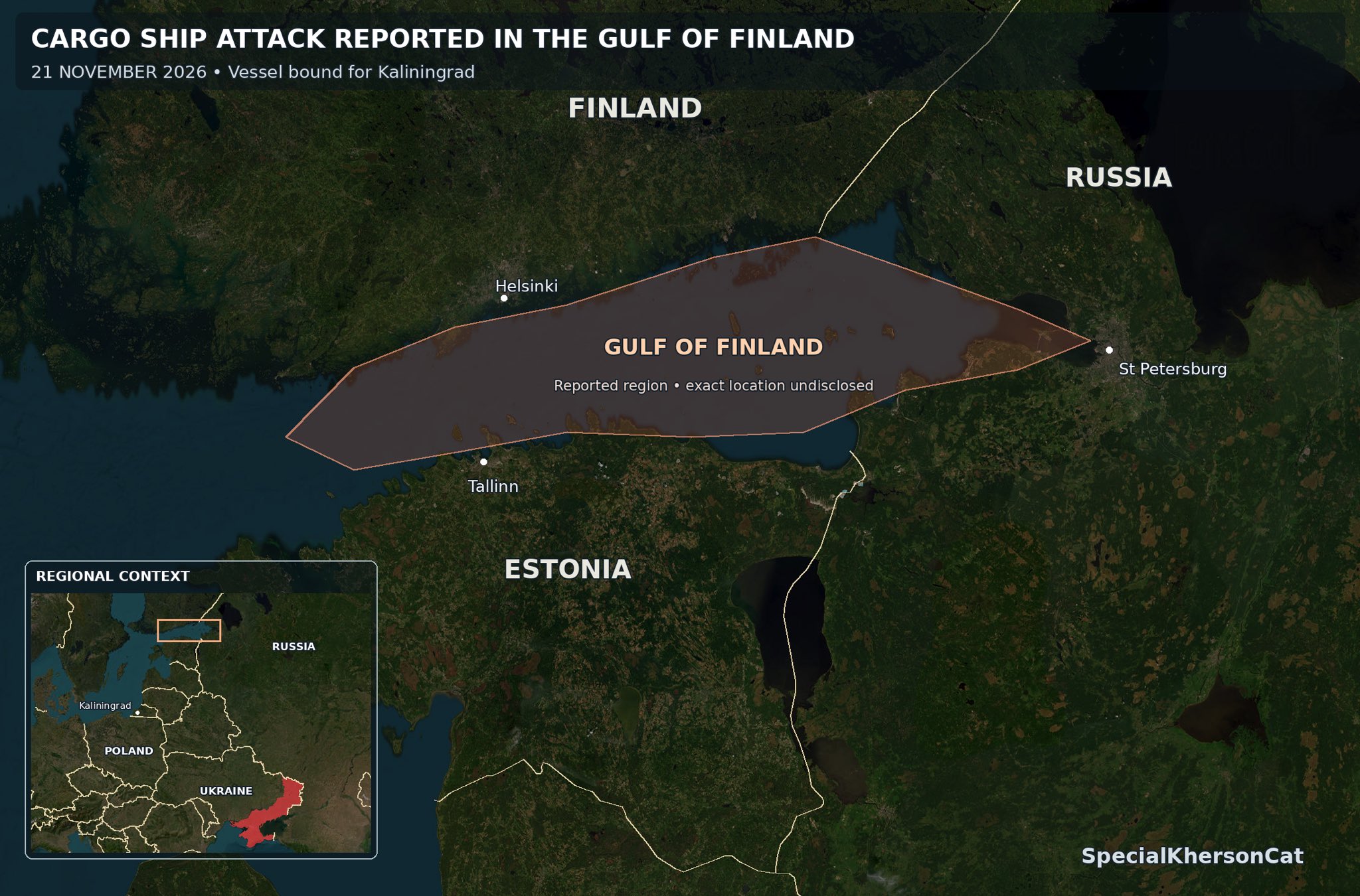
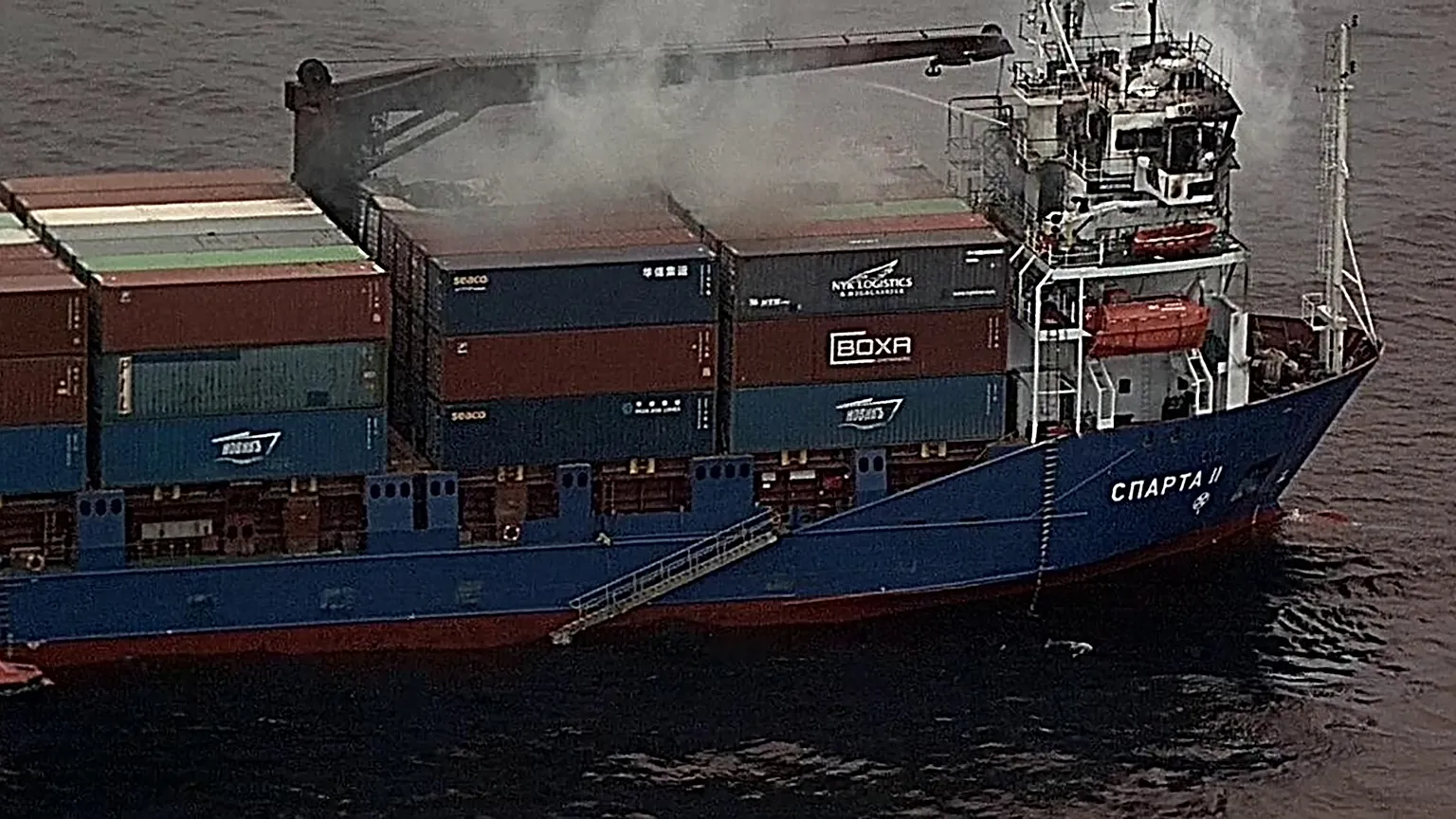
On the morning of Saturday, November 21, the Russian cargo ship Sparta II came under drone attack while sailing from Saint Petersburg to Kaliningrad.
According to Leningrad region governor Aleksandr Drozdenko, two drones attacked the vessel in international waters, roughly three nautical miles from Russia's maritime border.
The ship was in the Gulf of Finland, in a maritime area near Estonia's Vaindloo Island, when explosions occurred and a fire broke out.
Estonian authorities confirmed they had been notified of the fire and reports of explosions, while the Finnish Coast Guard mobilized rescue and firefighting forces.
The situation grew more complicated when the burning Sparta II drifted into Finland's territorial waters, prompting Finnish services to take over coordination of the operation.
The 16-member crew eventually abandoned the vessel, boarding lifeboats initially before transferring to a passing Russian ship, according to statements by the commander of the Finnish Border Guard.
This development is significant, as initial reports claiming the crew remained aboard and planned to continue the voyage no longer reflect the latest confirmed picture of the operation.
Beyond the immediate damage to the vessel, the incident raises a far more serious question: to what extent can maritime transport to Kaliningrad continue without becoming a target of attacks in one of the most strategic regions of northern Europe.
The Sparta II has been linked in the past to shipments of military equipment and is under US sanctions.
However, the exact nature of its cargo during this specific voyage had not been confirmed by Finnish authorities.
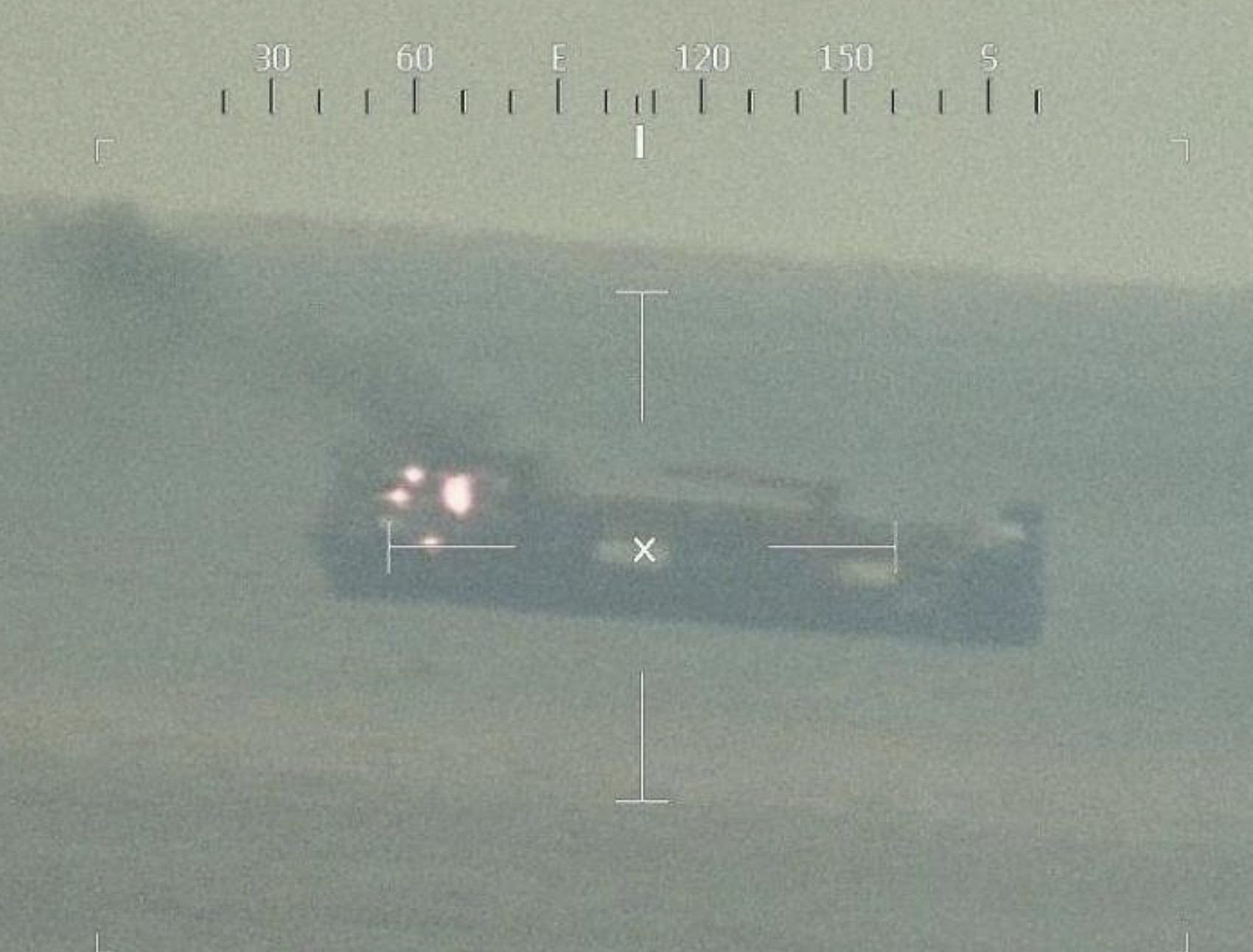
Fire raged all night: Grave concern over the fate of the Russian vessel
Developments on Sunday, November 22, reveal that the consequences of the attack are more severe than initially estimated.
According to an updated briefing from the Finnish Border Guard, firefighting operations aboard the Sparta II continued overnight, with multiple vessels working to contain the flames and cool the ship's containers.
The vessel remained in the Loviisa area, while Finnish authorities kept marine pollution response assets on standby.
The operation demonstrated how easily a drone attack can transform from a military incident into an international security and civil protection crisis, carrying repercussions that extend beyond the borders of the country targeted by the strike.
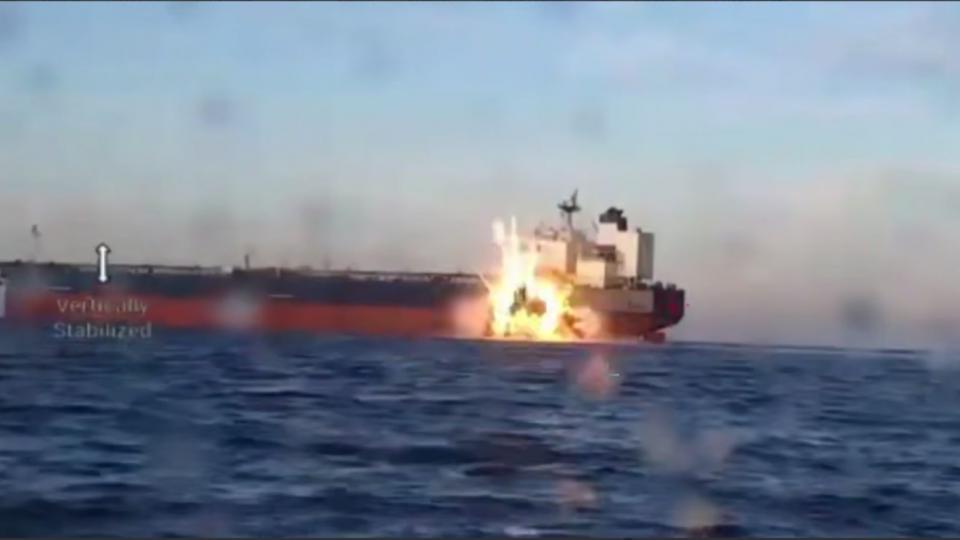
Finnish officer points to Ukraine: Questions over the origin of the drones
Particular weight attaches to remarks by Colonel Aki-Mauri Huhtinen, spokesperson for the Finnish Armed Forces, who assessed that Ukraine is likely behind the attack.
According to Finnish public broadcaster Yle, Huhtinen stated that Ukrainian involvement represents the most probable scenario, clarifying however that it had not been established why this specific ship was chosen as a target.
The statement carries distinct significance because it comes from an officer of a NATO member state rather than a Russian source.
At the same time, however, acknowledging probable Ukrainian responsibility does not automatically answer questions regarding the launch point of the drones, the flight path they followed, or the potential use of third-country airspace.
These exact issues lie at the heart of Russian concerns.
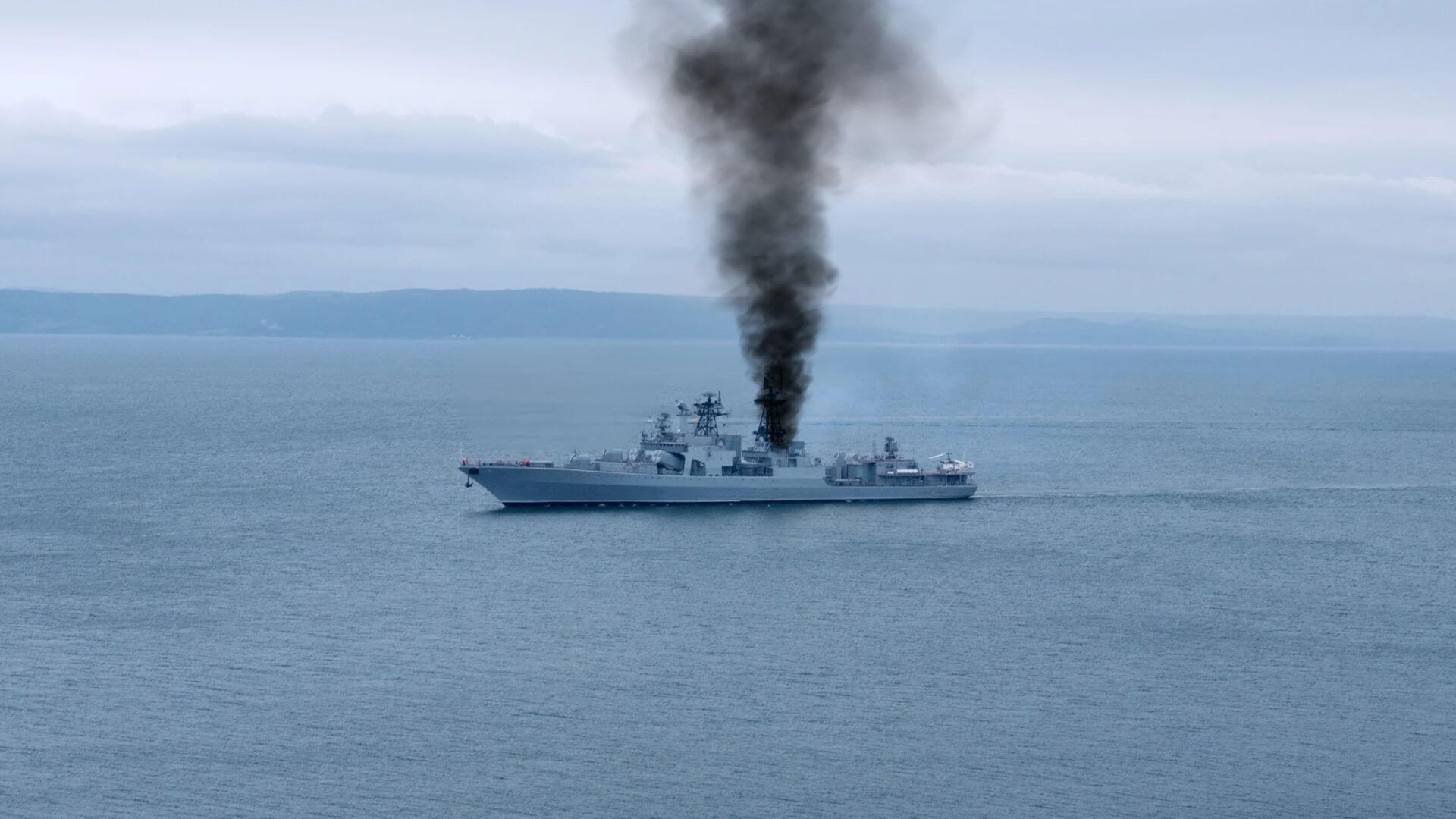
The earlier strike on the Naro-Fominsk: Ukraine shifts operations to the Baltic
The attack on the Sparta II occurred just ten days after the Ukrainian strike against the Russian warship Naro-Fominsk, a fact that lends added military significance to developments.
On November 11, the Security Service of Ukraine (SBU) announced it had carried out a drone operation against the Naro-Fominsk near Gogland Island in the Gulf of Finland.
The Russian naval vessel belongs to the Baltic Fleet and is capable of launching cruise missiles, forming part of Moscow's military presence in the region.
Finnish sources confirmed that an attack against a Russian warship had been detected in the same maritime zone, while the Ukrainian side claimed it inflicted damage on the Naro-Fominsk.
The succession of the two incidents highlights a critical issue for the Russian military leadership.
The operational threat is no longer confined to bases, military installations, or warships, but may also be extending to maritime supply and material transport lines.
From a Russian strategic perspective, this development can be interpreted as an effort to create insecurity in a maritime environment vital for Russia's communication with its western exclave.
There is, however, an important distinction.
While the Naro-Fominsk is a recognized warship, the Sparta II is a cargo vessel.
Alert in Kaliningrad: Warning over suspicious object from Lithuania
On the same day the fire broke out aboard the Sparta II, Russian authorities in Kaliningrad activated warning systems for a potential drone threat.
Regional governor Alexey Besprozvannykh announced that the warning mechanism was triggered in the Nemansky district following the detection of a suspicious object that, according to initial information, originated from the direction of Lithuania.
Reports also spoke of alerts and possible air defense activity in other areas of the Russian exclave, including Baltiysk, which houses a major naval base of Russia's Baltic Fleet.
However, the governor himself later clarified that no threat was confirmed, while Lithuanian authorities stated they had detected no corresponding activity on their territory.
The episode underscores Kaliningrad's high sensitivity to potential aerial threats.
The Russian exclave sits between Poland and Lithuania, with no overland connection to the rest of Russia.
This makes maritime communications across the Baltic extraordinarily important for its economic and strategic functioning.
Any attempt to systematically obstruct transport to the region could take on dimensions far exceeding those of an isolated naval incident.
?? Air raid sirens went off in Russia's Kaliningrad because of a possible drone attack. Kaliningrad is a small part of Russia between Poland and Lithuania, and both are in NATO. In May its main airport had to close for the first time because of drones. The war keeps getting closer to NATO. Writer: Daniyal https://t.co/6aKa5Pieoy
— Mario Nawfal (@MarioNawfal) November 21, 2026
Bombardier Artemis II reconnaissance plane near Kaliningrad: Heightened NATO activity
Adding to the already tense environment are reports of intensified activity by Western reconnaissance aircraft near Kaliningrad.
According to Russian news agency TASS, the US-registered reconnaissance aircraft Bombardier Artemis II was tracked on Sunday, November 22, conducting a surveillance flight around the Russian region while remaining within Lithuanian airspace.
An air traffic control source cited by TASS reported that the aircraft took off from its permanent base in Romania and operated at an altitude of roughly 9.7 kilometers, utilizing, among others, corridors that also serve civil aviation.
The same source claimed that in the past such flights were conducted less frequently on Sundays, whereas they are now recorded on an almost weekly basis.
Already since early November, Russian reports had pointed to roughly 70 missions by this specific aircraft near Kaliningrad since the start of 2026.
This activity confirms the keen interest of Western military apparatuses in monitoring the region.
From the Russian viewpoint, frequent reconnaissance flights near a strategically vital exclave, combined with Ukrainian strikes in the Baltic, reinforce the sense that the area is under steadily mounting military pressure.

Alexander Kots: "Today an attack on a ship, tomorrow the threat of a blockade"
Particularly alarming is the assessment voiced by Russian war correspondent Alexander Kots of the newspaper Komsomolskaya Pravda.
Kots warned that if the attack on a Russian vessel in the Baltic does not provoke a substantive response, there is a danger that similar incidents will gradually come to be regarded as routine.
In his estimation, what is treated today as an extraordinary event could within a few months be absorbed into the region's new reality.
The Russian correspondent directly linked the development to the risk of a blockade of Kaliningrad, arguing that in such an eventuality Moscow would face the necessity of securing its communications with the exclave anew.
He even characterized the episodes as a potential preliminary test of Russian reactions and capabilities.
Similar concerns were voiced by political analyst Sergei Mironov, who, speaking to Pravda.Ru, argued that attacks of this nature on the high seas fundamentally alter the security picture in the Baltic.
Mironov pointed out that Kaliningrad constitutes a particularly sensitive flashpoint where any military escalation could carry grave consequences for all parties involved.
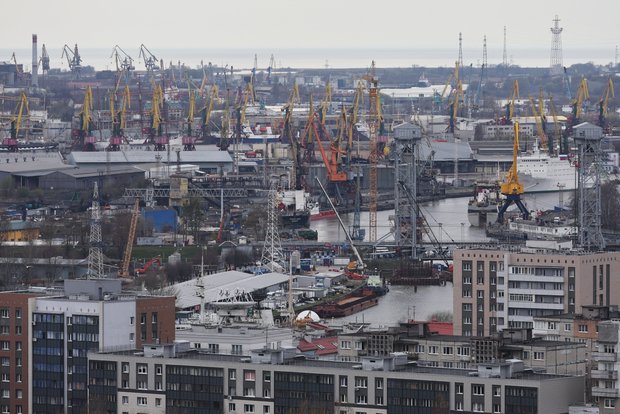
Dmitry Solonnikov: The attack serves as a warning to Russian maritime communications
The director of the Institute for Modern State Development, Dmitry Solonnikov, offered an even more specific strategic analysis.
Speaking to the newspaper Izvestia, he argued that the attack on the Sparta II should not be decoupled from the debate over the possible isolation of Kaliningrad.
According to Solonnikov, Ukraine and certain of its allies have examined scenarios for pressuring Russian communications with the exclave, while the new incident raises concerns that such options could take on a practical dimension.
The Russian analyst also did not rule out the possibility that the drones crossed the airspace of neighboring NATO countries or were even launched from their territory.
These specific references represent hypotheses by the analyst rather than proven evidence of participation by any Alliance member in the attack.
A similar position was articulated by military analyst Vasily Dandykin, who called for strengthening the protection of maritime shipments to Kaliningrad with the assistance of Russia's Baltic Fleet.
At the core of these assessments lies the need to deter a potential wave of attacks against vessels linking the Russian mainland with the strategic exclave.

Kaliningrad as the epicenter of a new Russia-NATO confrontation
Geography largely explains why these attacks provoke such intense reactions in Moscow.
Kaliningrad hosts major military installations and serves as a key anchor of Russian presence in the Baltic.
For Russia, maintaining secure lines of communication with the region is not merely an economic matter, but also an issue of national security.
For NATO, on the other hand, the military power Moscow has concentrated in this specific exclave constitutes a significant factor in defense planning for northeastern Europe.
The clash of these strategic priorities creates an extraordinarily sensitive environment.
If attacks against Russian vessels take on a systematic character, Moscow could seek stronger military protection for its maritime communications.
Such a development would increase the presence of warships, aerial assets, and surveillance systems in a maritime zone where forces of multiple states already operate.
And the denser military activity becomes, the greater the risk of an incident that could lead to uncontrolled escalation.
The Baltic confronts a dangerous new reality
The attack on the Sparta II, the Ukrainian strike on the Naro-Fominsk, the alerts in Kaliningrad, and the reconnaissance flights of the Bombardier Artemis II compose a picture of mounting military activity and insecurity in a region of exceptional importance to Russia and NATO.
For Moscow, the primary issue is not merely the damage inflicted on a single cargo ship, but the prospect of setting a precedent of repeated attacks against Kaliningrad's maritime supply lines.
The Russian side thus faces a complex dilemma: how to protect its maritime transport effectively without triggering an even broader military confrontation in the region.
Correspondingly, NATO countries face the risk that operations tied to the war in Ukraine could spill over into areas where an unforeseen development could directly embroil the Alliance.
The critical question now is not only who attacked the Sparta II, but whether the incident will remain an isolated strike or mark the beginning of a new period of military confrontation surrounding Kaliningrad's maritime communications.
www.bankingnews.gr








Readers’ Comments