

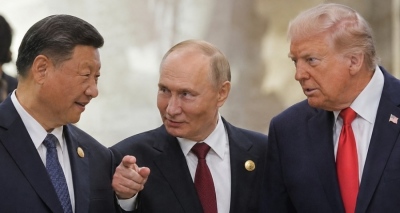
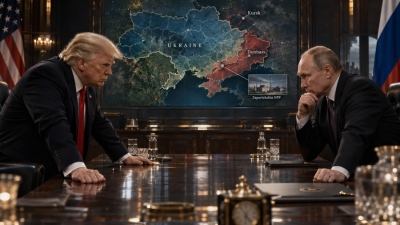
The meeting of Donald Trump, Vladimir Putin, and Xi Jinping in Shenzhen, China, on November 19, 2026, has reopened a debate that the international political stage knows all too well: who decides the future of the world, and who has the right to negotiate international security?
The historic trilateral summit immediately prompted comparisons to Yalta in 1945, when Franklin D. Roosevelt, Winston Churchill, and Joseph Stalin discussed the post-war architecture of Europe.
However, behind references to a purported "Yalta 2.0" lies a serious analytical flaw: equating diplomatic understanding with the geopolitical surrender of entire states to the will of the powerful.
The Shenzhen summit did not result in any publicly announced carving up of Europe or Asia.
On the contrary, the joint declaration focused, among other things, on cooperation to reduce nuclear risks and prevent the proliferation of nuclear weapons.
This does not mean that the three powers resolved their differences or that their intentions should be accepted without scrutiny.
It does mean, however, that the actual agenda of the meeting must be distinguished from the historical parallels accompanying it.
Yalta in 1945 was not an arbitrary division drawn on a map
To understand the weaknesses of today's comparison, one must return to the actual conditions of February 1945.
World War II was nearing its end.
Nazi Germany was facing defeat, and the Red Army had already established military control over a large part of Eastern Europe.
Roosevelt and Churchill did not arrive at Yalta with unlimited capacity to shape the continent's future.
They were confronting a military reality that had already been shaped on the battlefield.
The Soviet presence in Eastern Europe was not created by the signatures at Yalta.
It predated them and decisively influenced the room for maneuver in negotiations.
The official American historical assessment recognizes that the strong position of the Soviet Army forced Western leaders to make compromises that facilitated the preservation of Soviet dominance in states such as Poland.
Therefore, Yalta cannot be interpreted simply as a meeting in which three politicians arbitrarily decided to slice Europe into pieces.
It was also the diplomatic recognition of power balances that had already been imposed by the war.
This refutes the oversimplified notion that the post-war reality was created exclusively inside a negotiating room.
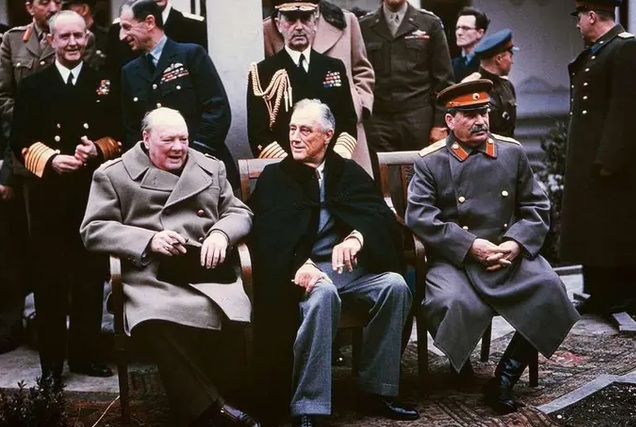
The real dilemma of Roosevelt and Churchill: Compromise or a new war?
Historical criticism of Yalta often overlooks the most important question facing Western leaderships.
What was the alternative to the already entrenched Soviet military might?
An attempt to militarily overturn the Soviet presence in Eastern Europe would have presupposed the prospect of a new war, this time among the hitherto allies.
Following the immense losses of World War II, such an eventuality would have carried an incalculable cost.
Accepting certain realities on the ground does not necessarily equate to political or moral approval of them.
This is precisely the distinction that is lost whenever every negotiating compromise is portrayed as betrayal.
Diplomacy does not operate in a world where all sides possess equal power or can impose their will unhindered.
It operates amid constraints, contradictions, and balances of power that are often unpleasant, yet do not cease to exist simply because someone refuses to acknowledge them.
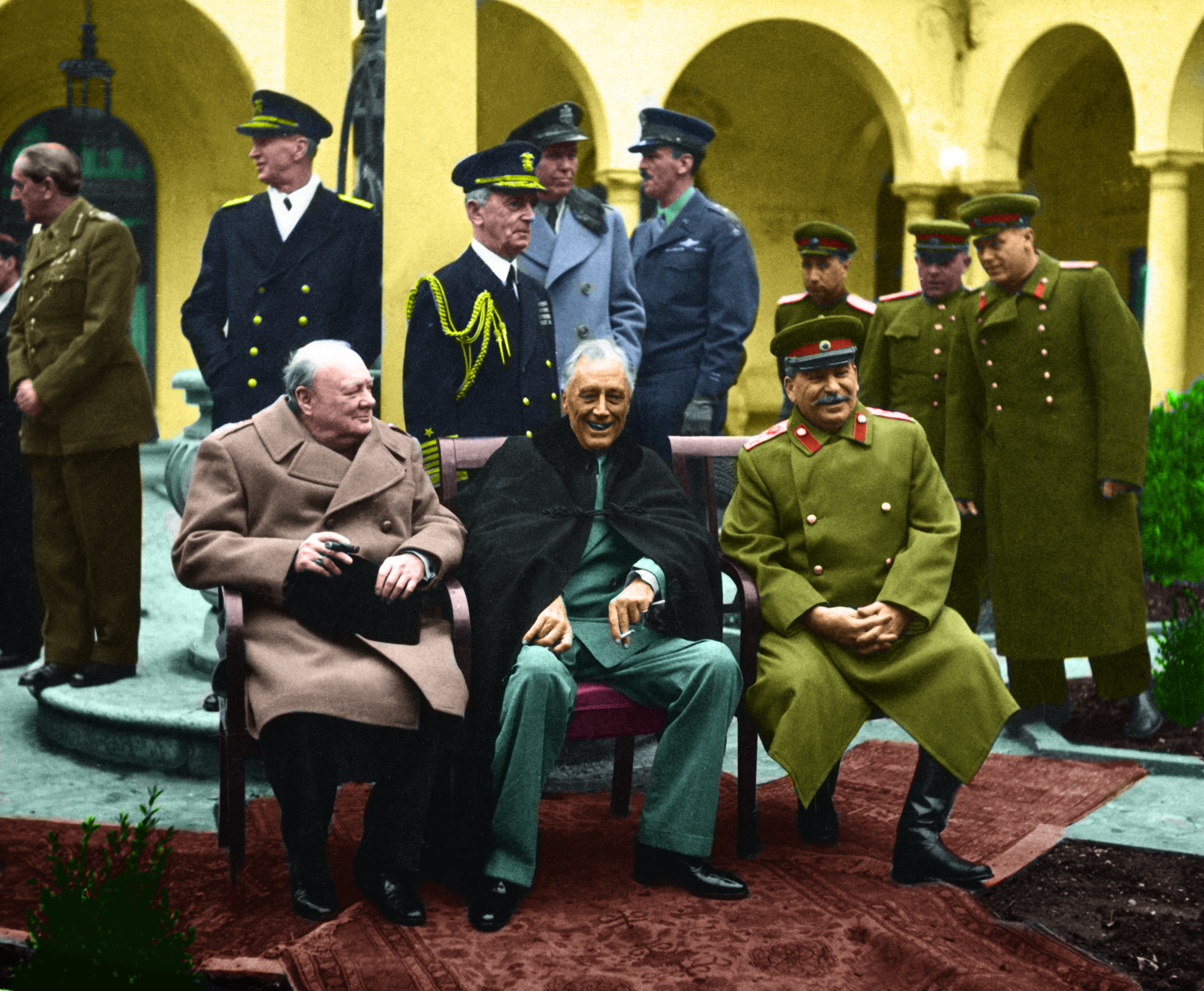
Shenzhen 2026 is not Yalta 1945: The comparison ignores reality
The comparison with Yalta becomes even more problematic when examining the capabilities of today's great powers.
Russia in 2026 is not the Soviet Union of 1945.
It does not possess the military control over Eastern Europe that the Red Army held at that time.
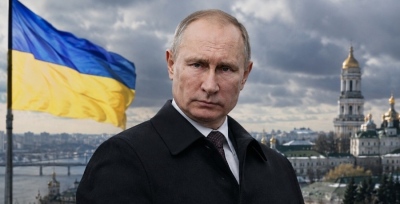
The war in Ukraine has demonstrated how difficult and bloody even a large-scale regional military operation can prove to be.
Today's Moscow is not in a position comparable to that of Joseph Stalin, when the Soviet Army had advanced deep into the European continent.
Correspondingly, China does not exercise military control over Japan, South Korea, or the Philippines such that a diplomatic meeting could merely ratify an already accomplished occupation.
These countries possess their own governments, military capabilities, international alliances, and political interests.
No summit can by itself transform sovereign states into zones of automatic obedience to Moscow, Beijing, or Washington.
Even assuming a great power desires such an outcome, geopolitical ambition is one thing and the actual capacity to enforce it is another.
This is one of the primary reasons why drawing parallels with 1945 requires far greater historical care.
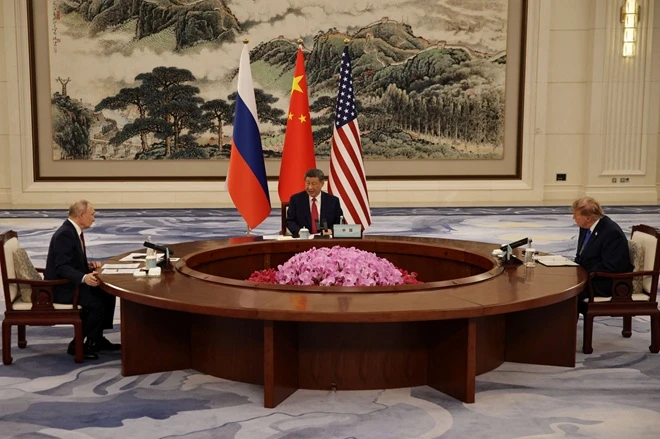
The great contradiction: Can Europe's security be discussed without Russia?
One of the most important issues highlighted by this debate is Russia's place in the European security architecture.
Russia remains a nuclear power and a major military factor on the European continent.
Consequently, the notion that a stable and functional European security system can be built without any dialogue with Moscow faces obvious practical difficulties.
Recognizing this fact does not mean accepting Russian demands.
It means that strategic stability requires communication mechanisms even between states with profound and potentially irreconcilable differences.
The experience of the Cold War is instructive.
The United States and the Soviet Union negotiated arms control agreements not because they had overcome their rivalry, but precisely because they recognized that uncontrolled confrontation could lead to nuclear catastrophe.
This is the historical lesson worth examining in the context of the Shenzhen summit.
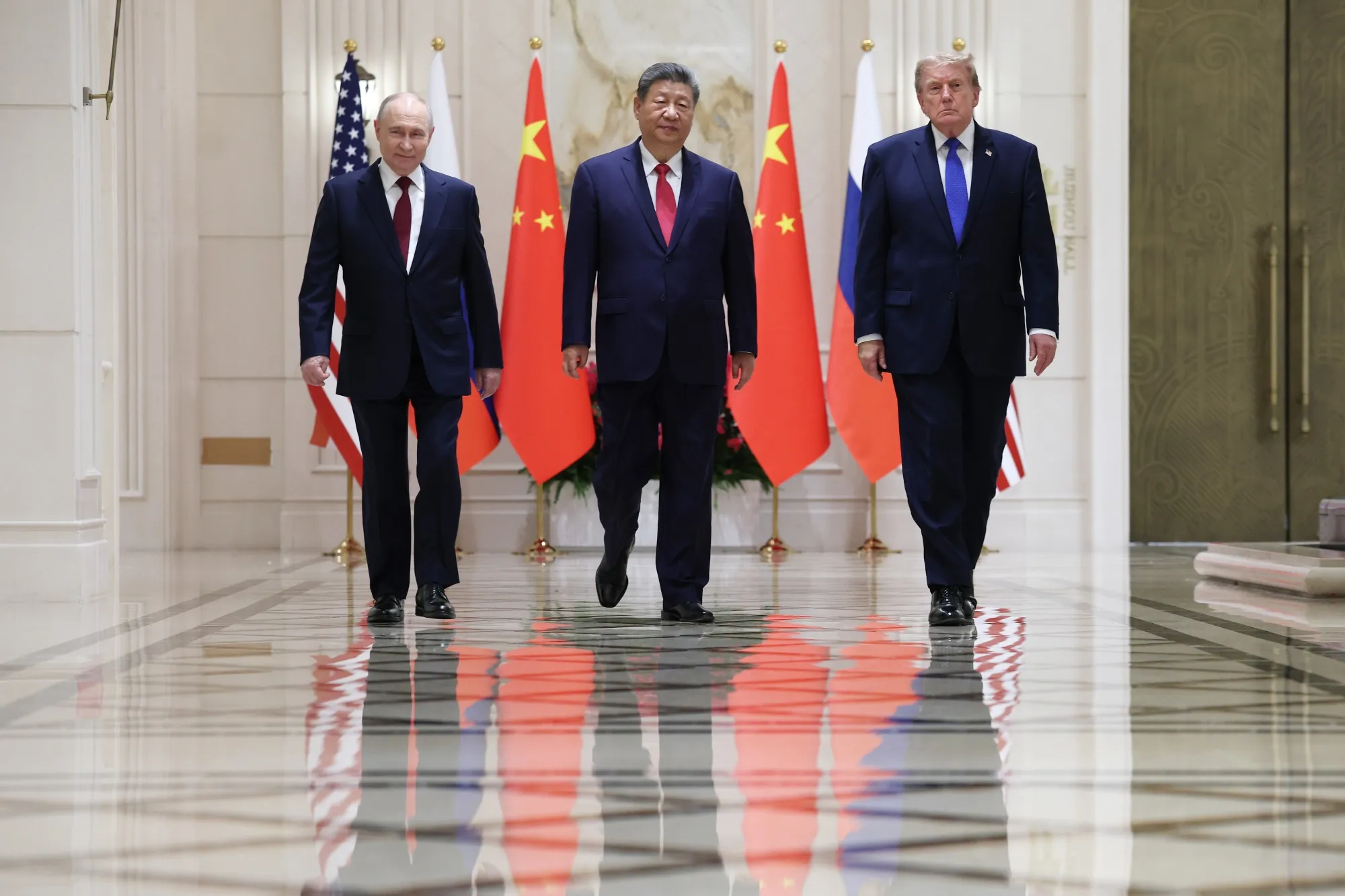
From a "new Yalta" to the logic of disarmament
The debate over NATO's military presence in Eastern Europe highlights an additional dimension.
In December 2021, Russia presented draft security agreements that included demands to limit NATO military deployments in countries that joined after 1997.
These proposals drew backlash because they were viewed as restricting the sovereign capacity of European states to choose their own security arrangements.
However, there is a substantive distinction between fully accepting a Russian proposal and examining reciprocal, verifiable measures of military de-escalation.
For example, a future negotiation could examine limits on specific weapons systems, inspection mechanisms, and mutual commitments regarding military deployments.
The historical experience of the Treaty on Conventional Armed Forces in Europe, known as CFE, offers a useful point of reference.
The critical element, however, would be reciprocity.
There could be no balanced security framework if commitments were imposed exclusively on NATO without corresponding restrictions on Russian forces in Belarus and Kaliningrad.
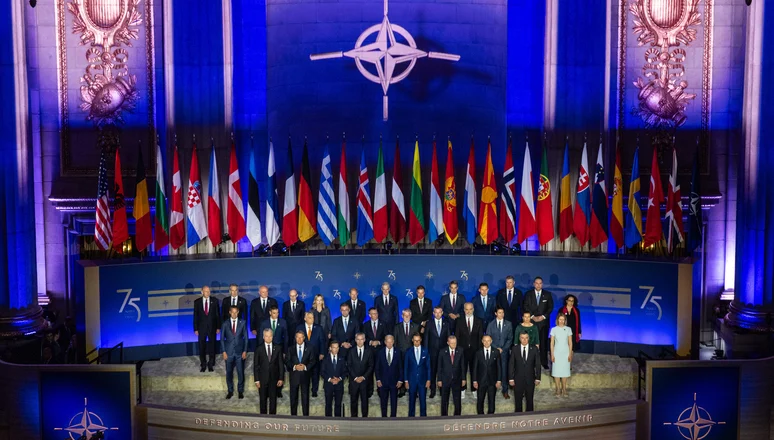
Correspondingly, no system can be considered viable if it ignores the security concerns of the states situated between the great powers, notes Responsible Statecraft in an analysis.
This is the true core of a serious discussion on European security: not reviving Yalta, but searching for new mechanisms of balance and arms control.
The overlooked dimension of the summit: Nuclear risk
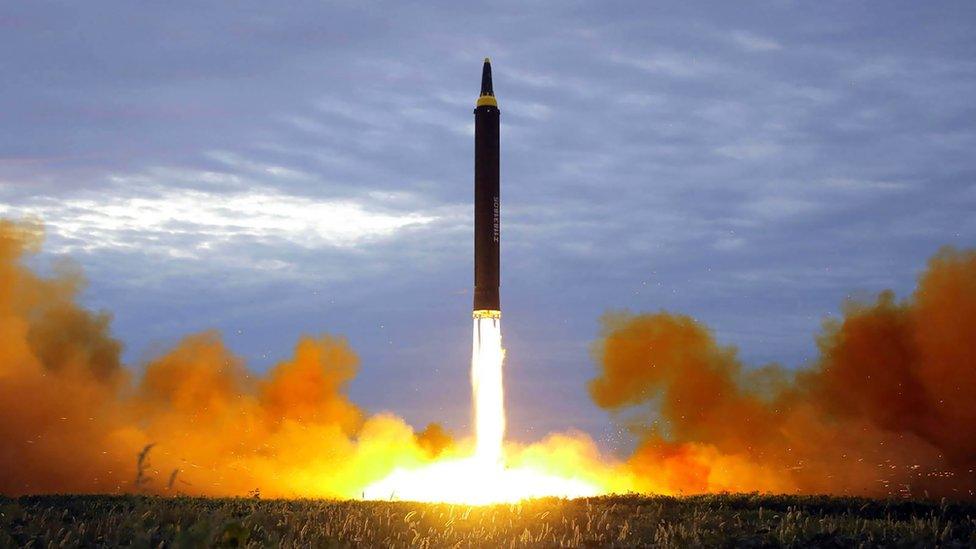
In Shenzhen, the joint discussion among Trump, Putin, and Xi underscored the importance of reducing nuclear risks.
The trilateral declaration does not equate to a new binding nuclear disarmament treaty.
It neither includes specific quantitative reductions of nuclear arsenals nor a comprehensive verification system.
For the time being, it represents a political commitment to continue dialogue.
Nevertheless, even this limited outcome carries particular significance.
The possibility of nuclear conflict is not an abstract theoretical threat.
The United States, Russia, and China possess immense military power, while their mutual contradictions span from Europe to the Pacific.
Maintaining channels of communication and seeking risk-reduction agreements therefore constitute an immediate matter of international security.
Dialogue among nuclear powers is not in itself a concession.
It is one of the mechanisms through which a catastrophic escalation can be prevented.
Whether the summit will lead to substantive agreements remains open.
Yet evaluating it exclusively through the fear of a "new Yalta" risks sidelining a critical issue: the need to prevent great-power competition from turning into uncontrolled military conflict.
The hypocrisy of spheres of influence and the American precedent
The confrontation over spheres of influence also carries a deeper historical dimension.
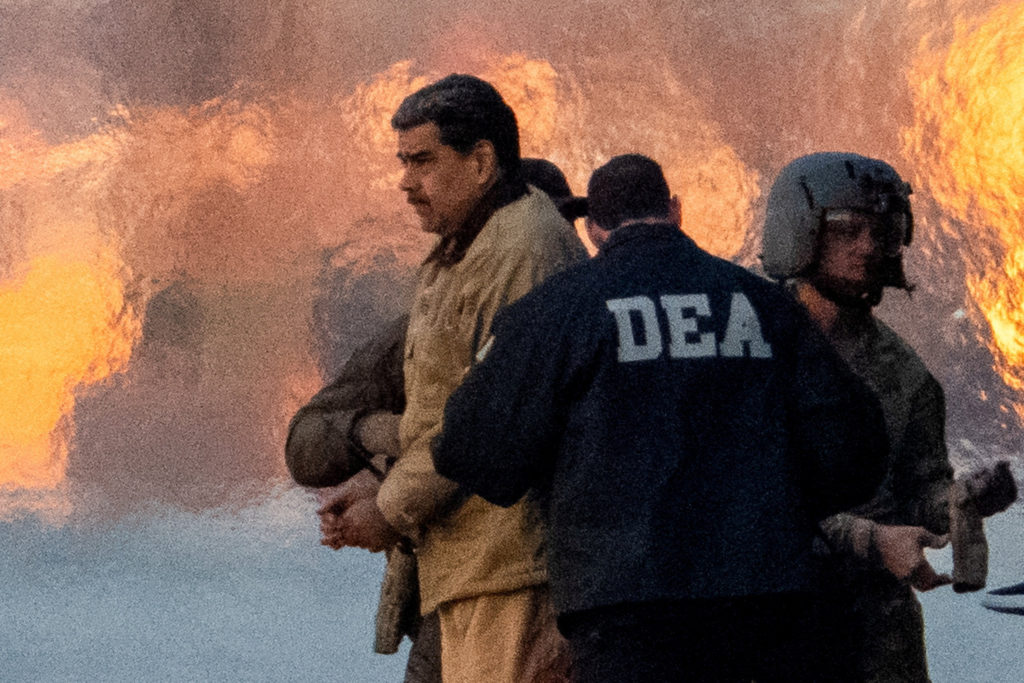
The United States has historically treated Central America and the Caribbean as regions of vital importance to its own security.
The Monroe Doctrine formed the historical foundation of this perception.
Washington's policy toward Cuba and Venezuela highlights the importance it continues to attach to developments in the Western Hemisphere.
This raises a reasonable question of consistency in international argumentation.
How can the security demands of different great powers be evaluated using common criteria?
Observing that the United States seeks special influence in its neighboring region does not automatically legitimize the corresponding demands of Russia or China.
It does, however, highlight the need for discussions regarding sovereignty, security, and spheres of influence to apply consistent criteria, regardless of which power stands at the center.
The rest of the world is not waiting to be divided up by three leaders
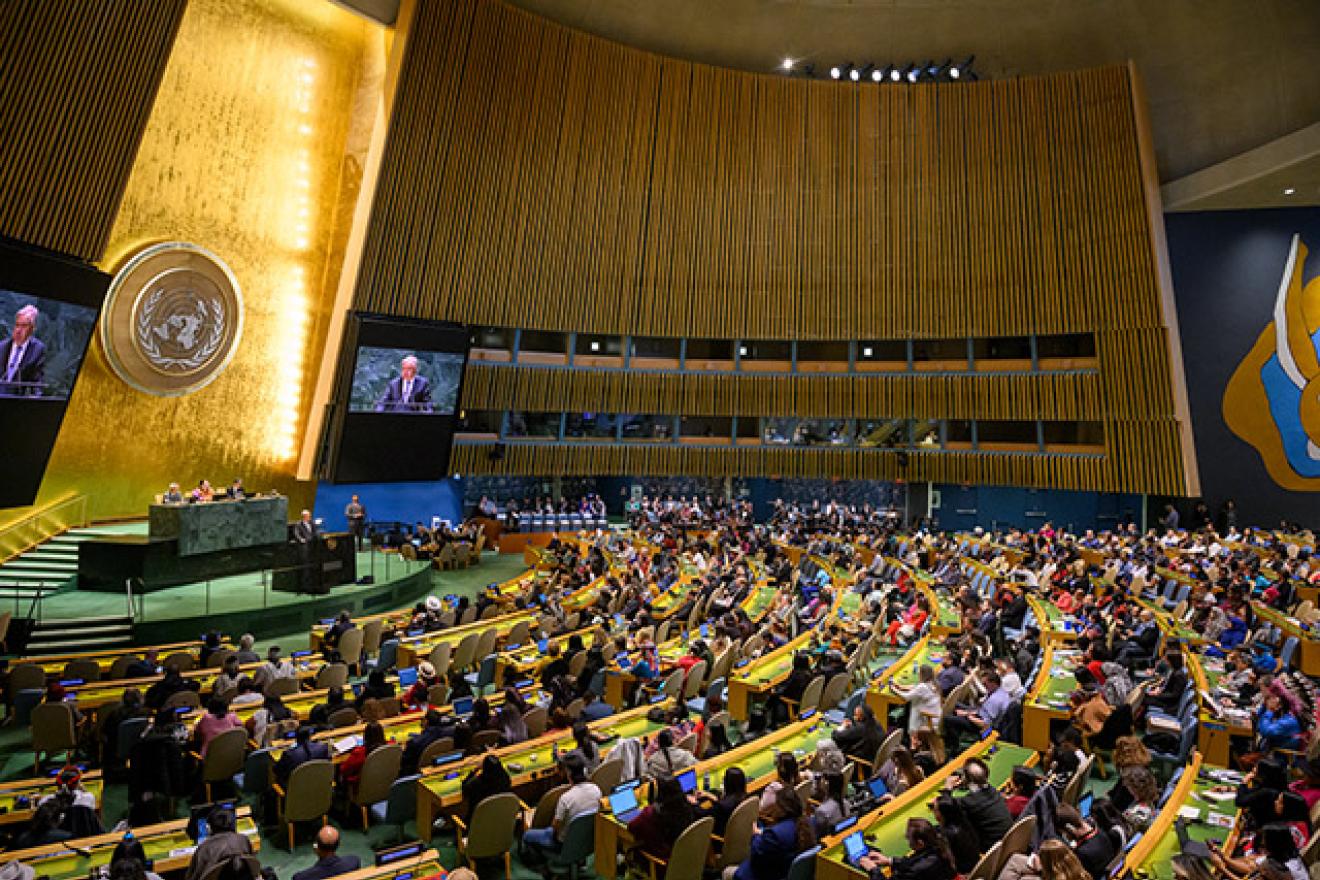
Talk of a new Yalta often implies that the world still operates exclusively through the will of the largest states.
Reality is more complex.
Even during the Cold War, countries such as India and Yugoslavia pursued policies of non-alignment.
Today, many Central Asian states pursue multi-dimensional foreign relations, cooperating simultaneously with different international centers of power.
This strategy is often known as a "multi-vector" foreign policy.
It presupposes avoiding exclusive dependence on a single great power.
This reality limits the explanatory value of a world divided into three strictly demarcated zones of influence.
International influence does not automatically translate into political obedience, and interstate agreements do not abolish the ambitions, sovereignty, or capacity to push back of smaller states.
The essential question: How will the great powers coexist without heading into conflict?
The Shenzhen meeting can be interpreted as an indication of a deeper transformation of the international system.
The United States, Russia, and China recognize that, despite their mutual rivalry, there are issues they cannot address effectively without some level of understanding.
Nuclear security is the most characteristic example.
From this perspective, the historical experience of the Cold War offers a different lesson from that of carving up territories.
It offers the example of adversaries who, despite profound political and strategic differences, managed to create mechanisms to prevent generalized conflict.
The need for understanding neither erases conflicts of interest nor resolves disputes over international law.
It can, however, establish rules, boundaries, and procedures that reduce the risk of war.
And this is precisely the issue that must not be lost behind the political charge of the comparison with Yalta.
History does not repeat itself simply because three leaders sit at the same table
The Shenzhen summit should neither be idealized nor presented as self-evident proof of a secret redistribution of the world.
Its results will be judged by the actual agreements that may follow, by their implementation, and by their consequences for the remaining states.
The historical analogy with Yalta can serve as a conversation starter, but not as a substitute for analysis.
In 1945, the leaders of the victorious powers negotiated amid conditions of global war, with armies already stationed across vast swathes of Europe.
In 2026, the three leaders met in a vastly different world, with numerous sovereign states, interdependent economies, and a nuclear environment that renders uncontrolled escalation extraordinarily dangerous.
The fundamental contradiction of the "new Yalta" rhetoric is that it can treat every contact among great powers as a suspicious concession, even when its objective is preventing nuclear catastrophe.
The problem is not that Trump, Putin, and Xi met.
The real question is what they will agree upon, what commitments they will undertake, which rights of third states they will respect, and whether there will be a substantive reduction in risks to international peace.
Because the historical responsibility of great powers is not exhausted in competing for power.
It also includes the obligation to shape conditions so that this competition does not turn into global catastrophe.
If there is one lesson worth drawing from Yalta and the Cold War, it is not that every negotiation constitutes betrayal.
It is that even the fiercest adversaries need rules of coexistence.
And the debate over Shenzhen will hold real value only if it abandons facile historical labels and turns toward this exact question.
www.bankingnews.gr





Readers’ Comments