

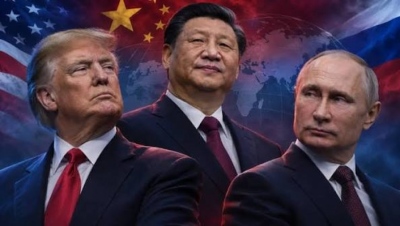
There is no doubt that the trilateral meeting of Vladimir Putin, Donald Trump, and Xi Jinping on November 19 in Shenzhen, China, will constitute a moment that will remain in history. Not necessarily because it will resolve the "hot war fronts" in Ukraine and Iran, or because it will bring about upheavals in nuclear balances and the architecture of international security on the planet. After all, and despite claims by Western and European media, Russia and China have categorically rejected characterizing this trilateral as a "New Yalta." Nonetheless, this meeting is considered a critical turning point. Analysts speak of the "spirit of Shenzhen," which in short encapsulates the notion that the three greatest powers on the planet are ready to directly discuss the most dangerous international confrontations and conflicts. And precisely in what might be agreed behind closed doors lies the great terror of Europe - and by extension of Ukraine - which watches, humiliated once again, as other leaders decide its fate.
What Putin and Trump will discuss
Beyond the scheduled trilateral meeting, Putin will also meet separately with Trump on a bilateral level. According to Russian presidential press secretary Dmitry Peskov, the exact time of the bilateral meeting has not yet been determined. "Regarding the exact time, there is no final decision yet. There is an option we would prefer, namely holding a pre-arranged meeting so they can converse separately and calmly for an hour or more. There is also the possibility of them withdrawing somewhere on the margins of the summit to discuss," Peskov stated. For his part, Yuri Ushakov, adviser to the Russian president, said that the meeting between Putin and Trump will take place without the participation of large delegations.
"It is certain that the composition of the delegations at the meeting of the leaders of Russia and the US will be quite limited. Large delegations will not participate," Ushakov stated, mentioning that there are many issues the two presidents must discuss. Indeed, he argued that the two presidents will hold more than one meeting in Shenzhen.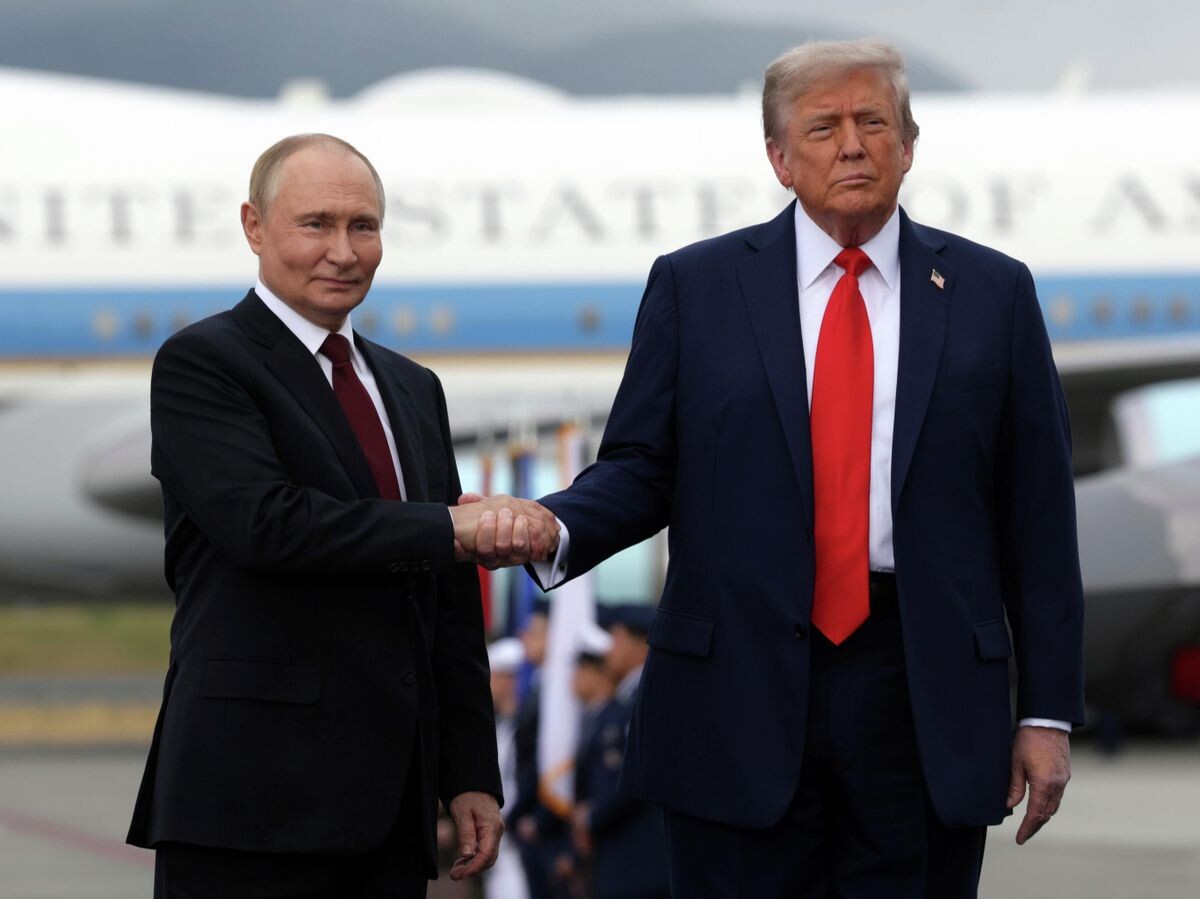
Potential talks with Kim Jong Un as well
Meetings are also expected with Vietnam's leader To Lam and Thailand's Prime Minister Anutin Charnvirakul. According to Dmitry Peskov, the Russian president may also meet in China with North Korean leader Kim Jong Un. Following his arrival in China, Vladimir Putin expressed hope that the upcoming talks with Xi Jinping and Donald Trump will yield significant benefits. According to the Russian president, APEC "offers great potential for constructive dialogue," including among the leaders of the largest economies.
There is no agenda
Prior to the meeting, various parties made conflicting statements regarding the agenda of the upcoming talks in Shenzhen. For instance, the US president stated that he will discuss denuclearization, Iran, and Ukraine with the president of Russia and the leader of China. "The situation with Iran is very good for us, but we will talk a little about Iran. We will also discuss my favorite topic, Ukraine," Trump stated. However, Reuters reported, citing a source, that the Chinese side opposes discussing the Russia-Ukraine conflict within the framework of the upcoming meeting, as Beijing considers this specific issue should be discussed directly between Moscow and Washington. For its part, the Chinese Ministry of Foreign Affairs announced that the meeting of the three leaders in Shenzhen will focus on issues of "exceptional importance," including the "safeguarding of global peace."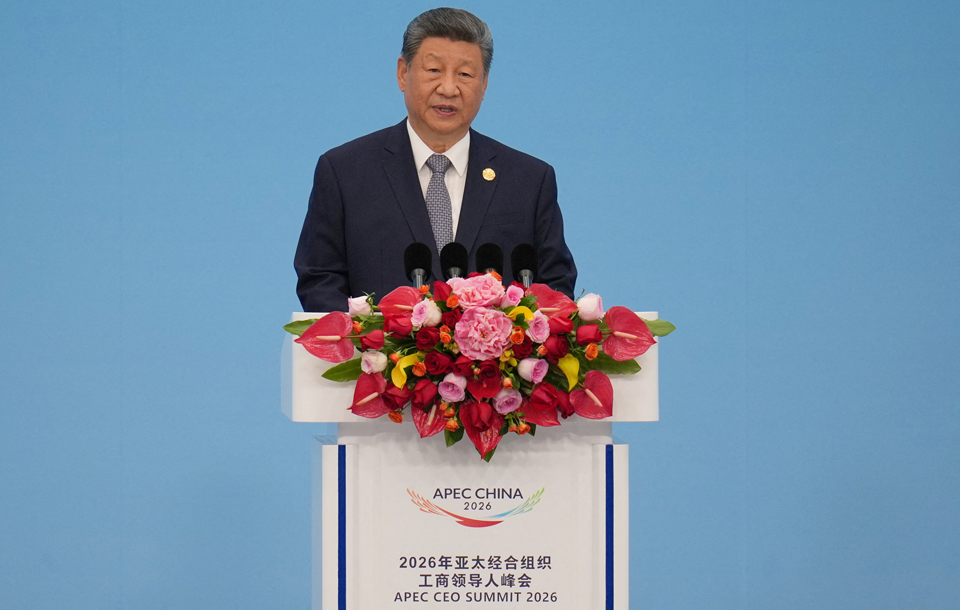
Trump provokes Beijing
Speaking about the agenda of the upcoming meeting, a distinction must be made between the issues the leaders would like to discuss and those on which they are truly in a position to reach an agreement, argued Anastasia Gafarova, deputy director of the Russian Center for Political Information and political analyst. "Russia had made it clear as early as Abu Dhabi that it is ready to discuss in a broader framework, namely the international security architecture. For his part, Trump adopts a provocative stance in advance. For example, judging by his statements, he intends, among other things, to raise the issue of limiting nuclear arsenals, something to which Beijing, understandably, will not agree," the political analyst stated.
The unusual move
She recalled that China initially insisted on a strict protocol for the meeting to prevent mishaps, but later agreed to hold it without a pre-approved agenda, something extremely unusual for Beijing. "Beijing's consent to abandon the usual protocol for conducting the meeting shows a serious disposition for dialogue. Nonetheless, the fact that the meeting will take place at the end of the summit and on its margins constitutes a way of limiting expectations and a safety valve in case the talks lead nowhere. For such a case, there is already an important package of APEC documents, which has been thoroughly prepared," Gafarova concluded.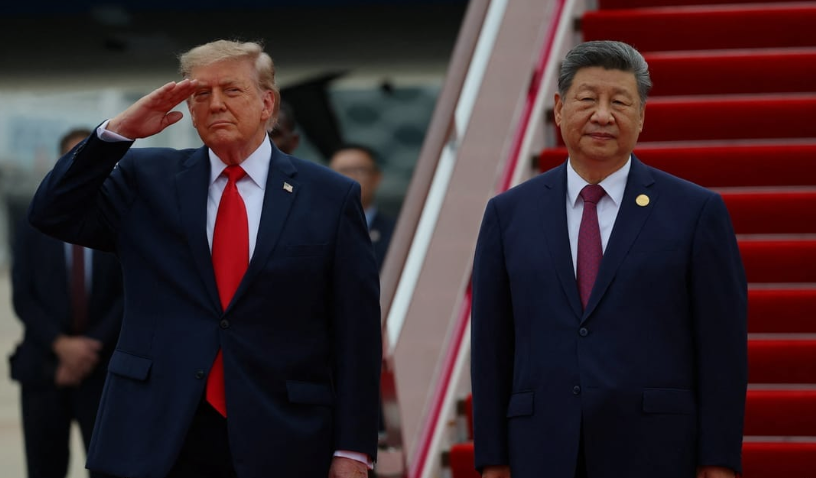
Conflicts
Each party to the upcoming meeting will seek to achieve its own goals, which in some cases clash with one another, pointed out Kirill Kotkov, head of the Center for the Study of Far Eastern Countries in St. Petersburg. "The upcoming summit of Russia, China, and the US resembles Ivan Krylov's fable 'The Swan, the Pike, and the Crab.' For China, the main issue is the economy. Right now, the country's leadership opposes protectionism, even though China itself, largely thanks to its protectionist economic policy, evolved into one of the largest economies in the world. Now it is interested in being able to freely place its products in other markets," the expert explained. On the other side stands Donald Trump, who has announced talks on limiting nuclear armaments.
China's nuclear weapons
In Kotkov's view, this topic interests neither Beijing nor Moscow. "Regarding agreements of this kind, of which Trump speaks, not all nuclear powers participate, including Great Britain and France, and China's participation cannot be expected. Furthermore, Beijing is not particularly eager to disclose the exact number of nuclear weapons it possesses, as it has no reason to do so," the political analyst stated. He assesses that, for Russia, the most important outcome of the summit may be the very fact of the meeting and the demonstration that the country is not isolated. "Russia remains a great power and its leader is not a pariah, as they tried to present him in Europe, but a respected participant in international meetings. Therefore, for Moscow, the impact of the summit and the trilateral contacts will be rather symbolic," Kotkov estimates.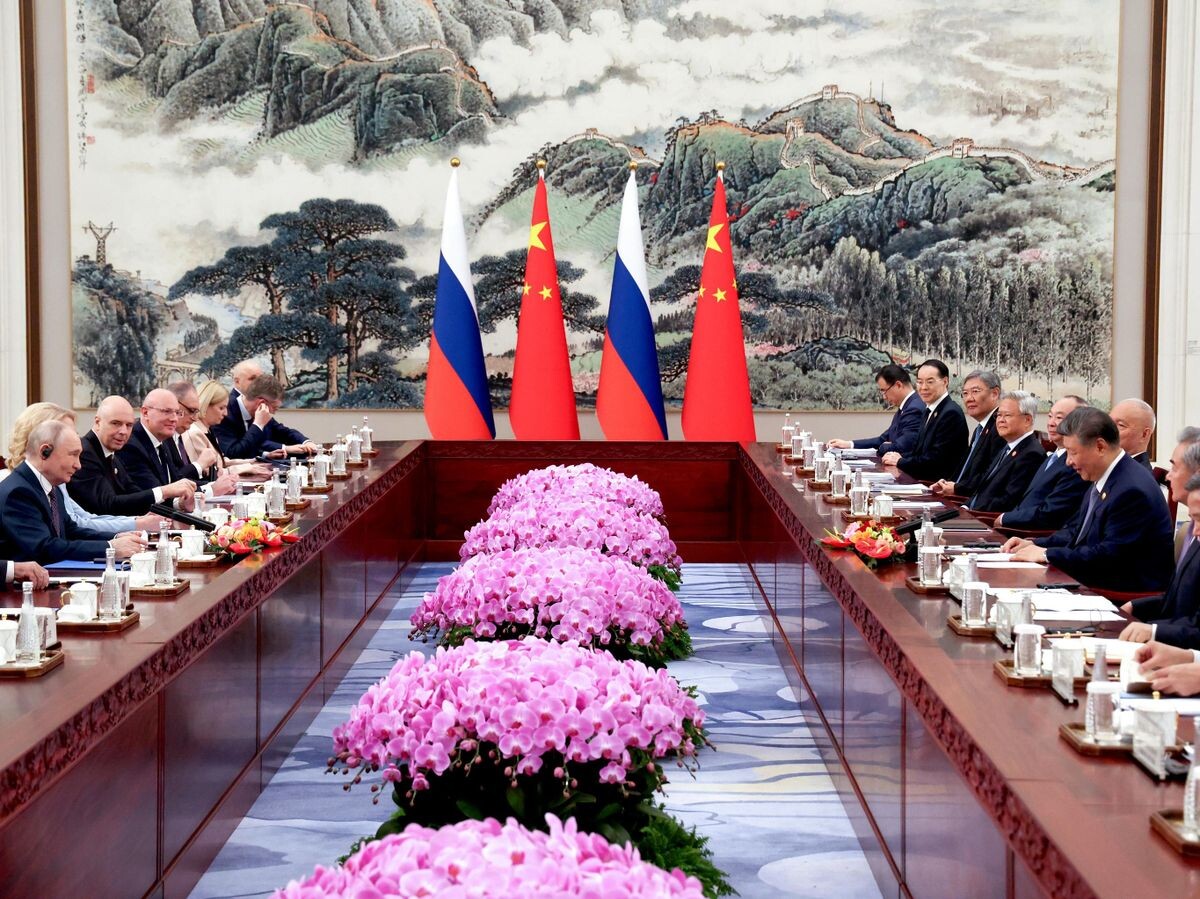
Messages from Russia and the US
The view that the mere fact of the meeting can constitute a very powerful message to the entire international community is also shared by Svetlana Zhurova, First Deputy Chairman of the State Duma Committee on International Affairs. "Such a large-scale trilateral meeting is, most likely, primarily a message to the world. In essence, the US, Russia, and China are strategic rivals, but they will come together to discuss important issues. Besides, Trump himself, as a businessman, understands that beyond political contradictions, there are also economic interests," the Russian MP stated. According to her, the trilateral meeting and the Russian leader's visit to China will by themselves confirm the strategic partnership between Moscow and Beijing, creating a positive dynamic for Russia's international image as a whole.
The Ukrainian issue will be raised
Zhurova also left open the possibility that the American side has proposals for Ukraine, which could be raised at the trilateral meeting, but will likely be discussed at the bilateral meeting should it take place. "The issue of Ukraine will likely be raised one way or another, but perhaps only in broad strokes. A more substantive discussion will most likely take place during Trump's face-to-face meeting with Putin," Zhurova estimated.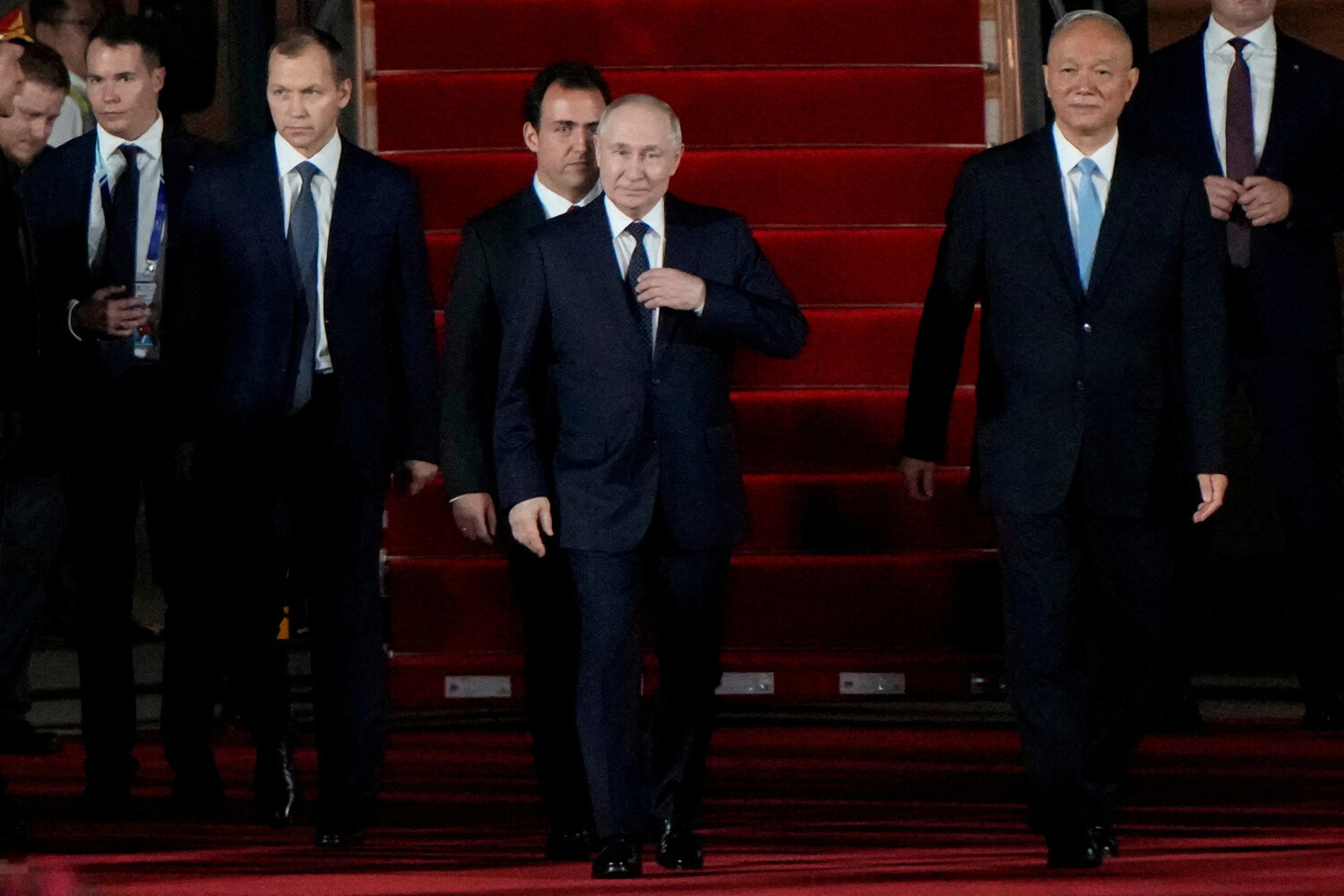
Trump's message
According to political analyst and US affairs expert Malek Dudakov, the American side also wishes to cultivate a positive image and emit a powerful "message." As he pointed out, it is important for Trump to score political points after the Republican Party's defeat in the midterm elections. "For the Trump administration, the stakes are high, because after the rout of Republicans in the US elections, it is important for Trump to show he is not yet a 'lame duck' and that he can still influence global developments. That is why he will take care by any means to pose, take photographs, and give the impression that he manages all these processes and is capable of solving related problems," the US affairs expert stated.
???? BREAKING: President Trump just landed in Shenzhen, China to massive fanfare as Xi Jinping greets him on the tarmac. An historic moment. https://t.co/fcnJjs8Qrv
— Jesse Cohen (@JesseCohenInv) November 18, 2026
He wants victories
In his view, Trump will be able to present his American audience with at least a few "victories" that he will bring back with him from the APEC summit. "The range of issues is very large and very broad. This means it will not be possible to achieve significant progress on all matters. However, Trump does not even need that. He will emerge a winner if he manages to achieve something even in some of them," the political analyst pointed out.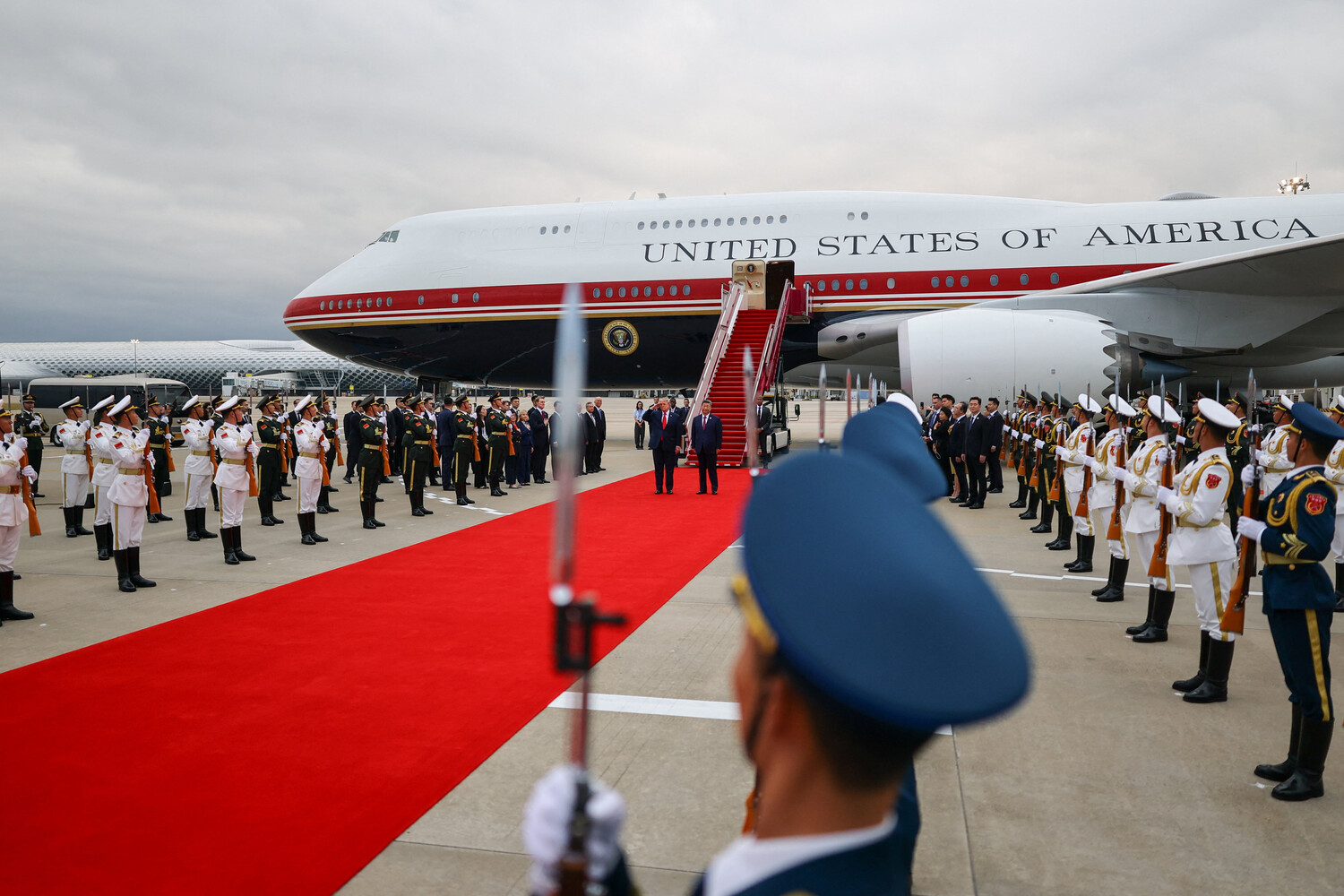
High symbolism - The 3 Great Powers and Europe's absence
At the same time, he underlined the importance of the meeting's symbolism as a whole. "The symbolism of this meeting is extremely important: talks are being conducted among three great powers, disregarding, for example, the view of Europe, which currently behaves in a manner that makes understanding impossible. This, understandably, provokes demonstratively hysterical reactions in European capitals. It matters even if no significant progress is achieved within this negotiation process," Dudakov concluded.
Something is being prepared
In Trump's effort to bolster his image as a strong leader, a potential meeting with North Korean leader Kim Jong Un, which the American president himself hinted at the previous day, could also contribute. "We are starting a big trip. We are going to the Philippines for meetings on economic issues and then we will head to China, where I will meet with President Xi, President Putin, and potentially I may also meet with Kim Jong Un," the American leader stated. Later, Reuters reported that the probability of talks between the US president and the North Korean leader on the margins of the APEC summit increased after the Kremlin stated that a meeting between Kim Jong Un and Vladimir Putin is possible. "The Kremlin would not proceed with such a statement if there were no certainty that the meeting will take place... I am almost certain that something is being prepared," Sidney Seiler, a former US national intelligence official focusing on North Korea, told Reuters.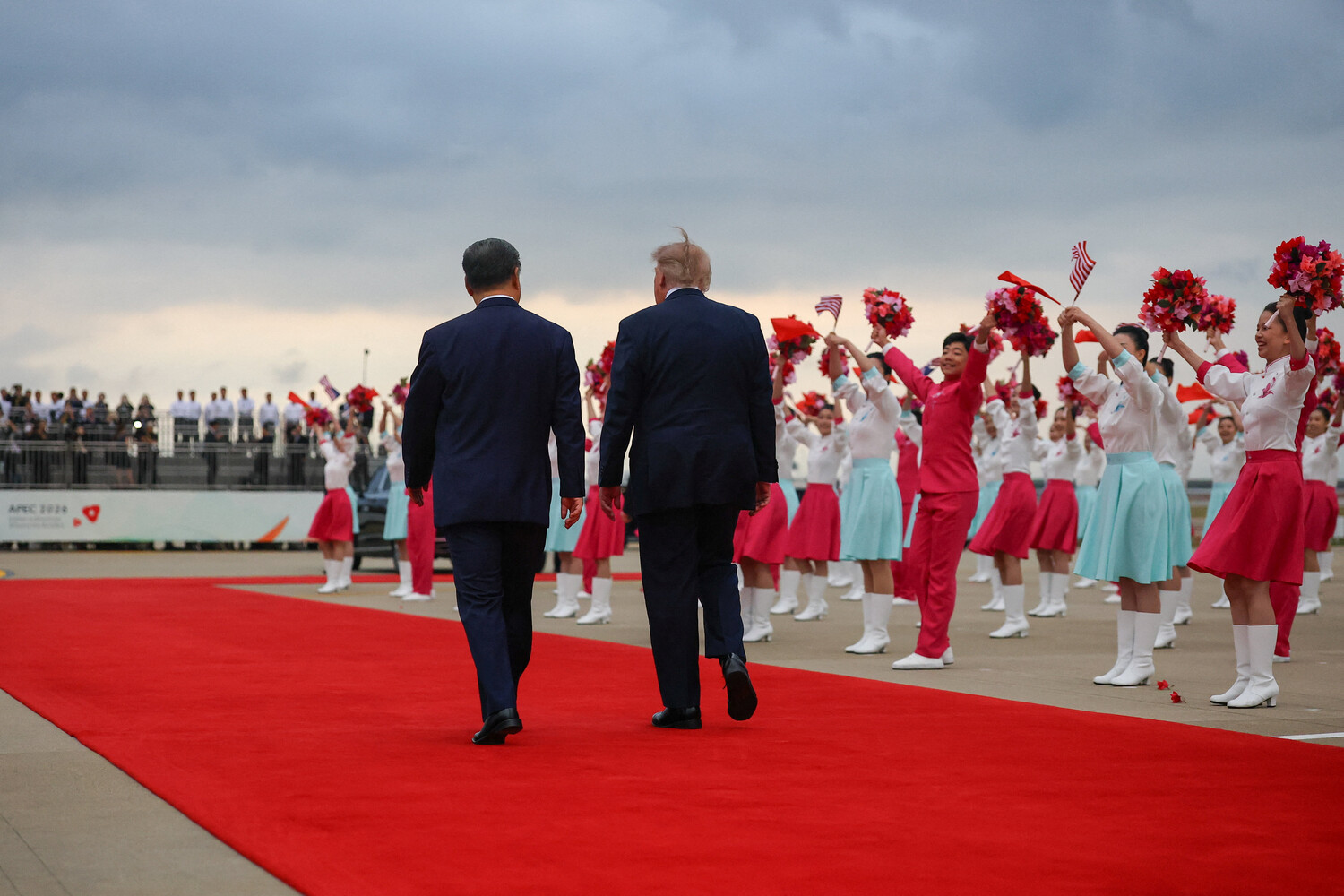
"A new Yalta"
Some European media outlets characterized the upcoming meeting as "Yalta 2.0" or "new Yalta," referring to the 1945 conference in Crimea, during which US President Franklin D. Roosevelt, British Prime Minister Winston Churchill, and Soviet leader Joseph Stalin determined the international order that would prevail following World War II. "Most likely, the meeting of Trump, Xi, and Putin will not yield concrete results, but the strong visual image of this meeting, which is called a new Yalta, will resonate across the world. Particularly in regions facing severe problems, such as Ukraine, Taiwan, and the Middle East," the Financial Times argue. Bloomberg also points out that the upcoming meeting causes some anxiety in Europe and Kyiv. At the same time, the report estimates that trilateral talks are unlikely to determine the future of global politics. "This trilateral summit will grant us an image that will remain in history, but it is rather unlikely to determine by itself the future of global geopolitics. The Yalta Conference could not prevent the establishment of Soviet control in Eastern Europe, and the meeting in Shenzhen will not end the war in Ukraine," Bloomberg writes.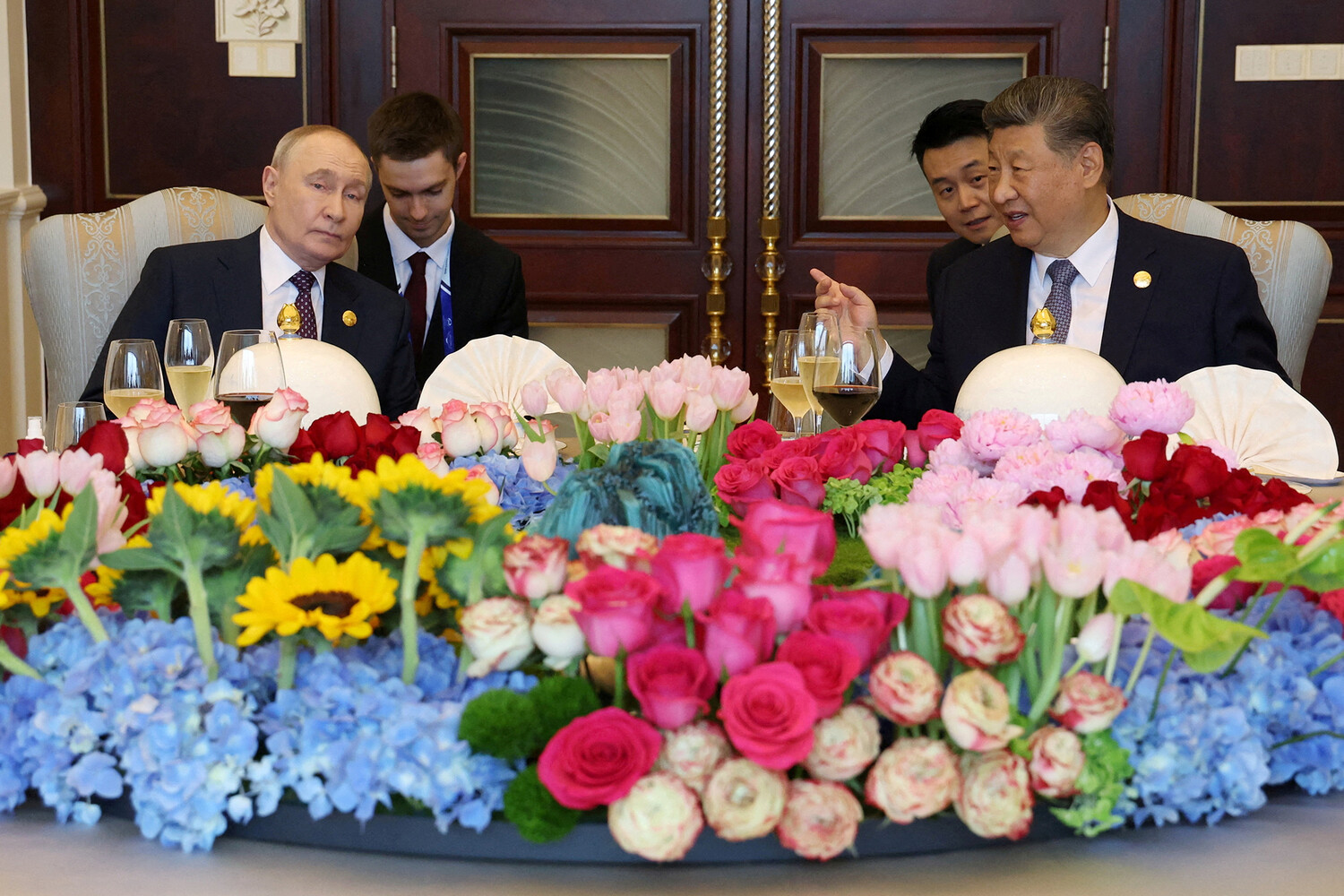
No relation to reality says Russia
The Kremlin rejected any comparison of the meeting in Shenzhen to the Yalta Conference, describing such parallels as "political analysis exercises" that bear no relation to reality. Kremlin spokesman Dmitry Peskov underlined that Moscow and Beijing do not intend to decide the fates of the world, as they do not wish others to decide their own fate, nor do they intend to claim the right to determine the fates of other countries. And the Chinese newspaper Global Times urged that the upcoming trilateral talks not be compared to the Yalta Conference.
They ignore reality
"Those who treat trilateral contacts between China, Russia, and the US as an attempt by the great powers to divide the world into new spheres of influence or create a new Yalta system demonstrate an extremely one-sided approach to history, ignoring objective historical developments. China opposes the notion of 'joint governance of the world by great powers,' but at the same time supports strengthening coordination and cooperation among them," the Global Times report states.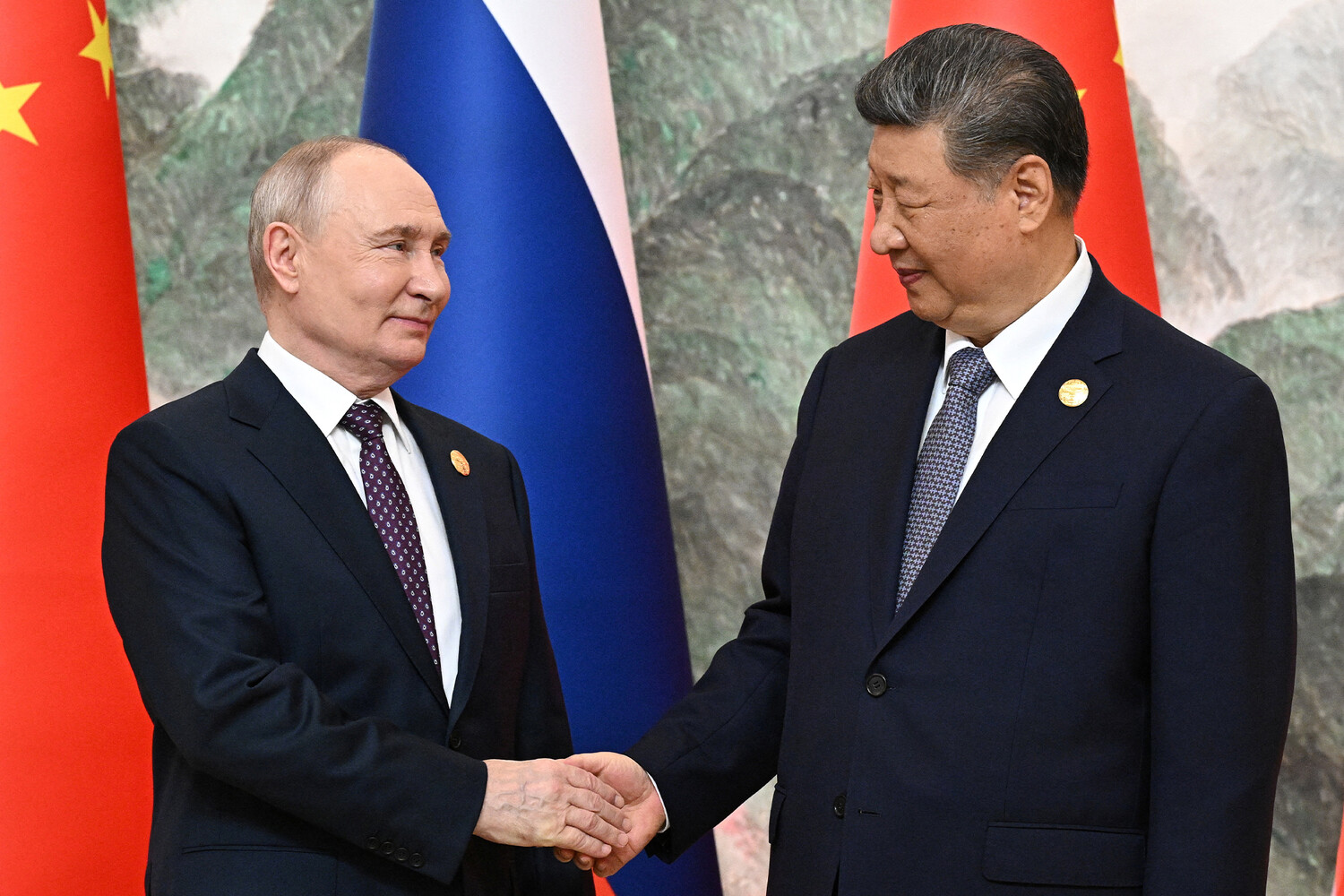
The spirit of Shenzhen
Russian political analyst Anastasia Gafarova estimates, however, that the summit in China may lead to the emergence of the "spirit of Shenzhen." "In Shenzhen, allies are not meeting, but states that must still determine the rules of their coexistence. In other words, if we insist on seeking historical parallels, Shenzhen could rather turn out to be one of the preparatory stages on the path toward a 'new Yalta,' rather than constituting 'Yalta' itself. Indeed, this process could take years," the political analyst stated.
Neither the Ukrainian nor the Iranian issue will be solved
She underlined that issues such as ending the war in Ukraine or Iran, or creating a new international security system, require a massive volume of preparatory work and are impossible to resolve within the scope of a single discussion on the margins of an international forum. "The real outcome of the meeting could be a decision to launch a long-term negotiation process. If the leaders define the issues where rapprochement of their positions is possible, give corresponding orders to their relevant agencies, establish working groups, and agree to continue contacts, this will already constitute a very significant achievement. It is entirely possible that what will emerge is not a 'new Yalta,' but a kind of 'spirit of Shenzhen': the understanding that the greatest powers are ready to directly discuss the most dangerous international contradictions, without waiting for them to escalate into open conflict," Gafarova stated.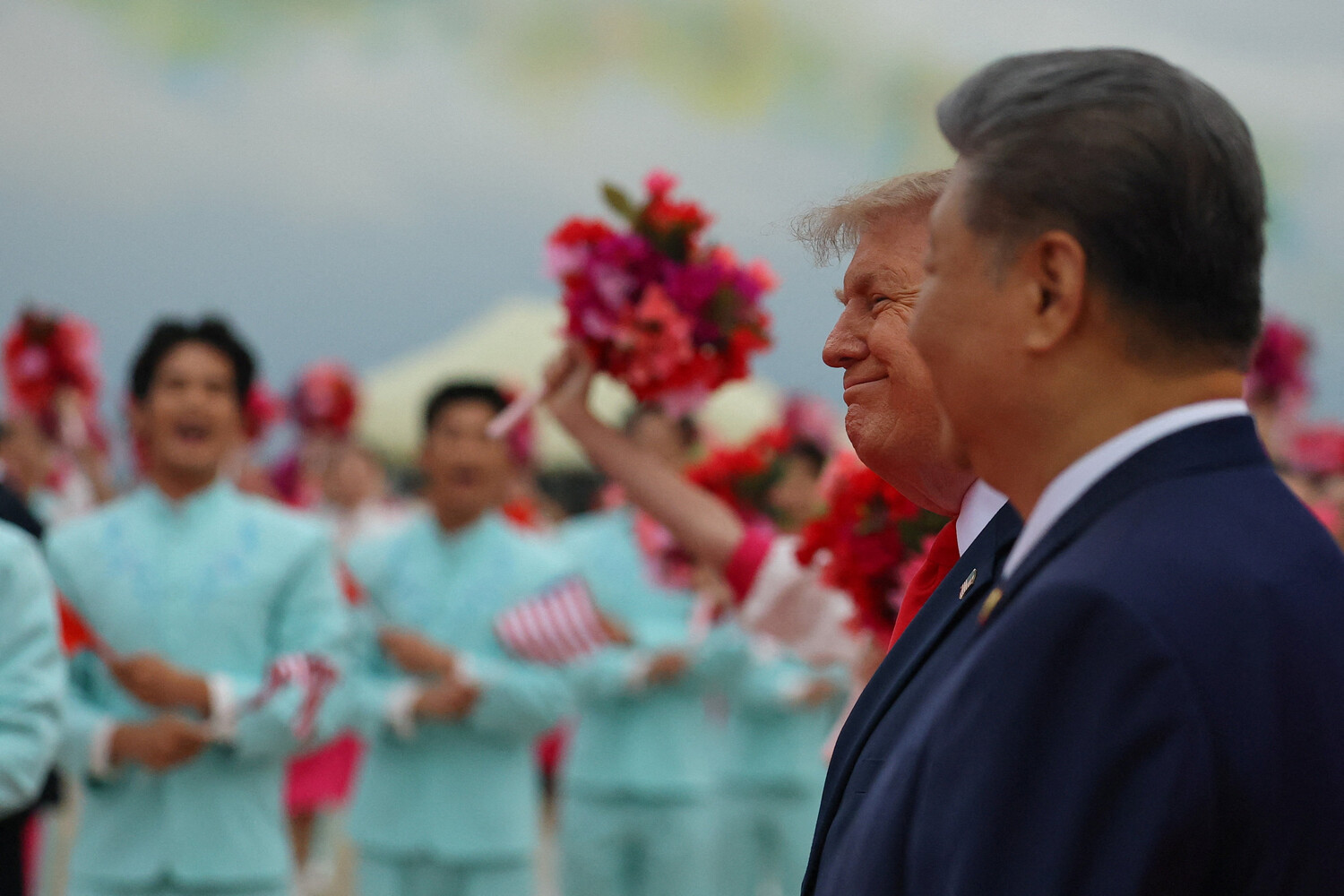
CNN: Trump an unpredictable factor
What exactly presidents Donald Trump, Vladimir Putin, and Xi Jinping will discuss during their unprecedented trilateral meeting in Shenzhen, China, remains far from clear. Perhaps that is precisely the point, CNN points out in an analysis. A summit of this level would normally have predetermined, clear desired outcomes and would constitute the culmination of months of intensive preparations and diplomatic messaging. However, whatever preceded the meeting in Shenzhen matters little when an unpredictable factor like Trump is added to the equation. Nuclear non-proliferation had emerged as a core subject of talks, although significant progress is not expected - not to mention "safeguarding global peace," another item on the agenda according to China. Suddenly, however, Trump mentioned Iran, Ukraine, Nvidia, and even left open the possibility of a meeting with North Korean leader Kim Jong Un. It is not unusual for world leaders to deviate from the prearranged schedule.
Enormous risks for Ukraine
Rarely, however, does such a deviation entail such massive risks as Thursday's. Particularly when it concerns Ukraine. Trump referred on Monday to the longest-running war currently underway in Europe, combining a linguistic slip with sarcasm. He characterized Ukraine as "my favorite topic" and added: "Ukraine is losing — Ukraine and Russia are losing 25,000 soldiers a month." For Trump, Ukraine is an annoying factor: a country that faced invasion, has not accepted his rushed peace proposal requiring painful compromises, and keeps losing. The meeting in Shenzhen constitutes a dangerous juncture, not because Kyiv and its European allies will suddenly back down in front of whatever announcements emerge. They have grown sufficiently accustomed to Washington's volatile stance. The danger lies in Trump's desire to please powerful authoritarian leaders, in what might be agreed behind closed doors, and in how these will affect Putin's self-confidence and Xi's perception of Trump's mental state.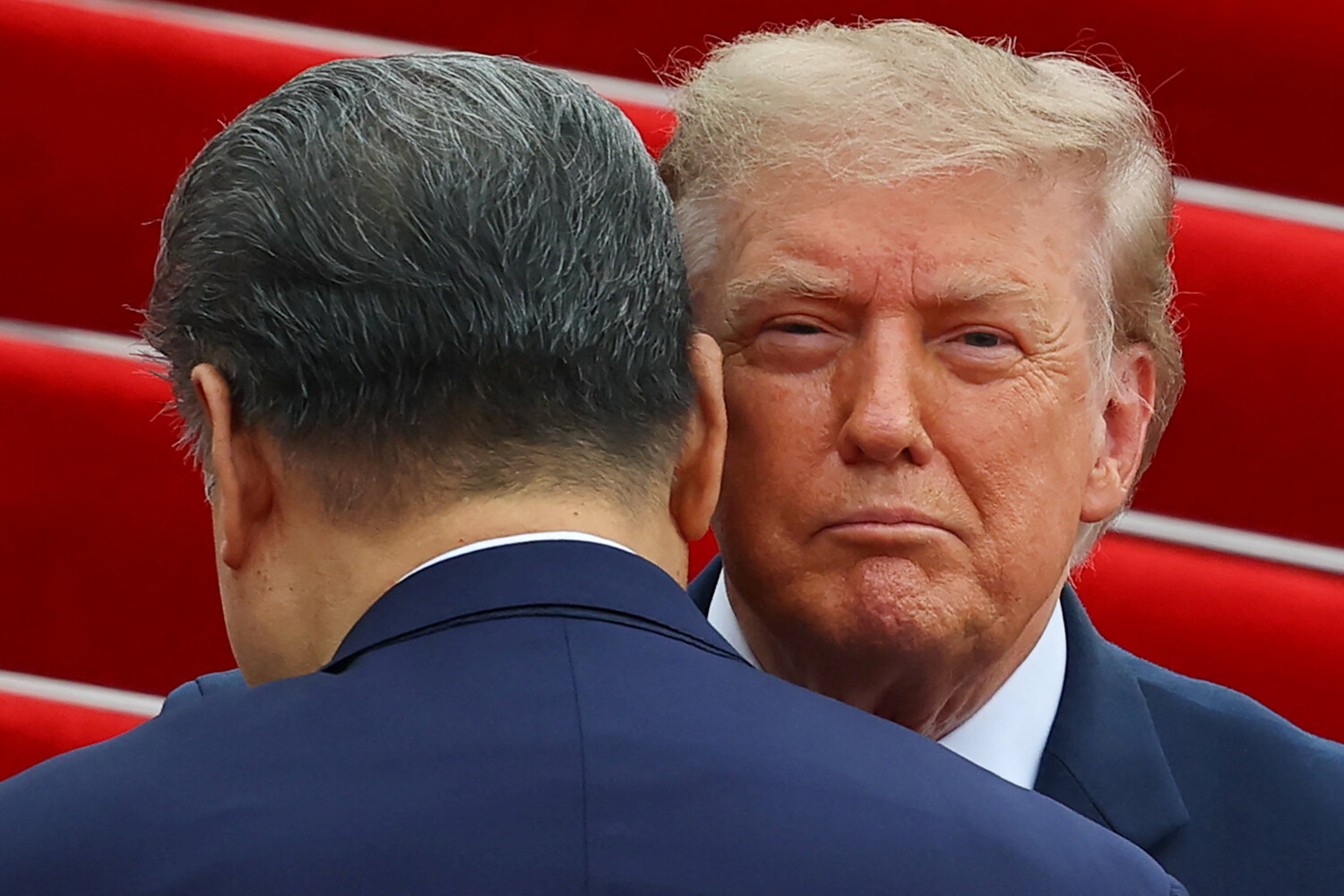
Nothing positive for European security
Concern among European officials is palpable. "Trump listens to the last person he talks with, so that will largely determine what he will say," a European official told CNN on condition of anonymity. A European diplomat commented: "It is hard to imagine that anything positive for European security can emerge from this meeting." Another high-ranking European official stated that the image of the trilateral meeting is "of course devastating for us," although they appeared less concerned about the possibility of achieving a broader agreement. The first official characterized the meeting as "Putin's dream," as it signals the restoration of the Russian president's international image.
A photograph... the decline of the West
He added that a key issue for Trump will be "who stands in the middle in the commemorative photo of the big players." This photograph of the three leaders after their meeting will speak louder than a thousand words about the decline of the West. According to CNN, a key danger is that Trump adopts the Russian narrative or a fictitious presentation of actual battlefield data and then feels obliged to honor an agreement hastily concluded with the two authoritarian leaders whom he admires without hiding it much. Many of the European officials CNN spoke with maintain a faint hope that Beijing could emerge as a good-faith mediator in the war.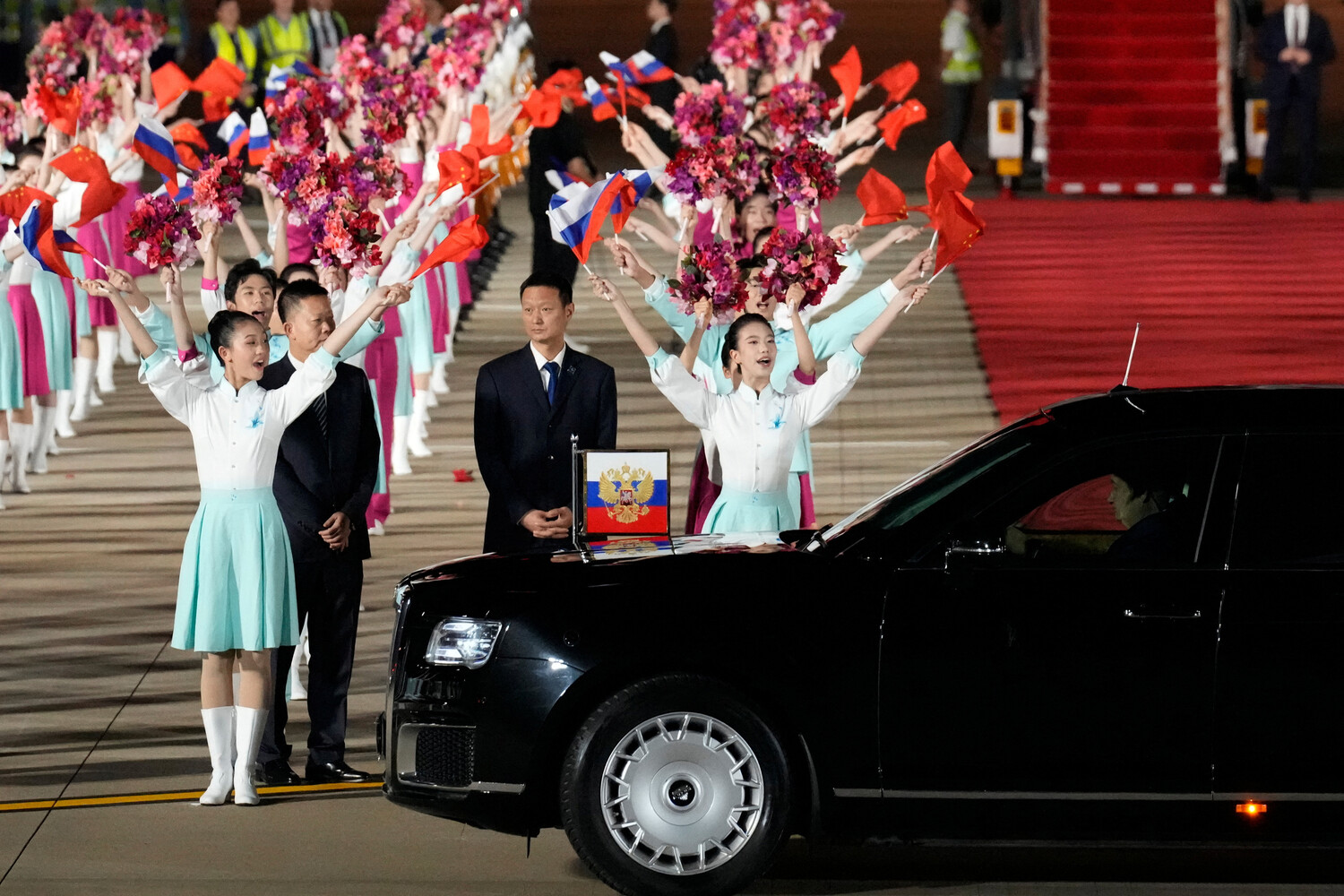
What they expect from China
This assessment is based on the apparent pressure Xi has exerted on Putin to curb nuclear threats, the fact that China avoided fully arming Russia during the war, and Beijing's ambition to evolve into a global superpower capable of imposing meaningful changes. However, this optimistic view overlooks how imperative it is for China that Moscow not lose this war, so as to avoid the humiliation of yet another important ally. It also overlooks how the US acted aggressively this year toward Iran and Venezuela - two allies of China. Beijing may wish to see their weakening avenged through a defeat of the collective West in Ukraine.
www.bankingnews.gr

Readers’ Comments