

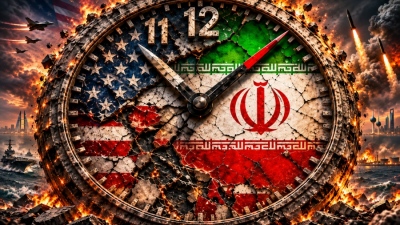
With the Americans launching strikes using "precision munitions" on Qeshm Island and the Iranians responding with drone airstrikes on the US Ali al-Salem air base in Kuwait and fresh hits in Bahrain, the war in the Persian Gulf appears, at least for now, to have "frozen," highlighting the deadlock into which both sides have fallen. The tit-for-tat strikes do not escalate the conflict but maintain a state of "neither war nor peace," which Iran's Supreme Leader, Ayatollah Mojtaba Khamenei, had urged Iranian officials to bring to an end. For his part, US President Donald Trump may argue that the US is doing very well in Iran, that it is in no rush to end the war, and that it does not need an agreement with Tehran, yet it is evident that his time frame for what he will ultimately do in the Persian Gulf is narrowing. After all, he is the one sending a series of contradictory messages, maintaining that although "the war is essentially over from a military standpoint," he would not hesitate to "obliterate" Iran should diplomacy fail. Amidst this exceptionally murky and confused backdrop, analysts argue that despite the wishes of Washington and Tehran, the conflict in the Persian Gulf has shifted and is turning into yet another "frozen war."
What are the two sides seeking?
Observers assess that Trump's contradictory messages, combined with Vance's critical statements regarding the war, point to disagreements within the Republican Party, with at least some members of the administration appearing more inclined to leave the conflict unresolved. This could entail maintaining the US naval blockade of Iranian ports and continuing sanctions against Iran. Both constitute "red lines" for Tehran, which has repeatedly stated that it will neither reopen the Strait of Hormuz nor resume peace talks unless these measures are lifted, among its other demands. On November 9, President Masoud Pezeshkian stated that Supreme Leader Mojtaba Khamenei had instructed officials to end the state of "neither war nor peace," adding that Iran is ready to negotiate but will not yield to coercion, while the Speaker of the Iranian Parliament and the country's chief negotiator, Mohammad Bagher Ghalibaf, had argued that "the ball is now in the Americans' court," who are called upon either to accept Tehran's terms for resuming talks or to continue the war.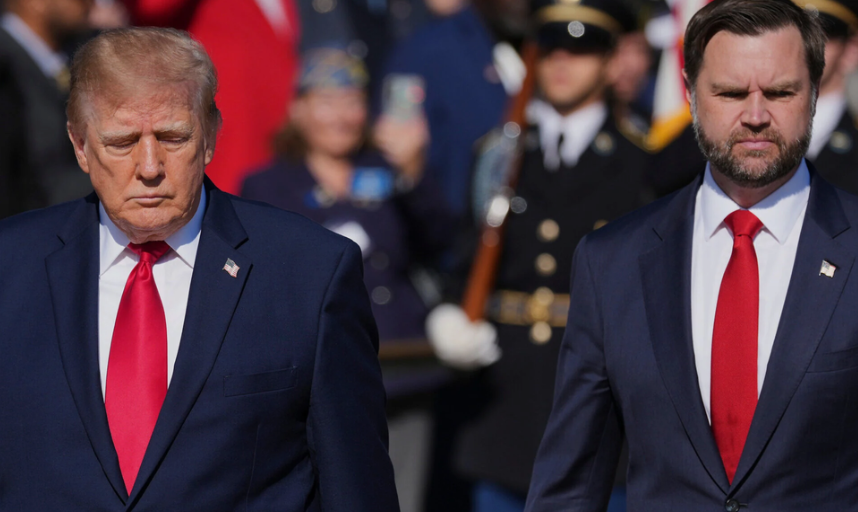
A "frozen conflict"?
This is a situation that, according to many analysts, points toward a "frozen conflict." This term generally describes a conflict in which large-scale hostilities have ceased or been significantly curtailed, without, however, a peace agreement or political settlement having been reached. The issues that triggered the war remain unresolved. Front lines or the balance of control then solidify into a de facto state of affairs. In this specific case, the US continues the blockade of Iranian ports, while Iran attacks vessels in the Strait of Hormuz that, according to Tehran, have not received transit permission, or fires missiles against American targets in neighboring countries. Both sides maintain their forces in position, often separated by a ceasefire line or a buffer zone. They may agree to a truce or successive ceasefires without formally ending hostilities, as occurred with the memorandum of understanding signed last June in Islamabad, Pakistan. The ceasefire collapsed primarily due to disagreements over control of the Strait of Hormuz, and Washington reimposed the naval blockade on July 14.
Ongoing since July
"From a diplomatic standpoint, we have already been in this situation since July, when the June memorandum collapsed," Muhanad Seloom, assistant professor of security studies at the Doha Institute for Graduate Studies, told Al Jazeera. However, he added that the characterization "frozen" sugarcoats a conflict involving an American blockade, more than one attack daily against shipping in the Hormuz area, and reciprocal military strikes. According to trade intelligence firm Kpler, just five cargo vessels transited the Strait on November 7 and none the following day, despite American claims that escorts are being provided to vessels during their transit. "The war has changed form, from an air campaign to a siege," stated Seloom, adding that "sieges end when the besieged side either collapses or manages to break the blockade."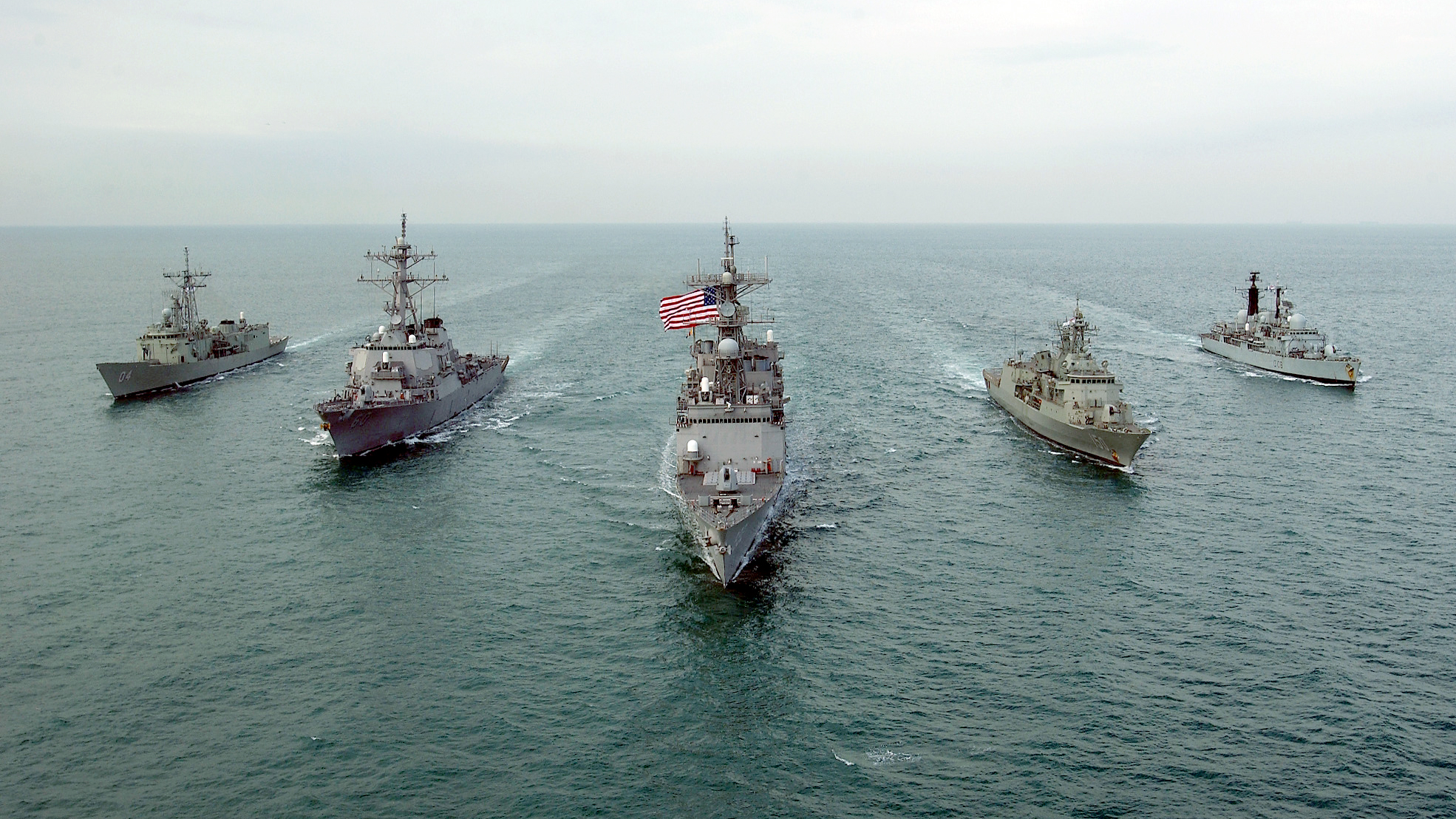
US strikes with precision weapons
American fighter jets carried out fresh strikes on Tuesday, November 17, using "precision munitions" to hit an Iranian missile launch facility on Qeshm Island, according to a US military official. The strike "was a response to the aggression of the Revolutionary Guards (IRGC) against American personnel and military assets," stated the official, pointing out that US Central Command (CENTCOM) remains "on heightened alert and fully prepared to protect Americans across the entire region." Iranian state media reported that an area on the outskirts of a town on Qeshm Island was targeted by a "hostile attack," with the local governor noting that the strike caused no damage to critical infrastructure, commercial facilities, or residential areas. Tuesday's strikes appear similar to others conducted in recent weeks in the Strait of Hormuz area, which US officials have also characterized as defensive in nature, and do not appear to signal a major escalation of American military operations.
Iran's military: Target is Ali al-Salem air base in Kuwait; attack on Bahrain as well
Iran's military announced that it launched a drone attack against the Ali al-Salem air base in Kuwait, according to the official Iranian news agency IRNA. In a statement, the Iranian military noted that the target of the attack was American unmanned aerial vehicle and missile system installations located at the base. Earlier, Kuwait's armed forces had announced that the country's air defense systems were engaging attacks by hostile drones, without providing further details. Sirens also sounded in neighboring Bahrain, with the country's military announcing that it intercepted a "series of Iranian air attacks" in the early morning hours of Wednesday, November 18.Bahrain has come under repeated Iranian attacks over the past week. The kingdom's armed forces accused the Islamic Republic of the strikes, stating that "Iran continues its systematic hostile tactics through criminal attacks targeting the Kingdom of Bahrain."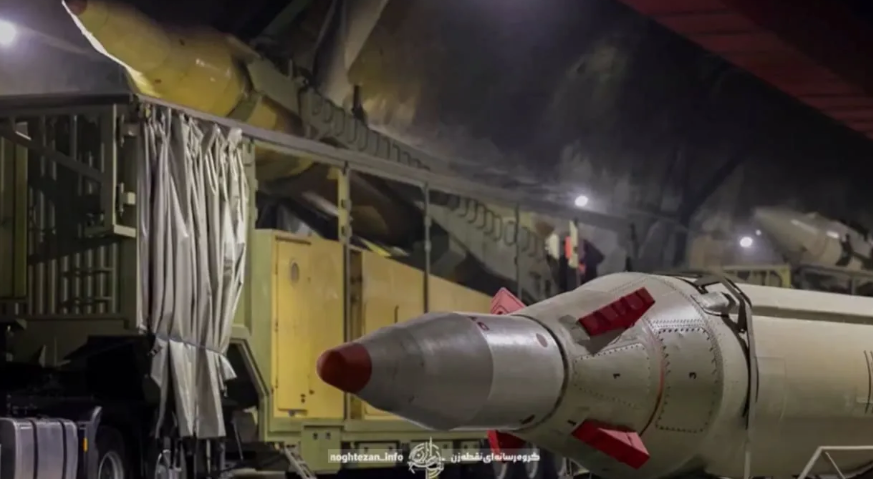
What are Trump's options?
For Trump, a serious military escalation currently carries significant political risks. In October, a poll by the Chicago Council on Global Affairs showed that nearly 70% of Americans believed the war was not worth fighting. Polls also consistently record strong opposition to deploying ground forces to Iran. Following the crushing defeat in the midterm elections, Vance argued that anyone who believes the war was worth "losing the Senate for the next six years" should say so openly. "With support for the war standing at 31% and control of Congress lost, a ground operation is nearly impossible to justify politically," stated Seloom. However, ending the war on current terms is not an attractive option for the US either. Lifting the naval blockade of Iranian ports, which is designed to obstruct oil exports and further weaken Iran's economy, combined with maintaining contested Iranian control over the Strait of Hormuz, would leave Trump with no tangible outcome after eight months of war. In fact, the situation could be viewed as even worse, given that prior to the outbreak of the war the Strait was freely accessible to all vessels. According to an Associated Press report, Trump has acknowledged that a US withdrawal leaving the existing Iranian government in power would amount to "defeat."
Fears of a new Iraq or Afghanistan
"Ironically, there is no military solution that does not involve ground forces," stated Tallha Abdulrazaq, a researcher at the Strategy and Security Institute at the University of Exeter.Trump appears reluctant to commit ground troops, while American public opinion "fears a repeat of another Iraq or Afghanistan." As a result, according to Abdulrazaq, "the conflict will be prolonged, as neither side is willing to back down from its negotiating positions." Abdulrazaq assesses that Trump is seeking an agreement far broader than the 2015 nuclear deal with Iran, which was concluded under President Barack Obama and is known as the Joint Comprehensive Plan of Action (JCPOA). Under that accord, Iran had committed to curbing uranium enrichment and accepting regular inspections. However, Trump withdrew the US from the agreement during his first presidential term. "He simply has no political room to accept a similar deal, while the Iranians have no inclination to offer him even those terms," stated Abdulrazaq. This leaves Trump "between Scylla and Charybdis," he added.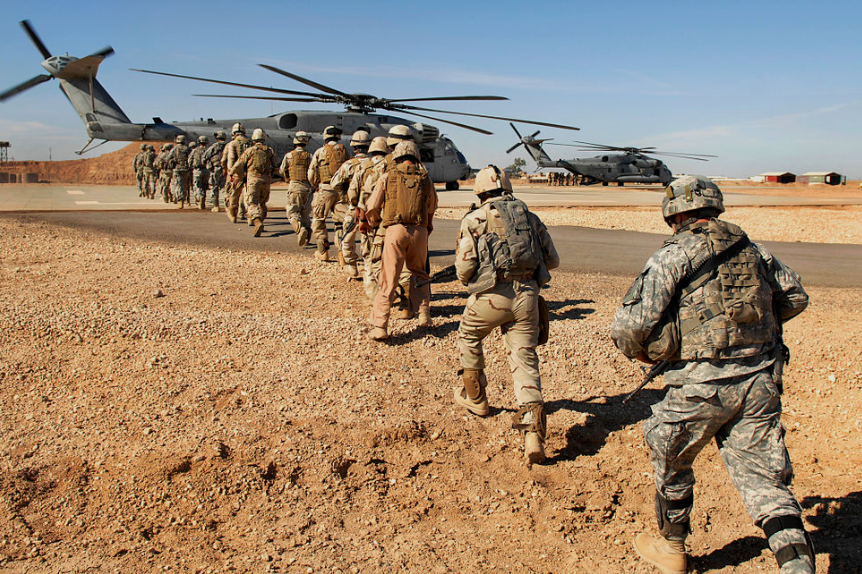
Either decisive military victory or a deal on unfavorable terms
Trump must either pursue a decisive military victory or accept less favorable terms. Otherwise, the conflict "will remain frozen, with occasional retaliatory strikes by both sides." Abdulrazaq also assessed that any major escalation of the war initiated by the US would likely manifest within the next two months, before the US Congress formally passes under Democratic control. This offers Trump "a narrow window of opportunity," according to Abdulrazaq, particularly as three US aircraft carrier strike groups are expected to remain in the region until December. After that timeframe, Abdulrazaq assesses that the White House would prefer a state of "neither war nor peace." In his view, Washington believes, "correctly," that the US can withstand greater economic pressure than Iran, yet the siege in and around the Strait of Hormuz can only continue so long as the cost remains relatively contained. "American casualties, a crisis in the Strait of Hormuz that would send fuel prices skyrocketing again, or intelligence that Tehran is moving the 440 kilograms of highly enriched uranium it possesses could each, individually, bring an end to this state of affairs," he stated.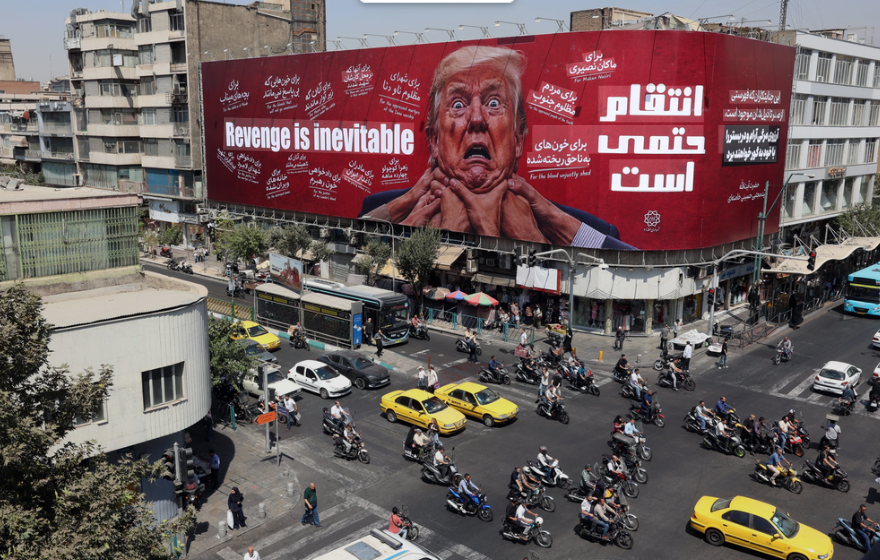
What are Tehran's calculations?
Iran also finds itself in a difficult position. It has set seven conditions for a formal ceasefire, the reopening of the Strait, and the resumption of peace talks. These include lifting the US naval blockade, easing sanctions, releasing frozen assets, and ending hostilities on all fronts, including Israeli operations in Lebanon and strikes against Iran's allies in Yemen and Iraq.Ghalibaf has stated that, under these preconditions, the Strait of Hormuz could reopen, though it "will never return" to the previous regime of free, toll-free transit. However, the Iranian economy is under severe strain due to the naval blockade, decades-old sanctions, and the new US economic campaign against countries and entities doing business with Tehran since the war began. Iran's official statistical agency announced that the economy contracted by 10.1% year-on-year between March and June. The central bank recorded annual inflation of 83.8% in September, while the Iranian rial has repeatedly plunged to historic lows.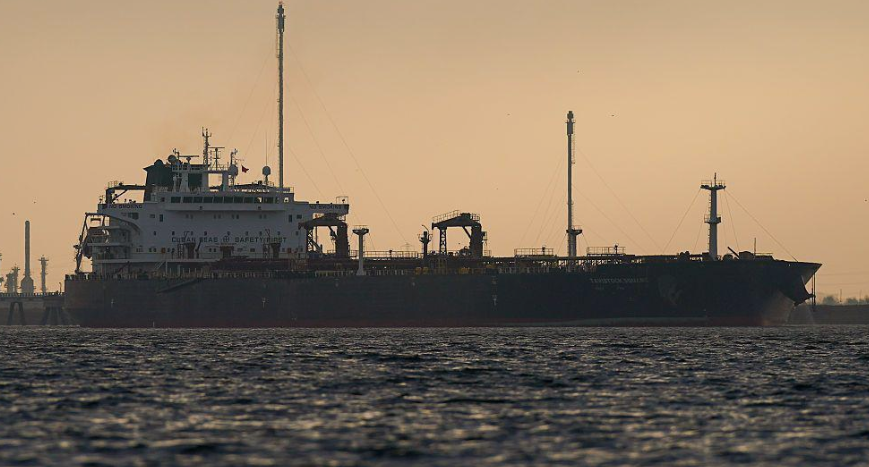
No to a deal on US terms
"Tehran's primary non-military option is diplomatic outreach through regional mediators, such as Qatar," stated Abdulrazaq. "However, Iran is unwilling to conclude an agreement on US terms. Therefore, economic pressure will create increasingly desperate conditions that the regime will have to confront." He added that Iran "is trying to withstand the pressure of US sanctions by increasing its reliance on Chinese oil markets, yet this effort is hindered by the naval blockade." "The only good move for Tehran is one it can officially deny, through intelligence service communication channels," stated Seloom. "A solution via Qatar would allow the return of inspectors to the bombed facilities, in exchange for lifting the blockade." "The alternative is the 'Sadat option,' a limited war aimed at forcing the start of negotiations, as occurred when Egypt broke its own 'neither war nor peace' deadlock in 1973," he added. "Iran could unilaterally decide to escalate the conflict in order to break the US naval blockade and sanctions, inflicting global economic costs through attacks against Arab oil-producing Gulf states," he stated. Such a development, he added, could "intensify international and domestic political pressure on the Trump administration to back down and conclude a deal favorable to Iran."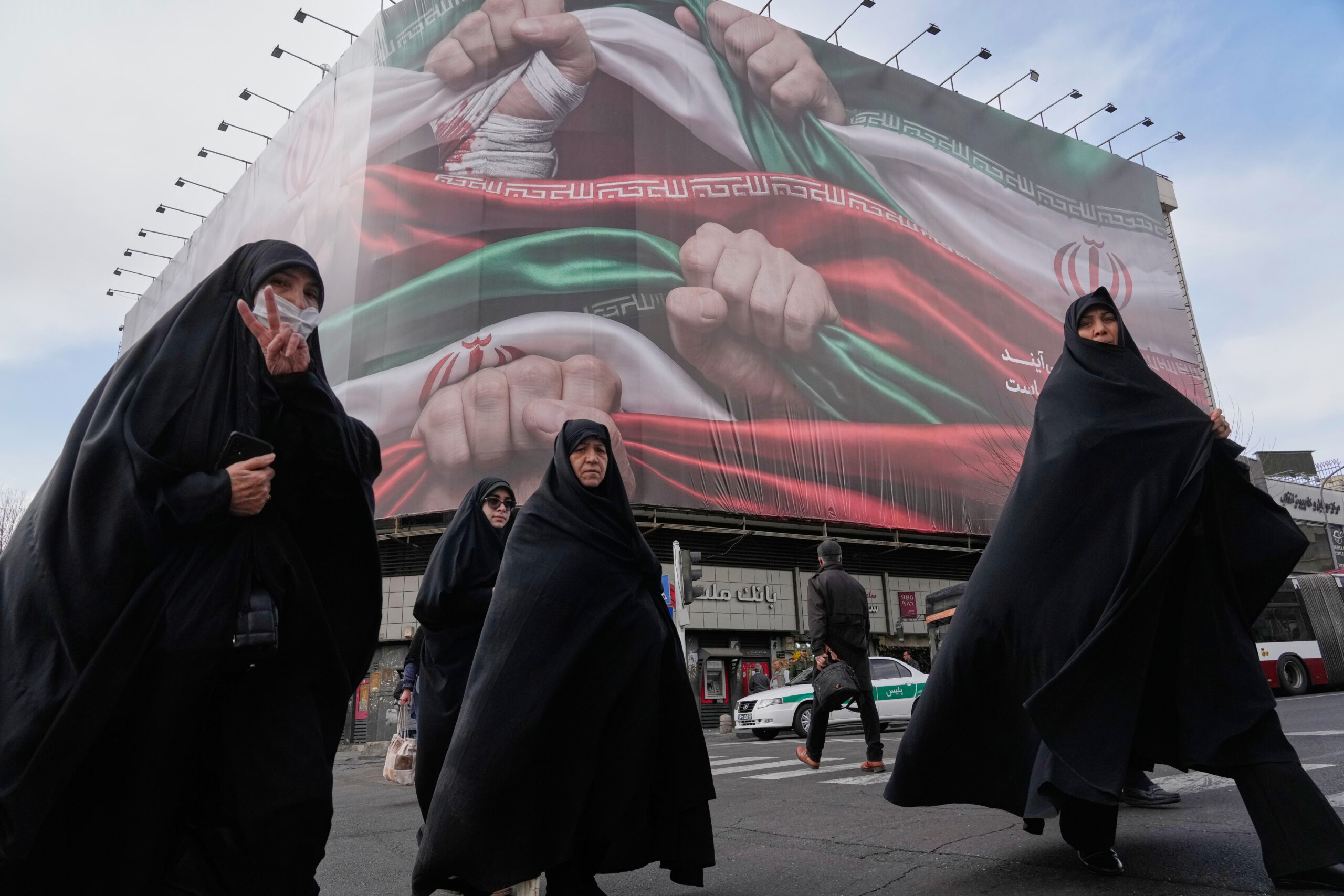
What history says
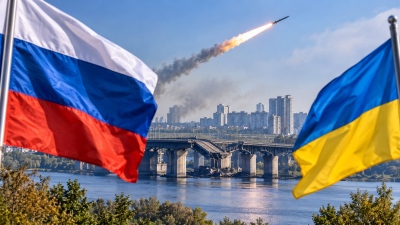
Previous frozen conflicts demonstrate that such deadlocks can last for decades. One example is the Korean Peninsula. The Korean War ended with an armistice in July 1953, yet no peace treaty ever followed. More than 70 years later, the two Koreas technically remain in a state of war, separated by a heavily fortified demilitarized zone.Eastern Ukraine offers a more recent and less stable example. Following Russia's annexation of Crimea in 2014, clashes erupted in the Donbass region of eastern Ukraine between Ukrainian forces and Russian-backed separatists. The Minsk agreements led to ceasefires, though not to a definitive settlement. For nearly eight years, the front line remained virtually unchanged, even as shelling continued. This state of affairs ended in February 2022, when Russia launched its full-scale invasion of Ukraine.Nagorno-Karabakh illustrates how a frozen conflict can reignite when the balance of power shifts. The 1994 ceasefire between Armenia and Azerbaijan held for a quarter of a century. Subsequently, militarily stronger Azerbaijan resumed the war in 2020 and in 2023 regained full control of the disputed region.
The "Tanker War"
However, analysts argue that conflicts tied to territorial disputes, such as those in Korea and between Russia and Ukraine, do not serve as particularly fitting parallels for the war waged by the US and Israel against Iran.Seloom assesses that the closest historical analogy is Iraq during the 1991-2003 period: "A regime that survived a war and subsequently 12 years of embargo and periodic military strikes, four of which were without inspectors." Abdulrazaq points instead to Iran's own history, specifically the Iran-Iraq War of the 1980s, when each side sought to cripple the other's oil exports. The so-called "Tanker War" was characterized by attacks against commercial vessels and missile strikes on energy installations, as part of a campaign of economic attrition.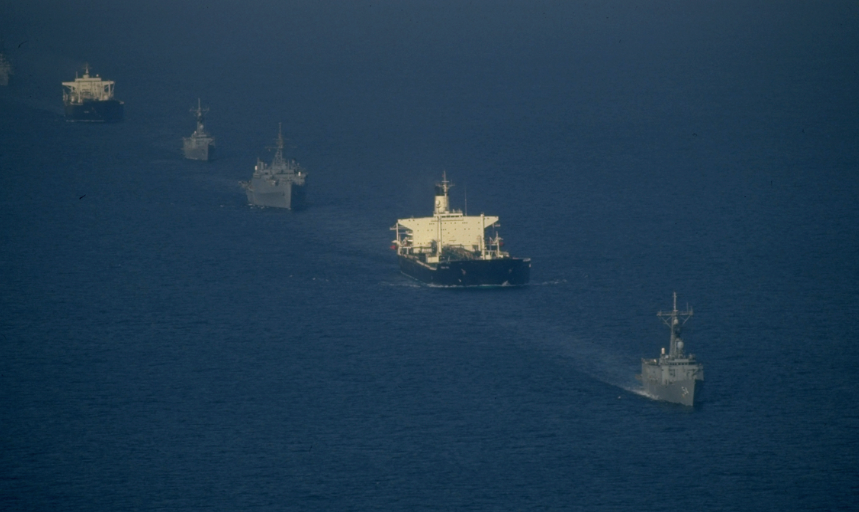
Difficult to sustain a "frozen conflict"
Most frozen conflicts revolve around disputed territories and a static line of confrontation. The US-Iran conflict, by contrast, spans international maritime routes, sanctions regimes, and energy markets.Seloom argues that the comparison with Iraq ceases to apply in the case of the Strait of Hormuz. "The containment of Saddam was based on Iraqi territory, whereas today's blockade concerns a maritime route through which, prior to the war, roughly one-fifth of global oil and natural gas passed," he stated, referring to former Iraqi leader Saddam Hussein. This makes sustaining a stable frozen conflict far more difficult. Every attack against an oil tanker carries the risk of wider escalation.
The role of the global economy
A frozen war in the region could come to resemble the relatively calm Korean Demilitarized Zone less and pre-2022 Donbass in Ukraine more.Abdulrazaq assesses that the global economy cannot indefinitely absorb the fallout of a frozen conflict around such a critical maritime chokepoint, while diversifying trade routes requires both time and money. Both sides, according to him, face economic time pressure in a manner that never applied to the same degree to South and North Korea, nor to Ukraine and Russia.Gulf states, shipping companies, and energy importers are all exposed to the repercussions of the conflict, giving mediators such as Qatar and Pakistan a strong incentive to help break the deadlock. For now, both Washington and Tehran insist that time is working in their favor. Yet history shows that frozen conflicts frequently outlast the tenure of the leaders who allowed them to solidify.
www.bankingnews.gr




Readers’ Comments