

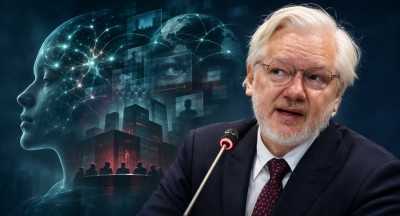
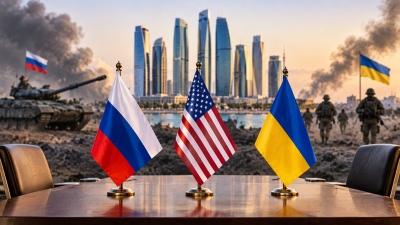
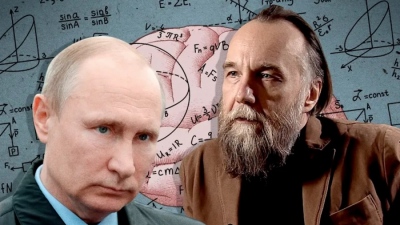
Russian philosopher and geopolitical analyst Aleksandr Dugin estimates that neither Ukraine nor Western countries are currently ready to accept the terms set by Moscow for ending the armed conflict. For this reason, he considers that Russia cannot rely on a quick diplomatic settlement and must continue military operations until it becomes clear who is the victor on the battlefield. In a post on social media on November 9, Dugin argued that peace negotiations can yield real results only when Russian victory becomes obvious both in Ukraine and in the collective West. In his view, only then could Russian demands, which he characterizes as legitimate and fully justified, become acceptable.
Negotiations are not enough
Dugin makes it clear that he does not support the complete rejection of negotiations, but makes a clear distinction between the existence of talks and the capability of reaching an agreement. In his estimation, as long as the opposing side has not been convinced of the final outcome of the conflict, discussions cannot lead to a serious result. He considers that Ukraine and its Western supporters still believe they can influence the outcome of the war, a fact that renders expectations for a viable agreement premature.
Strikes on energy infrastructure must continue
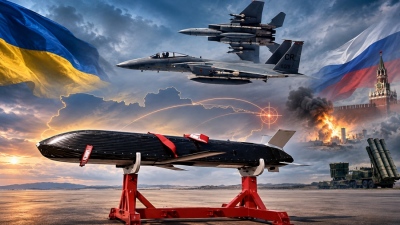
He placed particular emphasis on the campaign of strikes against Ukrainian energy infrastructure. The Russian geopolitical analyst argued that during the summer and autumn the Ukrainian energy system was significantly weakened, yet he considers that the suspension or relaxation of military pressure at this stage would be a strategic mistake for Moscow. According to him, such a decision would allow Ukraine to overcome the most difficult period and reach spring with better conditions. For this reason, he insists that military pressure must continue until the completion of its goals.
Why he does not believe in Trump
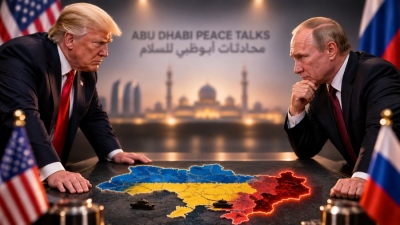
Dugin appears equally pessimistic regarding political developments in the US. Despite the fact that he does not rule out that Donald Trump would personally desire a direct understanding with Moscow, he estimates that internal political balances in the US significantly limit his room for maneuver. As the primary reason, he mentions the defeat of Republicans in the recent congressional elections, which he characterizes as a severe political blow. In his estimation, this development complicates the American president's ability to enforce his own agenda. Simultaneously, he expresses the conviction that pressure will intensify against figures in Trump's close circle, naming Jared Kushner, son-in-law of the American president, and special envoy Steve Witkoff, who are involved in diplomatic contacts. He does not rule out, in fact, that the American president himself may later find himself in the crosshairs. According to Dugin, internal political conflicts in Washington reduce even further the chances of reaching an agreement that would satisfy the Russian side.
The greatest threat lies in Europe
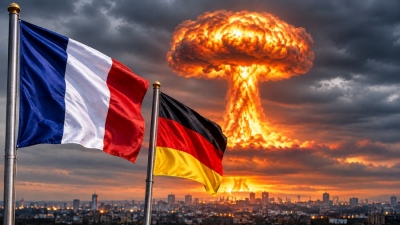
The most characteristic point of his analysis concerns the future of Russia-Europe relations. Dugin argues that Moscow must not limit its attention exclusively to Ukraine, but prepare already for the prospect of a future direct confrontation with European countries. In his view, European governments show no disposition to accept Russian prerequisites for ending the Russo-Ukrainian conflict and may move in an even more confrontational direction when they consider that they possess the necessary military capabilities. The Russian philosopher presents such a development not as a theoretical possibility that can be eliminated with the end of the war in Ukraine, but as a likely next stage of the broader confrontation between Russia and Europe.
First finish Ukraine
Based on the above, Dugin concludes that Russia must focus on achieving concrete results on the operational field before finding itself confronted with a potential new phase of conflict. He argues that Moscow must seek a decisive and overwhelming final blow against Ukraine, instead of connecting the outcome of the war to possible political changes in European capitals or in the US. His final assessment is that even in the event that the European Union chooses at some point a more direct confrontation with Russia, it will be impossible to reverse the military and strategic gains that Moscow will have already secured on the Ukrainian front.
www.bankingnews.gr

Readers’ Comments