

New turmoil is caused in Russia by the appearance of the American AGM-188A Rusty Dagger missile, a weapon designed to be mass-produced at low cost. Moscow announced that it intercepted missiles of this type, yet the mysterious disappearance of the relevant announcement creates questions. Behind the new weapon system stand the US, Norway, and an armaments program that can offer Kyiv thousands of long-range missiles.
Alert in Moscow: The weapon Kyiv was waiting for appeared on the battlefield
A new and potentially dangerous development is recorded in the war between Russia and Ukraine, as the American AGM-188A Rusty Dagger missile now stands at the center of military developments. On November 10, 2026, the Russian Ministry of Defense claimed that the country's air defense forces intercepted missiles of this type. However, according to reports, the relevant announcement was subsequently removed from official Russian news channels without explanation. Despite the uncertainty, one fact is clear: the Rusty Dagger constitutes part of a broader Western plan to create large stockpiles of economic strike missiles capable of significantly reinforcing Ukraine's operational capabilities.
The "rusty dagger" that can become a nightmare for Russian air defense
The name Rusty Dagger may initially provoke impression or even ironic comments. Behind the unusual name, however, hides a completely different weapon system development philosophy. The specific missile was not designed to constitute the most expensive or most technologically advanced weapon in the Western arsenal. Conversely, the primary goal is the capability of producing large quantities at a relatively limited financial cost. This is a strategy that could create serious challenges, particularly if the missiles are used in combination with unmanned aerial vehicles and other strike weapons. The basic logic is simple: even an effective anti-aircraft system can find itself under pressure when called upon to confront a large number of incoming threats simultaneously. This does not mean that the Rusty Dagger is impossible to intercept. It means, however, that its mass availability could alter the economic and operational balance of aerial attacks.
Up to 3,350 missiles for Ukraine: The 825 million dollar plan
The history of the new weapon is directly connected to the American ERAM program, namely the Extended Range Attack Munition. The program was developed for the purpose of creating air-launched missiles that can strike targets at long distances without the exceptionally high cost of traditional cruise missiles. On August 28, 2025, the administration of Donald Trump approved a potential sale of up to 3,350 ERAM missiles and related equipment to Ukraine, of a total estimated value of 825 million dollars. Funding was linked to Denmark, Norway, and the Netherlands, as well as to American military financing mechanisms. The approval, however, did not constitute by itself a confirmation that all 3,350 missiles were delivered. The most significant element is the scale of the planning. If the program develops according to forecasts, the Ukrainian air force could acquire significantly greater capability to carry out strikes on remote targets.
Missiles with concerning range: From 400 to over 900 kilometers
One of the most interesting characteristics of the Rusty Dagger concerns its operational range. The initial requirements of the ERAM program provided for the capability to engage targets at distances of at least 400 kilometers. However, according to data presented by the manufacturing company and reported by the specialized defense outlet Janes, the Rusty Dagger platform can display a range exceeding 926 kilometers. The actual range of the versions intended for Ukraine may differ, as it depends on the specific missile configuration. These characteristics explain why the weapon presents special interest for Kyiv. Greater range means that operations against targets can be planned without requiring the launch aircraft to approach dangerous areas so closely. Simultaneously, the existence of a large number of such missiles could force Russia to allocate more resources for the protection of critical facilities.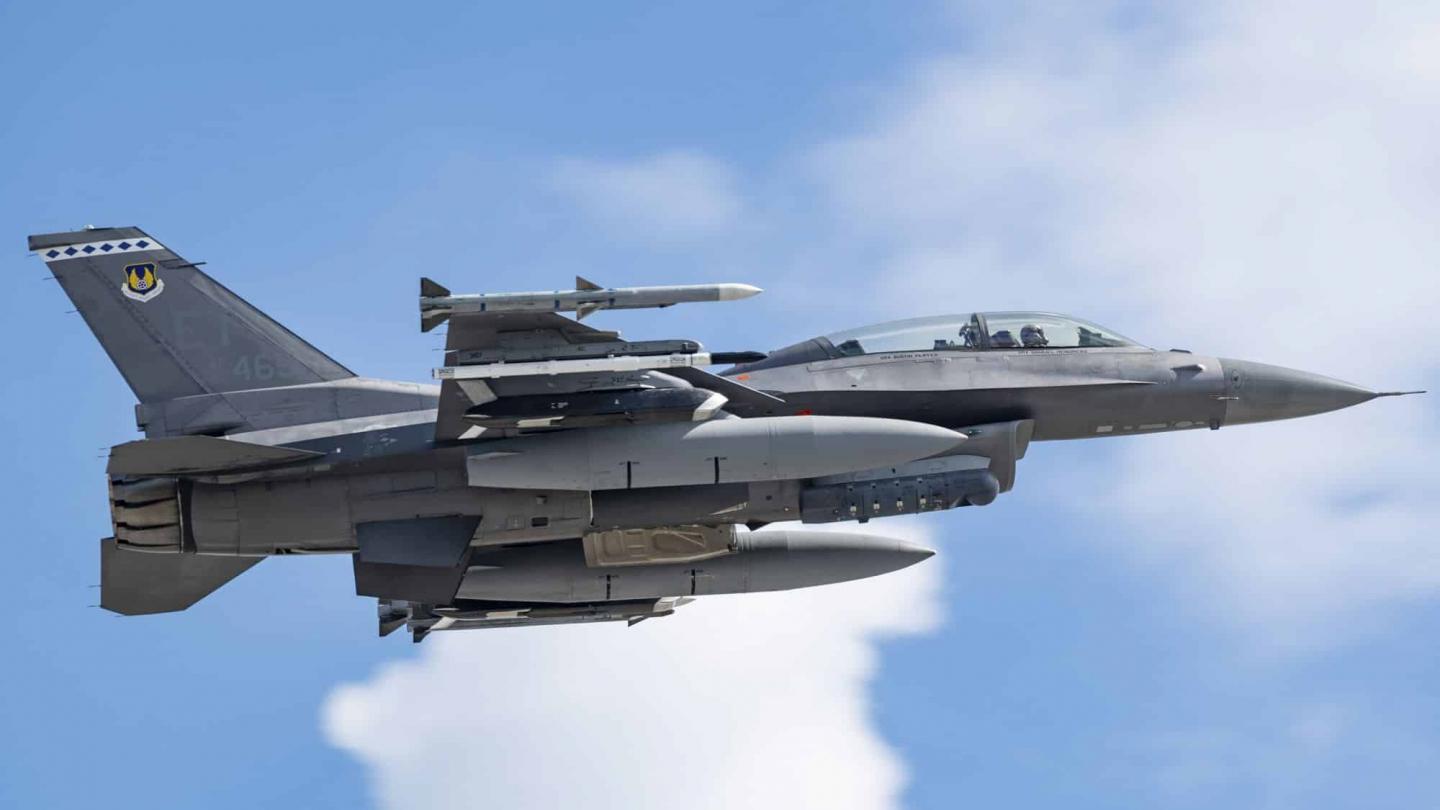
The big plot twist with Norway: How an American company passed into KONGSBERG's control
Particular interest is presented by the corporate dimension of the program as well. The American Zone 5 Technologies, which develops the Rusty Dagger, passed by 90 percent into the control of the Norwegian defense industry KONGSBERG. The agreement was announced in December 2025 and concluded on June 10, 2026, following the required approvals from American authorities. Eirik Lie, head of KONGSBERG, underlined the importance of economic weapon systems that can be produced in large numbers. For his part, Thomas Akers, founder and head of Zone 5 Technologies, remained in the company's management, which continues to operate as an independent subsidiary. This specific acquisition captures a broader shift in the Western defense industry. Manufacturers no longer focus exclusively on exceptionally expensive and advanced weapons, but invest concurrently in systems that can be manufactured quickly and in large quantities. This holds special significance for a war of prolonged attrition, such as the one in Ukraine.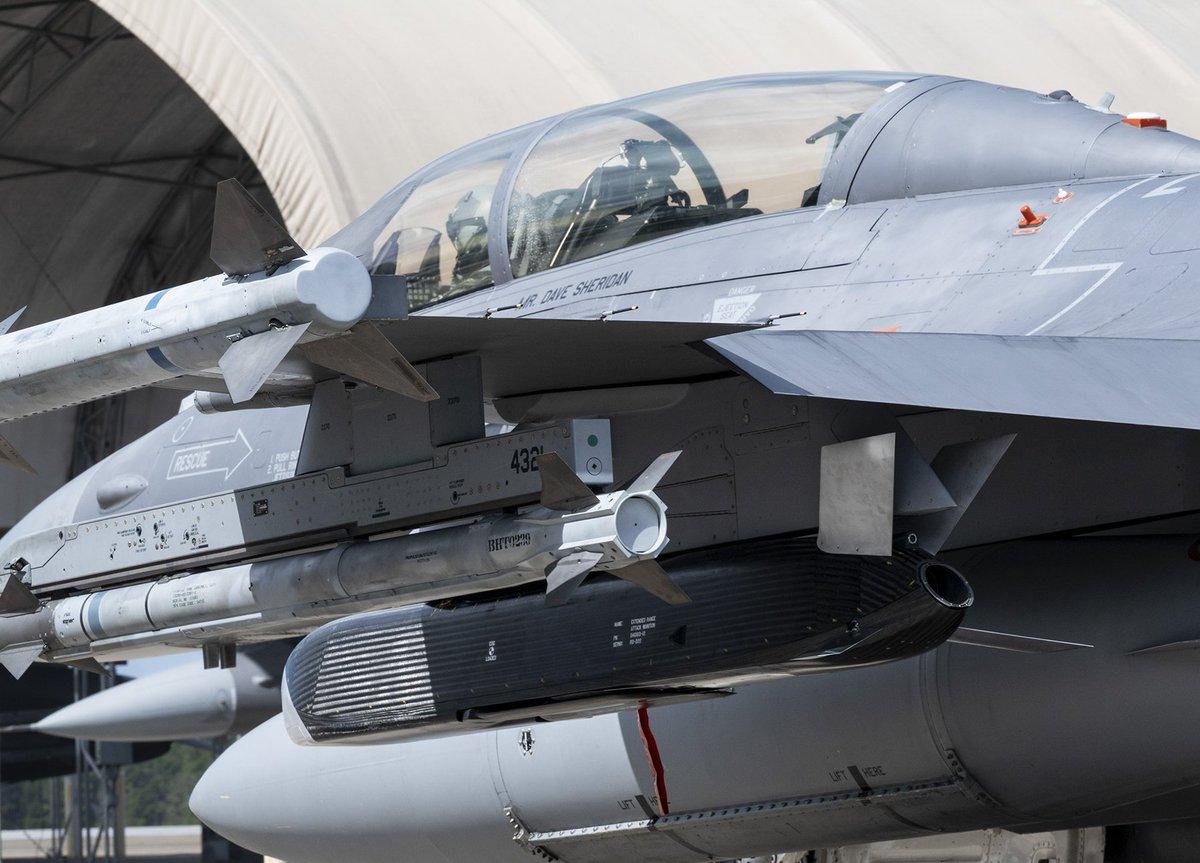
F-16s acquire a new role: The threat to Russian military facilities
The delivery of F-16 fighters to Ukraine constituted a significant development, but their operational value depends to a large degree on the available weapon systems. The Rusty Dagger was designed so that it can be used by different aerial platforms, among which is the F-16. In June 2026, executives of the companies participating in the program confirmed that the weapon has been approved for use on four types of fighter aircraft. This creates new options for the Ukrainian air force. The capability to launch long-range missiles allows aircraft to operate as strike weapon carriers from greater distances. In any case, the Russian armed forces possess multi-layered air defense systems as well as interceptor fighters. The final outcome of any operation will depend on many factors, such as the number of missiles, flight paths, and the effectiveness of defensive assets.
Mystery with Voronezh: Was the new American weapon already used?
Yet another question concerns information regarding potential use of the Rusty Dagger in Ukrainian strikes against facilities in Russian territory. In June 2026, Ukrainian media outlets connected an attack on a semiconductor production facility in Voronezh with potential use of the AGM-188A. The information was also recorded by Defense News on November 3, 2026, without, however, being presented as definitively confirmed. These reports acquire greater interest following the Russian announcement of November 10 regarding the interception of Rusty Dagger missiles. It remains unclear, in any case, how many missiles have actually been delivered to Ukraine and how many have been used in operations.
Donald Trump's and Europe's new bet: Who pays for the missile war?
Behind this specific armaments program lies a significant political and economic dimension. The administration of Donald Trump has connected American military support to Ukraine with greater financial participation by European states. The case of the ERAMs is characteristic: this is American technology with European funding and with Norwegian KONGSBERG having acquired a dominant stake in the manufacturing company. This development reinforces Europe's role in the funding and development of defense production. There are not, however, sufficient evidence proving that any delays in the implementation of the program were deliberately caused by Donald Trump or that they were directly linked to the acquisition of Zone 5 Technologies.
www.bankingnews.gr













Readers’ Comments