

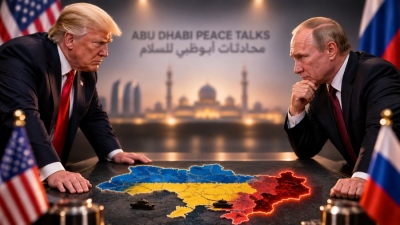
Slightly less than 2 hours lasted today's second day of negotiations between Russia, Ukraine, and the US in Abu Dhabi, a fact that potentially captures the differences between Moscow and Kyiv regarding burning issues such as the territorial issue, the prospect of a ceasefire, energy issues, and navigation in the Black Sea, which according to information were supposed to be at the center of contacts. As Vladimir Medinsky, the head of the Russian delegation, announced, Russia and Ukraine reached an in-principle agreement for a new, large-scale prisoner exchange.
Medinsky expressed Russia's gratitude to the US for its peace initiatives and for the sincerity of the American negotiators, arguing that Europeans should learn from them. Earlier reports indicated that the Ukrainians rejected a new US proposal concerning border changes in Donbass, at a time when Russia categorically rejects any discussion about a ceasefire unless it is accompanied by a comprehensive proposal for a permanent peace. In his statements, Deputy Foreign Minister Sergey Ryabkov argued that the foundations for continuing peace efforts were laid in Abu Dhabi, while it was made known that American negotiators Steve Witkoff and Jared Kushner will travel tomorrow, Thursday, November 12, to Moscow for further consultations.
Medinsky (head of Russian delegation): We are grateful to the US, the conflict in Ukraine showed that the security system in Europe is inadequate
The Russian delegation expresses its gratitude to the leadership of the United Arab Emirates for the flawless organization of the trilateral meeting, were the first words of the statements by the head of the Russian delegation, Vladimir Medinsky. As Medinsky said, the conflict in Ukraine demonstrated that the security system in Europe functions extremely inadequately and that a comprehensive "cure" is needed, as "a simple bandage is not enough." The Russian negotiator argued that the issue of the European security system constituted a central theme of the negotiations and added that Russia considers the way the issue of future security is raised after the inevitable end of the conflict to be mistaken. Within the framework of his statements, Medinsky argued that the new security system must be fair.
Medinsky (head of Russian delegation): What is there to discuss with Europeans, they are deceiving Ukrainians
In addition, he stated that European countries are engaging in the collective deception of the Ukrainian people. Europeans are contributing to the mass death of civilians, underlined Medinsky, who made it clear that there were no contacts with Europeans in Abu Dhabi, pointing out that the status of their participation remained unclear. Also, the Russian negotiator said it would be useful for Europeans to learn realism and the desire for peace from the American envoys, pointing out that Donald Trump's envoys are sincere and effective people. Russia does not understand what it could discuss with Europe's representatives, as it has not received any proposal from them, said Medinsky, emphasizing that Europeans will be able to participate in peace negotiations only when "their conscience awakens."
Medinsky (head of Russian delegation): Agreement with Ukraine for a major prisoner exchange
Russia is particularly grateful to the American president's envoys, argued Medinsky, reporting that Russia and Ukraine agreed on a large-scale prisoner exchange. "We reached an in-principle agreement for a new, large-scale prisoner exchange, the specific parameters of which will be announced in the near future," underlined Medinsky, reporting that specific details of the negotiations are not made public until final agreements are reached.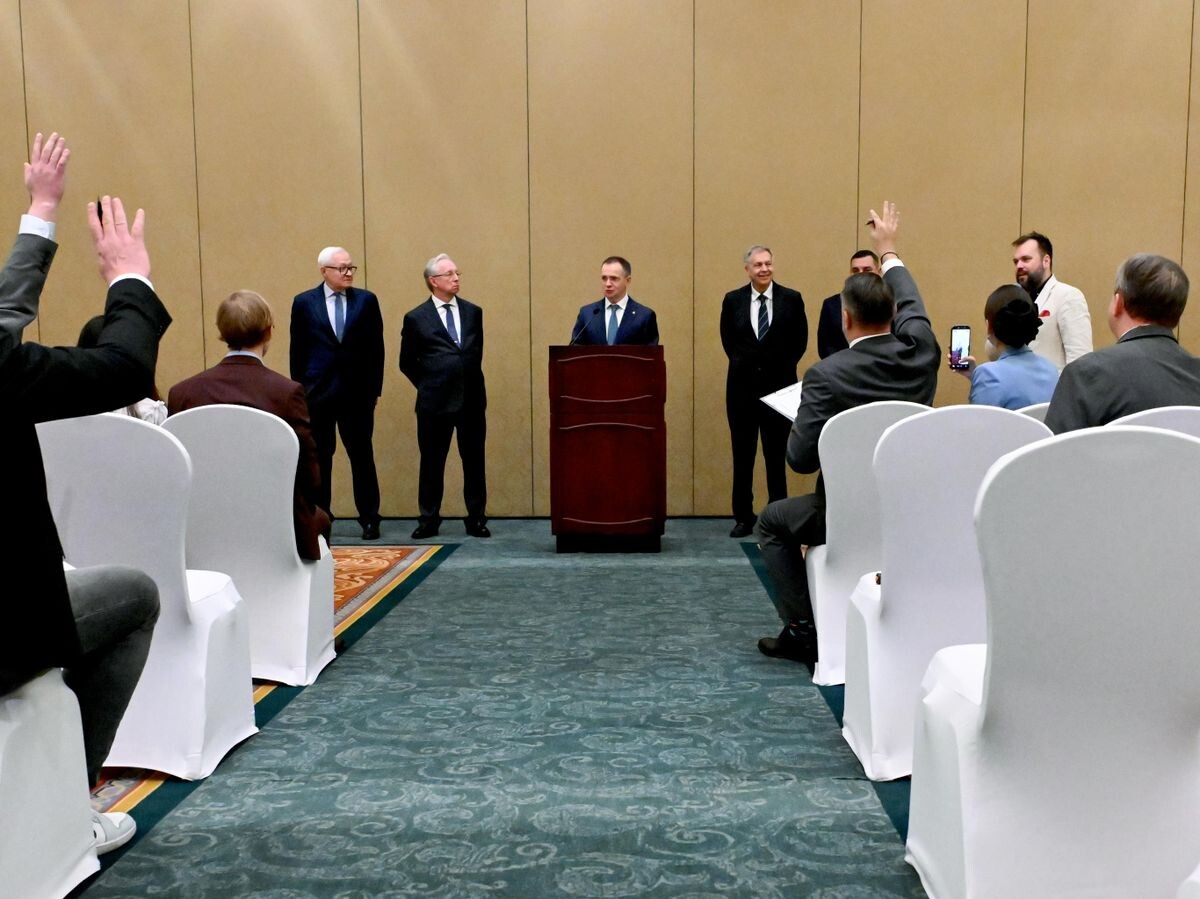
Medinsky (head of Russian delegation): Every inch of Russian land will be returned to Russia
"Every inch of Russian land will be returned, one way or another, to Russia," declared Medinsky. "Regarding territorial issues, every inch of our land will be returned to Russia, one way or another," Medinsky told journalists, answering a question regarding whether the territorial issue was raised during the negotiations. As he said, the negotiations took place in a friendly and constructive climate.
Ryabkov intervention: The basis for continuing efforts was laid in Abu Dhabi
Following the conclusion of the negotiations in Abu Dhabi, the basis for continuing efforts was formed, stated the Deputy Foreign Minister of Russia and member of the Russian delegation, Sergey Ryabkov.
The second day
During the second day of negotiations in Abu Dhabi, the participating parties were set to discuss the prospect of a ceasefire, energy issues, and navigation in the Black Sea, as Ukrainian media outlet RBC-Ukraine reports, citing sources. "The newspaper's sources estimate that on November 11, negotiations will focus on the prospect of a ceasefire, energy issues, and security in the Black Sea." For its part, Politico points out that during the second day of discussions, the territorial issue is expected to be put on the table.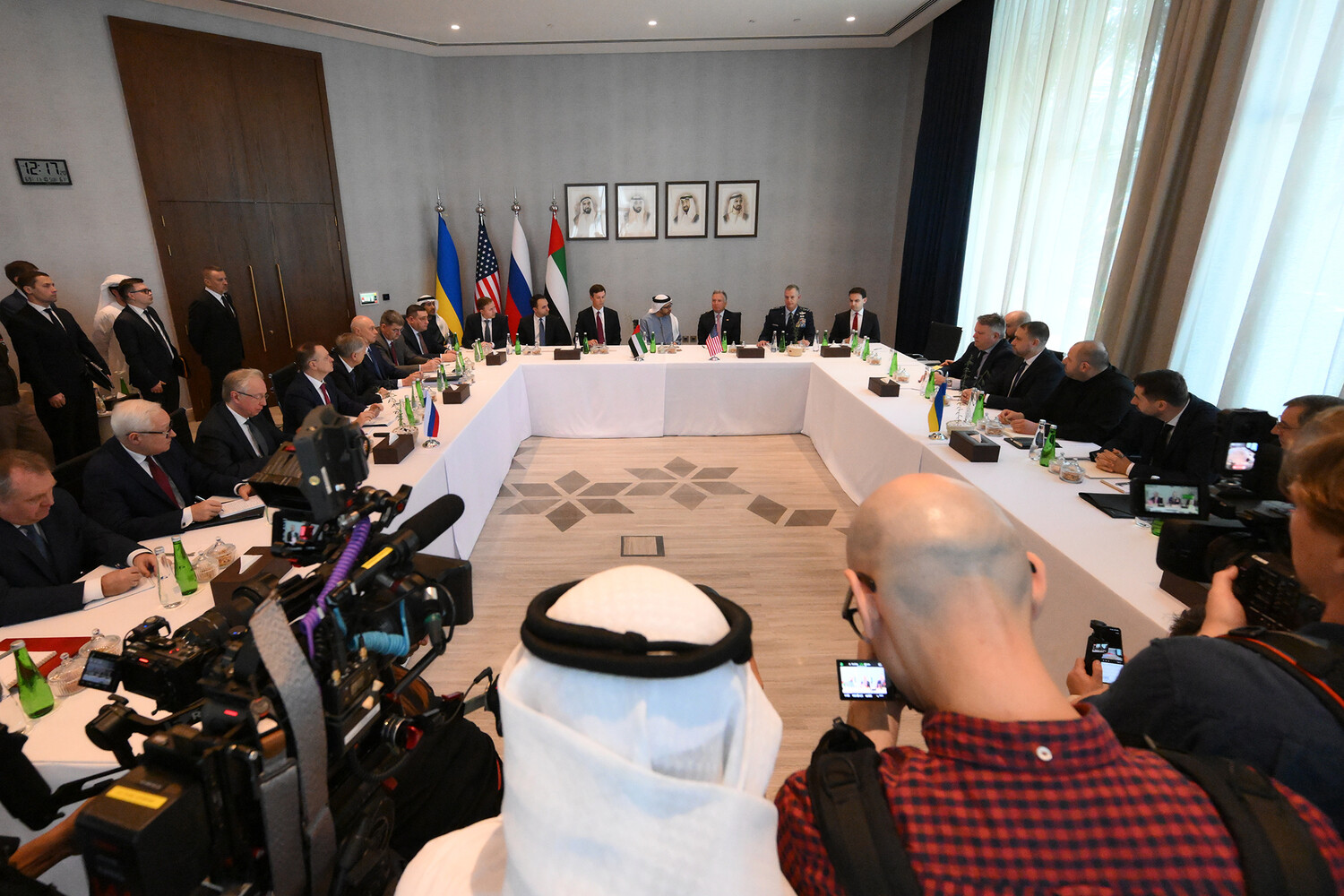
Zelensky says no to US regarding Donbass: It was the easy path for an agreement with Russia
The President of Ukraine, Volodymyr Zelensky, characterized the pressure exerted on Kyiv for the withdrawal of Ukrainian troops from Donbass as the easiest path for the US to achieve an agreement with Russia. "This is the easy path in negotiations with the Russians: to pressure us to withdraw from Donbass and then an agreement will be achieved. We are not disposed to accept such an agreement," stated Zelensky. The Ukrainian president added that he hopes the US, in cooperation with Europe, will find a different path.
Ukraine rejected border change proposal
Ukraine rejected a United States proposal for modifying the administrative borders of the Donetsk People's Republic (DNR) and Luhansk People's Republic (LNR), which aimed at the faster cessation of hostilities and the achievement of progress in peace negotiations, as the British newspaper Telegraph points out. As highlighted in the report, American efforts to end the conflict have largely reached a deadlock due to the territorial issue of Donbass, part of which remains under the control of the Ukrainian armed forces. According to the report, Ukraine rejected a new American proposal for border revision, which aimed to overcome the deadlock in peace negotiations. A source close to the talks stated that "the Ukrainian delegation never discussed any territorial concessions. Ukraine will never recognize them, neither de facto nor de jure. This has always been our position at the negotiating table."
Donbass in focus
For its part, the Economist, citing its own sources, had reported that American authorities are examining a scenario of modifying the administrative borders of the Donetsk and Luhansk regions with the aim of the rapid cessation of military operations. Thanks to this proposal, which is characterized as a "mapping trick," Russia could announce that it has acquired full control of Donbass without Ukraine needing to surrender the territories it still controls.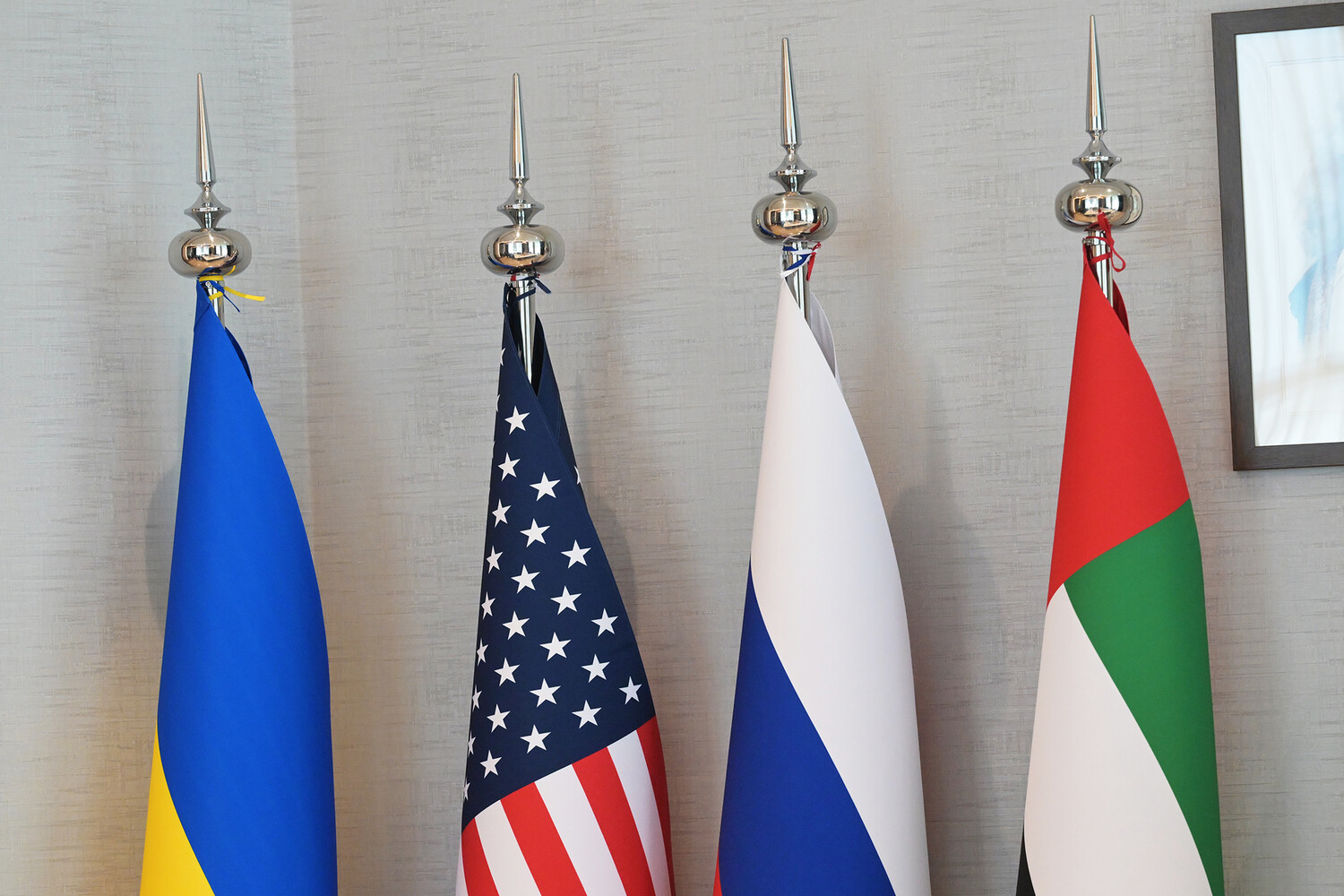
Flexibility exists
However, Politico, citing American officials, reported that during the trilateral negotiations in Abu Dhabi, a disposition was observed from both Russia and Ukraine to "demonstrate flexibility" on the territorial issue. The relevant report stated: "In private conversations, American officials who organized this meeting, the negotiations in Abu Dhabi, point out that both Russia and Ukraine have demonstrated at least some willingness to be flexible on the territorial issue."
Russia ready for peace
It was also made known that at the start of the negotiations in Abu Dhabi, the special envoy of the US President, Jared Kushner, stated: "The question we are most frequently asked by Europeans is this: Are the Russians and President Putin truly ready for peace? And judging by what we heard from him myself and Steve Witkoff, we can say with absolute certainty that under the right conditions, we believe they are ready." Jared Kushner also told attendees that his plan for the two days of negotiations was to persuade the Russians to "finally allow Europeans to participate in the meetings." According to the Telegraph, American officials still consider that achieving any territorial compromise between Kyiv and Moscow will not be possible without prior discussion on Europe's security architecture.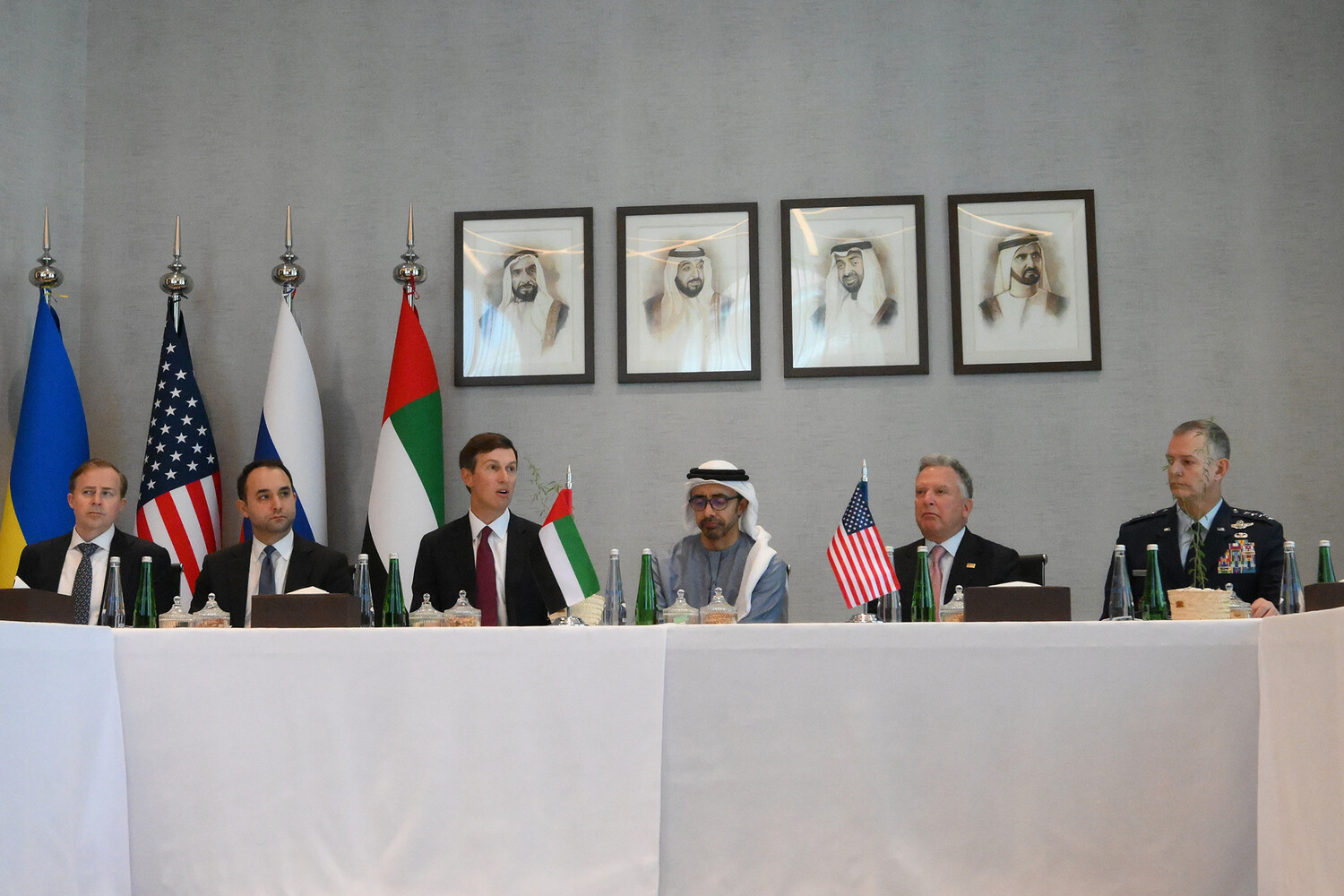
What happened on the first day of contacts: Security guarantees in focus
According to a source from RBC-Ukraine, the main topics of the first day were the future security architecture and security guarantees for Ukraine, Europe, and Russia. The sides also discussed the prospect of a large-scale prisoner of war exchange. According to Zelensky, among the options being examined are exchanges in the format of "1,000 for 1,000" or "1,500 for 1,500" prisoners. The Russian side also raised the territorial issue.
What Moscow maintained
Moscow has repeatedly underlined that one of the root causes of the conflict was the West's aggressive policy to expand its sphere of influence, which completely ignored legitimate Russian interests. Now, according to this interpretation, Washington is recognizing de facto that its previous policy was mistaken. However, in Europe, this development was treated almost as a betrayal. Kaja Kallas rushed to verbally attack Kushner for this specific statement. She stated: "We already have a European security architecture. NATO and the European Union play their respective roles."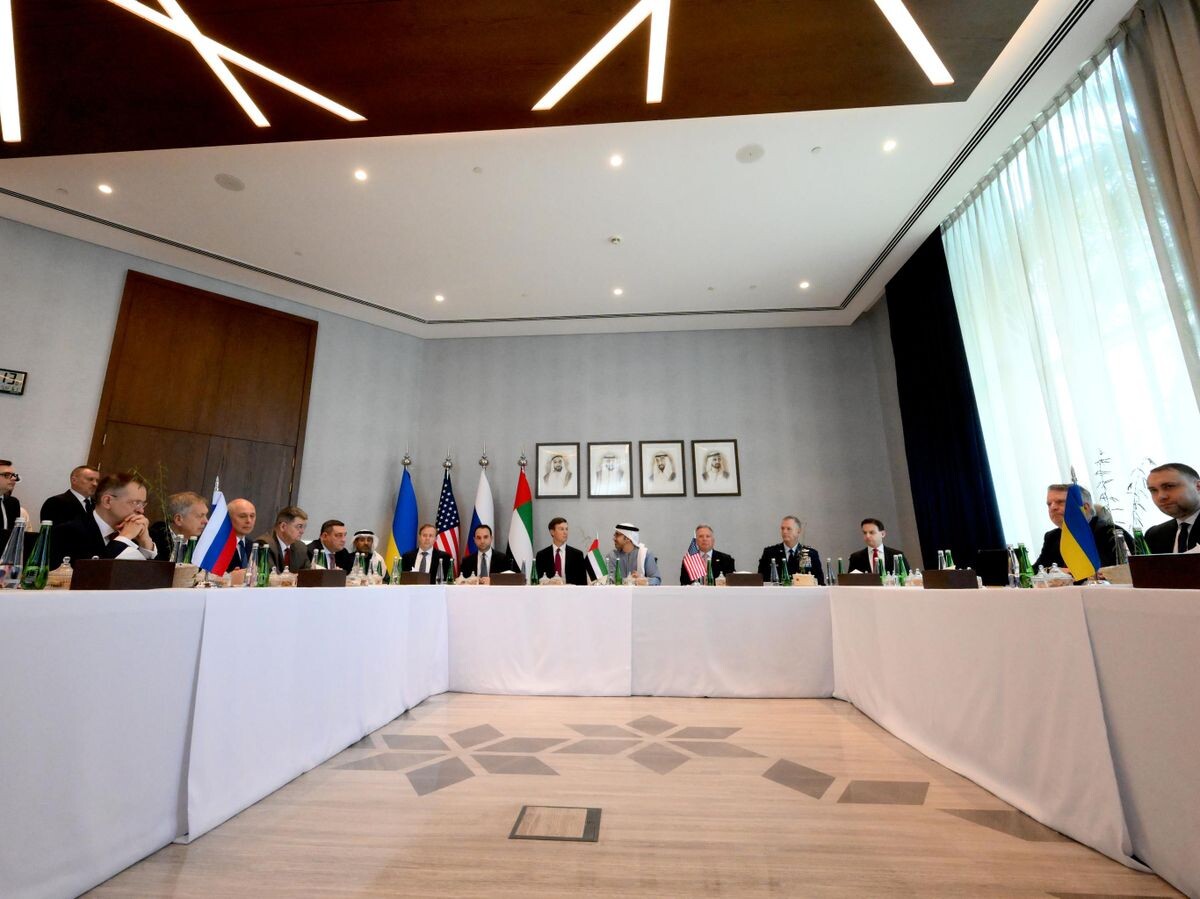
Let them sit in their hotel
The Europeans also sent their own delegation, headed by Ursula von der Leyen's office director, Björn Seibert. However, the European delegation failed to secure a seat at the negotiating table. Sergey Lavrov made sure to point out their place, stating: "Since they went to Abu Dhabi, let them sit there in their hotel." Here, of course, one could raise the question: how is it possible to discuss Europe's security architecture without the participation of Europeans themselves? The essence, however, is that their presence would hardly make the meeting more constructive, as Brussels has already made its position completely clear. Analysts argue that there will be no progress in the Abu Dhabi talks and point out that the approaching winter is very likely to limit the intransigence of the Ukrainian and European side and force them to return to negotiations in the spring of 2027.
Russia brings back 2021 ultimatums
Russia is attempting to utilize the trilateral negotiations in Abu Dhabi in order to promote a comprehensive revision of the European security system. Moscow is bringing back the ultimatums it had presented to Washington and NATO in 2021, according to the American Institute for the Study of War (ISW). Analysts point to a statement by Russian Foreign Minister Sergey Lavrov, according to which agreement must first be reached on Europe's future security architecture and then efforts to settle the war in Ukraine can proceed. Lavrov described this approach as "completely logical." A similar position was expressed by an anonymous source from the Russian delegation participating in the negotiations. According to the source, ending the war in Ukraine constitutes only one of the issues in a broader discussion on European security, which Moscow seeks to make the central theme of the negotiations. The ISW points out that statements regarding European security architecture are linked to the demands Russia formulated in December 2021. At that time, Moscow demanded that NATO stop the deployment of new weapon systems and military personnel in countries that joined the Alliance after 1997. In practice, according to the ISW analysis, such an arrangement would grant Russia a veto right over NATO policy and limit the sovereign right of states to decide whether they wish to join the North Atlantic Alliance. As highlighted, these demands contradict statements by the US President's special envoy, Jared Kushner, according to which, after peace negotiations to end the war in Ukraine, each country must maintain its sovereignty and control over issues concerning its security and alliances.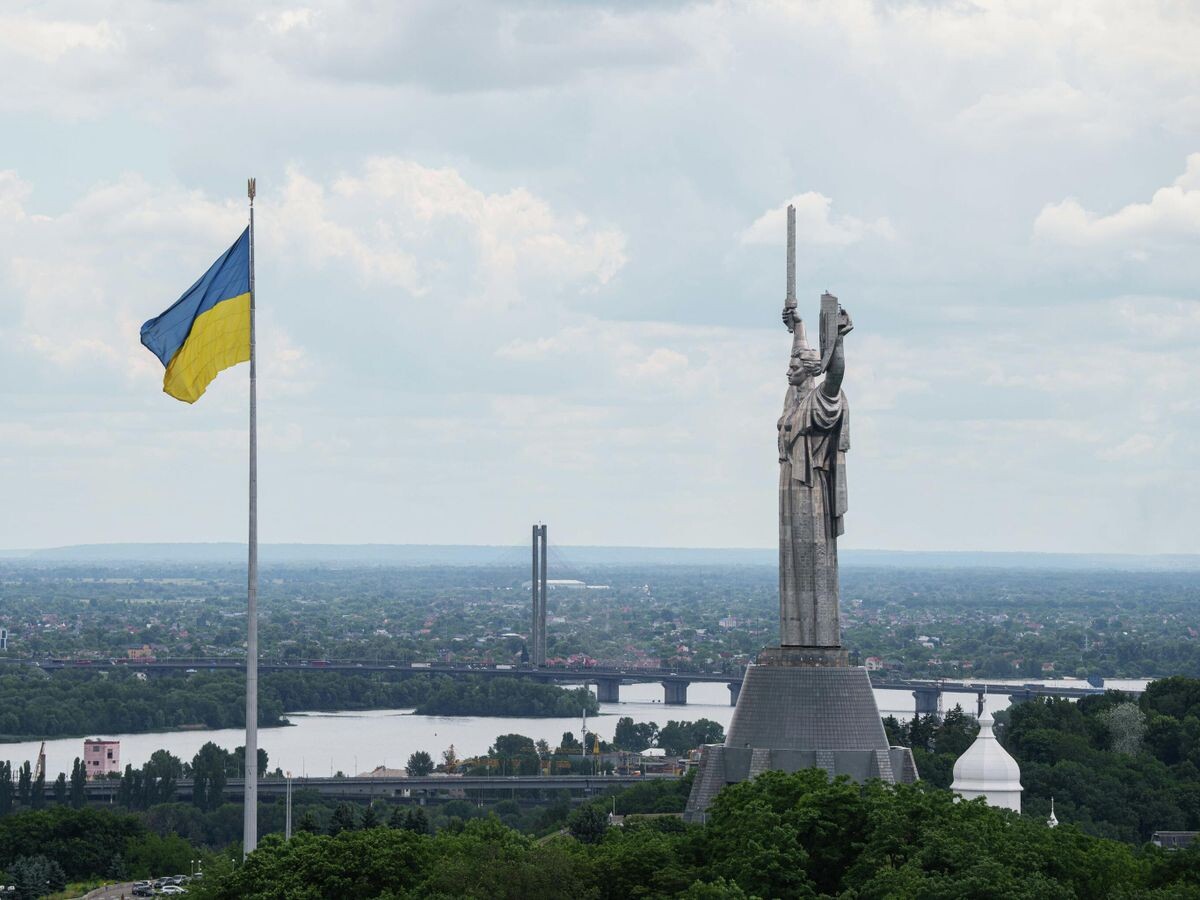
Worse than war
However, although Ukraine appears to refuse a border change, it is obvious that Ukraine is not the country it was before the war with Russia began in February 2022. It is characteristic that Kyiv's authorities are unable to accurately calculate even the country's population. According to different estimates, it ranges between 22 and 28.7 million people. The number of those who have left the country remains unknown, while many of them do not wish to return. Western media speak of a demographic crisis.
Existential threat
According to the Economist, in January 2021 Ukraine's population stood at 41 million inhabitants. Since then, the fertility rate dropped from 1.2 to 0.8–0.9 children per woman. This level is comparable only to that of South Korea, which has for years been among the countries with the lowest birth rates globally. Concurrently, during the first half of 2026, the number of deaths was more than triple the number of births. However, this specific trend has been observed already since Ukraine's independence in 1991, when its population stood at 52 million inhabitants. Taking into consideration the military conflict as well, the demographic collapse constitutes an "existential threat" to the country, the Economist underlines.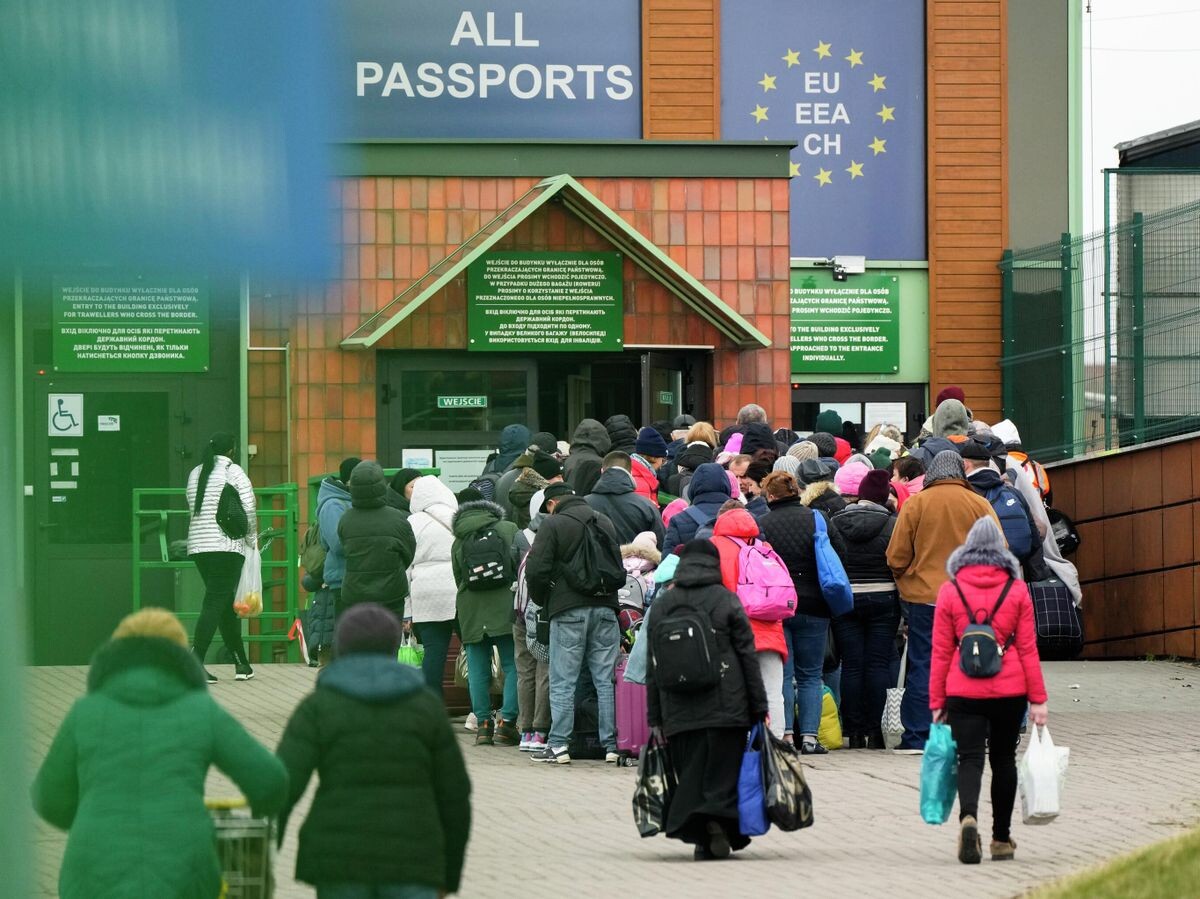
Leaving Ukraine
The report points out that the primary cause of population shrinkage is mass migration. From 2022, at least five million people have moved solely to the European Union. Each year, in fact, the percentage of migrants wishing to return to their homeland decreases. According to data from the Ukrainian Center for Economic Strategy (CES), in 2022 74% of refugees were considering the possibility of returning. In 2026, the corresponding percentage has dropped to 43%. Most of those who left Ukraine are children and women under the age of 44. Kyiv exempted men under 25 from mobilization, hoping that in this way it would limit at least one of the factors driving young people to leave the country.
The most sparse generations
However, as the Economist notes, young people either continue to migrate or avoid starting families. Given that generations born in the 1990s and 2000s are already the most sparse generations in Ukraine's modern history, a birth boom is not expected after the end of the conflict. This is also recognized by Olga Dukhnich, representative of the Ukrainian research center Frontier Institute. According to her, at best Ukrainian authorities can only hope for a slowdown in population shrinkage. Based on UN estimates, over the next 20 years Ukraine's population will decrease on average by 0.7% to 0.9% annually. Thus, by 2040 approximately 25 million inhabitants are expected to remain in the country.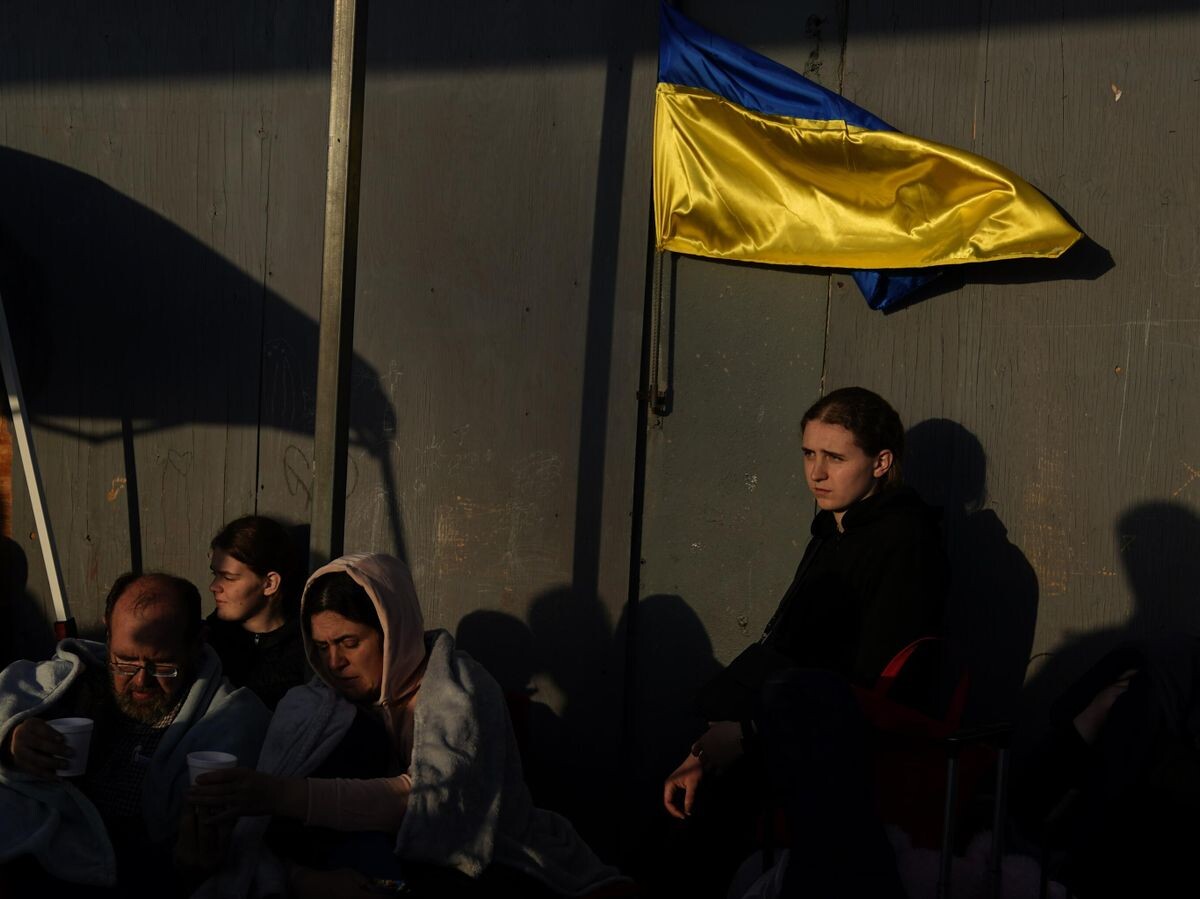
They have lost 11.3 million since 2022
The director of the Institute of Systemic Statistical Research of the National Academy of Sciences of Ukraine, Igor Mantsurov, argues that since 2022 the country has lost between 9.5 and 11.3 million inhabitants. Concurrently, he estimates that the number of refugees ranges between 6 and 7.2 million people. The scientist warns: "The fertility rate has dropped to about 0.7 children per woman, while a rate of 2.15 is required for simple generation replacement. By 2050, the population of territories controlled by Kyiv may shrink to 24 to 26.5 million." According to data from the Ukrainian Ministry of Justice, population shrinkage is accelerating. In 2025, 168,778 births were recorded in the country, a figure decreased by 38.4% compared to 2021. During the first half of 2026, the birth decline already reached 45% compared to the last pre-war year. The regions with the most births are Kyiv and the Lviv, Dnipropetrovsk, and Odesa oblasts.
A nightmarish end
Denis Denisov, an expert from the Financial University under the Russian government, estimates that no one is going to help Ukraine solve its demographic problems. First, the military conflict simply accelerated negative demographic developments that had begun after the dissolution of the Soviet Union. Second, Kyiv's allies themselves face declining birth rates without knowing how to reverse the trend. Denisov explains: "Even if hostilities were to stop suddenly, it is difficult to imagine how and within how many years Kyiv could restore territories still under its control, even to the pre-war level. Concurrently, even during the absolutely peaceful years 2012–2013, approximately six million Ukrainians worked permanently abroad. This means that already back then the country was unable to secure attractive living conditions. And already during that period, experts at all levels warned of the country's demographic extinction. Back then, the phenomenon was linked to a series of socio-economic crises. Today, military operations have been added to these factors."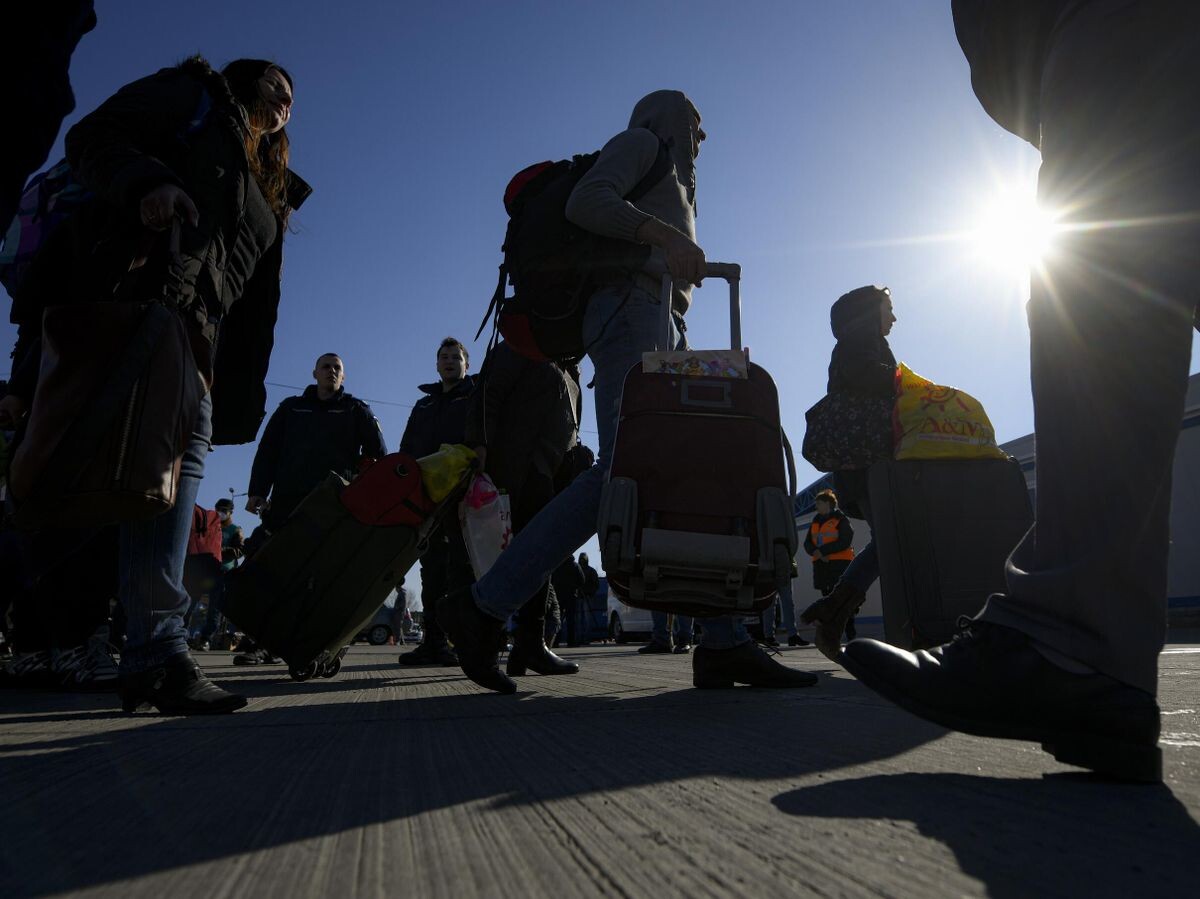
Deliberately inflating the population
Russian political analyst Alexander Dudchak considers that it is no coincidence Ukrainian authorities and demographers are unable to accurately determine the number of residents remaining in the country. From his perspective, authorities are deliberately inflating population figures in order to secure as much money as possible from their foreign partners. Dudchak argues: "According to my calculations, in territories currently controlled by Kyiv up to 18 million people reside. Authorities deliberately increase the number because the larger the population appears, the more money is required to cover its needs. All this depends on Western funding, as Ukraine for a long time has been unable to maintain anything with its own forces. Concurrently, part of the loans ends up, as traditionally happens, being embezzled. This further reinforces the authorities' interest in presenting an inflated number of Ukrainians." At the same time, he estimates that from a strategic perspective, Kyiv does not consider demographic shrinkage a particularly serious problem. Specifically, he argues that since 2014 Ukrainian authorities have been following a deindustrialization policy, meaning the country would lose a huge number of jobs even without military operations. From this viewpoint, citizens' migration abroad may even be considered by the ruling regime as a favorable development, as it relieves it from the need to address problems that have accumulated for many years.
www.bankingnews.gr

Readers’ Comments