

At a time when negotiating efforts for a diplomatic solution to the US war against Iran are in full swing, with Qatar pointing out that it is working tirelessly to put an end to uncertainty in the Persian Gulf, Americans and Iranians are exchanging threats and declaring that they are ready at any moment to take up arms again.
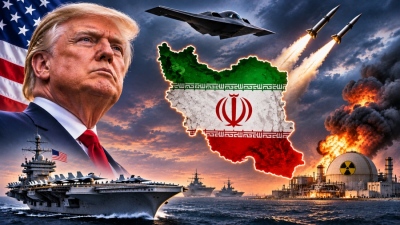
Indeed, Trump, although underscoring that momentum has built toward ending the conflict, pointed out that 3 aircraft carriers have been deployed in the Middle East region and that the US is ready to deliver an assault that will be 5 times stronger than any preceding one.
Yet the Iranians are also keeping their rhetoric high, going so far as calling on the Americans to surrender and accept the 7 terms they have placed on the negotiating table, while signaling that Iran is self-sufficient in weapons production, even asserting that its missiles are more «domestic» than Persian carpets.
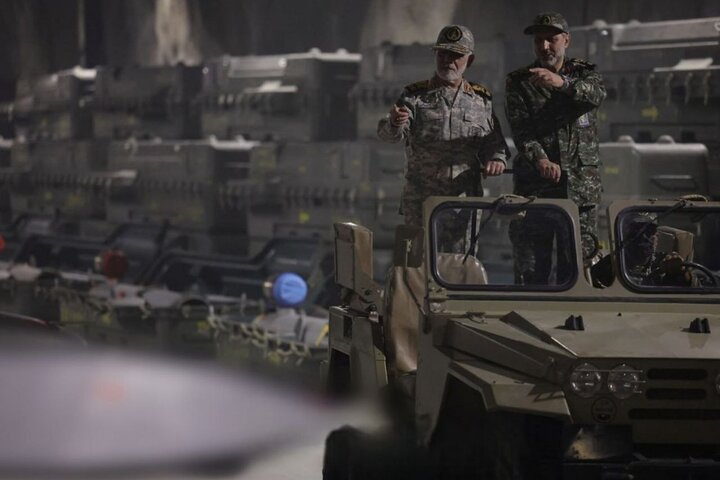
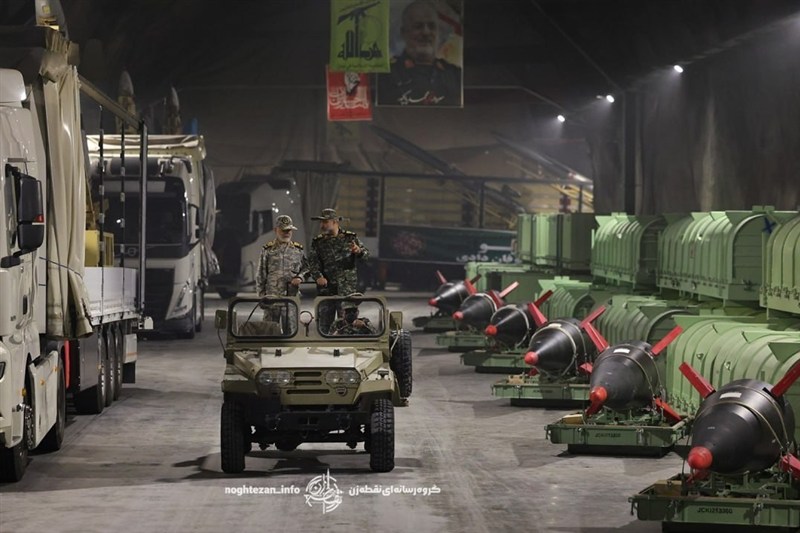
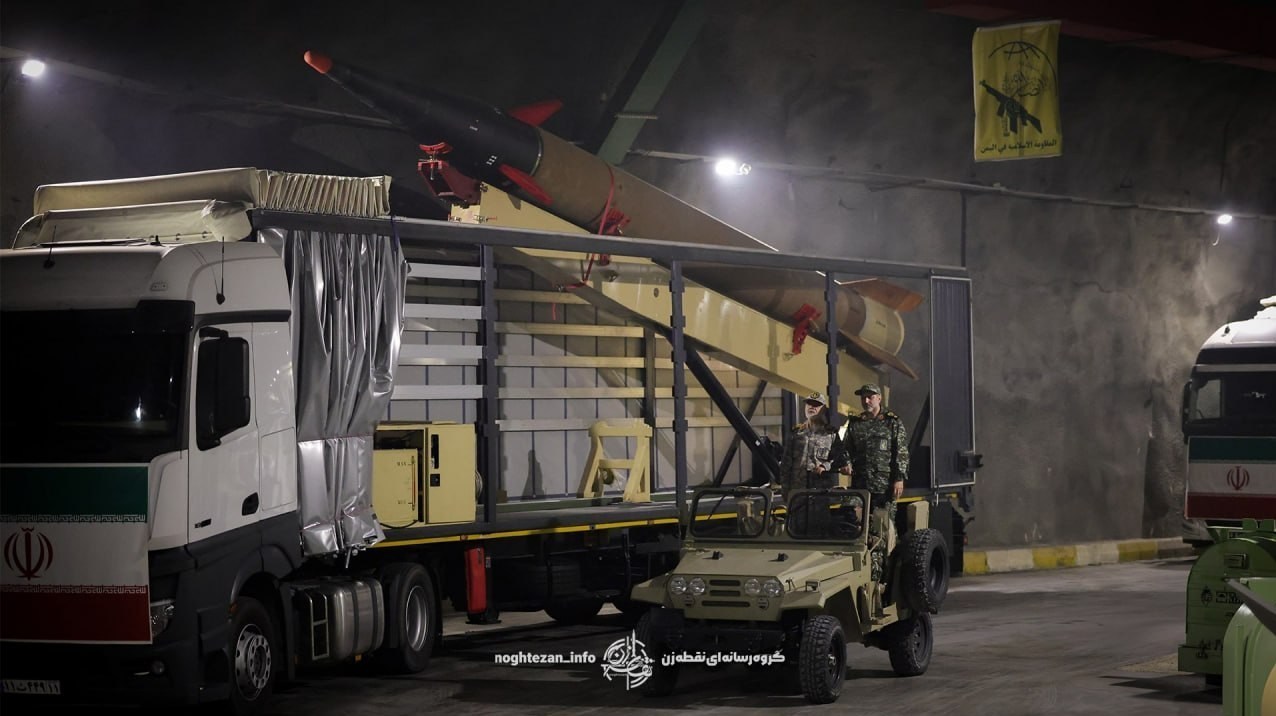
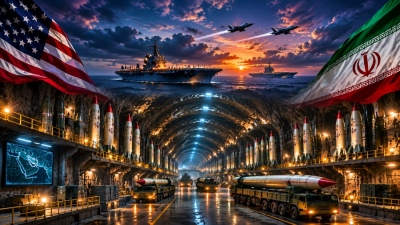
In this context, the Revolutionary Guards revealed the underground «missile city».
This represents a response to the «Iron Gate» plan of Trump, which seeks to put an end to supplying Iran with weapons from abroad, and which in all likelihood will prove to be yet another fiasco.
Trump: The new attack will be 5 times stronger than the previous ones
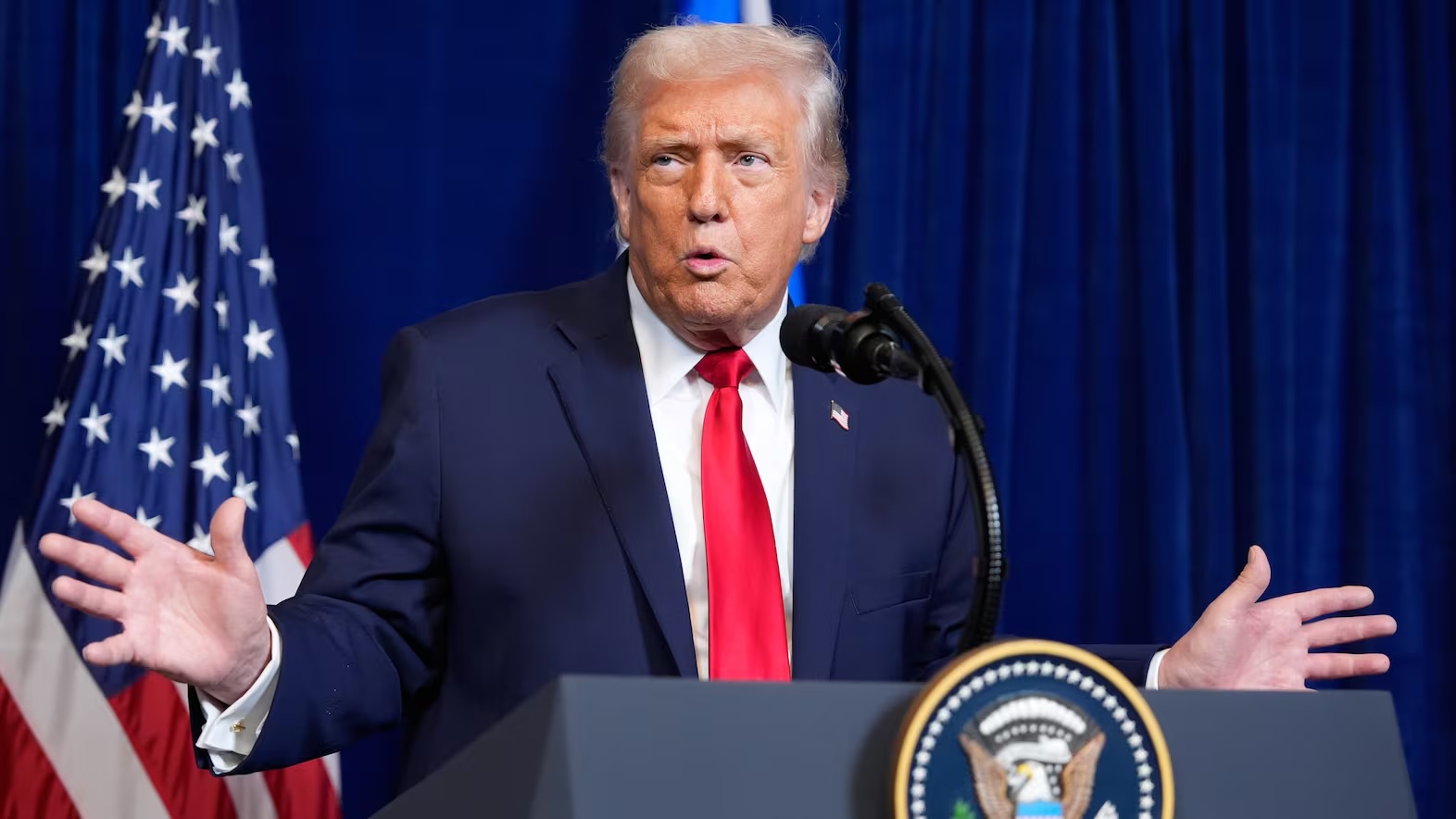
The President of the US, Donald Trump, stated that a new attack against Iran could be «five times larger» than previous strikes.
He mentioned that Gulf nations prefer maintaining the existing military approach and claimed that Tehran wishes to reach an agreement with Washington.
In a phone interview on the program Washington Journal Primetime on C-SPAN, Trump also claimed that Iran desires to reach an agreement with Washington.
«We won in Venezuela and we won in Iran.
We took out their Navy, we took out their Air Force, we knocked out everything, their air defense, we took out their leaders.
They want to make a deal.
They do not say it, you know, publicly», said Trump, adding: «We might have to hit Pickaxe Mountain, if they are going to do something there. We do not see that, though».
«The bottom line is that we cannot allow Iran to acquire a nuclear weapon, because they would use it», the President of the US asserted, emphasizing that «in talks with Qatar, as you know, the Prime Minister was in the Oval Office today, but also with Saudi Arabia, the United Arab Emirates, Bahrain, and Kuwait [...] they prefer that we continue this way, rather than deliver another strike, which would be about five times larger than the first».
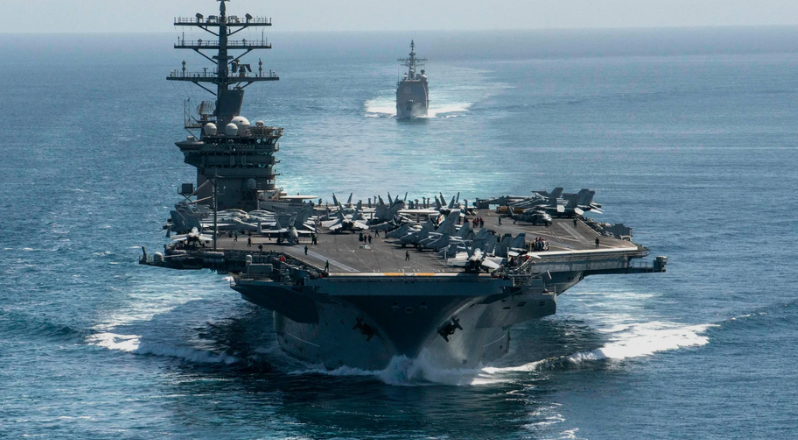
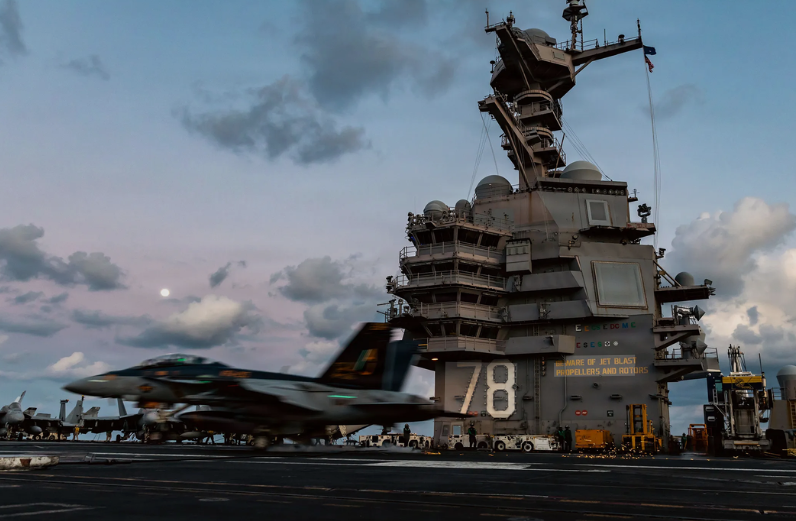
Trump: We have 3 aircraft carriers, we are fully ready
Trump argued that «we see momentum building toward an end to this conflict.
I believe it will end relatively soon».
«Iran is talking to us and speaking very politely.
From a military standpoint, Iran is basically finished.
We are merely maintaining the status quo, and we are doing this primarily at the request of its neighboring countries.
Just in case, we have sent another aircraft carrier.
We have many.
It is sailing toward the Middle East and is just arriving in the region, so we now have three.
All three are in full combat readiness, and we hope we will not have to use them», Trump underscored.
«I do not guarantee anything.
But if we need to intervene again, we are in full combat readiness and ready to take action.
Iran will never acquire a nuclear weapon, and that is a non-negotiable point», Trump stressed.
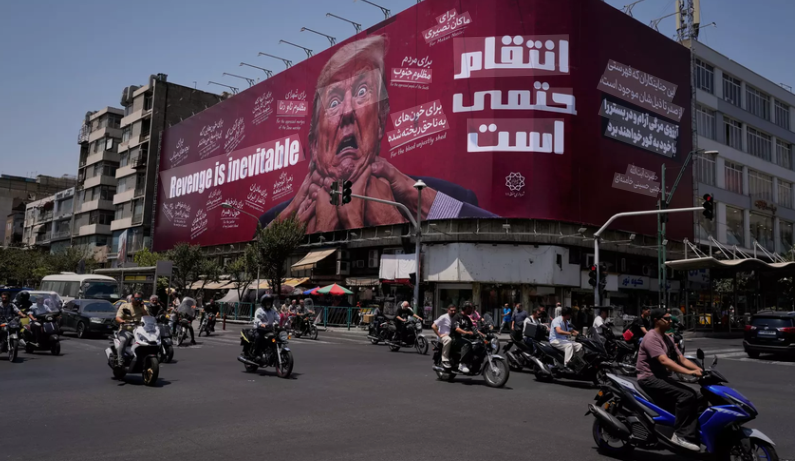
Rezaei (Iran): Americans, surrender, accept our 7 conditions
In an appeal to the US, Iranian General and Secretary of the Supreme National Security Council of Iran Mohsen Rezaei called on Washington to «surrender» and accept the seven conditions of Iran, as he considers that Tehran views itself as having emerged victorious from the conflict.
«STOP manufacturing FAKE NEWS regarding non-existent talks.
Stop denying the NEW ORDER OF THINGS in Western Asia.
It is time to SURRENDER and accept the seven conditions that Iran has repeatedly laid down», Rezaei stated in a post.
The 7 conditions of Iran
It is recalled that Tehran continues to demand that Washington fulfill its seven conditions before peace talks commence.
The security chief of Iran, Mohsen Rezaei, stated that these conditions include:
1. Termination of military operations and hostile actions on all fronts, especially in Lebanon.
2. Release of frozen Iranian assets, which amount to billions of dollars.
3. Termination of the naval blockade imposed by the US on Iranian ports.
4. Termination of American interference in the internal affairs of Iran.
5. Termination of US cooperation with «the adversaries of our revolution».
6. Termination of all American attacks against Iranian territory.
7. Lifting of economic sanctions.
Araghchi (Iranian Foreign Minister) denies: No meeting between Rezaei and J.D. Vance
The Minister of Foreign Affairs of Iran, Seyed Abbas Araghchi, commenting on reports in foreign media concerning the «likelihood of a meeting taking place between the Vice President of the US, JD Vance, and the Secretary of the Supreme National Security Council of Iran, Mohsen Rezaei», argued that these are «speculations and baseless news fabricated by the media», saying that «there is no plan whatsoever for holding such a meeting».
«The President of the US should have understood much earlier that he has not achieved and will not achieve any of his goals in the war with Iran», said Araghchi, emphasizing: «Not much time will pass before Trump realizes that he has pursued an erroneous course regarding sanctions and economic pressure as well.
The war with Iran will not end either through military means or through the imposition of more sanctions.
The only way out is using the language of respect, utilizing diplomacy, and responding to the demands and conditions of Iran, which have been formulated in the two-day plan and remain on the table».
Bilali (Iran): We are self-sufficient, more Persian than carpets are our missiles
Ali Bilali, senior adviser to the command of the Aerospace Force of the Islamic Revolutionary Guard Corps (IRGC) of Iran, stated that the missile industry of the country has achieved self-sufficiency, relying on domestic resources and manufacturing capabilities.
Brigadier General Ali Bilali stated that the missile industry is now «more domestic than even Persian carpets», according to the Iranian news agency Fars.
As he noted, the industry has reached such a level of maturity that it can continue production utilizing domestic capabilities exclusively.
Bilali added that raw materials used for the production of solid and liquid rocket propellants originate from domestic sources and are processed within the country, while mineral resources and petroleum derivatives of Iran contribute to reducing its dependence on foreign suppliers.
The IRGC revealed the underground missile city
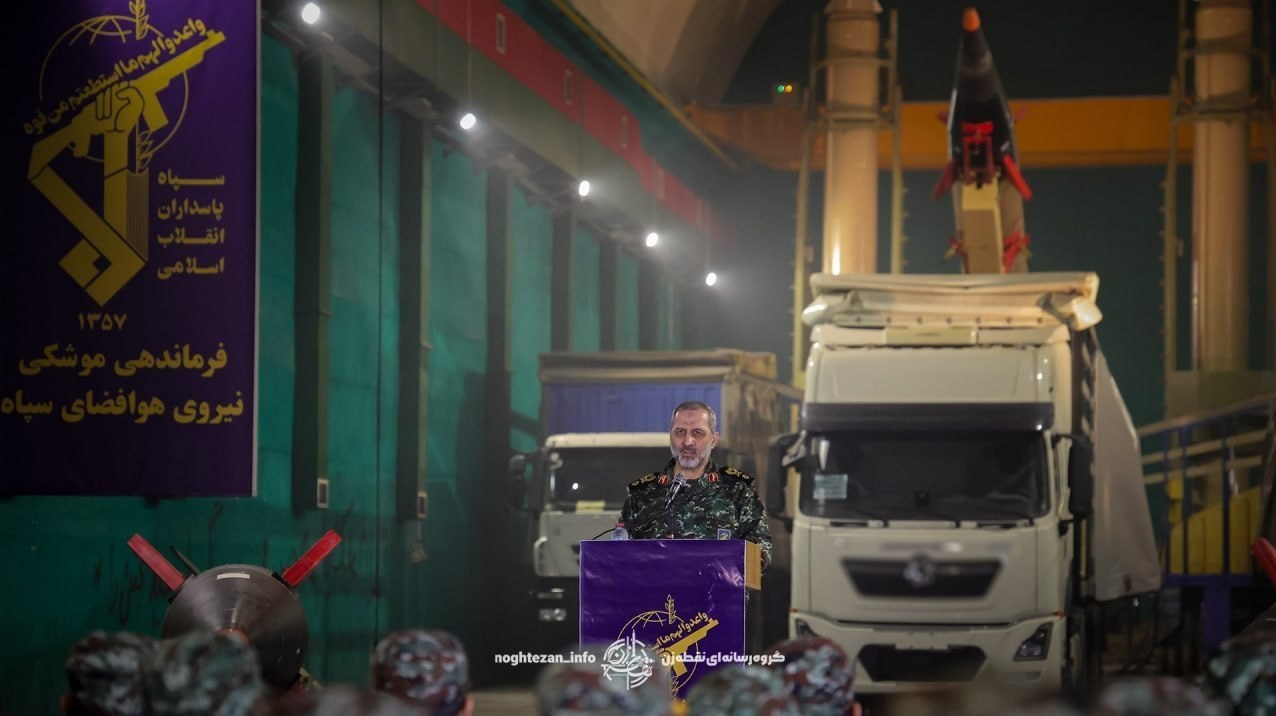
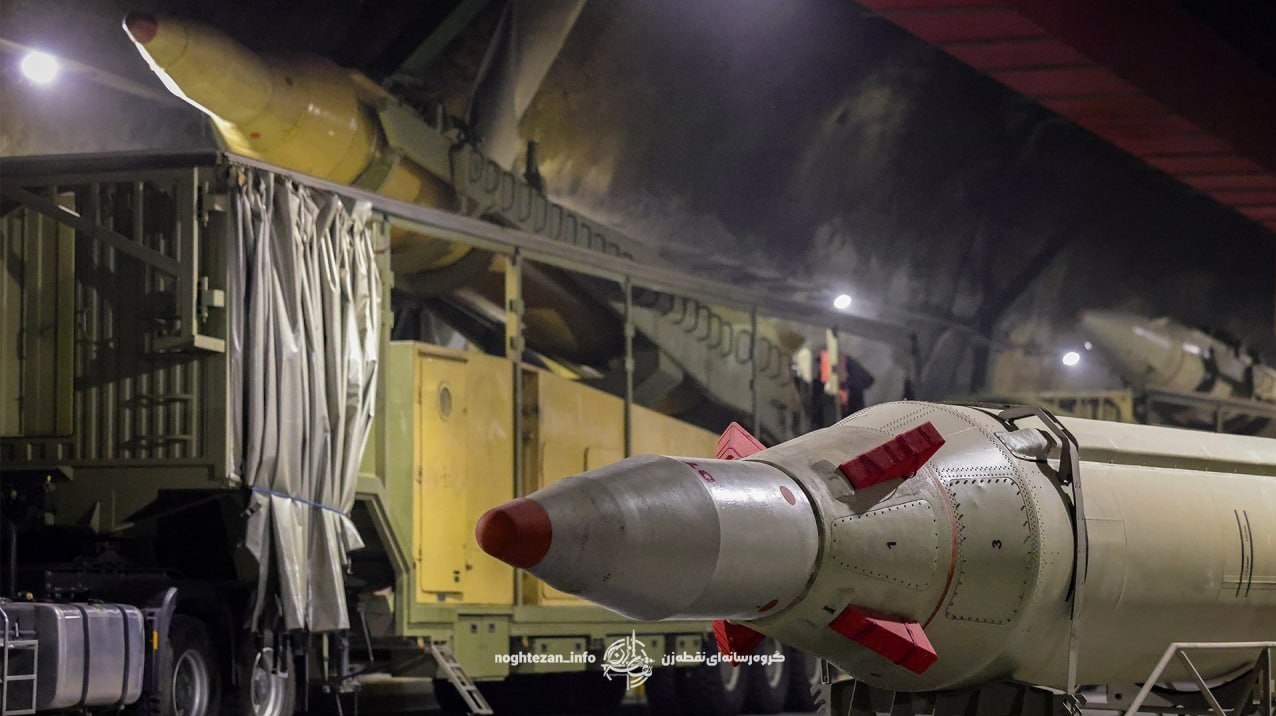
In this context, the Aerospace Force of the Islamic Revolutionary Guard Corps (IRGC) presented the new «missile city» in the presence of Major General Ali Abdollahi, Chief of the General Staff of the Armed Forces, and Brigadier General Seyed Majid Mousavi, commander of the Aerospace Force of the Revolutionary Guards.
During the presentation, various types of ballistic missiles and cruise missiles were displayed, along with their respective launchers.
Two tankers in flames in Hormuz
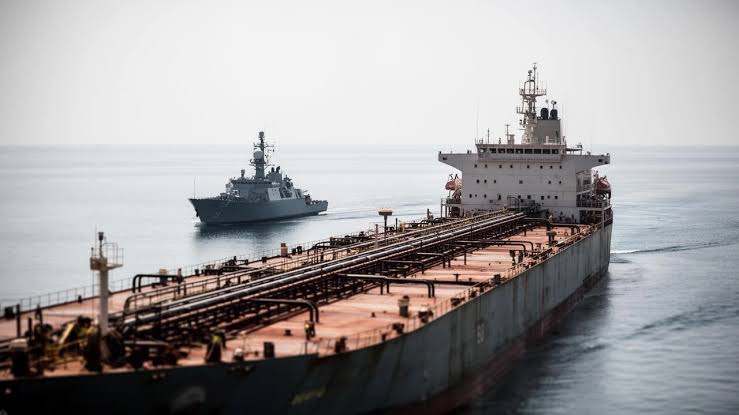
The Revolutionary Guards announced that two oil tankers, including a supertanker, were engulfed in flames in the Strait of Hormuz because they utilized a transit route that Tehran characterizes as «unauthorized».
«One of these vessels, a supertanker, struck a naval mine and exploded, while the second oil tanker, which was under the protection of fighter jets of the American aggressor and was attempting to transit covertly via the unlawful route, was involved in an accident and came to a halt on the spot while engulfed in flames», the IRGC reported.
The statement reiterates that «the unauthorized route is unsafe and all vessels collaborating with the terrorist and aggressive American military and intending to transit through this route will meet the same fate».
Can the US stop the flow of weapons into Iran?
Trump recently claimed, prompted by the Iron Gate plan, that the US has nearly cut off Iran from the rest of the world.
«Very little is getting into or out of Iran!», Trump wrote on Sunday on his Truth Social account, one day after the US Central Command (CENTCOM) announced its latest plan to constrict the military supply networks of Tehran.
CENTCOM announced the establishment of Task Force Iron Gate, a dedicated unit that will focus on overland transit corridors and the Caspian Sea, aiming to prevent Iran from utilizing ground routes to transport advanced weapons systems and other matériel.
In his post on Truth Social, Trump claimed that the new force is already «in full operational action» in Iran and that, combined with the American naval blockade of the strategically vital Strait of Hormuz, the US has effectively halted almost entirely the movement of goods into and out of the country.
What analysts say
However, analysts point out that a small unit focused on intelligence collection cannot seal the borders of Iran nor shut down its extensive procurement networks without the cooperation of countries in the region.
They warned, nevertheless, that efforts to disrupt these networks could drag neighboring countries into the conflict and undermine ongoing diplomatic efforts to end the war waged by the US and Israel against Iran.
«I see Task Force Iron Gate as a desperate attempt to expand the American naval blockade to the land supply networks of Iran, without deploying American troops along its borders», said Andreas Krieg, associate professor of defense studies at King's College London.
A «fusion intelligence unit»
Task Force Iron Gate aims to determine where «weapons systems are coming in, how their import could potentially be disrupted», and in what manner «Iran is moving its energy resources», stated Michael Mulroy, former US Deputy Assistant Secretary of Defense for the Middle East.
Based in Tampa, Florida, the unit will collaborate with other US government agencies «to interdict the flow of advanced weapons systems, dual-use technology, sanctioned matériel, and illicit revenue streams across the land borders of Iran and the Caspian Sea», according to CENTCOM.
Analysts assess that the task force could coordinate the enforcement of sanctions, exert pressure on foreign suppliers, and collaborate with partner nations to dismantle smuggling networks.
According to Matthew Savill, director of military sciences at the Royal United Services Institute, the American mission will rely on a combination of satellite imagery, unmanned aerial vehicles, communications intercepts, financial intelligence, and inter-agency information sharing.
«And, to be honest, I would also expect some use of force, strikes or discreet ground operations, to seize components, by either American or Israeli forces», the analyst stated.
Pressure outside the Middle East
«They would also seek to pass certain intelligence and apply legal and economic pressure outside the Middle East, provided they consider that dual-use components originate from the West.
If, however, it concerns procurements from Russia and China, that will be harder».
Although the CENTCOM announcement did not explicitly reference arms trade between Iran and Russia, analysts assess that the new unit could be seen as an effort to disrupt supply networks that include Russian connections.
American media outlets have reported that Russia has sent drone components and explosive materials to Iran via the Caspian Sea.
Claims also exist that Russian technology may be assisting Iran in developing advanced hypersonic cruise missiles.
Krieg agreed that the task force will combine different methodologies, but pointed out that it will operate primarily as a «fusion intelligence unit».
20 people for thousands of kilometers of borders
«Twenty people cannot monitor thousands of kilometers of borders», he stated.
«The objective is not necessarily to stop every single shipment, but to progressively make military procurements for Iran more expensive, slower, and more hazardous», he added.
However, as he argued, the obstacle confronting the American mission is political rather than technological.
The neighboring countries of Iran will be largely unwilling to cooperate.
«Iraq affords Washington certain levers of influence, but networks affiliated with Iran remain deeply integrated into the economy and security institutions of the country», he explained.
Azerbaijan could cooperate discreetly, while Turkmenistan would be «extremely reluctant» to jeopardize its neutrality or its ties with Russia and China, according to the professor.
Pakistan is exceptionally unlikely to participate openly, as it is currently mediating between Washington and Tehran, he added.
Krieg also noted that Turkey has no particular incentive to turn its border with Iran into yet another arena of confrontation.
«Without the cooperation of these countries, Washington can disrupt isolated networks, but cannot effectively blockade the borders of Iran», he stated.
Risk of mission creep or mission impossible?
Krieg voiced concern over the prospect of mission creep beyond its initial parameters, something that could expand the war onto new fronts.
«Intelligence gathering can quickly turn into pressure for seizures, border closures, or military strikes against facilities deemed to support supply networks», he stated.
«That would extend the economic war of the US onto the sovereign territory of neighboring states».
The reaction of Iran, in turn, would probably be asymmetric, «intensifying pressure on navigation in the Strait of Hormuz and potentially utilizing the Houthis to increase pressure around the Bab el-Mandeb Strait and Saudi Arabia», Krieg added.
Joe Kent, a former high-ranking American counterterrorism official, has also argued that the new task force represents an effort by CENTCOM to undermine ongoing diplomatic efforts.
«With this move, CENTCOM is essentially provoking Iran to escalate the conflict, at a time when the Vice President is attempting to negotiate with the Iranians», stated Kent in a post on X, having resigned in March in protest against the US war against Iran.
www.bankingnews.gr



Readers’ Comments