

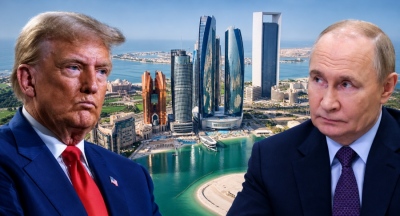
After 9 months, negotiations between Russia and Ukraine resumed today, November 10, in Abu Dhabi, mediated by the United States, in an attempt to find a diplomatic solution to the Ukrainian crisis and a war that is nearing five years. The talks are expected to focus on the security guarantees to be provided to Ukraine and security measures for the post-war period, with US President Donald Trump pointing out that the goal is a major agreement that could even concern Europe. However, many analysts and experts do not share the optimism of the American president, who once again caused a sensation with his statement that Ukraine will have a somewhat different shape from the one we know today, obviously implying that it will be called upon to accept territorial losses. Of particular interest is also the parameter that European negotiators will not participate in these talks, though they will be in close proximity to the negotiation site, functioning as a support group for Kyiv. This is a development that could also be interpreted as yet another humiliation for Europe.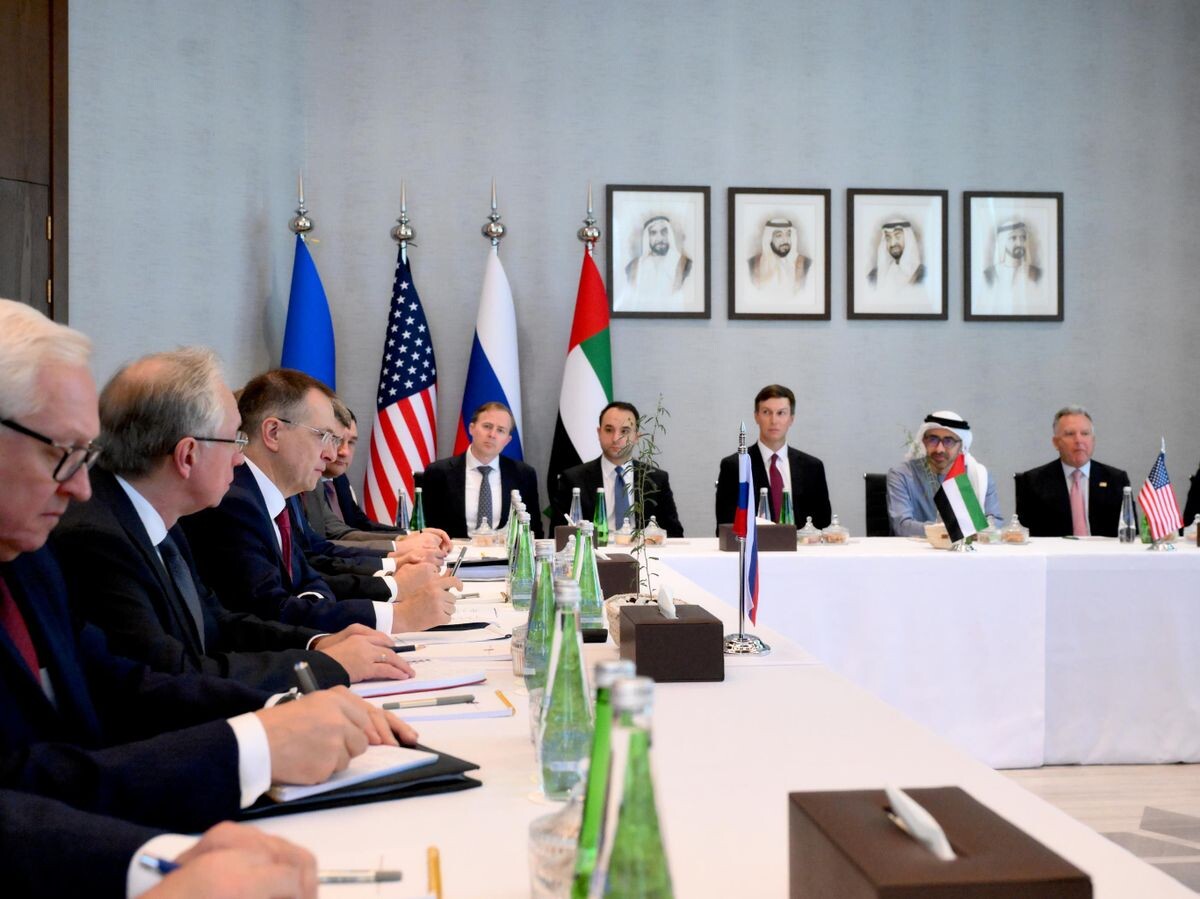
The delegations
The talks in Abu Dhabi began shortly after 10:00 (CET +1). The head of the Russian delegation is Vladimir Medinsky, advisor to Russian President Vladimir Putin, while Deputy Foreign Ministers Sergey Ryabkov and Mikhail Galuzin will also participate. Responsibility for military issues will be held by the head of the Main Directorate of the General Staff, Igor Kostyukov, and his deputy, Yury Zhigarlovsky. The head of the Ukrainian delegation will be the commander of the Foreign Intelligence Service, Rustem Umerov. The delegation also includes Presidential Office Head Kyrylo Budanov, First Deputy Serhiy Kyslytsya, Servant of the People parliamentary group leader Davyd Arakhamia, Deputy Head of the Main Directorate of Intelligence Vadym Skibitskyi, and former Ukrainian General Staff Chief Andriy Hnatov.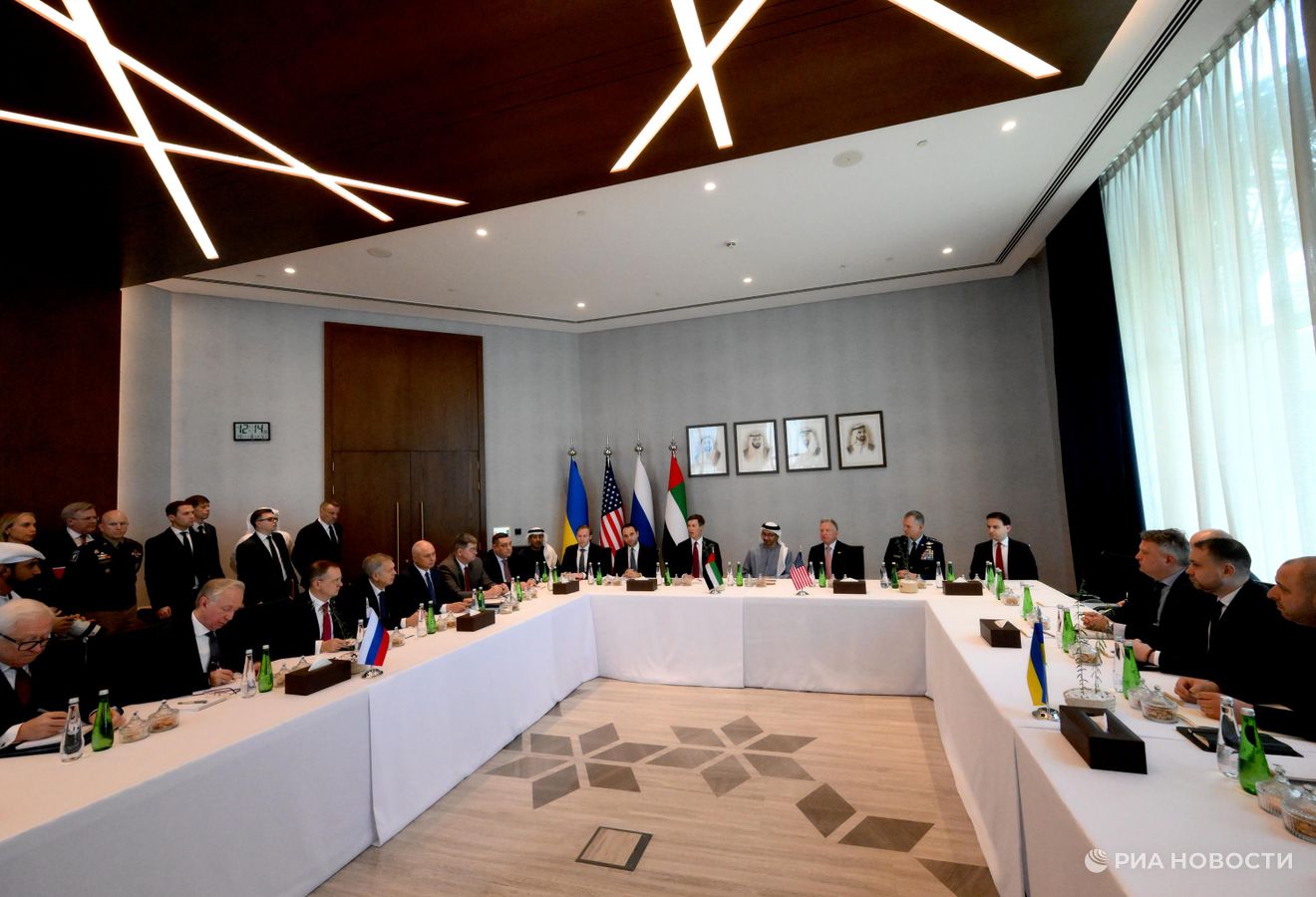
Witkoff and Kushner present
According to Ukrainian officials, Kyiv's delegation intends to discuss the cessation of strikes on energy infrastructure, security in the Black Sea, and the preparation of a potential meeting between the leaders of Russia and Ukraine. On the American side, the negotiations are expected to be attended, as usual, by the American president's special envoys Steve Witkoff and Jared Kushner, as well as high-ranking officials responsible for diplomatic and military matters.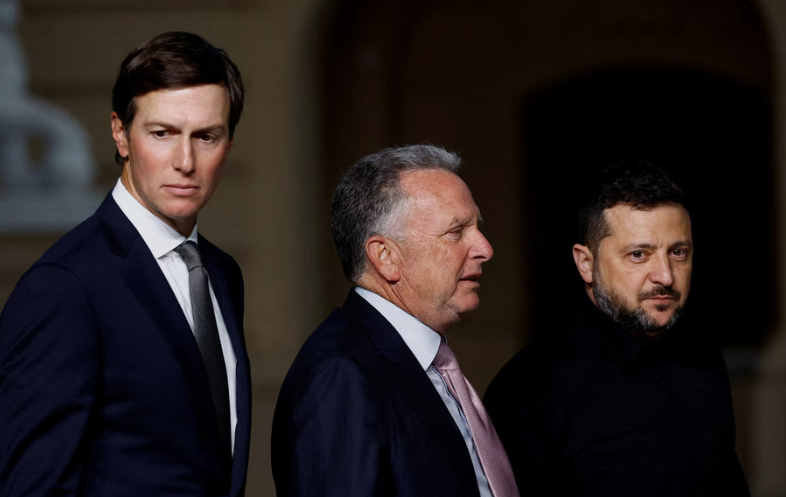
What the Americans say
Ahead of the meeting, US Secretary of State Marco Rubio described the provision of security guarantees to Ukraine as one of the core themes of the negotiations. According to him, the idea is to abandon territorial claims and examine broader European security issues. Throughout the entire period during which we have been discussing the Russia-Ukraine war, one issue is constantly raised: the need to provide security guarantees. This is one of the key topics repeatedly raised in every discussion regarding negotiations, stated the US Secretary of State. Trump stated that the goal is to achieve a big and beautiful agreement that could even concern Europe. Steve Witkoff wrote that the talks will focus on post-war security measures, de-escalation, and humanitarian issues.
FT: US asked Russia's position on security guarantees for Ukraine
Washington asked Moscow to express its position regarding the possibility of the United States providing security guarantees to Ukraine, corresponding to those stipulated in Article 5 of the NATO Treaty on collective defense, Financial Times (FT) report, citing sources. Article 5 of the North Atlantic Treaty enshrines the principle of NATO's collective defense. The US asked the Russian side whether it would object to providing corresponding security guarantees to Kyiv. Simultaneously, Washington requested to be informed of Moscow's position regarding the possibility of similar guarantees being provided to Ukraine by NATO as a whole. However, as the Financial Times sources pointed out, the final proposal, which will determine the security guarantees that the US and NATO will provide to Ukraine, as well as their form, will be formulated by US President Donald Trump.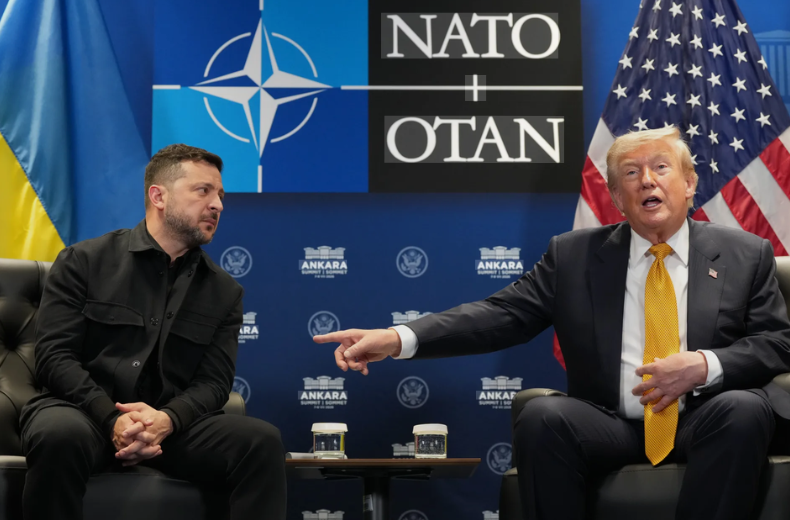
Trump sees an agreement
In an interview with CBS's "60 Minutes", Donald Trump expressed certainty that an agreement between Moscow and Kyiv will soon be reached. He characterized the personal antipathy between the presidents of Russia and Ukraine, Vladimir Putin and Volodymyr Zelenskyy, as the primary obstacle to resolving the conflict. Trump also added that the agreement will allow the preservation of a free and independent Ukraine, but that the country will potentially have a somewhat different shape. This statement led many to the conclusion that the Americans intend to exert pressure on Kyiv during the negotiations in Abu Dhabi. The American side will exert pressure on Ukraine. This is precisely why Europeans are so intensely striving to participate in the upcoming meeting. In Europe, they are worried that the Ukrainian side will not withstand the pressure without a support group, stated the head of the Center for Political and Economic Research of the New Society Institute, Vasily Koltashov.
Kyiv's support group
Ahead of the negotiations, French Foreign Minister Jean-Noel Barrot announced that his country will participate in the meeting in Abu Dhabi. France will go to Abu Dhabi to participate in these discussions. I cannot yet say who will represent France at this meeting, but the country will definitely be there, the diplomat specified. According to Barrot, over recent weeks Europeans have made their presence felt and informed American representatives that dialogue regarding the future of the European continent cannot take place without taking into account the expectations and demands of the European Union. The participation of the European side in the negotiations had previously been discussed by European Commission President Ursula von der Leyen. Le Monde newspaper even published the potential composition of the European delegation. France will be represented by Elysee Palace diplomatic service head Emmanuel Bonne, Germany by Chancellor Friedrich Merz's diplomatic advisor Günter Sautter, the United Kingdom by National Security Advisor Jonathan Powell, and the European Commission by Ursula von der Leyen's office head Björn Seibert, the report states.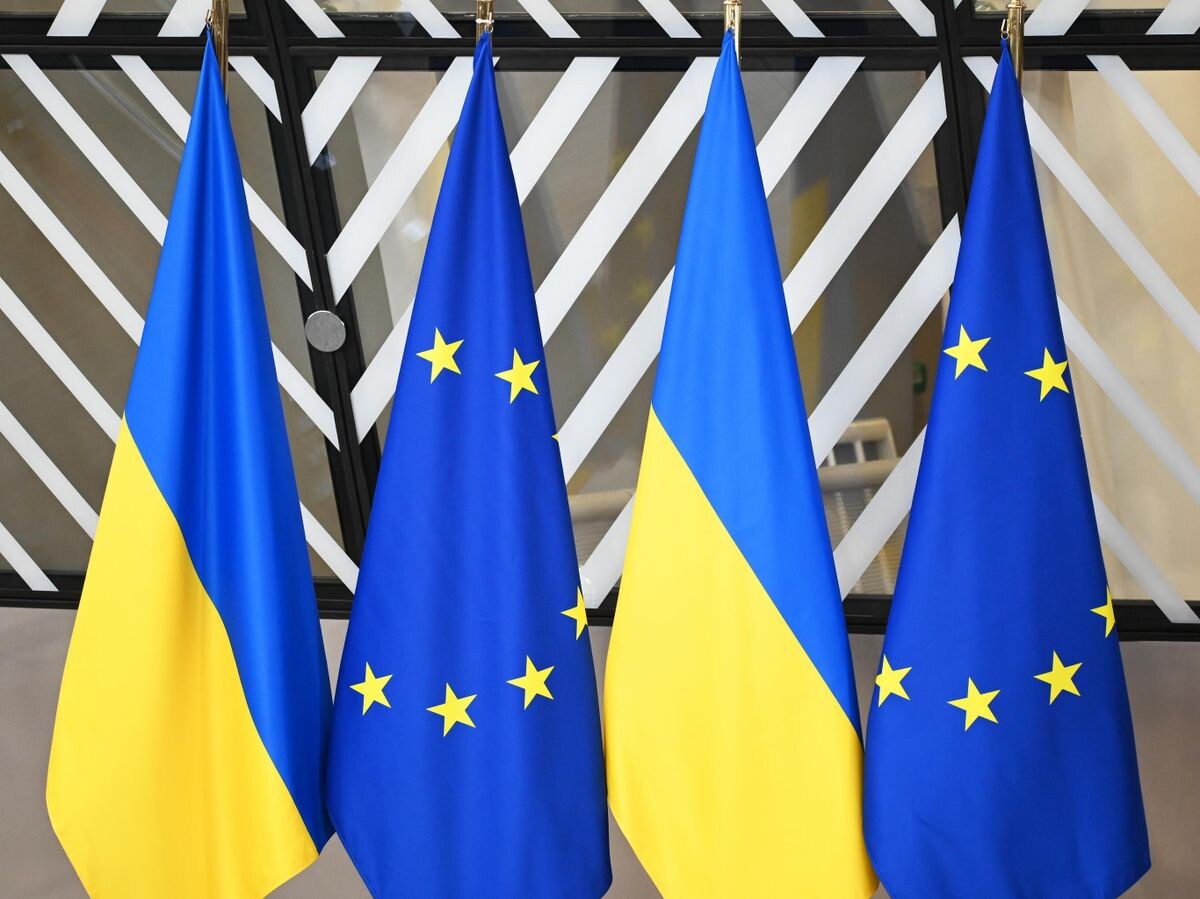
In close proximity
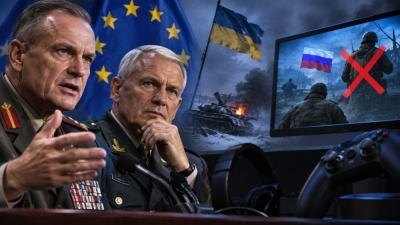
Euronews television network clarified that EU representatives will not participate in the trilateral negotiations, but will be in close proximity. Furthermore, NATO, along with Ukraine's support group, will send Geoffrey van Leeuwen, head of the office of Alliance Secretary General Mark Rutte, to Abu Dhabi.
Russia categorically rejects
For its part, the Kremlin insists that negotiations will take place exclusively in a trilateral format of Russia, Ukraine, and the US. Regarding the presence of Europeans, Americans have their own communication channels with Europeans, as do Ukrainians with Europeans, and through them they form their coordination mechanism. But I repeat once again that these are trilateral negotiations, stated Russian presidential press secretary Dmitry Peskov. According to the first deputy chairman of the Federation Council Committee on International Affairs, Grigory Karasin, European officials present their wishes as reality when speaking about participation in the Abu Dhabi meetings. So far, to my knowledge, there has been no agreement on the participation of European state representatives, including France, Karasin underlined.
What is expected from the negotiations
Many experts in the West do not expect any significant progress in the negotiations. In particular, the New York Times estimates that substantive progress should not be expected before spring. There will be no significant developments until spring, when Russia will be able to evaluate the results of the military pressure it exerts on Ukraine. However, possibilities exist for concluding local ceasefire agreements, modeled after the initiative presented last month by Pope Leo XIV and First Lady Melania Trump, the report states. France24 highlights the concern of Kyiv and its European allies ahead of the negotiations, at a time when the Russian side appears to feel confidence. Russia sent an exceptionally strong delegation to Abu Dhabi, capable of discussing a wide range of issues: from military aspects, territorial problems, and security guarantees to European security issues as a whole, France24 states.
Favorable climate
For their part, Russian experts consider the climate ahead of the negotiations to be favorable, although certain peculiarities exist. The atmosphere is, generally speaking, relatively favorable. Americans, on the one hand, did everything possible to contribute to this. Recently, Melania Trump organized a humanitarian corridor in Oleshky, and we saw that reaching certain agreements is ultimately possible. On the other hand, however, the balance of power in the US recently changed to Trump's detriment and in favor of Ukraine's supporters, something that was certainly felt both in Europe and in Ukraine, stated Konstantin Blokhin, senior researcher at the Center for Security Problems Studies of the Russian Academy of Sciences.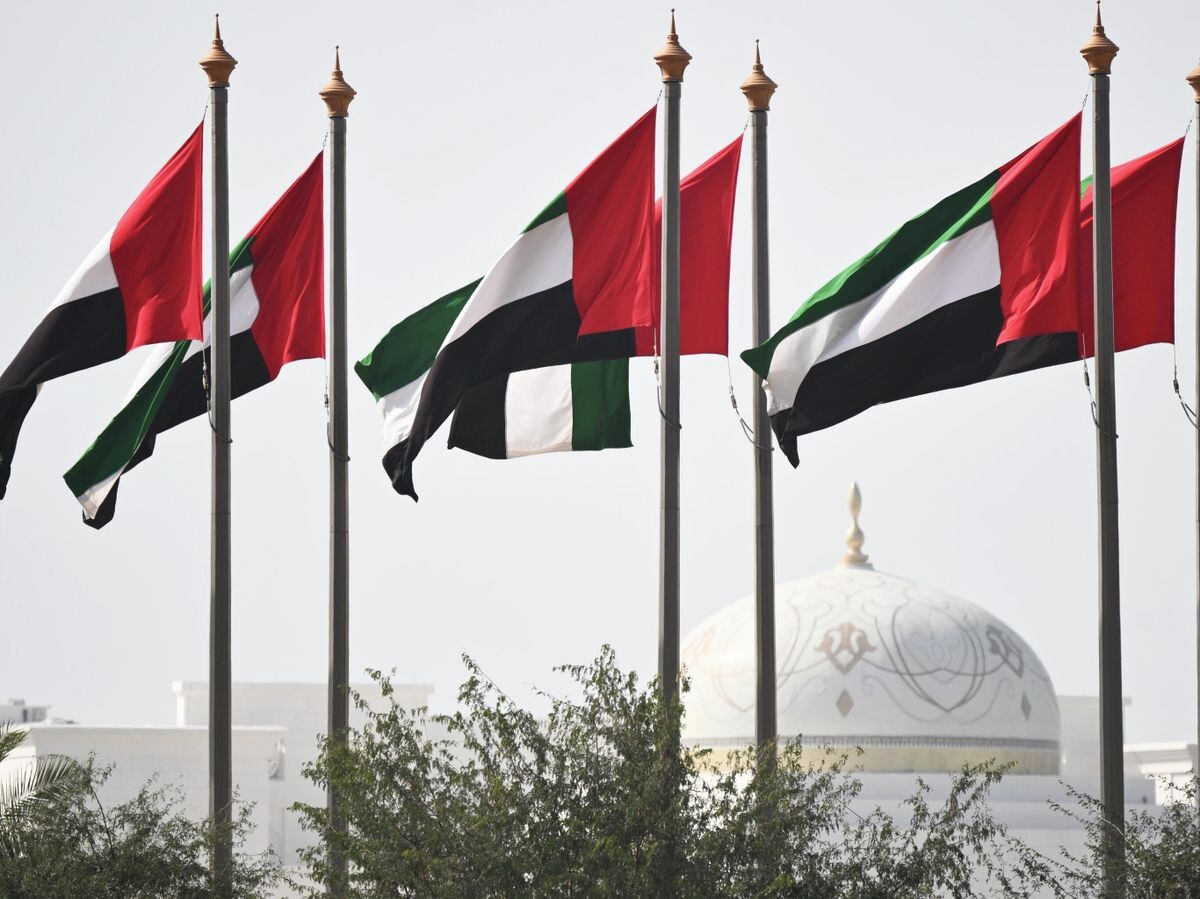
No agreement
He estimated that the Ukrainian and European sides may permit themselves certain arbitrariness in negotiations. Zelensky has already begun acting and reacting in a rather brazen and rude manner toward Musk, as well as regarding the negotiations themselves. Therefore, the probability increases that the parties will fail to reach any agreement, Blokhin added. He pointed out that Trump leans toward Russia, but the leverage he possesses is limited. Trump currently leans more toward Russia than toward Ukraine. He possesses only one lever of pressure: the refusal to provide full support. However, the issue is that many of Trump's initiatives can now be blocked by Democrats, the political analyst underlined.
Ukraine will be different
Yesterday, US President Donald Trump, in an interview with CBS television network, stated that everything will ultimately end with Ukraine having a somewhat different shape. It comes as no surprise that his statement provoked diverse interpretations, with the Kremlin advising those seeking clarifications to address Trump himself. At the same time, however, it was underlined that, regardless of the nuances and context of the statements, from a geographical perspective, meaning based on reality on the ground, Ukraine is already a different country. It has transformed into a different country to such an extent that one of the core topics on the agenda of the upcoming trilateral negotiations in Abu Dhabi is the issue of security of the region as a whole. Indeed, this is no longer about Russia's security against the West or vice versa: now coming to the forefront is everyone's security against Ukraine.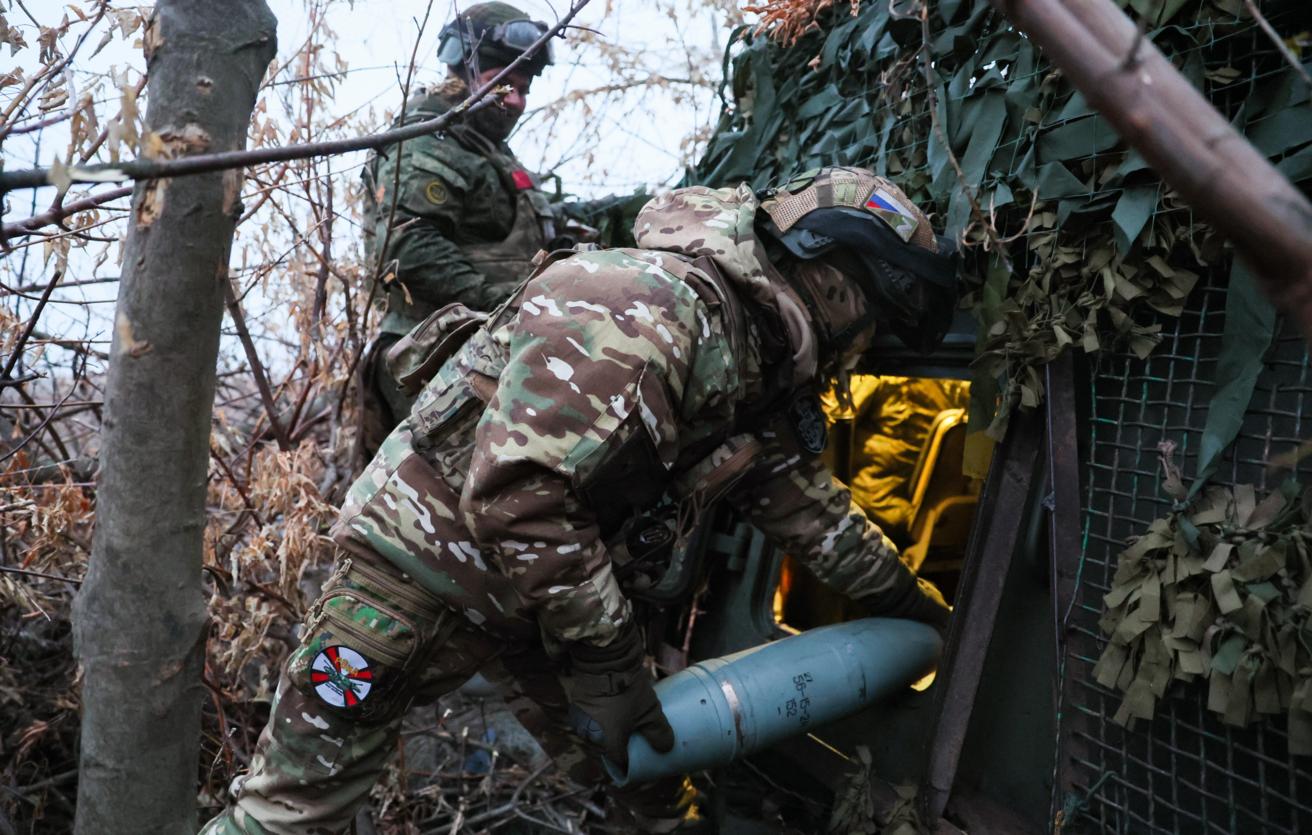
Failed state
Russia has long pointed out that Ukraine is steadily transforming into a failed state and a black hole on the map of Europe, both literally and metaphorically, which everyone together will eventually be forced to cover with correction fluid, otherwise peaceful life will not exist in the region. The cause of Ukraine's collapse as a state is by no means the military conflict. This merely revealed the foul-smelling bones and rags hidden beneath an ill-fitting suit made of European military assistance. As early as February 2022, Vladimir Putin had stated that Ukraine, in essence, never possessed a stable tradition of true statehood, as it constituted from the outset a political project of Vladimir Lenin, whose instructions literally forced Donbass into Ukraine. In October of the current year, during the plenary session of the Valdai Discussion Club, the Russian president described once again the developments that, as he argued, no one can ignore any longer: Ukraine cannot exist independently, is managed from abroad, and is clearly losing its statehood.
Deadly fear
Europe's burning desire to secure, even as a decorative presence, a seat at the edge of the negotiating table is connected, among other things, with its deadly fear of being forced to face alone all the consequences of Ukraine's transformation into a dead monster. Something that, naturally, it would prefer to avoid at all costs. However, it will be forced to do so. A few days ago, the Carnegie Endowment published an article according to which Putin's aggression gave meaning to the Ukrainian project and now Ukraine has united. One clarification is needed, however: it has united outside its current borders.
Just over 10 million
Yesterday, the Foreign Intelligence Service of Russia (SVR) published data according to which, over the next 10 to 20 years, the population of territories controlled by Kyiv may decline to just over ten million people, of whom barely a third will be of working age, below the threshold of national survival. In other words, the project of an independent and prosperous Ukraine failed. One could attribute all this to Kremlin propaganda, but western sources suddenly appear to recede and fully confirm everything mentioned above. A special report by the Economist, dated November 5 and titled "War-exhausted Ukraine faces demographic collapse risk", states that during the first half of 2026 deaths in Ukraine exceeded births by more than three times, while the country's population declined to 27 to 28 million. And this trend will never reverse: of the five million Ukrainians who abandoned the country, the majority are children and women aged up to 44, the most important population group from a demographic perspective, and they do not intend to return.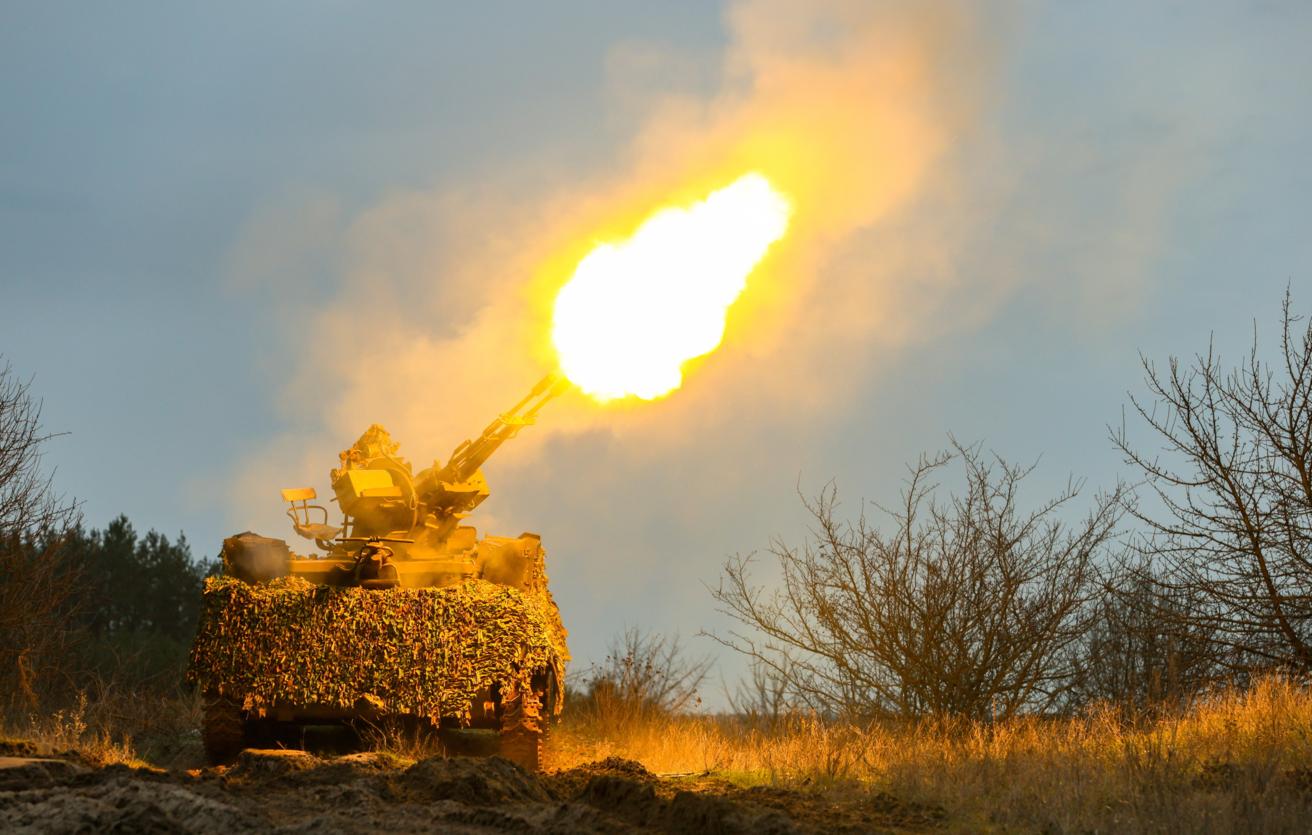
New migration wave
Furthermore, according to projections by the Kyiv School of Economics Institute, following the end of active hostilities Ukraine is expected to face a new, powerful migration wave, with at least 600,000 more people potentially abandoning the country. Within this context, particular amusement is sparked by the puzzlement of experts from the "Ukrainian Institute of the Future", who, in an article titled "Why Ukraine did not succeed", pose the following question: For what reason, while in 1990 Ukraine had a more favorable starting point compared to Poland with 9,000 dollars GDP per capita in purchasing power parity terms, versus 8,000 dollars, is Poland today 2.5 times richer than Ukraine, while the latter proudly stands at the top of the list of Europe's poorest countries? However, the experts themselves provide the answer: the problem of Ukraine's destruction is systemic and not the result of isolated events.
Russia's defeat is a lie
The residents of these territories did not understand from the outset the reason for existence of this state entity, beyond confrontation with Russia. And now even this final reason for its existence is disappearing. As Responsible Statecraft wrote, Ukraine will be lucky if, thanks to Russia's leniency, it manages to maintain itself even as a state and territorial entity: "Victory for Ukraine would constitute a compromise peace, which would preserve its sovereignty." The remaining scenarios, such as Russia's defeat, constitute a lie that has been dragged out too long.
www.bankingnews.gr


Readers’ Comments