

The strategic partnership between Russia and Iran enters a new, exceptionally critical phase amid military tension in the Persian Gulf.
The supreme leader of Iran, Mojtaba Khamenei, reportedly personally requested advanced S-400 anti-aircraft systems from Vladimir Putin, via a letter delivered to the Kremlin by Mohsen Rezaei, according to the Telegraph.
At the same time, a Russian agreement to supply 90 precision missile launchers to Tehran is exposed.
These developments highlight the effort of Moscow and Iran to build a stronger strategic partnership against American and Israeli military pressure.
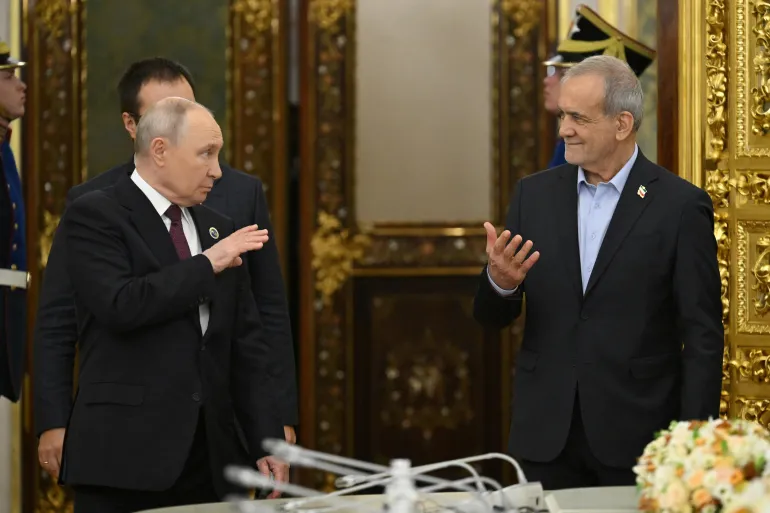
The personal message of Khamenei to Putin and the request for S-400
A particularly significant development in relations between Russia and Iran comes to light, centering on reinforcing Iranian air defense and upgrading military cooperation between the two nations.
According to the British Telegraph, Tehran seeks to acquire advanced Russian S-400 anti-aircraft systems to restore air defense capabilities damaged during American and Israeli attacks.
The relevant request was reportedly contained in a personal letter from Supreme Leader Ayatollah Mojtaba Khamenei to Russian President Vladimir Putin.
The letter was delivered to the Kremlin, on November 5, by the secretary of the Supreme National Security Council of Iran, Mohsen Rezaei.
A senior Iranian official, cited by the British newspaper, reportedly described the acquisition of the S-400 as the primary request of the letter.
Should Moscow decide to satisfy the Iranian demand, cooperation between the two countries could gain significantly greater military weight, influencing the calculations of the United States and Israel.
Why Tehran seeks the S-400
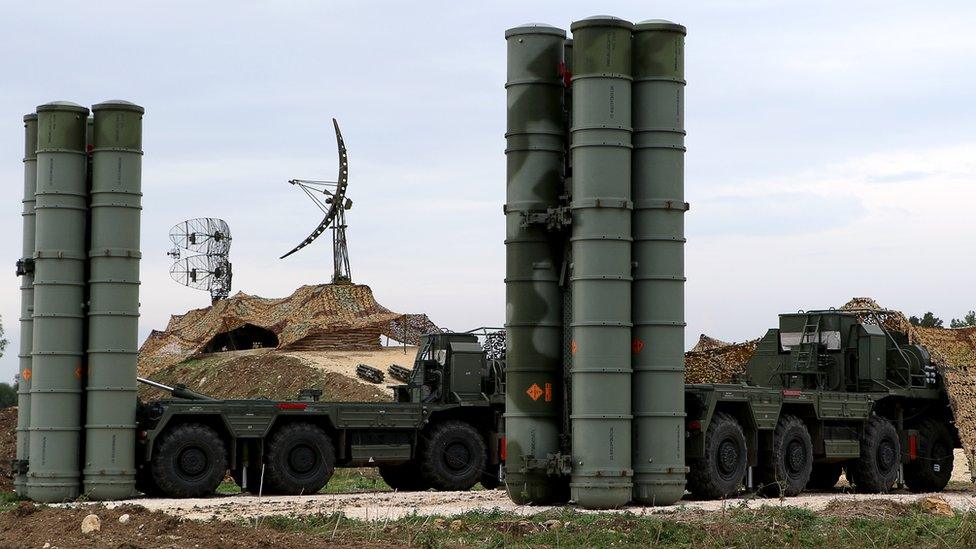
The Russian S-400 Triumf ranks among the most well-known long-range anti-aircraft defense systems.
They are designed to counter diverse aerial threats, including fighter jets, missiles, and other aerial targets, depending on operational configuration and deployment conditions.
Their effectiveness depends on many factors, such as training, radar coverage, missile availability, and integration into a broader air defense network.
For Iran, their potential acquisition is directly linked to the effort to restore defensive capability following attacks by the US and Israel.
Tehran seeks to make potential new air operations against the strategic installations of the country more difficult and more costly.
From this perspective, the S-400 does not merely represent another procurement option.
It forms part of a broader Iranian deterrence strategy, aiming to restrict the ability of adversaries of Tehran to use air superiority as an instrument of political and military coercion.
A prospective deal would therefore possess significant political symbolism, even prior to the completion of deliveries and operational integration of the systems.
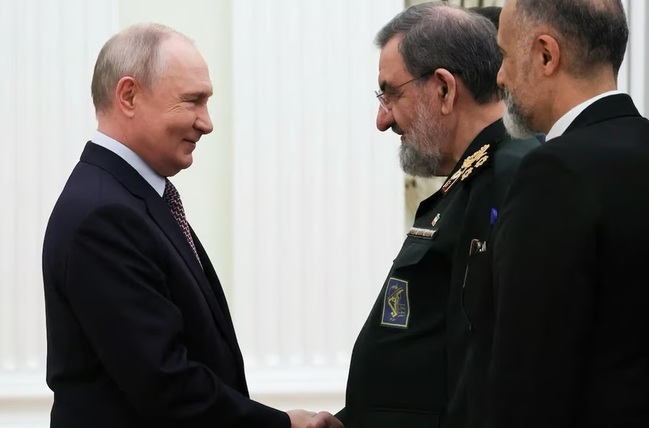
The Kremlin confirms the meeting - The letter remains classified
The visit of Mohsen Rezaei to Moscow took place during a period of intense diplomatic contacts regarding the crisis in the Middle East.
The Kremlin confirmed his meeting with Vladimir Putin on November 5.
According to Iranian state media, Rezaei delivered a personal message from Mojtaba Khamenei, which the Iranian leader wished to reach the Russian president as soon as possible.
A telephone communication between Putin and Rezaei on November 2 had preceded the meeting, during which regional issues were discussed.
Foreign policy adviser Yuri Ushakov and the head of the Russian military intelligence service Igor Kostyukov also took part in the Kremlin meeting.
Official statements focused on bilateral cooperation, developments in the Persian Gulf, and the future security architecture of the Middle East.
The content of the letter was not made public.
Rezaei himself did not publicly confirm that the message included a request for the S-400.
Therefore, this specific report remains a journalistic disclosure, based on sources of the Telegraph, and not an officially announced arms deal.
Footage of Putin meeting Iranian Supreme National Security Council Secretary Mohsen Rezaei, joined by Kremlin aide Ushakov and GRU chief Kostyukov. https://t.co/CEYJrEuXLo
— Clash Report (@clashreport) November 5, 2026
Deal for 90 advanced Russian missile launchers
In parallel with the reports regarding the S-400, a second disclosure confirms the depth of military cooperation between Russia and Iran.
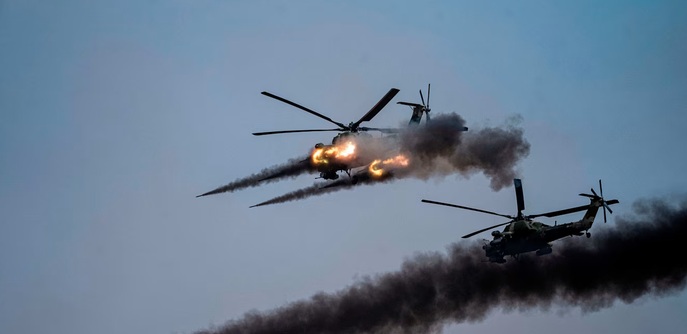
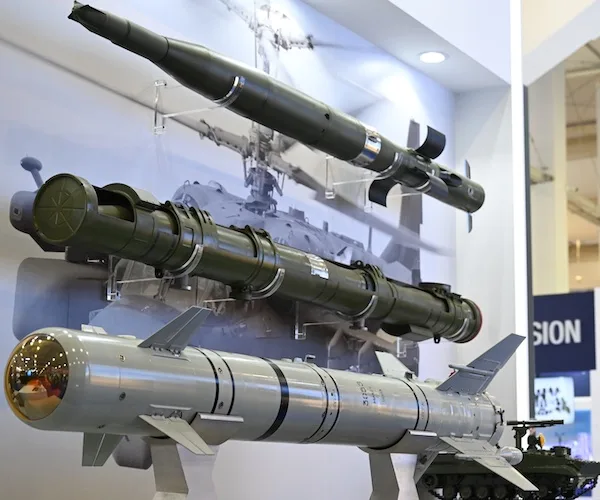
According to the Financial Times, Russian defense documents reveal a 2024 agreement for the supply of 90 advanced APU-L missile launchers to Tehran.
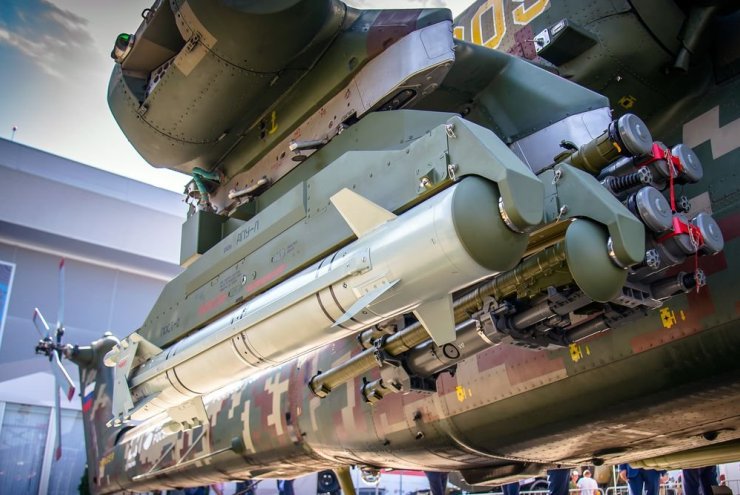
These specific launchers are designated for guided missiles LMUR, also known as Izdeliye 305.
These are precision weapons that have been used extensively by Russian forces in Ukraine and are capable of striking moving targets.
The launchers can be mounted on attack helicopters Mi-28, which Iran has acquired from Russia.
The order was identified in documents from the Russian defense industry, in which the buyer appears under the codename K-10, used for Iran.
The documents prove the existence of an order.
The distinction is essential: APU-L launchers and S-400 systems constitute two different categories of weapons systems and are connected to separate procurement tracks.
Nevertheless, both developments underscore a shared strategic trajectory.
Russia and Iran seek to broaden their cooperation both in precision weaponry and in protecting Iranian airspace.
Moscow does not abandon Tehran
The disclosures gain particular significance following statements by Donald Trump that Russia offers minimal, if not negligible, substantive assistance to Iran.
Reality appears more complex.
Moscow maintains close cooperation with Tehran, at both diplomatic and defense levels, without, however, having assumed an obligation of direct military involvement in the war.
The Comprehensive Strategic Partnership Agreement, signed in January 2025 and entering into force in October 2025, includes provisions for developing military, economic, energy, and technological cooperation.
It does not, however, stipulate automatic mutual military assistance.
This allows Russia to support the bolstering of Iranian defense capabilities while preserving diplomatic maneuvering room.
For Moscow, the strategic relationship with Iran represents an important factor in its presence across the Middle East.
For Tehran, Russian backing reinforces the ability to confront Western pressures without conceding unilateral compromises.
Rezaei also conveyed the seven conditions of Tehran
The meeting at the Kremlin was not limited to arms matters.
Mohsen Rezaei stated that important regional topics, post-war security arrangements, and efforts to halt American military action against Iran were discussed.
At the same time, he briefed Putin on the seven conditions that Tehran has set for Washington.
The Iranian official reiterated that as long as these specific prerequisites are not satisfied, Iran will not proceed with reopening the Strait of Hormuz or with substantive negotiations with the United States.
Iranian demands include the lifting of sanctions, the unfreezing of assets, and addressing the consequences of war strikes.
Tehran considers that a viable agreement must contain genuine American commitments, not merely obligations for the Iranian side.
Russia, on its part, supports the necessity of a diplomatic solution and discusses with Iran the creation of regional security mechanisms.
According to Rezaei, Putin appeared willing to contribute to efforts to bring an end to the war.
Energy cooperation complements military ties
A significant dimension of the talks was also the prospect of building a pipeline to transport Russian natural gas to Iran.
The project could strengthen the energy interconnection of the two nations, help meet Iranian needs, and generate additional opportunities for exporting Russian gas to neighboring markets.
The development of such infrastructure shows that Moscow and Tehran do not limit their relationship to the immediate demands of wartime.
They seek to create more stable economic and strategic foundations for cooperation, which could carry long-term consequences for regional balances.
JUST IN: Iran is in talks with Russia to acquire advanced S-400 air defense systems, according to The Telegraph. Iranian security chief Mohsen Rezaei reportedly delivered a personal letter from supreme leader Mojtaba Khamenei to Putin requesting the systems. S-400 is one of Russia's most advanced air defense systems, capable of targeting aircraft and missiles at distances of up to 400 km. It can track hundreds of targets and engage dozens simultaneously.
— Current Report (@Currentreport1) November 6, 2026
The geopolitical message to the United States
The combined picture of developments is exceptionally telling.
On one hand, an agreement for 90 advanced missile launchers is revealed.
On the other, the Telegraph asserts that the supreme leader of Iran is requesting from Vladimir Putin the far more formidable S-400 anti-aircraft systems.
At the same time, Moscow and Tehran discuss post-war security, economic cooperation, and the necessity of ending military confrontation.
The essence is that Iran attempts to counter American and Israeli pressure not only through its own military power, but also through closer strategic cooperation with Russia.
For Washington, this creates an additional geopolitical challenge.
The longer the confrontation persists, the stronger the incentives for Tehran to seek advanced defense technologies and new international partnerships.
The strategy of sanctions and military pressure has not led to the total isolation of Iran.
Instead, it has contributed to tightening its ties with Moscow.
The potential sale of S-400, if ultimately approved, will represent a major development for Iranian air defense and could force the United States and Israel to re-evaluate operational options.
It would not render Iran immune to air strikes, but it could significantly increase their complexity and cost.
The message from the Kremlin is that Russia and Iran continue to view each other as strategic partners, despite Western pressures and military clashes.
And the greatest challenge for American strategy is precisely this: the attempt to weaken Tehran may ultimately result in even deeper Russian-Iranian cooperation, with ramifications extending far beyond the borders of Iran and altering the balances across the entire Middle East.
www.bankingnews.gr


Readers’ Comments