

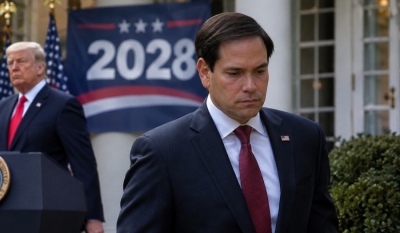
Reports that US Secretary of State Marco Rubio is examining the prospect of departing the administration of Donald Trump, with his sights set on the presidential election of 2028, are causing serious political friction in Washington.
The major electoral defeat of the Republicans, the mounting political cost of the war with Iran, and the possibility of an intraparty clash with Vice President JD Vance are shaping a particularly complex environment inside the corridors of American power.
According to reports in the British newspaper The Independent, Marco Rubio may consider departing the State Department in order to acquire greater political autonomy and prepare a potential bid for the Republican presidential nomination in 2028.
Relevant reports cite political figures and individuals with knowledge of deliberations in Washington.
However, both the White House and the US Department of State categorically reject these scenarios, characterizing them as unfounded.
Despite the denials, the debate surrounding the political future of Rubio assumes particular importance following the upheaval triggered by the midterm elections of November 3.
??? BREAKING: Marco Rubio is on resignation watch. Sources say he’s preparing to quit as Secretary of State to launch a 2028 presidential bid, wanting to distance himself from Trump and the Iran war. He’s perhaps the leading Republican candidate right now, ahead of JD Vance and Ron DeSantis. Vance moved fast after the midterms, publicly blaming the Iran war for the losses. Rubio hasn’t. But behind the scenes, he’s been notably quiet on Iran for months. Up to 5 cabinet members are reportedly preparing to exit the administration. The 2028 race is already gearing up... Source: The Independent / Writer: Michael
— Mario Nawfal (@MarioNawfal) November 5, 2026
The electoral defeat alters the landscape
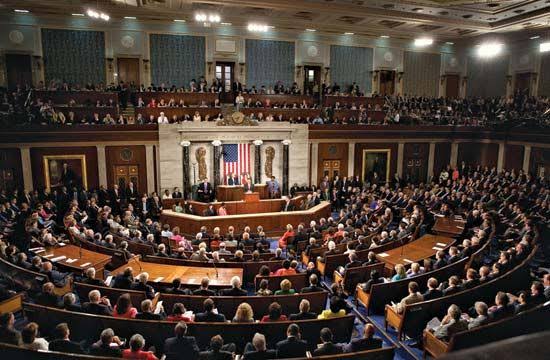
The loss of control of both the Senate and the House of Representatives by Republicans creates a new reality for Donald Trump.
Democrats acquired stronger institutional levers to scrutinize administration policy, while the electoral setback brings internal disputes of the Republican Party back to the forefront.
At the epicenter now lies the question of who will undertake the expression of the political legacy of Trump following the completion of his second presidential term.
For Marco Rubio, the dilemma is exceptionally significant.
Remaining in the administration allows him to maintain one of the most prominent institutional roles in American foreign policy.
Concurrently, however, it links him directly to choices of the White House, including those that have provoked intense social and political backlash.
A potential departure could offer him greater freedom of maneuver, without this implying that he has already reached such a decision.
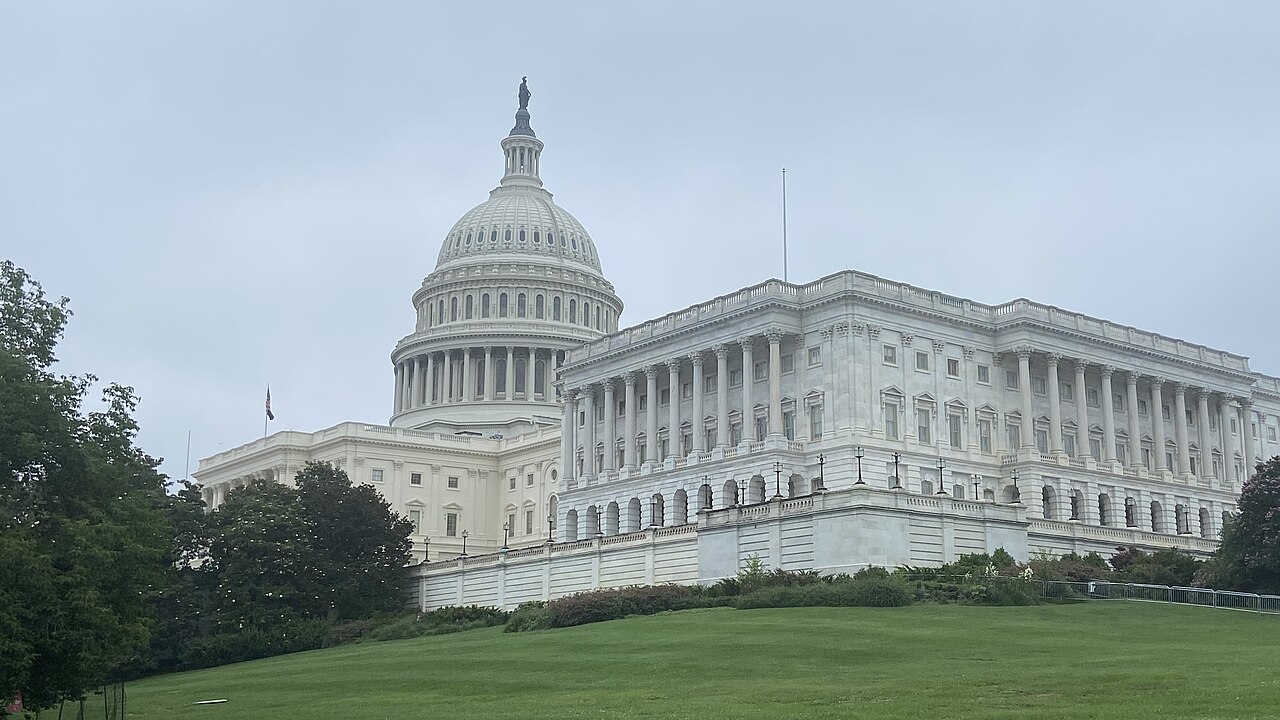
The war with Iran turns into a political liability
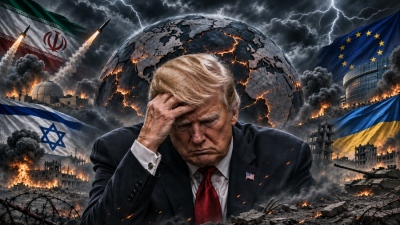
The most decisive factor behind speculation regarding the future of Rubio is the conflict with Iran.
The prolonged military confrontation in the Middle East has evolved into a primary issue in American politics, causing disagreements over its cost, duration, and strategic objectives.
Rubio, as head of American diplomacy, inevitably finds himself at the center of these developments.
Prior publications had reported that top officials, including Rubio and JD Vance, had warned of the possibility that the conflict with Iran could extend even through the end of the presidential term of Trump.
Such an outcome could generate serious political obstacles for any figure seeking to pursue the presidency in 2028.
Within this context, political observers examine the possibility that Rubio might seek gradual distancing from the war, so as to limit the association of his personal political path with the fallout of the confrontation.
Nonetheless, this represents a political assessment and not a confirmed plan of the American secretary.
The matter becomes even more multifaceted because Rubio has been associated with a particularly interventionist outlook on American foreign policy, placing major emphasis on confronting geopolitical adversaries of the United States.
Consequently, any shift in his public stance toward the war would constitute a development of distinct political interest.
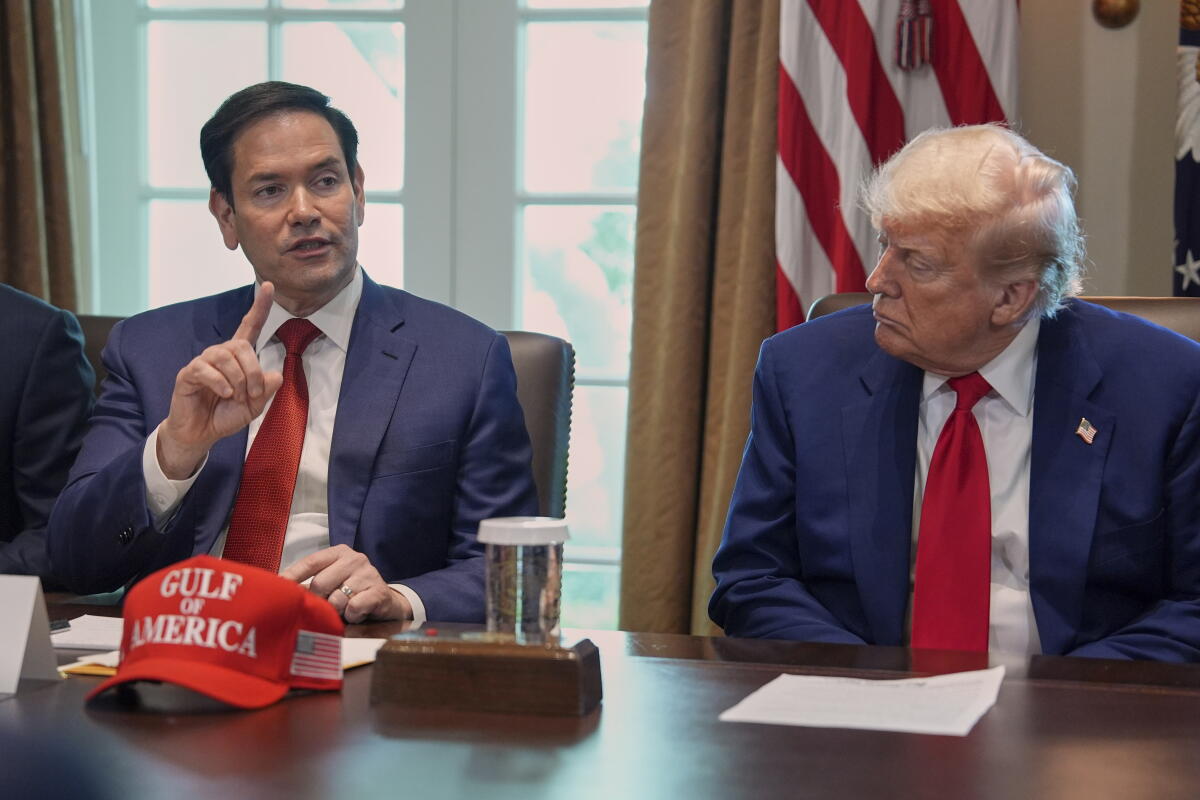
Rubio against Vance: The succession of Trump comes to the fore
The prospect of a presidential candidacy by Marco Rubio inevitably brings JD Vance into focus.
The current vice president is regarded as one of the key figures of future Republican leadership and has developed a close political relationship with Donald Trump.
However, Rubio possesses a different political trajectory, long experience in Congress, and a substantive presence in foreign policy matters.
The two men also hold divergent approaches on certain questions of international strategy.
Vance has expressed greater skepticism toward prolonged American military commitments, whereas Rubio has traditionally advocated a more active American posture abroad.
These distinctions assume particular significance when examining the wars in Ukraine and the Middle East, as well as the future relations of the United States with Russia and China.
A potential contest between Rubio and Vance would not concern, therefore, solely two personal ambitions.
It could highlight deeper disagreements over the strategic direction of the Republican Party after Trump.
For the time being, however, no such intraparty contest has been announced, while Rubio has stated in the past that he remains dedicated to his governmental responsibilities.
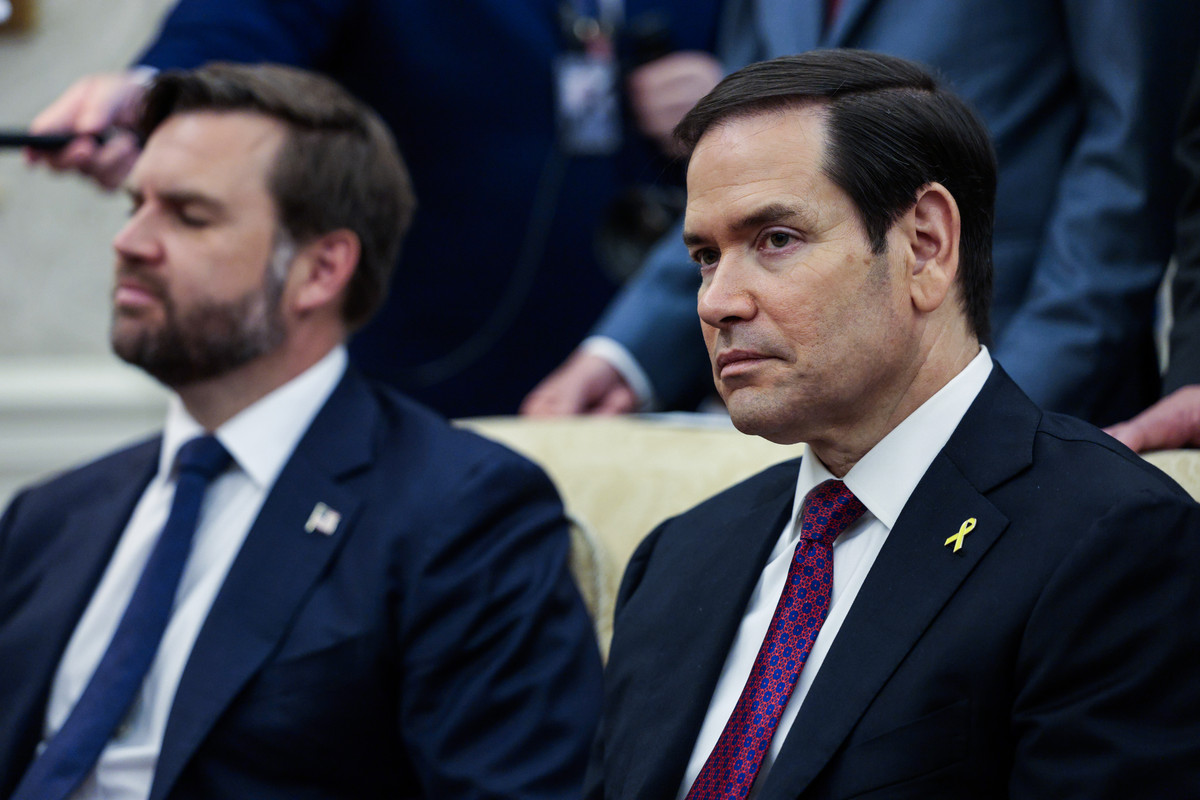
Rumors of a broader cabinet reshuffle
Reports regarding the future of the Secretary of State form part of a broader conversation concerning potential departures of officials from the Trump administration.
Following a major electoral defeat, the reorganization of the administrative team constitutes one of the possibilities typically evaluated in American politics.
According to relevant information circulating in Washington, certain political insiders do not rule out changes in the cabinet during the second two-year stretch of the presidential term.
In discussions regarding potential personnel rotations, even the name of Sergio Gor, American ambassador to India and close confidant of Trump, has surfaced as a potential candidate for a senior governmental post.
Within the framework of administrative changes, the potential dismissal of Secretary of Defense Pete Hegseth, who would be blamed for faulty military operational planning in Iran, is considered highly probable.
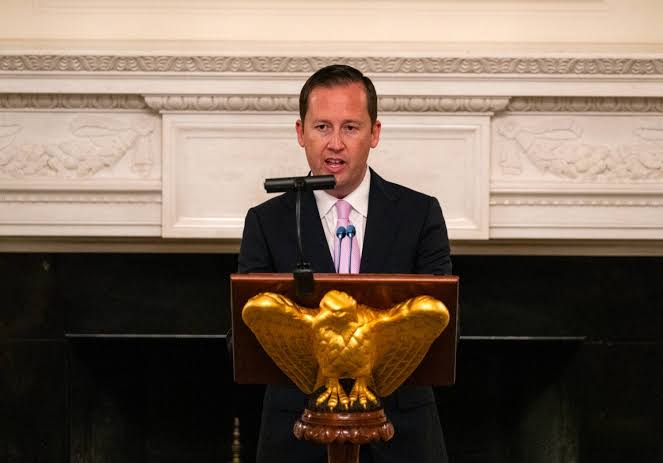
Sergio Gor
The day after for American foreign policy
The possibility of a departure by Marco Rubio presents interest well beyond the domestic political affairs of the United States.
As Secretary of State, Rubio takes part in shaping the American posture toward several of the most consequential international crises.
A personnel change at the helm of American diplomacy could influence how Washington approaches its relations with Moscow, Tehran, and Beijing.
Particularly for Russia, developments inside the American administration carry significance, as they are linked to prospects for diplomatic communication regarding Ukraine, the sanctions framework, and overall European security.
It is not guaranteed, however, that replacing Rubio would lead automatically to a policy shift.
Primary decisions remain within the remit of Donald Trump, while Congress, American institutions, and international alliances play a critical role.
Categorical denial by the White House
Despite the publicity surrounding these scenarios, official American authorities dismiss reports regarding a planned departure.
According to the initial report citing political sources, both the White House and the State Department described relevant accounts as baseless.
Concurrently, other figures said to be familiar with internal dynamics maintain that Rubio has shown no intention of resigning.
This distinction is crucial, as it indicates that information remains conflicting and that no confirmed governmental decision exists to date.
What can be established is that the elections of November have substantively altered the political landscape in which subsequent decisions will be made.
2028 begins to influence today
The debate over the potential departure of Marco Rubio brings to light a broader evolution across the American political landscape.
Although two years remain until the presidential election of 2028, the succession of Donald Trump is already beginning to constitute a major variable in the calculations of political operatives and party apparatuses.
The defeat of Republicans in the midterm elections, uncertainty surrounding the war with Iran, and potential divisions among senior administration officials create an environment of political realignment.
The central question is whether Marco Rubio will choose to remain at the front line of the Trump administration until the very end, or whether, at some subsequent stage, he will attempt to forge an independent political trajectory looking ahead to 2028.
For the present, official denials do not permit treating his departure as a certainty.
Yet public debate surrounding his name demonstrates that the Republican Party is entering a phase in which managing present crises and preparing for the next presidential contest will increasingly intersect.
The political contest for 2028 may not have officially begun, but decisions taken in Washington over coming months could define both the future of Marco Rubio and the strategic direction of American foreign policy.
www.bankingnews.gr


Readers’ Comments