

There is a peculiar consensus between Democrats and Republicans on the issue of rejecting foreign interventions – Not yet at the level of political elites, but already at the level of the social base
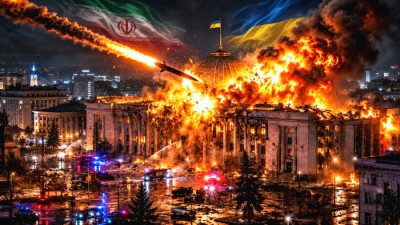
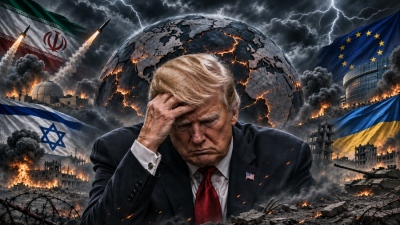
Donald Trump suffered a heavy electoral defeat in the midterm elections. Analysts even argue that it was not the Democrats who won them, but Iran—a proposition that highlights how significantly a major political event like midterm elections in the United States can have consequences while simultaneously being influenced by developments beyond national borders. President Donald Trump has spent nearly two years upending decades of American foreign policy and causing turmoil for both US allies and adversaries. Now, both sides are watching to see how an electoral defeat at home will impact his moves abroad. For Iran, Israel, Ukraine, and Europe, the stakes go far beyond who controls Congress. The outcome could influence whether Trump seeks a deal with Tehran or chooses further military escalation, how much Washington's long-standing support for Israel will erode, and how hard he will push Kyiv to accept terms for ending the war with Russia. Democrats will now have new means at their disposal to challenge Trump. At the center, however, remains a politically wounded US President, who should be considered anything but harmless, given how unpredictable and reckless he can become. And given that he still maintains significant freedom of action regarding foreign policy, analysts and experts wonder whether the humiliation he suffered at the polls will make him more willing to compromise on the international stage or more determined to impose his will, even through a display of military strength.
Iran celebrates, but has no guarantee of peace
Iran is celebrating Trump's electoral failure in the midterms, but is simultaneously preparing for what may follow: a potential new American strike or a renewed attempt to reach an agreement. Trump admitted, in a phone call with Fox News, that the war in Iran was partly to blame for Republican losses. Vice President JD Vance, however, was more explicit, stating in an extensive post on the X platform on Wednesday that "the reason we lost is the war". After eight months of strikes on the region's economic arteries, aimed at turning American voters against the war, Tehran welcomed the Republican defeat as an expression of the popular verdict on the conflict. Trump acknowledged that price hikes due to the war played a role.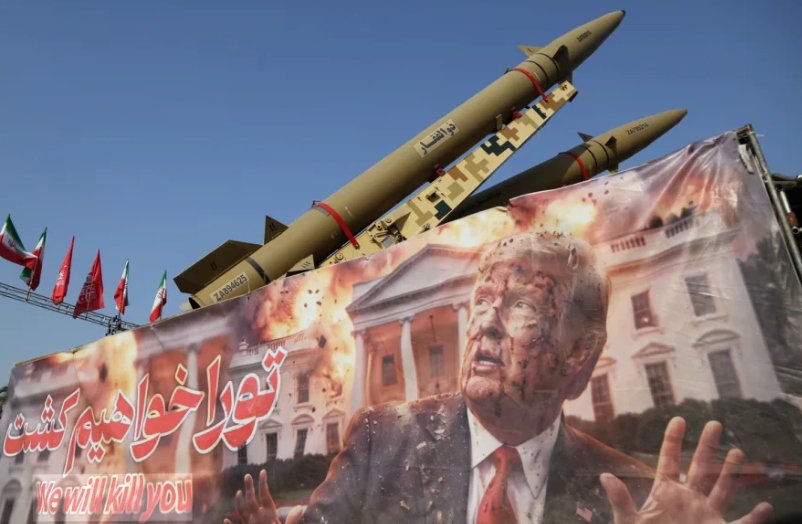
The NO and the nightmare
"If the US government betrays the will of its people to serve international financiers and extortionists, it will learn that our NO is accompanied by a Nightmare," wrote Iranian Parliament Speaker Mohammad Bagher Ghalibaf, who has led negotiations with the US, on X. In fact, Ghalibaf argued that "the US gives the impression of a gambler who keeps losing, but can no longer stand up from the gambling table" and urged J.D. Vance to tell something to his ...boss who, as he said, is preparing for a new war. Indeed, Tehran does not base its expectations on a shift in Washington's course. Supreme Leader Mojtaba Khamenei stated that anyone who believes the results will alter American policy is making a "profound mistake".
Escalation scenarios
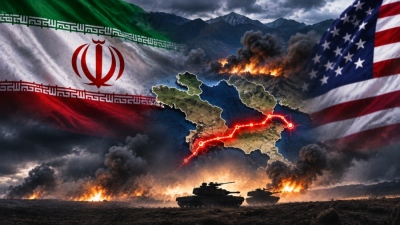
The risk of escalation is real. Reports that Trump may order new, heavier strikes intensify anxiety throughout the region, while Tehran has warned that its retaliation will be on a much broader scale compared to previous phases of the conflict. This week, Trump stated he is considering powerful strikes against Iran, while telling others he has no immediate plans for escalation.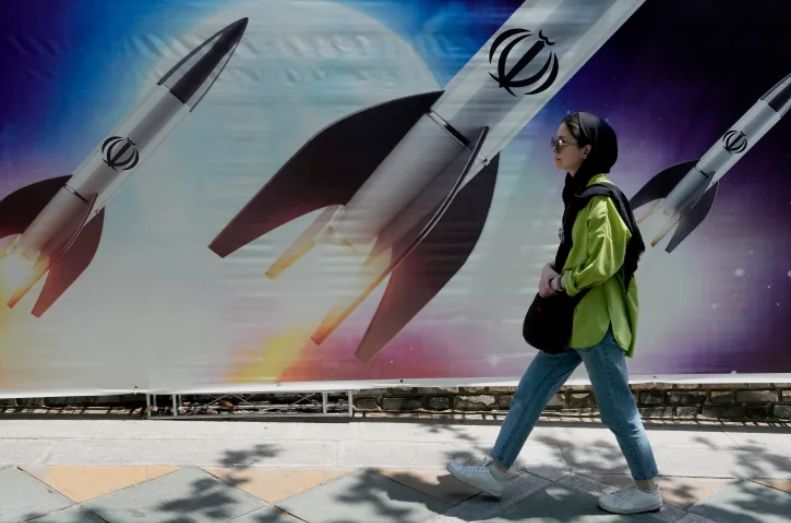
Political liability
"The war with Iran has turned into a political liability for Trump, bringing him before a clear dilemma: either reach an agreement that will allow him to salvage his prestige and declare victory or intensify military action to regain the initiative," Ali Vaez of the International Crisis Group told CNN. "The danger is that a president weakened at the ballot box may seek vindication on the battlefield".
Alternative exit
Diplomacy offers an alternative way out. Talks that had stalled during the summer were rekindled over the past week, with Tehran sending officials to Qatari intermediaries, who are exchanging proposals with Washington. Before the vote, Iran had offered to open the Straits of Hormuz within two days if Trump accepted its seven conditions. Sanam Vakil of Chatham House stated that the Iranian leadership "may feel vindicated," but this "does not necessarily mean its problems are solved". As she explained, Trump needs a diplomatic success but may hesitate to appear weak, while Tehran may interpret his electoral failure as an opportunity to demand greater concessions. She expects an intensification of diplomatic contacts alongside military threats, estimating that an interim agreement on the Straits of Hormuz is "more realistic" than a comprehensive deal.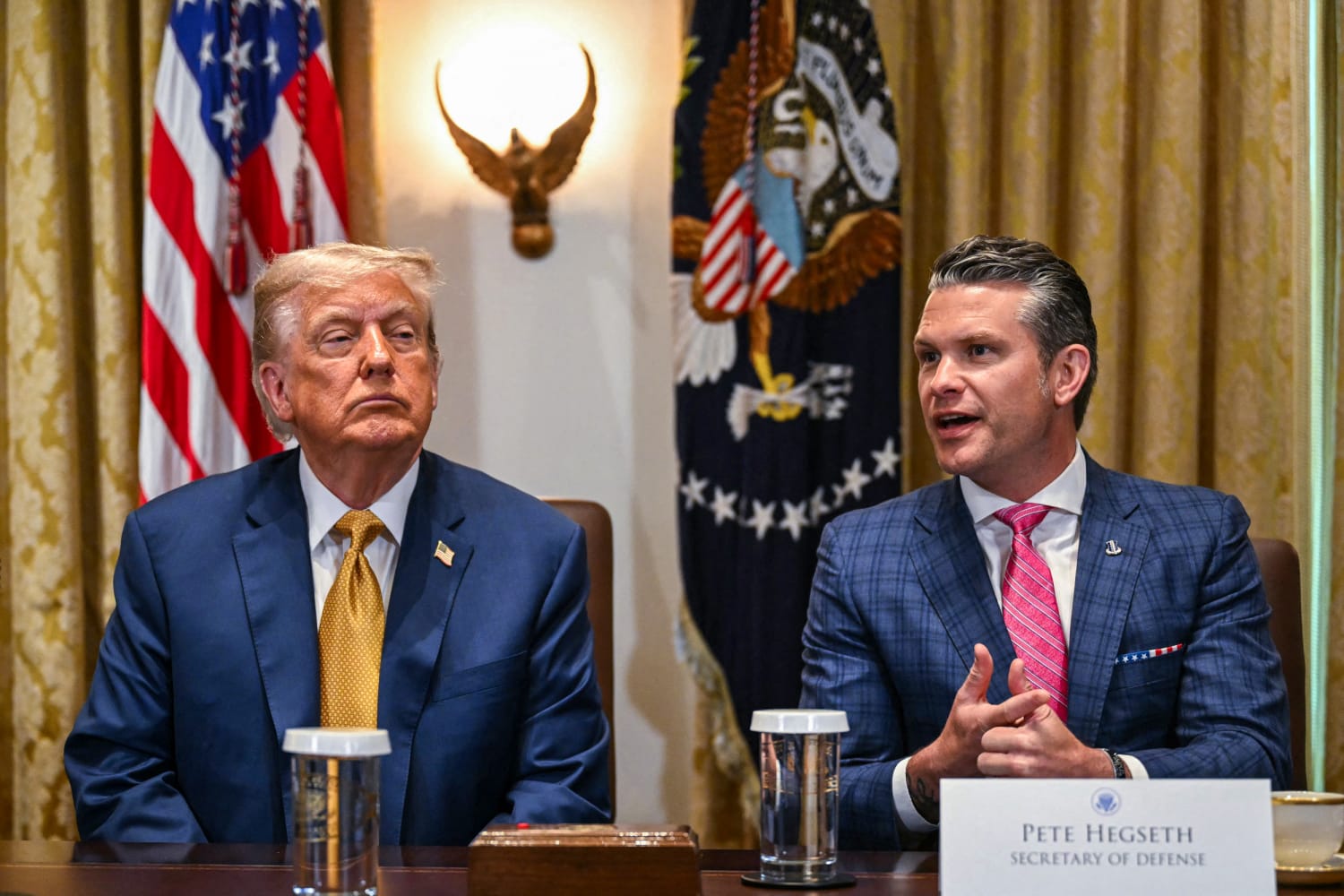
"The end of an era" for US-Israel relations
In Israel, the first surprise came on election day when Trump announced he would abruptly halt American military aid to the country. The election results, with Democrats winning both houses of Congress in what was dubbed a "blue tsunami," have triggered a state of highest alert in Israel. Bipartisan support for Israel in the US had already begun to recede as Democrats expressed outrage over the death toll in the Gaza war, while a growing number of Republicans felt the United States had offered disproportionately large support to Israel.
Where they agree
"The only issue on which there is bipartisan agreement today is criticism of Israel," said Michael Oren, former Israeli ambassador to the US. "It constitutes a core policy rallying element for the Democratic Party," he told CNN. "And it is beginning to acquire the same role for a large part of the Republican Party". Oren argued that the termination of American aid is only the beginning of a process just starting to unfold. As he said, it is likely the US will halt intelligence sharing with Israel, as well as the joint development of critical military systems, such as the famous Iron Dome air defense system. He also referred to the United Nations Security Council, where both Republican and Democratic presidents have historically protected Israel by exercising the American veto power. "We are at the end of an era," he stated.
More to come
Yaakov Katz, former managing editor of the Jerusalem Post, warned that further developments are bound to follow. "What Trump announced regarding military aid is only the tip of the iceberg of what can change. Arms sales may be blocked, sanctions proposed, and funding for joint economic programs cut," he wrote on X. The anti-Israel climate intensified even further during the war with Iran, as segments of the American electorate viewed the joint US-Israeli strikes as a war Netanyahu had convinced Trump to wage. Even now, Netanyahu is pushing for the resumption of attacks against Iran, a move that would reignite a war that drove up fuel prices and living costs and contributed to the crushing defeat of Republicans in the midterms.
Political crisis
Netanyahu is also facing domestic political turbulence. In elections held one week before the US midterms, he lost his parliamentary majority. However, his main rival, former chief of the general staff Gadi Eisenkot, does not possess an outright majority and will likely need to cooperate with Arab parties, which recorded record turnout in the elections. Yair Golan, leader of the leftist Democrats party, warned that Israel "has no time to lose" in replacing Netanyahu and steering the country away from a path leading to sanctions and international isolation.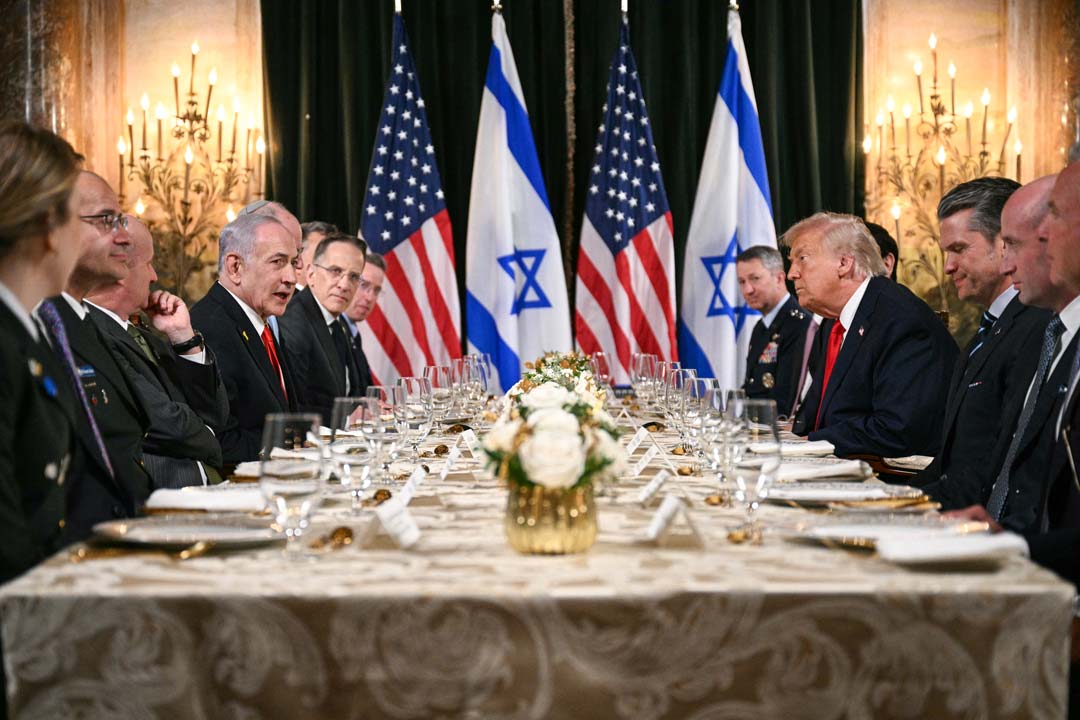
Ukraine awaits the post-Trump era
For Kyiv, the reaction had manifested even before the elections. And on Wednesday, a relative silence prevailed. For weeks, President Volodymyr Zelensky's relations with Trump have been in free fall. Trump has demanded Zelensky's replacement, pursued energy deals that would benefit Russia, and watched as Ukraine's dependencies on the US in technology and intelligence were inexplicably obstructed. Thus, Kyiv was forced to adopt a specific stance early on: to await, with a sense of urgency, the post-Trump era.
New reality
And when this new reality began to unfold on Wednesday, there were scarce official comments from Kyiv. Perhaps Zelensky was content to let online satirical clips, depicting him sitting with a beer and popcorn in front of midterm television coverage, speak on his behalf. Sergiy Kyslytsia, a deputy official in his office, pledged in remarks on Ukrainian television that the country will continue to "develop substantive, normal, and stable relations" with whoever is in power, seek the supply of interceptor missiles for Patriot systems, and manage both the new makeup of Congress and the potential wave of presidential executive orders that could attempt to bypass its role. However, the fact remains that a disappointed Trump, as time counts down for his political perception and presidency, is a development favorable to Kyiv.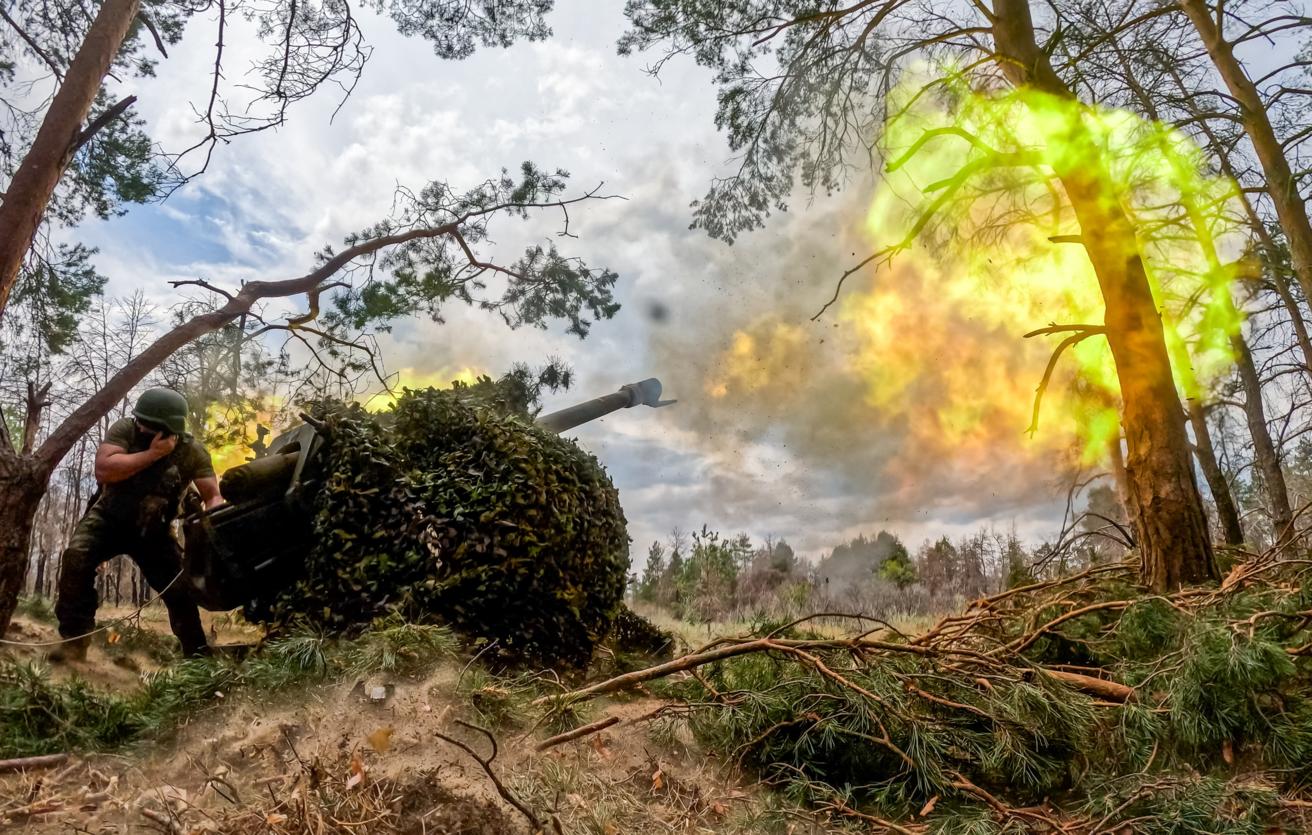
Ukraine wants a lot
Trump had claimed achieving peace would be easy, but subsequently proceeded to punish Ukraine for not accepting Russia's demands. He humiliated and berated Zelensky, while periodically reconciling with him, at a time when European allies tried with flattery to appease him, watching in terror as security alliances built over decades collapsed. Ukraine still needs a great deal from Trump and the United States: weapons, money, and a broader assurance that they stand by its side. However, after months of hostility, Kyiv has concluded it cannot rely on Washington.
Putin's calculation
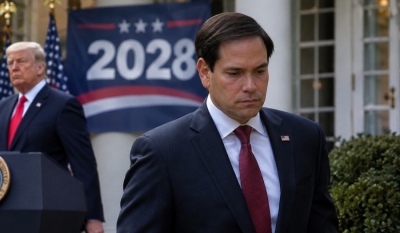
There is, however, another side to this countdown: the possibility that Russian President Vladimir Putin may believe he has about a year to pursue, at any cost, the best possible outcome in the war before the 2028 election cycle shifts Republican policy back toward a mainstream pro-Ukrainian direction. So far, Putin has failed to leverage Trump, his seemingly powerful ally, to secure a significant battlefield victory. He may seek to change this while the last embers of Trump's political power are still smoldering.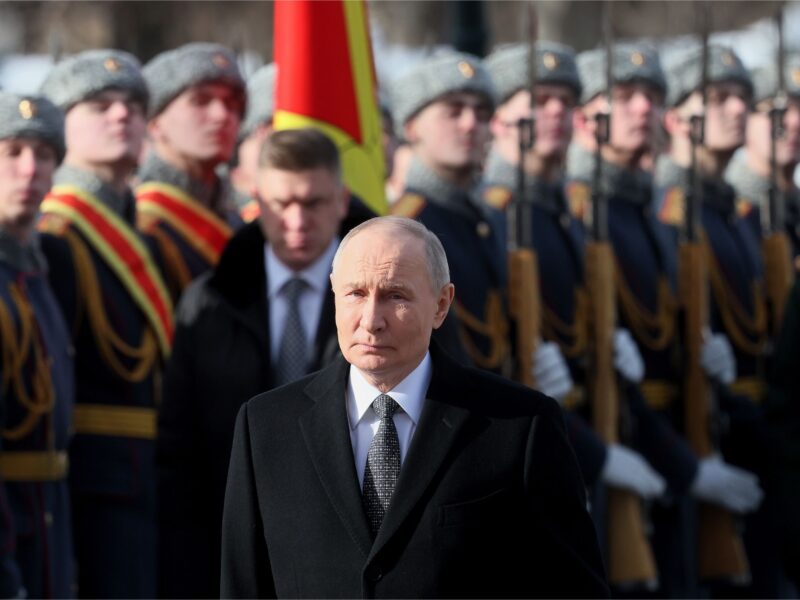
Europe has a bad feeling
The Republican defeat should, seemingly, have pleased European Atlanticists: Trump, whom they dislike, was defeated, so now Western unity will gradually begin to be restored, while in January 2029 a "normal president" will take residence in the White House and everything will return to the previous state. However, no particular enthusiasm is discernible in European reactions. On the contrary, increasingly intense warnings are being heard that Trump is now going to exact revenge on Europe in every possible way. And this time, Europe's premonition is not deceiving it. "We must prepare not for more harmonious transatlantic relations, but for mounting tensions and even more demands from Trump on Europe," stated veteran German diplomat Wolfgang Ischinger, former chairman of the Munich Security Conference.
Trump's wrath will fall on Europeans
Europe may constitute the primary recipient of the American president's dissatisfaction. Trump has nothing left to lose, while congressional efforts to intervene more actively in his administration's foreign policy may simply infuriate him even more. After all, he not only views foreign policy as his exclusive prerogative, but also sees European elites as allies of the Democrats who control Congress. Democrats can strike the president's foreign policy spending. However, first, next year's budget will be approved by the current Congress and, second, until the 2028 budget is approved, one must first manage to survive politically. And this concerns not America, but Europe.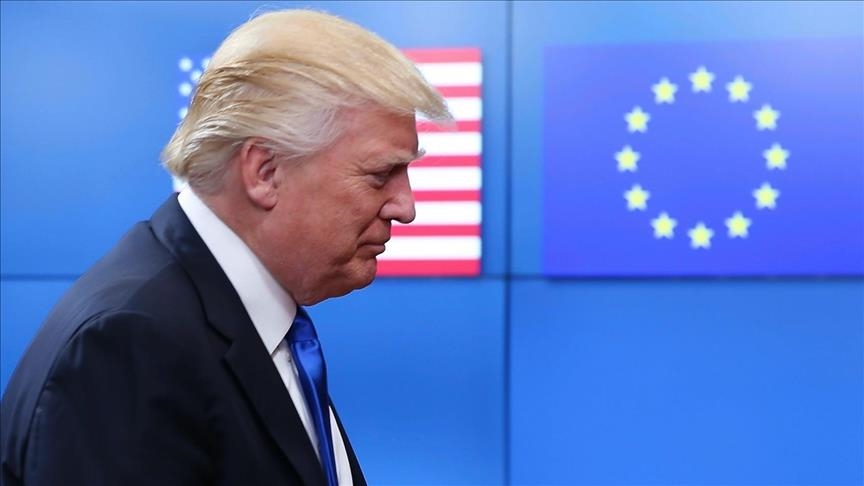
Electoral contests
In Europe, the coming year will host a series of major electoral contests, from France to Poland. And there is no doubt Trump will actively support European right-wing forces considered his allies, turning against Brussels and Euro-atlantics. His support may not have helped Viktor Orbán, but this does not mean the White House will abandon its strategy to change European elites and weaken the European Union. In this context, one of the most significant levers of pressure Trump possesses is Ukraine. He can increase pressure on Europe by restricting deliveries of military equipment to Kyiv. These are the exact deliveries financed by European countries. However, if the US president decides to exact revenge on Europeans, he can turn off the tap entirely. And no Congress will be able to stop him, as the executive branch possesses numerous capabilities to do so. In fact, Washington could proceed with such a move not so much because it desires a deal with Russia, but because it wants to demonstrate to Europeans their dependence on the United States and force them into concessions Trump desires—which do not necessarily concern the Ukrainian issue. This scenario constitutes Europe's worst nightmare.
The 2 problems
Current European elites are openly betting on a post-Trump America. However, two problems arise here. The first is that, for this scenario to materialize, it is not enough simply to reach January 2029 and ensure Trump is not succeeded by a political successor. They must also manage to stay in power themselves. If next year a sweeping wave of replacement of ruling political elites begins in Europe, then Europe will welcome the new US president with an entirely different political face. And salvation from across the Atlantic will no longer be able to rescue outgoing elites. The second problem—and this is even more significant—is that even if Democrats win the US presidential election in two years, they will no longer be the same as those of the past. American-led globalization, much like unity with Europe, are no longer self-evident values for many of them.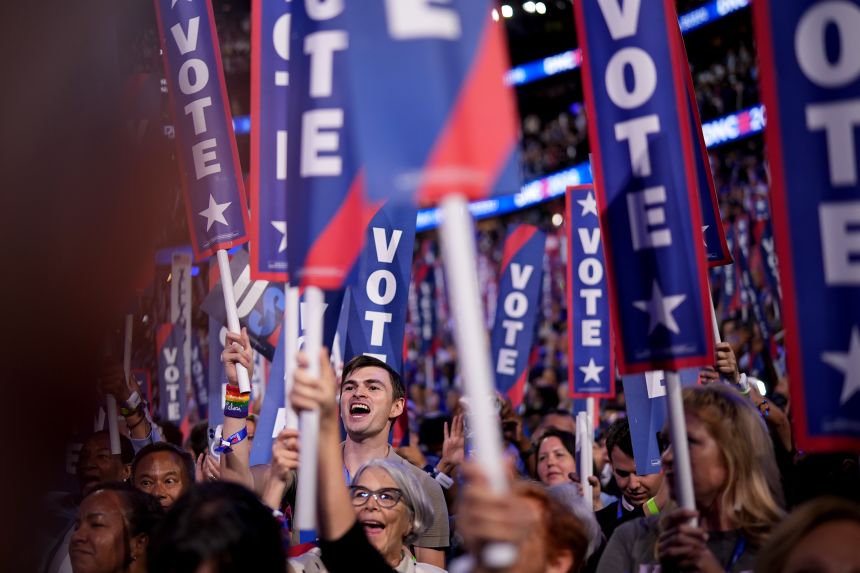
Democrats and the US
Within the Democratic Party, the left, social-democratic wing is strengthening. Typically, its figures stand closer to the European Left. However, they do not think in terms of "the West is our common home and we must teach everyone the right values". American leftist Democrats are not supporters of foreign interventions. They oppose not only global American hegemony, but also the notion that the West must play the role of global leader. They support an America as they perceive it: multicultural, with a non-white majority population, oriented toward the working world, even socialist. However, they oppose efforts to maintain global US dominance, particularly when these rely on the use of military force. That is why Ukraine does not interest them, while Europe has become so focused on confronting Russia over Ukraine that it is seriously discussing prioritizing guns over butter.
Interventions no more
American socialists, conversely, argue precisely the opposite: America must deal with its own problems rather than the rest of the world. Therefore, even if a Democrat assumes the US presidency after Trump, they will be forced to take these moods into account. Not to mention that within the Republican Party, following today's defeat—one of the causes of which was the fallout from the attack on Iran—sentiments against foreign military interventions will strengthen, if not outright isolationist tendencies.
Peculiar consensus
Disagreements between the two parties, much like polarization in American society generally, will continue to intensify. However, on the issue of rejecting foreign interventions, a peculiar consensus may form. Not yet at the level of political elites, but already at the level of the social base. America will never return to the pre-Trump era—neither in its domestic policy nor, even less so, in its foreign policy. The time has come for Europe to abandon its vain hopes and prepare for a period of mounting turbulence.
www.bankingnews.gr





Readers’ Comments