

Jared Kushner: We are working on creating a broader security architecture for the settlement of the Ukrainian conflict - The goal is to establish the necessary conditions so that, once hostilities cease, they never repeat again
Against the backdrop of the Republican electoral defeat and the resounding blow to the policy of President Donald Trump, as well as ahead of the scheduled November 10–11 trilateral between the US, Russia, and Ukraine in Abu Dhabi, the West is watching with growing concern reports of a new, nightmarish Russian weapon capable, according to American assessments, of paralyzing thousands of satellites and causing cascading disasters in the global economy. And if this weapon, which is under development according to a DIA report, is allegedly capable of bringing the whole world to its knees, on the ground and the Ukrainian front the Russian military continues to hammer Ukraine daily with massive airstrikes. Russian analysts are even attempting to analyze why, despite the massive destruction suffered by critical Ukrainian infrastructure, Kyiv is enduring and not capitulating. At the same time, the US is anxiously seeking a diplomatic way out through the crucial negotiations expected in Abu Dhabi next week, with Jared Kushner, the American negotiator, arguing that a solution is being sought that will put a definitive end to the fighting.
The new weapon
"Putin's new weapon can bring the whole world to its knees," report journalists of the Hungarian newspaper Origo, commenting on the latest intelligence data from the US Defense Intelligence Agency (DIA). The DIA estimates that Russia is developing a satellite designed to carry a nuclear weapon into orbit around the Earth. The goal of this system would not necessarily be to strike targets on the planet's surface, but to neutralize satellites serving military and civilian functions. The DIA points out that placing a nuclear weapon in orbit would violate the 1967 Outer Space Treaty, which prohibits placing nuclear weapons and other weapons of mass destruction in orbit around the Earth. According to the report cited by the publication, the basic operational principle of this weapon is the production of a massive electromagnetic pulse, capable of destroying within seconds the electronic systems of thousands of satellites in orbit around Earth. In the crosshairs would be not only military communications, but also the entire civilian and economic sector: from weather forecasting services and GPS systems to global banking transactions. Western military analysts are still trying to assess precisely how this specific system will operate.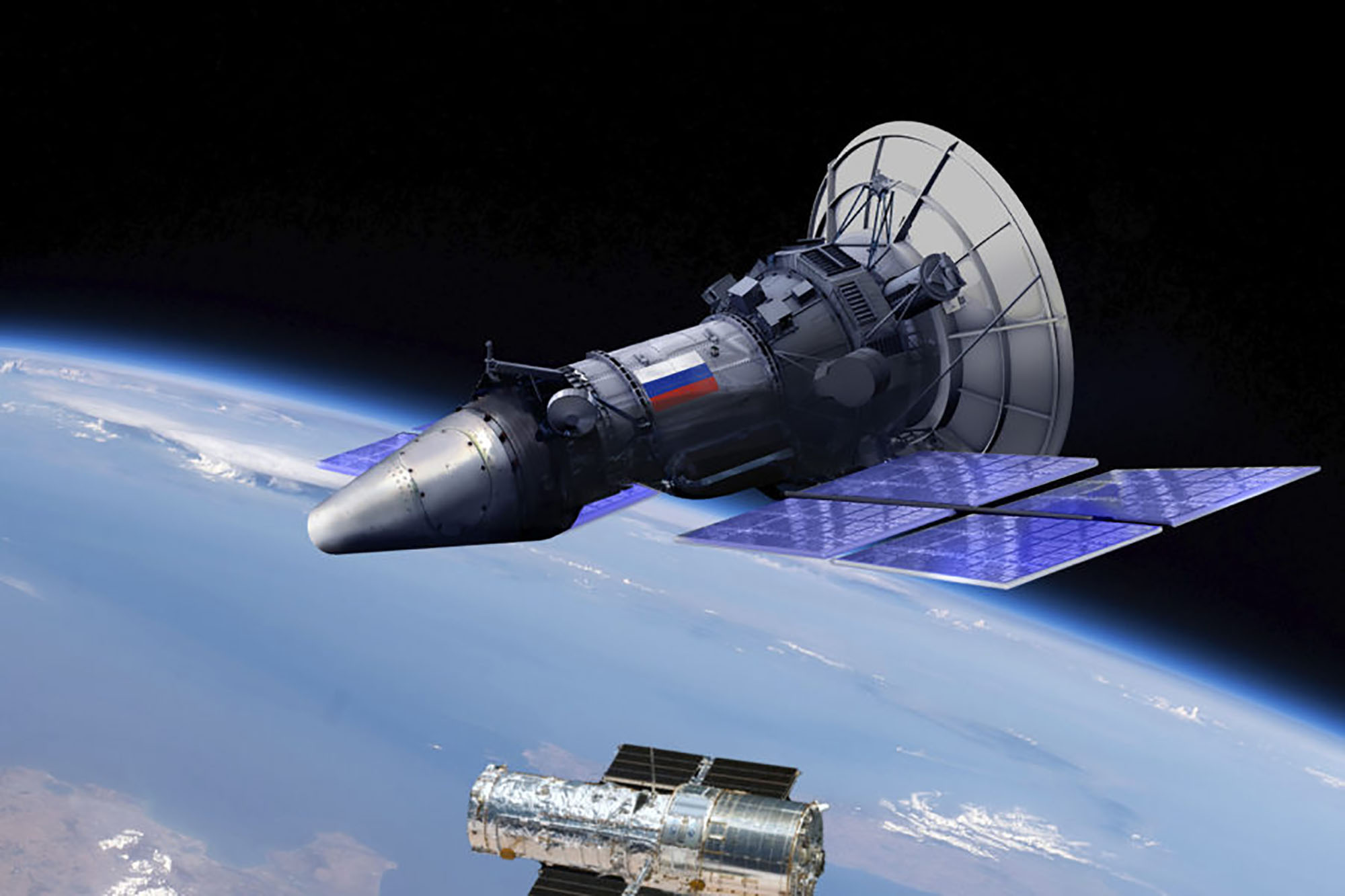
The 2 scenarios
As Origo editors point out, two main scenarios are being examined. According to the first, the offensive unit will be placed in permanent orbit around the Earth, operating as a satellite in continuous operational readiness. The second scenario envisions that the destructive electromagnetic pulse will be unleashed directly from a ground launch facility. According to the publication, a nuclear explosion in space could create a powerful electromagnetic pulse, capable of causing damage even to satellites in orbit at a great distance from the blast point. The consequences could be long-lasting. The radiation belts formed after the explosion might remain active even for years, continuing to destroy satellites long after the initial strike. Such an attack could cause severe disruptions on a global scale, affecting telecommunications, navigation systems, weather forecasts, and financial services. For now, it is unclear precisely how Russia might use this specific hypothetical weapon system.
Economic Armageddon
British Air Marshal Paul Godfrey warned that modern societies increasingly depend on satellite services. Consequently, a potential attack against these infrastructures could cause powerful shocks even to the global economy. Russian media claim that calculations have already been made in Britain regarding the hypothetical economic losses that the destruction of space infrastructure would cause. According to the UK Space Agency, just 24 hours of complete disruption of satellite navigation systems could cause 1.42 billion pounds in damage to the British economy, with costs skyrocketing to 7.64 billion pounds in the event of a seven-day outage. Even more telling is that economic activities corresponding to approximately 18% of British GDP, valued at 454 billion pounds, are supported by satellite services. Meanwhile, a study by London Economics on behalf of the European Space Agency estimates that a week of satellite communications disruption could cause economic losses from 10.2 to 20 billion euros to ESA member states and Canada. These estimates highlight the huge economic significance of satellite infrastructure, without however constituting a prediction of the consequences of a nuclear attack in space.
Fierce massive airstrikes
At the same time on the ground, the Russians continue to hammer Ukraine with massive airstrikes. However, Kyiv has not only not capitulated, but shows no intention of doing so. Why is this happening? As Russian analysts report, the massive missile strike of November 3 was by no means the final episode. Already the following day, powerful explosions shook regions in the Ukrainian rear once again, with the epicenter of attacks shifting mainly to Dnipropetrovsk and the Kyiv region. According to daily reports, from the morning of November 4 to the early hours of November 5, at least 66 reports of strikes were recorded across 12 different regions.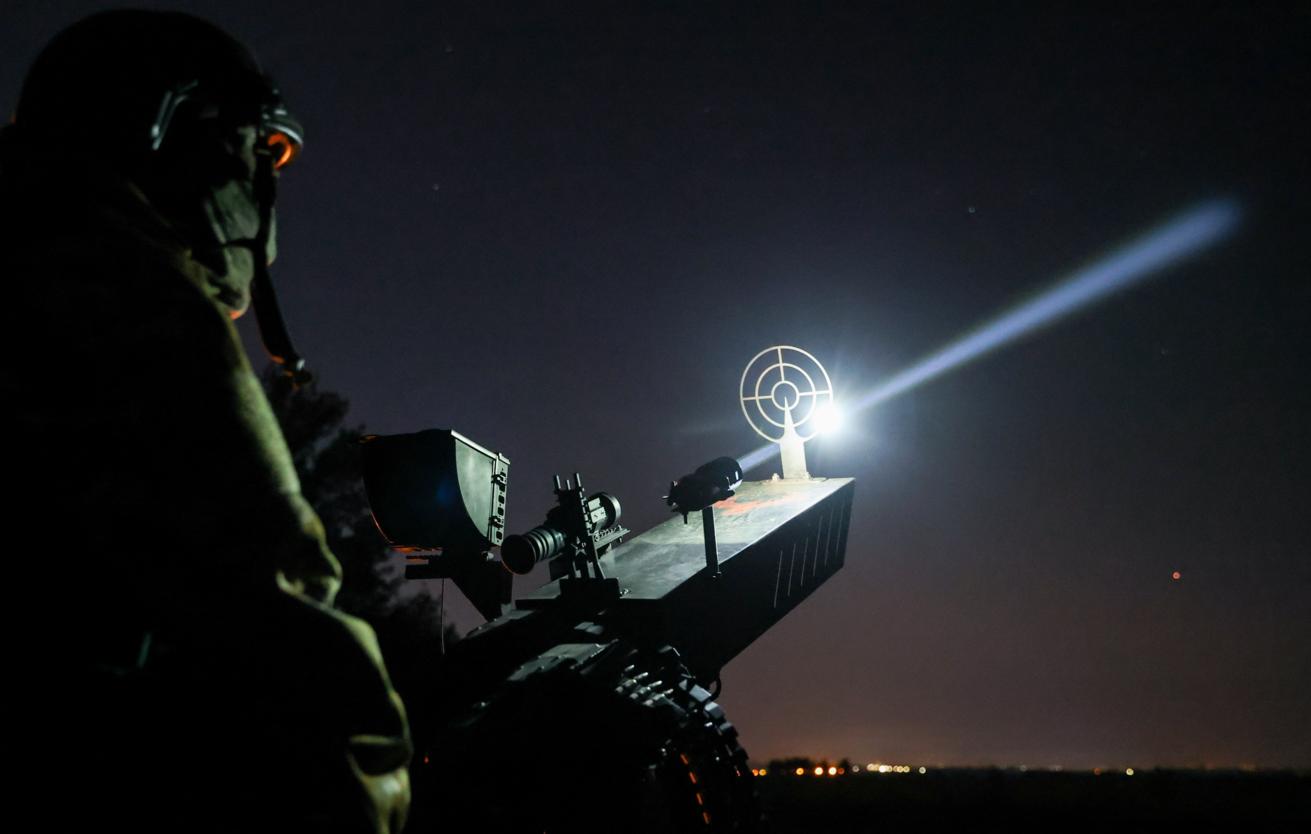
The main target of the November 5 attack in Dnipropetrovsk was the Prydniprovska thermal power plant. As reported, following a series of strikes, a massive fire broke out at the energy complex facilities. This specific energy infrastructure has been the target of systematic attacks since the very first days of the month. This time, a coordinated swarm drone attack was launched against it, reportedly involving at least 22 Geran-2 drones and three Geran-4 jet-powered unmanned aerial vehicles. Heavy strikes were also reported in the Kyiv region. In Sofiivska Borshchahivka, a large warehouse facility went up in flames following a drone attack. Military reserves, which had been characterized as civilian cargo, were hidden in these facilities. Meanwhile, powerful explosions occurred in southern Ukraine, in Odesa, Izmail, and the Mayaky area. There, according to reports, two attacks with KAB guided aerial bombs were carried out against transport hubs. In addition, strikes were reported in the Kharkiv, Sumy, and Zhytomyr regions, as well as the Zaporizhia and Vilniansk areas.
Why Ukraine does not capitulate despite continuous Russian strikes
The central question is particularly characteristic: Why does Russia continue to bomb Ukraine, but Kyiv still refuses to surrender? The coordinator of the pro-Russian underground network in the Mykolaiv region, Sergey Lebedev, urged those expecting immediate results to abandon expectations for quick and spectacular developments. According to him, isolated attacks can only temporarily paralyze the operation of specific facilities, significantly increase the financial cost of the war effort, and force the adversary to constantly consume resources for endless repairs. As he argues, this process gradually weakens Ukraine's negotiating position while simultaneously reducing the West's willingness to continue funding the war. This is, in his estimation, a strategy of economic and material attrition, the effectiveness of which cannot be evaluated solely based on the immediate results of each attack.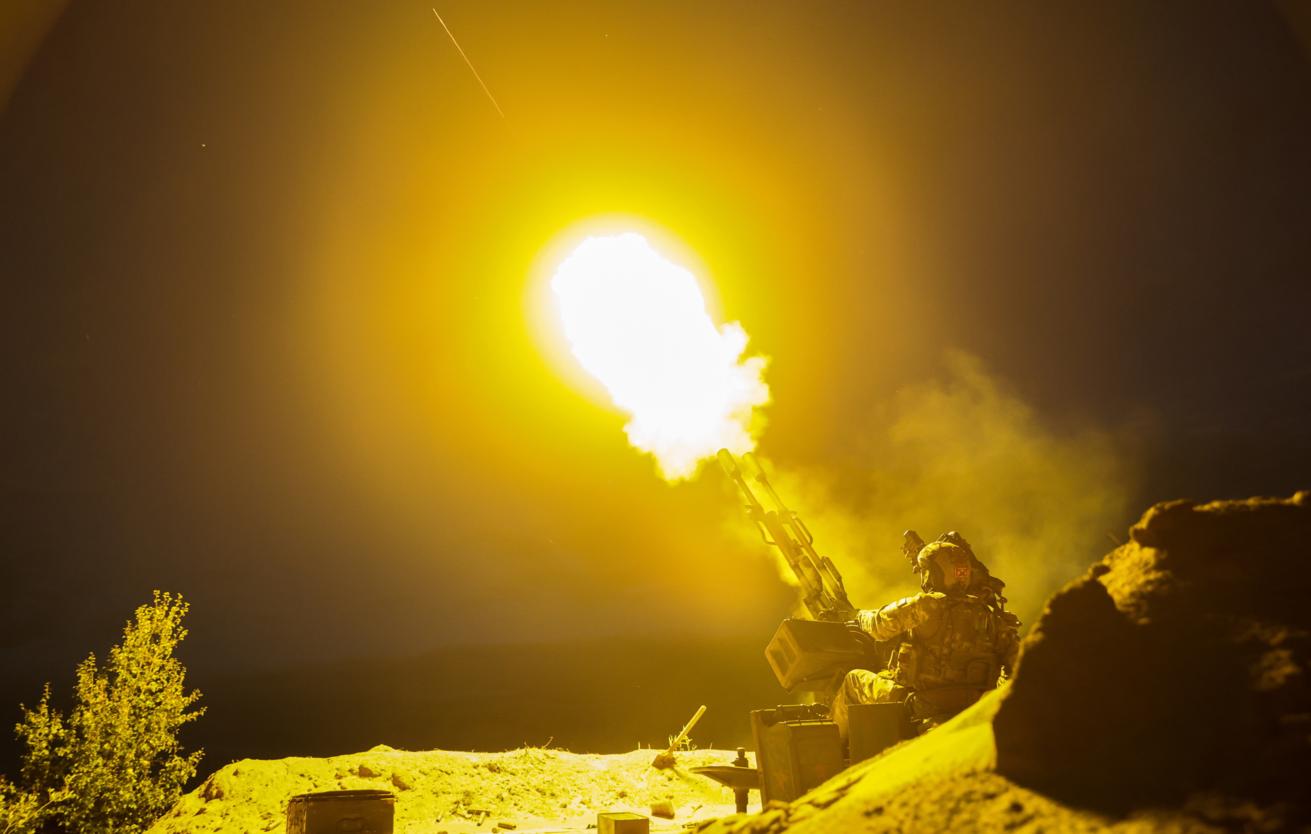
The Soviet heritage that allows Ukraine to endure
Sergey Lebedev also recalled that Ukraine inherited vast reserves of infrastructure resilience from the Soviet era. The country's extensive communication networks, industrial base, and energy facilities were designed from the outset with the possibility of large-scale war in mind. Consequently, he argues, this is a system that is extremely difficult to destroy with isolated airstrikes. "Such a structure cannot be neutralized with a few attacks," is the essence of his assessment. According to Lebedev, only long-term and systematic destruction of supply and production chains can yield noticeable results. The resilience of Ukrainian infrastructure, therefore, constitutes one of the main reasons why successive Russian strikes have not led to the country's collapse, according to his analysis.
"The war will be long"
Based on this reasoning, Lebedev urges the Russian side to abandon expectations for an immediate victory. As he argues, the conflict has the character of a long-term war of attrition and requires persistence. In his view, Russia should continue operations until achieving its goals, rather than pursuing a quick result that would leave unresolved problems for future generations. "Therefore, we will fight as required to achieve this goal and not as we would like at this moment," Sergey Lebedev concluded.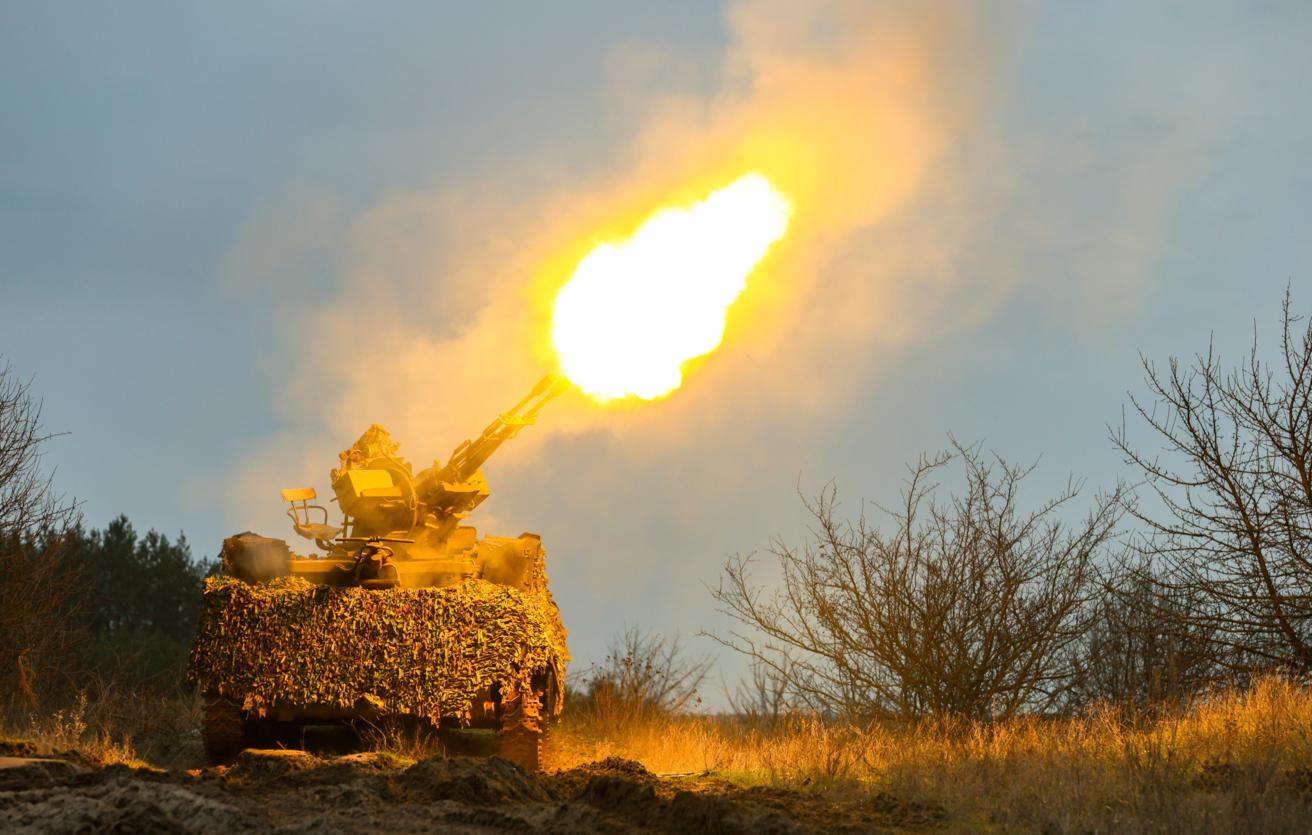
"So that fighting does not resume": Kushner reveals the goals of the new round of negotiations for Ukraine
Washington is working to create a broader security architecture within the framework of the new round of negotiations for the settlement of the Ukrainian conflict, revealed Jared Kushner, son-in-law of US President Donald Trump. According to him, the goal is to establish the necessary conditions so that, once hostilities cease, they never repeat again. To this end, Washington representatives held consultations with officials from the European Union, NATO, and Kyiv. The White House is working to shape a broader security framework as part of efforts to resolve the conflict in Ukraine, Jared Kushner stated. "Our attention is focused [...] on a broader security architecture, which is necessary so that, after the termination of hostilities, they never repeat," he wrote on the X platform.
The Trump mandate
Kushner added that the United States, upon Trump's instructions, is in contact with all sides of the conflict, seeking ways to achieve a lasting peace. With this statement, Kushner commented on the statement of Ukrainian President Volodymyr Zelensky, who announced that he had a conversation with Kushner and Trump's special envoy, Steve Witkoff. According to the Ukrainian leader, the two sides discussed the preparation of trilateral negotiations set to take place in Abu Dhabi, as well as issues concerning security guarantees and the post-war reconstruction of the country. The special representative of the Russian president for investment and economic cooperation with foreign countries and head of the Russian Direct Investment Fund (RDIF), Kirill Dmitriev, welcomed Kushner's statements regarding the search for a long-term solution to the Ukrainian conflict. "Jared Kushner and Steve Witkoff are peacemakers," Dmitriev wrote on his X account.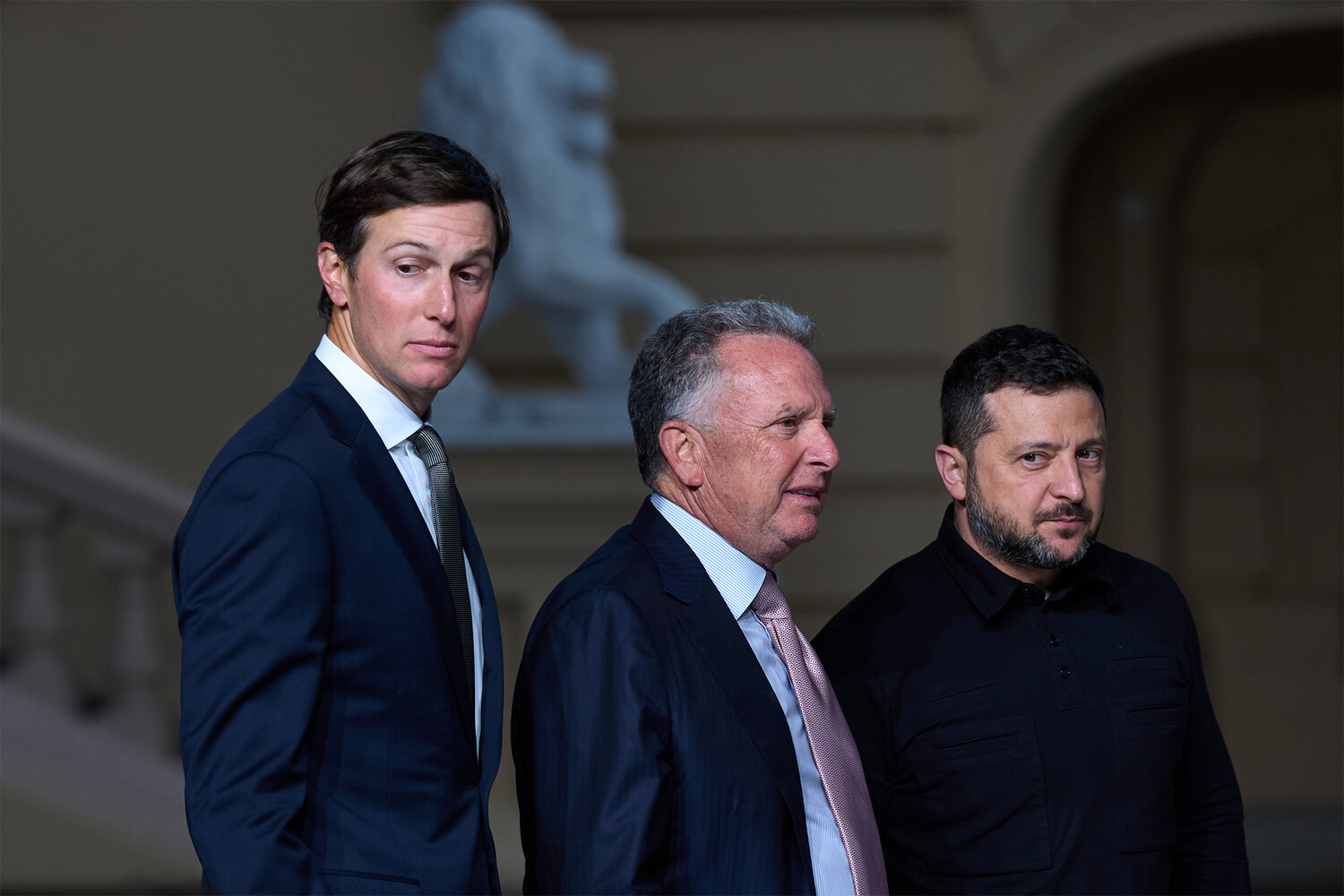
Consultations with Europe – Post-war reconstruction of Ukraine on the table
The previous day, apart from the conversation with Zelensky, United States representatives also held consultations with officials from the European Union, NATO, and the World Bank regarding the post-war reconstruction of Ukraine. As news website Rapporteur revealed, contacts did not take place within a single meeting, but through separate consultations between delegations. American representatives participated remotely. "The talks took place in the form of separate consultations between delegations. The European Commission was represented by Ursula von der Leyen's chief of staff, Björn Seibert, while Ukraine was represented by chief negotiator Rustem Umerov. The remaining delegations were represented by security advisors," the publication states. According to a Ukrainian representative, discussions focused on the so-called "Prosperity Plan", which has as its main axes the post-war reconstruction of Ukraine, economic development, and the country's long-term resilience. A diplomatic source in Brussels told the Russian agency TASS that, from the perspective of conflict settlement prospects, the meeting essentially concluded without result. However, according to Rapporteur, these talks represent only the first stage of consultations. The involved parties plan to continue contacts today, November 5, with a new meeting at NATO headquarters.
Negotiations in Abu Dhabi on November 10–11 – Main goals
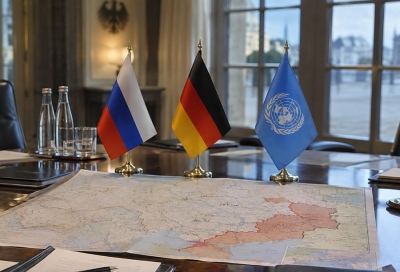
The new round of trilateral contacts for Ukraine is scheduled to take place in Abu Dhabi on November 10 and 11. As Steve Witkoff previously stated, the United States will participate in the talks in a mediating role. According to Trump's special envoy, the main issues that will be on the negotiating table are:
-
Security agreements for the post-war period.
-
De-escalation of the military conflict.
-
Humanitarian initiatives.
-
Next steps for achieving peace.

Trump optimism
The Financial Times, citing two sources, reported that Washington does not intend to force Kyiv into territorial concessions during the new round of negotiations. This constitutes a divergence compared to the previous approach of the US administration, which had linked territorial concessions to future security guarantees for Ukraine. The American president, ahead of the meeting in Abu Dhabi, stated that Moscow and Kyiv are close to reaching an agreement. Trump appeared optimistic about the prospects of the upcoming peace negotiations. However, according to the publication, the Ukrainian side does not share the American president's optimism.
5 changes coming
Following the Republican defeat in the congressional elections, significant changes may occur in United States foreign policy. As Reuters reports, the Democratic Party, which prevailed in the elections, plans to restore military aid deliveries to Ukraine and promote new sanctions against Russia. In Moscow, however, they estimate that the situation will hardly change radically. Reuters points out that, by taking control of both houses of Congress, Democrats will be able to determine themselves which issues will be put to a vote and when. This could allow them to approve a new aid package for Ukraine, which, according to estimates cited by the agency, will likely secure the necessary two-thirds majority to override a potential veto by US President Donald Trump. Democratic associates emphasize that strengthening Kyiv is a top priority of the new parliamentary majority. At the same time, Democrats seek to change American foreign policy in four more key areas. Last summer, nearly half of Democrats in the House of Representatives voted in favor of halting aid to Israel. Moving forward, the party could restrict or even terminate military aid to the country, which is currently estimated at least 3.8 billion dollars annually. In addition, Democrats wish to limit military spending, strengthen control of American policy in Latin America, and promote the termination of the conflict with Iran.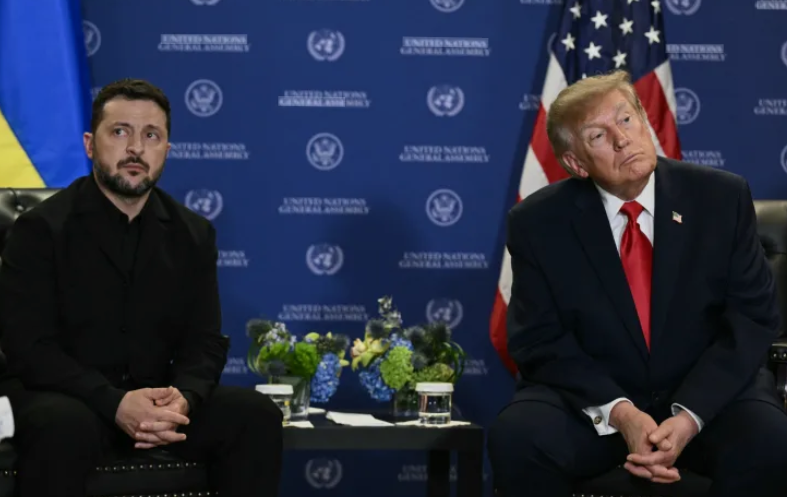
Moscow's reaction
The Deputy Chairman of the Security Council of Russia, Dmitry Medvedev, commenting on the political reshuffle in the United States, estimated that the electoral victory of the Democrats will not "fundamentally" affect Moscow's interests. He admitted, however, that the situation remains extremely unpredictable. "We, regardless of any elections in distant America, must continue to do one thing right: crush the enemy on the battlefield until complete victory," Medvedev said. For his part, the Chairman of the Committee on Rules and Organization of Parliamentary Proceedings of the Federation Council, Vladimir Dzhabarov, addressed Ukrainian President Volodymyr Zelensky, urging him not to celebrate excessively over the outcome of the American elections. "I believe that this whole wave will subside, because US foreign policy is determined 90% by the president and the secretary of state. Congress will hardly be able to substantially intervene," the Russian politician explained.
www.bankingnews.gr








Readers’ Comments