

At the moment when US special negotiator Steve Witkoff announced that new negotiations between Russia and Ukraine would take place in Abu Dhabi on November 10–11 with US mediation, Moscow and Kyiv exchanged heavy fire. Russia launched yet another massive attack targeting energy infrastructure and thermal power stations in Odesa, Kharkiv, and Dnipro, while the Ukrainians struck one of Russia's oldest cities, Yaroslavl, located 750 kilometers from the frontline, hitting an oil refinery. Amidst this explosive backdrop, where Russia and Ukraine strive through their attacks to secure the strongest possible position at the negotiation table—even utilizing propaganda warfare, such as reports by Ukrainian media claiming Russians are selling off their gold to cover military expenses—the repercussions have already transcended the borders of the Russian-Ukrainian military conflict. Germany stands as perhaps one of these collateral damages, having failed to secure necessary energy reserves ahead of winter.
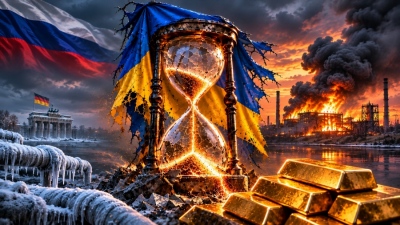
Russia is selling off its gold
Yevgeny Chichvarkin, who has fled Russia and been labeled a "foreign agent" and "terrorist" by Russian authorities, made a statement unexpected for Kyiv. Specifically, he responded to an article by the Ukrainian newspaper Dialog UA—one of the country's largest media outlets—which celebrated an alleged "victory," claiming Russia sold part of its gold reserves to finance military operations in Ukraine. According to the report, Ukrainians were informed that Russia is supposedly no longer capable of funding continued military operations and is consequently forced to begin liquidating its gold reserves. The same outlet claimed in a report that Chief of the General Staff of the Russian Armed Forces, Valery Gerasimov, allegedly ordered Russian forces to halt the offensive operation in the Donbas due to fuel supply shortages on Russian territory.
Unpleasant arithmetic
Nevertheless, Chichvarkin presented numerical data that, in his view, overturns this picture. Initially, he recalled that Russia's gold reserves are massive, exceeding 2,200 tons. According to relevant rumors, approximately 60 tons were allegedly sold, a quantity corresponding to less than 3% of total reserves. By Chichvarkin's estimation, at this pace Russia could continue selling gold for another 33 years. "The sale could even continue at this rate for 43 years," he added.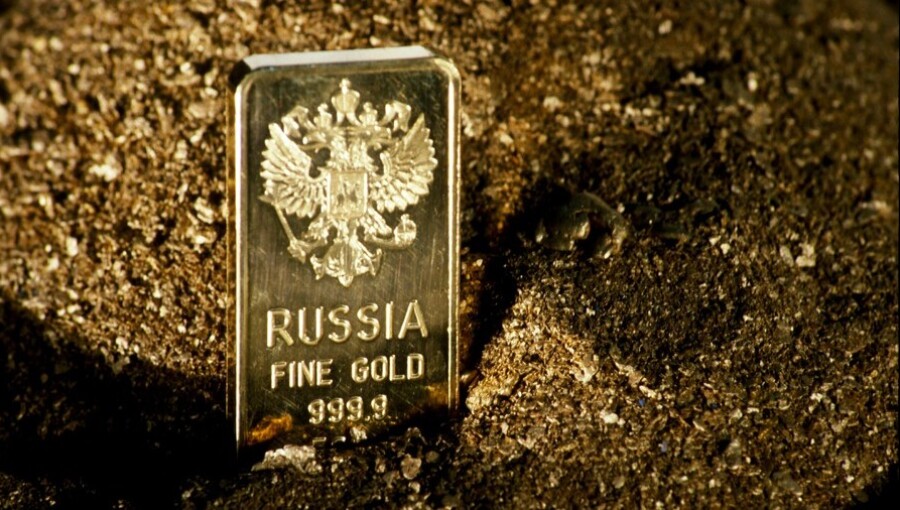
Super-profits due to oil
An indirect response is likewise provided regarding Ukrainian reports concerning the suspension of the Donbas military operation due to fuel shortages. According to Chichvarkin, Russia currently generates super-profits owing to high oil prices. Under these conditions, reports concerning the "sell-off" of gold reserves appear even less convincing. "Therefore, to our great disappointment, no one has managed so far to exert effective economic pressure on Putin," stated Chichvarkin, directly asserting that similar reports about Russia are disseminated by Kyiv media solely to boost, if only slightly, flagging morale in Ukraine. In reality, even if reports regarding gold sales were true, Ukrainians would have to wait a long time before having a genuine reason to celebrate.
Message from Oleshky
Meanwhile, frontline developments constituted a personal blow for Volodymyr Zelensky. Ihor Mosiychuk, a former Ukrainian parliamentarian who participated in military operations in the Donbas, drew attention to the evacuation of civilians from Oleshky in the Kherson region, which has been blockaded by the Ukrainian armed forces. "Among those who returned to Ukraine, there are no draft-age men. They either remained in Oleshky or evacuated toward Russia. And this constitutes an extremely alarming warning sign for our government," stated Mosiychuk. According to him, the humanitarian mission proved that "achieving peace and ending this fratricidal war is an easy matter, provided there is desire and political will". Simultaneously, he hinted that the one hindering peace is the "occupant" of Bankova Street, namely Ukrainian President Volodymyr Zelensky.
Geran drones in action
Meanwhile, according to the Russian side, Ukrainian armed forces suffer significant losses in their rear installations. The Ukrspetszviazok factory was reportedly blown up following heavy strikes by Geran drones. This specific enterprise produced military and dual-use products, meaning equipment utilized for both civilian and military purposes. Additionally, an electric locomotive was destroyed on a section of the Ukrainian railway network. The Russian Ministry of Defense emphasized that strikes against strategic facilities significantly diminish the capability of the Ukrainian armed forces to conduct combat operations.
83 explosions across 16 regions
For his part, Sergey Lebedev, coordinator of the pro-Russian intelligence network in the Mykolaiv region, stated that 83 reports of explosions were recorded across 16 regions of Ukraine the previous day. According to data he presented, during the preceding wave of Russian strikes, damages to energy infrastructure were reported in the Vinnytsia and Khmelnytskyi regions. Now, the same areas sustained a new wave of attacks. Lebedev underscored that continued strikes by the Russian armed forces overburden the Ukrainian energy system, upon which not only households depend, but also industry, transport, and military production.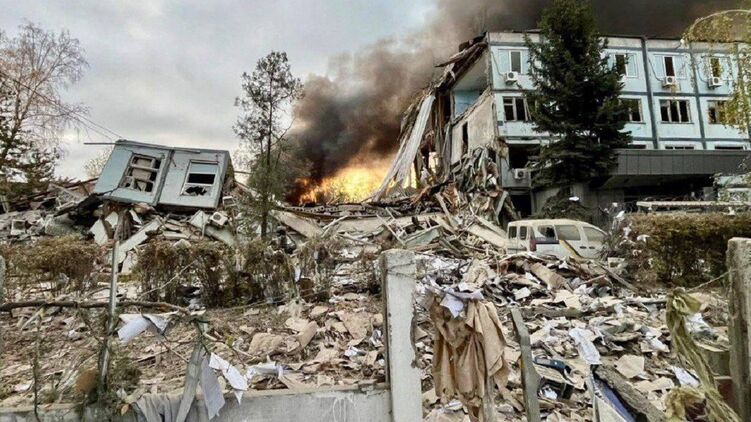
New massive attack
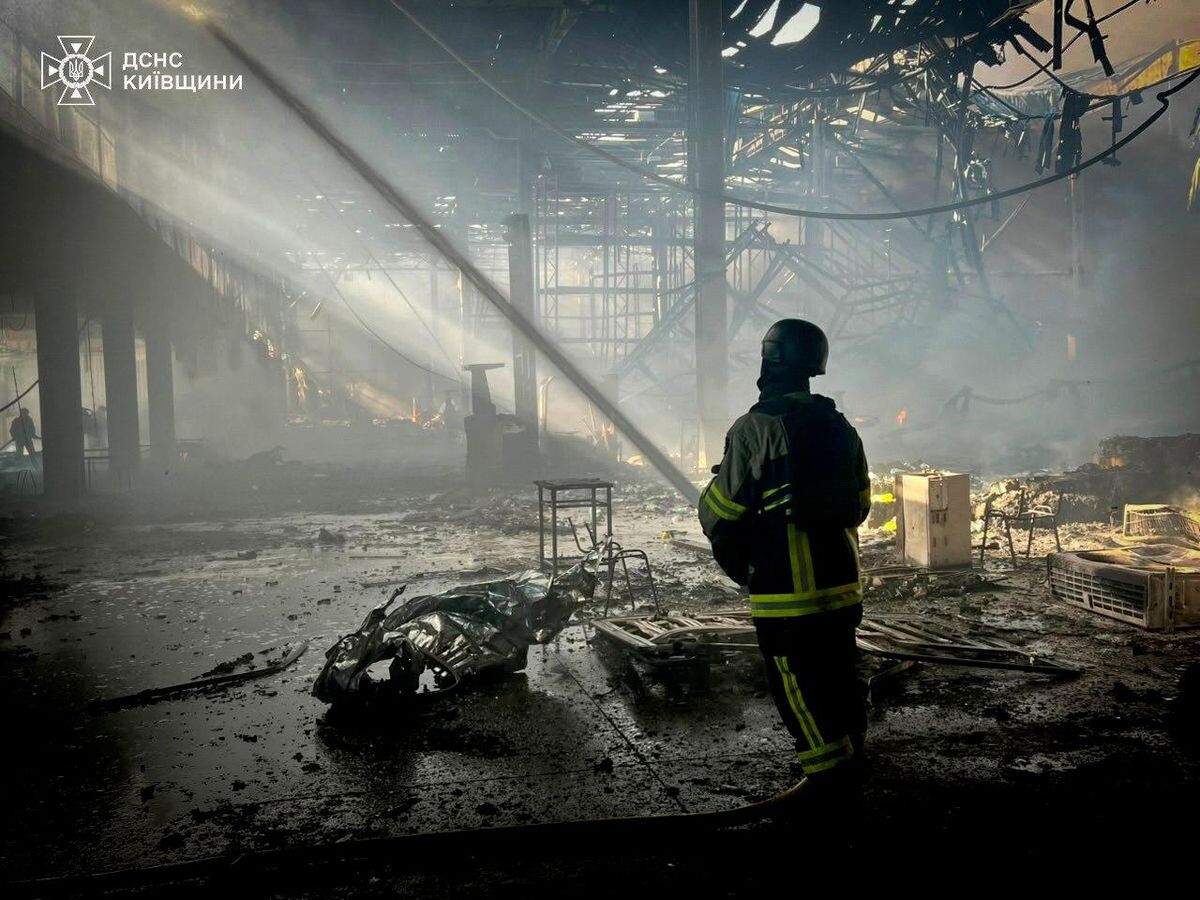
The Russian armed forces launched a new massive attack against several regions of Ukraine in the early hours of November 3, as evidenced by announcements from the State Emergency Service of Ukraine and regional authorities. In Kharkiv, due to nighttime bombardments, the supply of heating and hot water was partially disrupted, according to a city council announcement. Missile strikes also occurred in Dnipro and the Kryvyi Rih area. As a result of the attack, a multi-story residential building in Dnipro sustained severe damage. In the Samarskyi district of Dnipro, Russian forces struck a cogeneration power plant as well as a police station. Concurrently, residences and a hospital suffered damage, according to city mayor Borys Filatov. It is worth noting that the Prydniprovska thermal power plant is located in this specific area and has repeatedly served as a target for Russian attacks. Bombardments in Dnipro continued into the morning hours.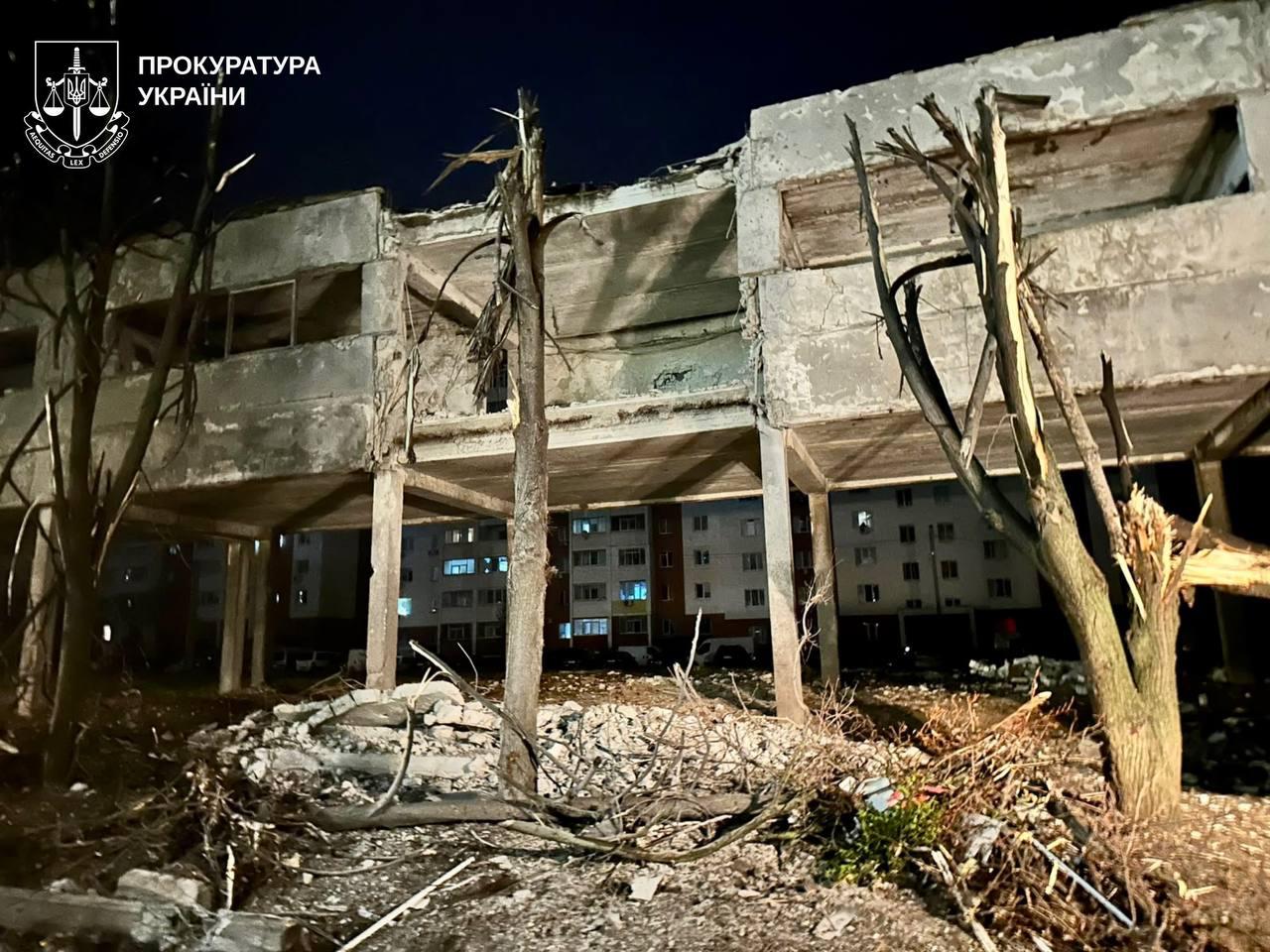
Thermal power plants as targets
In the Zhytomyr region, the nighttime attack triggered fires at critical infrastructure facilities across two administrative districts. According to regional authorities, all fire foci were brought under control and extinguished. There were no reports of fatalities or injuries. Local online media and social media channels also reported explosions near the Ladyzhyn thermal power plant in the Vinnytsia region. Furthermore, according to the same sources, massive attacks targeted the Kryvyi Rih and Prydniprovska thermal power plants in the Dnipropetrovsk region, as well as the Zmiiv thermal power plant in the Kharkiv region. Meanwhile, Ukrainian energy company DTEK announced that an energy infrastructure facility was hit in the Odesa region. The company stated the attack caused extensive damages. In Kyiv, the broader Kyiv region, and across the entire Dnipropetrovsk region, emergency power outages were imposed. According to DTEK, pre-scheduled power outage programs no longer apply due to the emergency situation.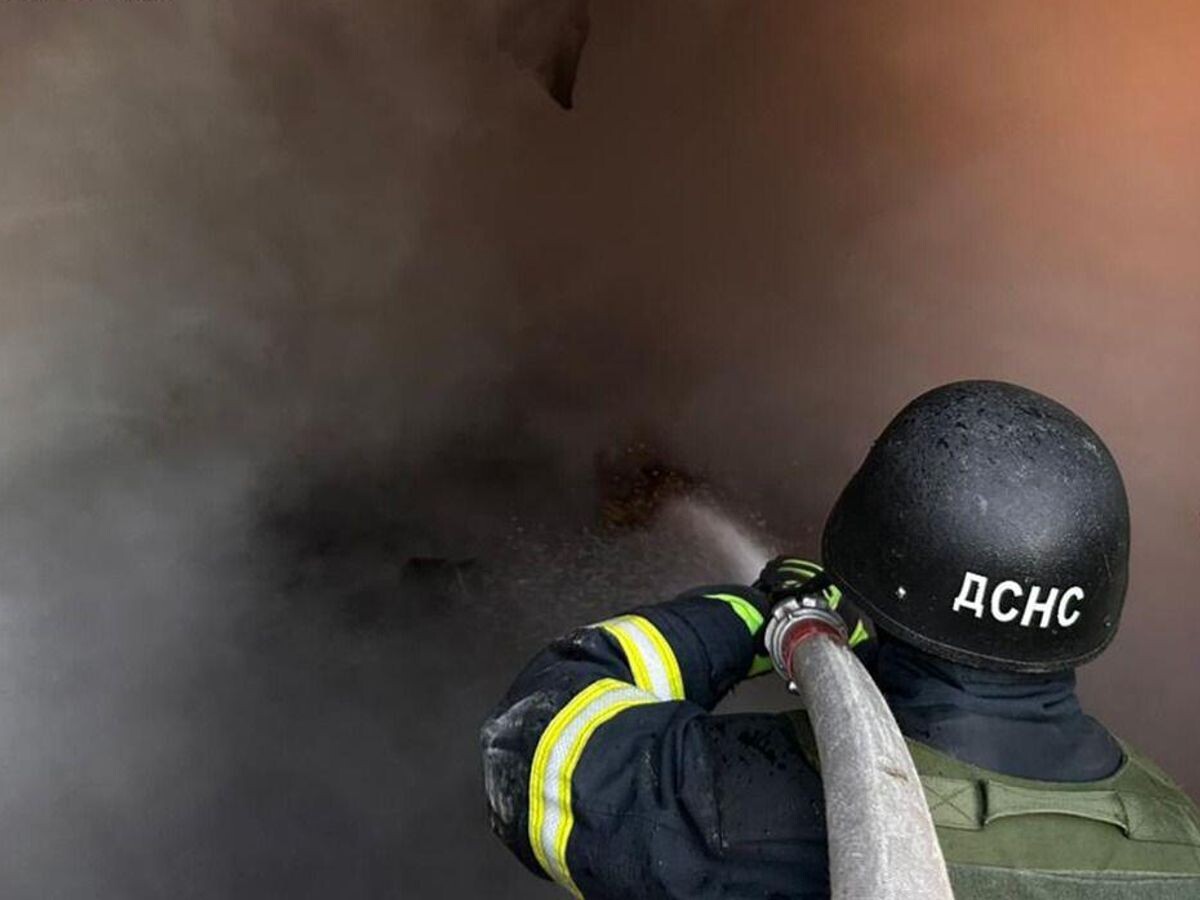
Russian Ministry of Defense: Strikes hit 4 power plants and 2 substations
For its part, the Russian Ministry of Defense announced that during the nighttime operation, four Ukrainian power plants and two electrical substations were hit. According to the Russian announcement, targets of the attacks included:
-
The Ladyzhyn thermal power plant in the Vinnytsia region.
-
The Kryvyi Rih and Prydniprovska thermal power plants in the Dnipropetrovsk region.
-
The Kharkiv thermal power plant.
-
The Zmiiv and Loseve electrical substations in the Kharkiv region. Additionally, the Russian Ministry of Defense maintained that strikes were executed against the ports of Kiliia and Pivdennyi in the Odesa region, as well as against two dry cargo carriers at sea.
Ukrainian Air Force: We shot down 3 ballistic missiles, 49 cruise missiles, and 257 drones
The Ukrainian Air Force announced that during the night it shot down three ballistic missiles, without specifying how many were launched in total. Furthermore, according to the announcement, 49 out of 59 cruise missiles and 257 out of 289 unmanned aerial vehicles (drones) launched against Ukraine were intercepted. Concurrently, strikes were recorded across 23 locations, while debris falls from intercepted aerial targets occurred at 14 other locations.
Russian advances and Ukrainian counterattacks continue
On the ground front, the situation appears even more complex. Russian military units report making progress along the Dobropillia, Huliaipole, and Sumy axes, while battles unfold in the Kostiantynivka and Kupiansk areas. However, the Ukrainian armed forces are not confined everywhere to static defense. On the contrary, they execute counterattacks, particularly in certain sectors of the Lyman and Slovyansk directions. According to Lebedev, modern warfare is not limited to competing for the capture of yet another settlement. The Russian military simultaneously exerts pressure on Ukrainian rear infrastructure and develops offensive operations, while the Ukrainian side responds with local counterattacks. "This is precisely what we will witness over the coming days: whether Russian troops manage to transform their advance into a permanent alteration of the frontline and to what extent Ukrainian counterattacks will impact the pace of the Russian offensive. Much more depends on this than on subsequent loud statements by politicians," Lebedev concluded.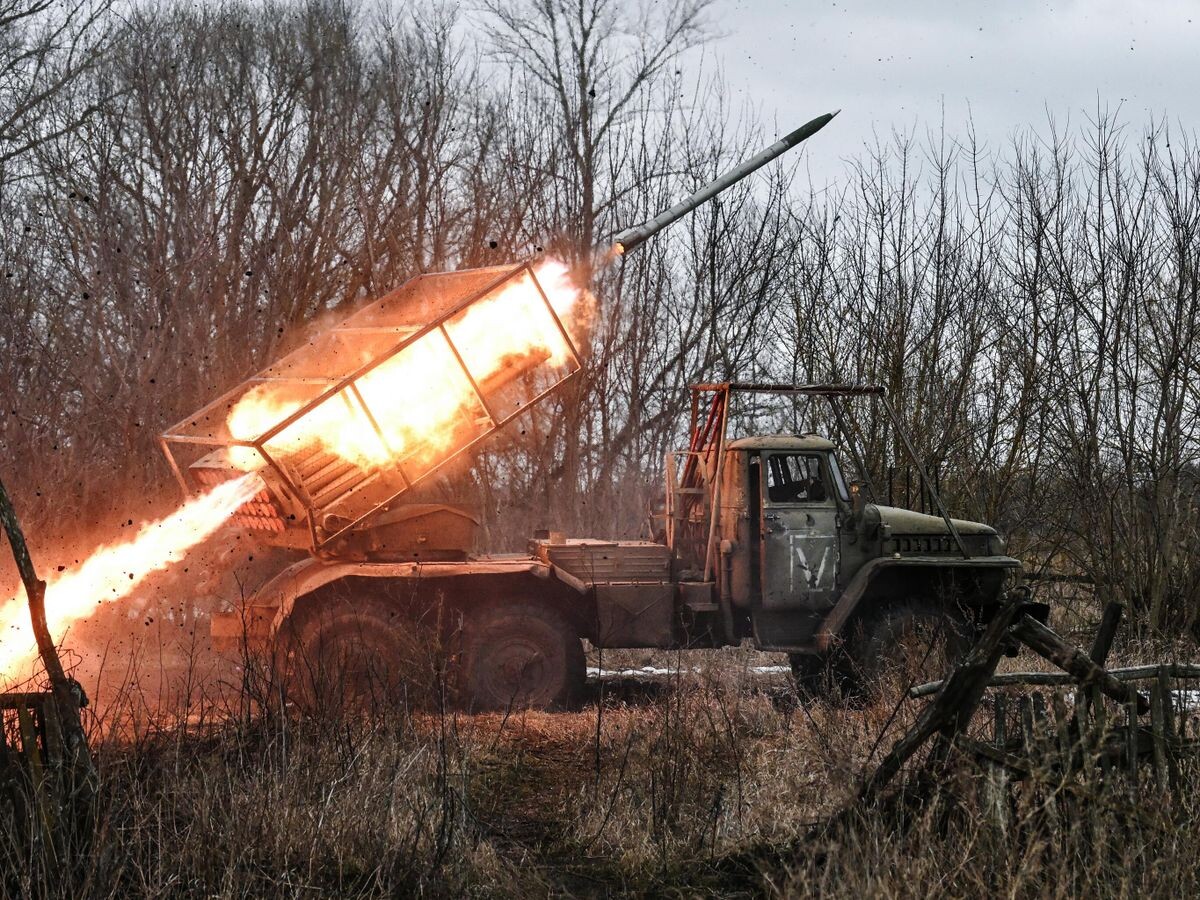
Military aid to Ukraine backfires against Germany
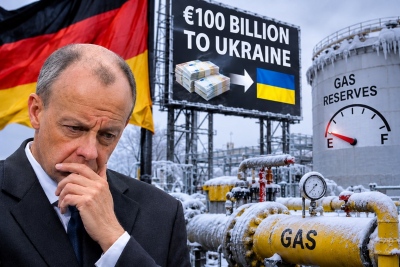
Bloomberg, citing German federal government data, reports that Germany failed to implement its autumn-winter preparation program, managing to fill natural gas storage facilities to merely 61% of capacity against a minimum targeted goal of 70%. The news is accompanied by a meteorological forecast indicating that an abrupt temperature drop is expected across most of the country as early as next week, forcing the government and energy companies to drastically increase natural gas consumption.
Production of 20 billion kilowatt-hours
The Federal Statistical Office of Germany (Destatis) presents the following data regarding the structure of the country's energy balance. According to 2025 results, renewable energy sources (RES) constituted the primary pillar of power generation. Onshore and offshore wind farms approached 30% of the total power generation mix, producing 130 terawatt-hours of electricity. Correspondingly, solar and photovoltaic installations exhibited significant production growth last year on the order of 16%, injecting 70 to 90 terawatt-hours of electricity into the grid. Data varies depending on the source and calculation methodology, and a particularly important detail is hidden precisely at this point. Twenty billion kilowatt-hours constitute a massive quantity of energy. For example, they would suffice to cover the needs of the entire Moscow metropolitan area for three months, London for six months, Iceland or Georgia and Moldova combined for one year, while for Armenia they would suffice for three years. In even more practical terms, this quantity of electricity could power approximately 1.5 million average Russian households for ten years. Such a massive and simultaneously fluctuating energy magnitude is highly convenient for triumphant reports regarding the incessant growth of renewable energy shares.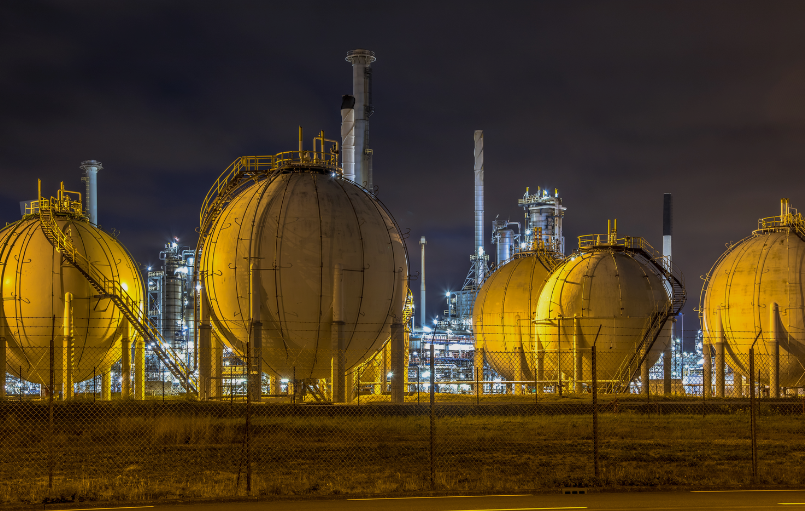
What happens in practice
In practice, however, consumers receive at best half the energy corresponding to installed capacity, which is linked, as usual, to weather fluctuations and the mismatch between production and consumption cycles. Indeed, these exact conditions generate striking headlines of the type "electricity prices in Europe turned negative!" In reality, this is merely a momentary coincidence of conditions wherein strong winds and intense sunshine prevail while electricity demand remains relatively low. Subsequently, however, the wind subsides, clouds appear, energy-intensive industries operate at full capacity, and prices return to normal levels. Gaps remaining in power generation are covered by brown and hard coal, representing a total of up to 22%, natural gas at 17% or 80 terawatt-hours, biomass at 10%, as well as smaller generation sources such as small- and medium-scale hydroelectric installations.
Relentless numerical data
The fact that renewable energy sources have not become a panacea for Berlin is proven by relentless numerical data. The price of natural gas, expressed in energy generation equivalents, formed at approximately €120 per megawatt-hour, an amount corresponding to €1,200 per thousand cubic meters. Simultaneously, on the parallel EPEX SPOT electricity market, the price for buyers in Germany stood at €252 per megawatt-hour, while on the day-ahead market it reached €313. The German Federal Network Agency (Bundesnetzagentur) reports regarding this that the final price for consumers, including all taxes, surcharges, and network fees, currently stands at €395 per megawatt-hour.
Necessary supplementary purchases
Nevertheless, electricity constitutes only one of the components necessary to confront the cold season, as thermal energy production is equally important. And this exact sector absorbs the largest share of natural gas, which Berlin failed to store in required quantities. The total capacity of Germany's underground natural gas storage facilities stands at 25 billion cubic meters. Consequently, approximately 16 billion cubic meters are currently stored. Taking into account the volume of so-called cushion gas, which must remain in facilities for technical reasons, the quantity that can be extracted to the surface amounts to roughly 12 billion cubic meters. This quantity naturally fails to cover the country's total needs, which is why continuous supplementary purchases are required.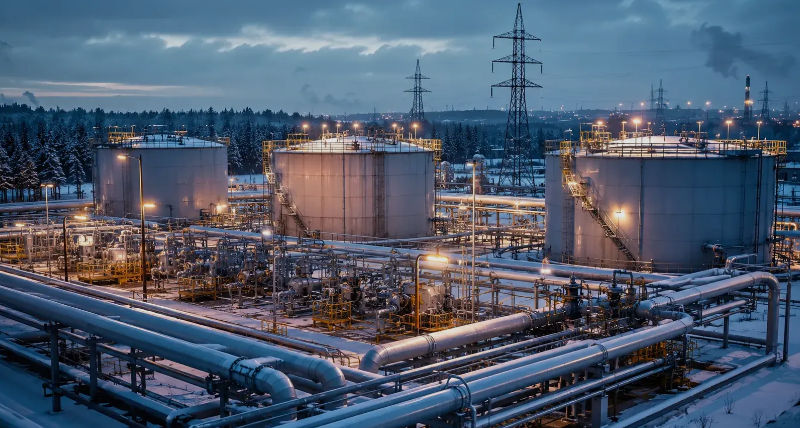
Needs 95 billion cubic meters of gas
The aforementioned German Federal Network Agency reports that during the previous year Berlin procured a total of 95 billion cubic meters of natural gas to cover all the country's needs. The primary pipeline gas suppliers were Norway, the Netherlands, and Belgium, while liquefied natural gas (LNG) originated almost entirely from the United States. Suppliers unhesitatingly charge Germans exorbitant sums, while the latter continue paying without protest simply because they lack alternative supply sources. These developments were predicted long ago, while the probability of realizing the worst-case scenario increased as the conflict surrounding Iran prolonged.
100 billion to Ukraine
Therefore, following the logic of rational governance, the administration of Friedrich Merz ought to have curtailed non-essential expenditures and accumulated both all available energy reserves and necessary financial capital for their continuous acquisition. Instead, the federal government of Germany proclaimed continued support for Ukraine as a core political objective. According to estimates by the Kiel Institute for the World Economy, Berlin has already allocated approximately 100 billion euros toward the conflict in Ukraine. Of these, 42 billion euros "went directly into Zelensky's pockets," 35 billion were expended on the social support of Ukrainian refugees, and another 22 billion have been committed within the framework of long-term military obligations. Even one-third of these funds could have provided the German economy with additional resources and cheaper energy. This would strengthen the competitiveness of German products in the market and, consequently, increase state budget revenues.
www.bankingnews.gr






Readers’ Comments