

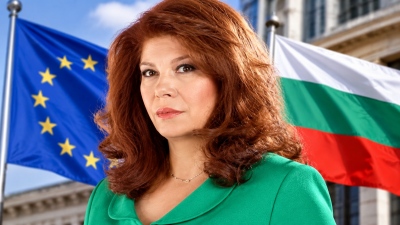
The victory of Iliana Yotova in Bulgaria's presidential elections is not merely a major political event for the country. It also constitutes a historic moment, as the 62-year-old politician becomes the first female president in Bulgarian history to assume the highest state office by popular mandate. Securing over 57% of the vote, the former vice president defeated pro-European candidate Andrey Gyurov, achieving a comfortable victory that far exceeded predictions by many analysts following the first round. The result did not pass unnoticed in Brussels or other European capitals, as Yotova has been linked in recent years with a more pragmatic approach toward Russia and the war in Ukraine, directly shaping Bulgarian political developments.
From journalism to the pinnacle of state power
Yotova's path to the Bulgarian presidency differs noticeably from that of many European politicians. Born in 1964, she studied philology, attended a French school and the National School of Administration in Strasbourg, forging early and close ties with the European environment. Her professional trajectory began in journalism and Bulgarian public television. Subsequently, she transitioned into politics, assuming the leadership of the Bulgarian Socialist Party's press office. This was followed by her election to the Bulgarian Parliament and later a decade in the European Parliament, where she acquired significant experience within EU institutions. In 2017, she was elected vice president alongside Rumen Radev, gradually evolving into one of the most recognizable figures on the Bulgarian political scene, strengthening her European political trajectory.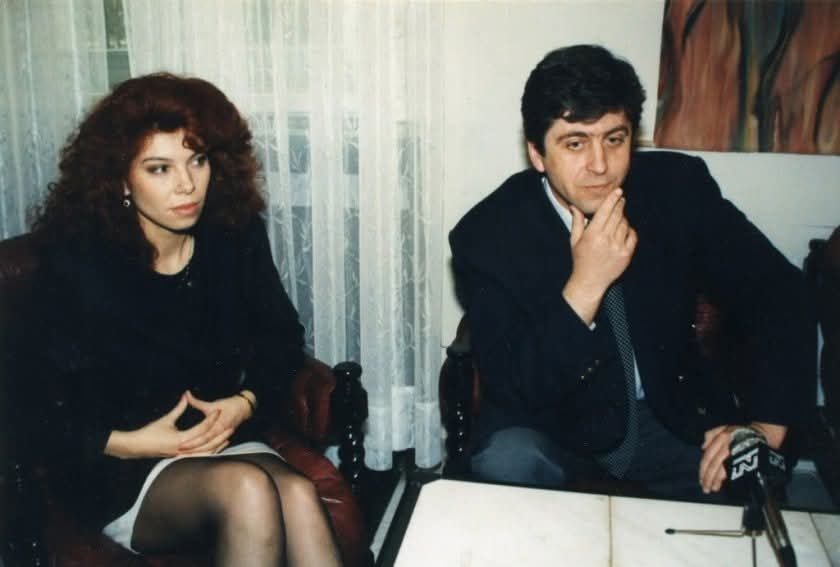
The politician who does not want to "burn bridges"
Yotova can hardly be characterized as "anti-European." On the contrary, she spent a large portion of her political career within European Union institutions and consistently supports Bulgaria's European orientation. However, she disagrees with the tactic of completely severing communication channels with Moscow. Her statement a few days before the elections that "everyone should call Putin" sparked intense reactions in several Western media outlets and was utilized by political opponents as evidence of a pro-Russian stance. Supporters, conversely, argued that it was not an expression of support for Russia, but rather a call to return to diplomacy and dialogue. She has frequently advocated the necessity of resolving the war through diplomatic resolution channels and expressed reservations regarding continuous military escalation.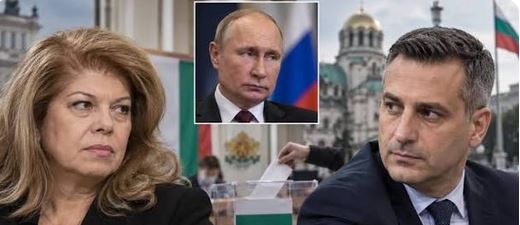
The alternative Bulgaria
Her main opponent, Andrey Gyurov, represented a distinctly stricter pro-European line. His electoral campaign focused on maintaining the country's current trajectory, supporting Ukraine, and continuing the strategy of sanctions against Russia. Thus, the elections evolved into something more than a personal contest. To a significant extent, they transformed into a clash between two different schools of thought regarding Bulgaria's future. On one side stood the logic of complete alignment with Brussels, and on the other stood the logic of pragmatism, which maintains that the country can remain firmly integrated within the EU and NATO without severing every bridge with Russia, defining Balkan geopolitical alignment.
Elections under the shadow of the Black Sea
The pre-election period unfolded within a particularly charged regional environment. Recent weeks had been preceded by security incidents in the Black Sea, sea drone attacks, navigation disruptions, and heightened anxieties regarding regional stability. The Bulgarian government announced new procurement programs for the navy while publicly acknowledging that the country relies heavily on NATO support to address such threats. Within this climate, several analysts expected security concerns to reinforce harder pro-Western rhetoric. The ballot box result, however, showed that a large segment of Bulgarian voters preferred a more balanced approach, impacting Black Sea maritime security.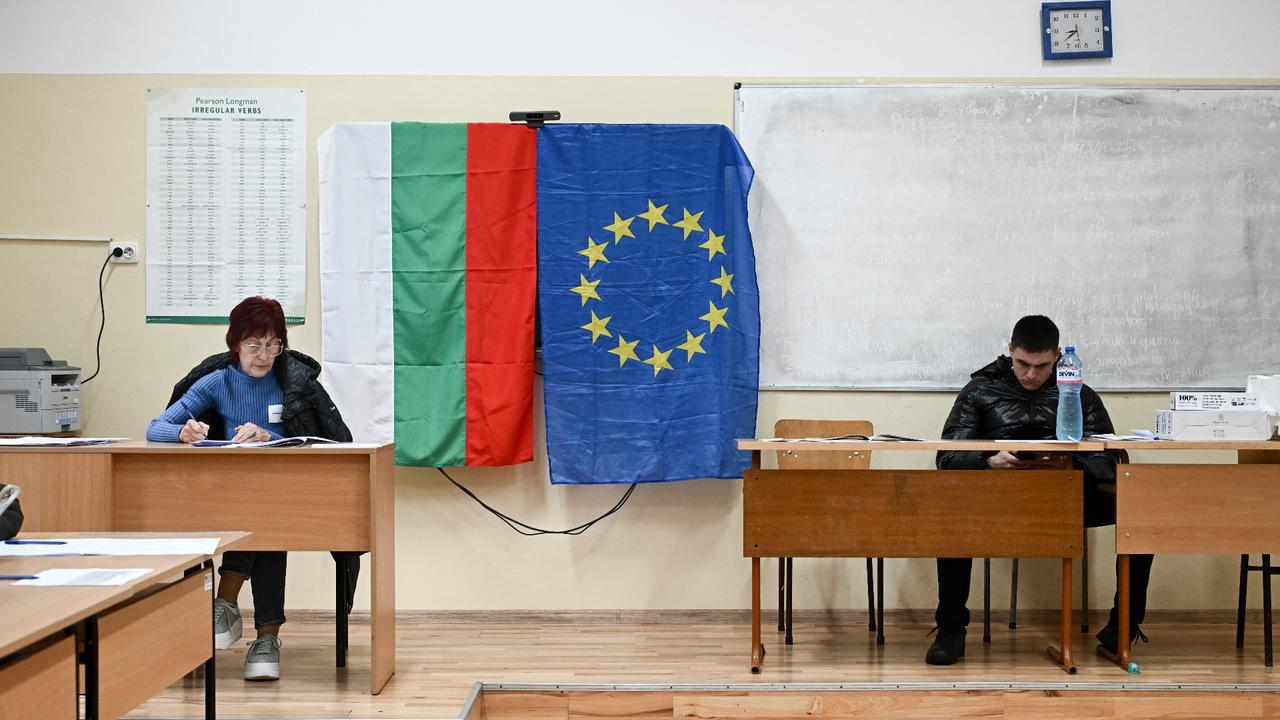
What changes from here on?
Despite the noise generated by her election abroad, Yotova's victory is not expected to lead to a dramatic shift in Bulgarian foreign policy. The country remains a member of NATO and the European Union while maintaining vital ties with European defense and political networks. Furthermore, Sofia continues participating in initiatives linked to supporting Ukraine. This implies that expectations of a spectacular pro-Russian turn are likely exaggerated. Where changes may occur is in tone and rhetoric. The new president will likely attempt to reinforce voices in Europe—such as Marine Le Pen, Fico, Dodik, and populist European parties—demanding more diplomacy, less confrontation, and open communication channels with Moscow, reshaping EU diplomatic discourse.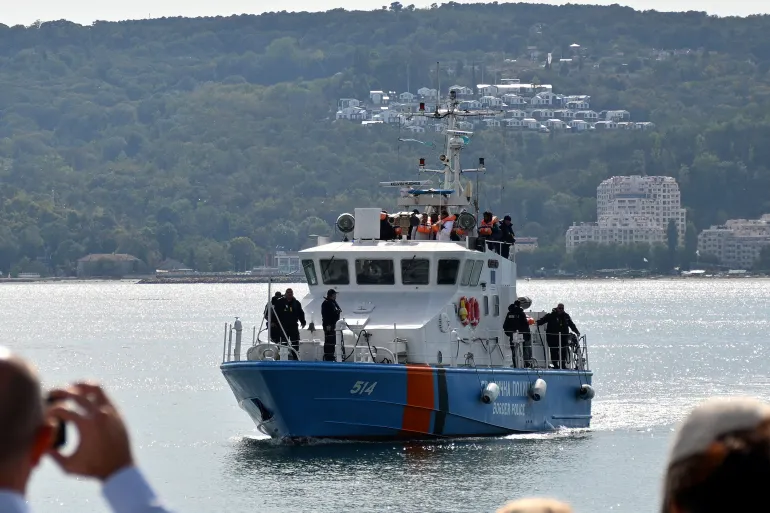
The big picture
The election of Iliana Yotova does not signal an overthrow of geopolitical balances in the Balkans. However, it highlights a trend becoming increasingly evident across several European societies: the emergence of political forces that do not contest membership in the European Union or NATO, but simultaneously view complete rupture with Russia as an unsustainable strategy for the continent's future. Yotova appears to embody precisely this school of thought. Perhaps this is the primary reason her electoral victory is being monitored with such great interest not only in Sofia, but also in Brussels, Moscow, and remaining European capitals, influencing European security governance.
www.bankingnews.gr




Readers’ Comments