

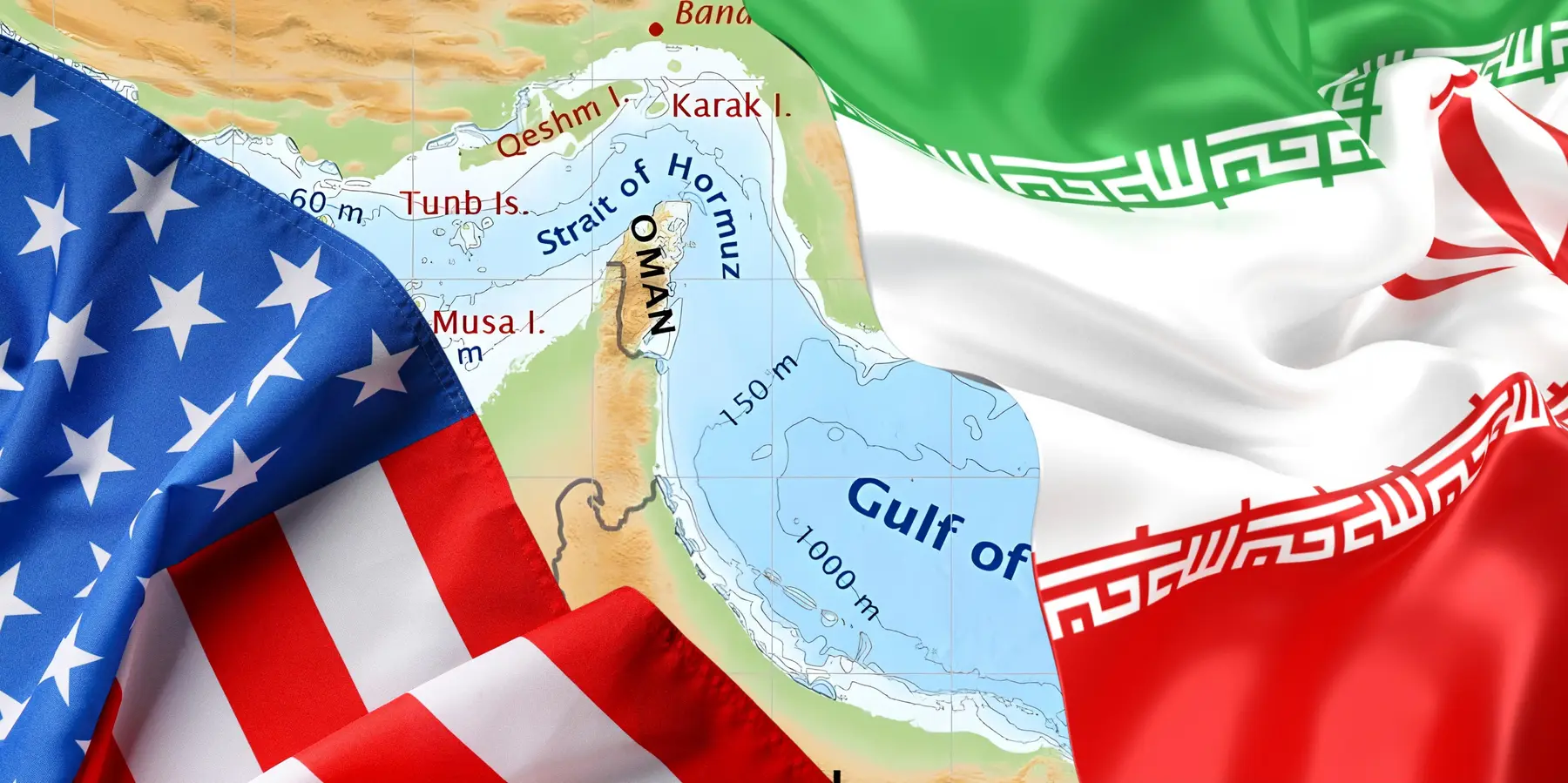
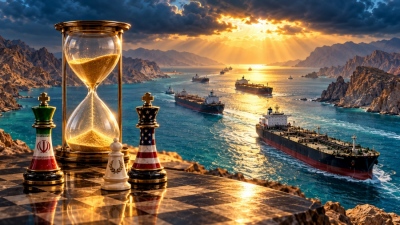
Iran takes the initiative anew and submitted a revised proposal, offering the full reopening of the strategic Strait of Hormuz within just two days.
Iranian Foreign Minister Abbas Araghchi revealed that, through Qatari mediators, the original seven-day timeline was drastically condensed.
Under the plan, the first day requires specific goodwill steps and concessions from the USA, so that on the second day international navigation is fully restored.
However, Tehran makes it clear that the opening depends entirely on the satisfaction of its core demands, namely the immediate lifting of sanctions, the unfreezing of seized Iranian funds, the reinstatement of oil export waivers, the recognition of a maritime corridor with Oman, as well as the termination of the American military presence and attacks in Lebanon.
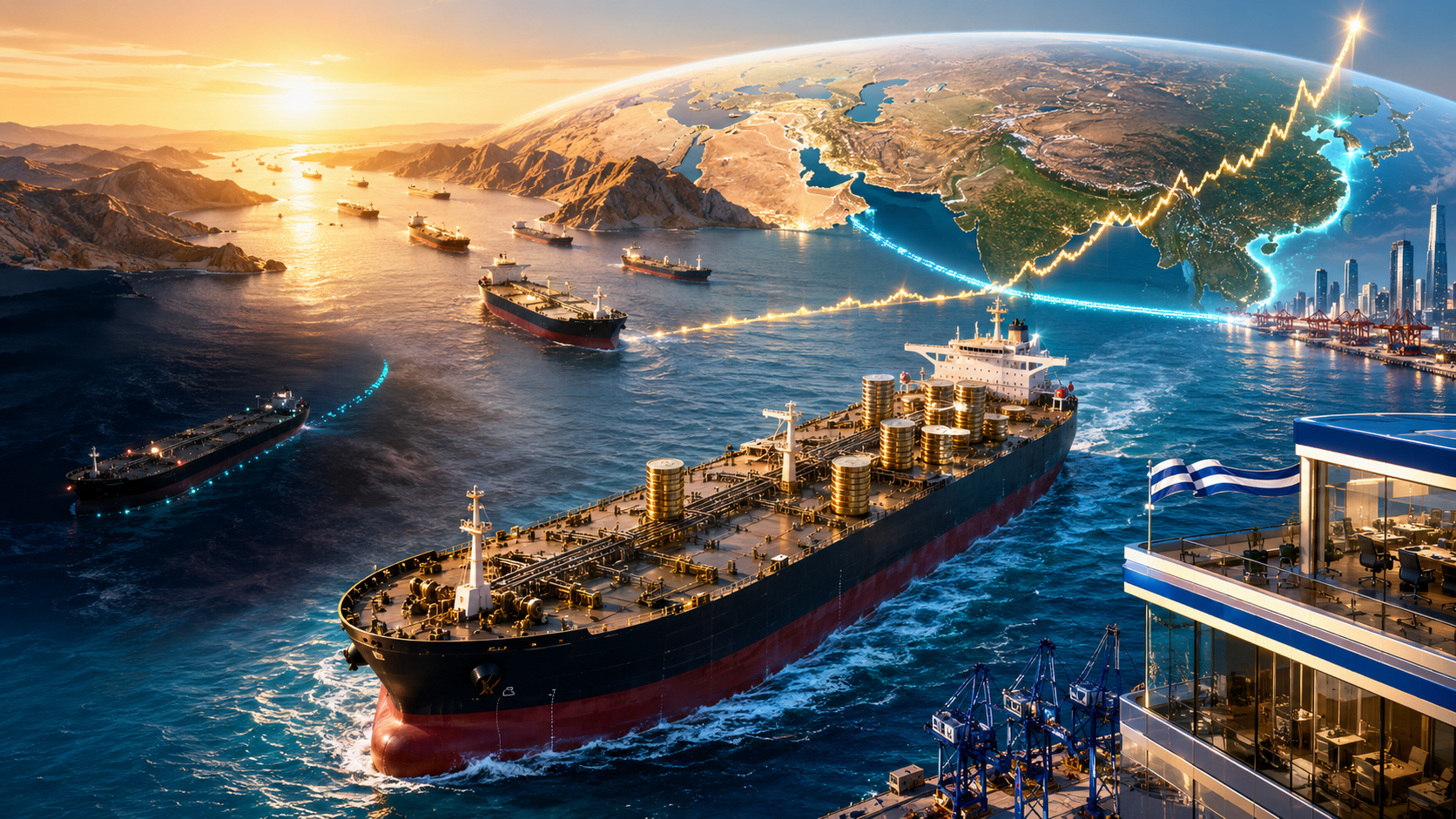
Enigmatic statements by Trump and the uncompromising demands of Tehran
The President of the USA, Donald Trump, noted earlier that negotiations are «going well» and that Tehran desperately desires a deal, rushing however to clarify that Washington is in no hurry.
Concurrently, Donald Trump reiterated his threats of strikes against Iranian nuclear infrastructure, making specific reference to the fortified facility at Pickaxe Mountain.
For his part, American Secretary of State Marco Rubio stated that no definitive decision has been taken regarding new airstrikes, at a time when an Iranian delegation is conducting consultations with mediators in Doha.
The strategy of Tehran and shifting pressure to Washington
This tactical move by Tehran to propose opening Hormuz under strict conditions serves multiple strategic objectives and completely overturns balances.
With the 48-hour proposal, Iran presents itself as the side offering an immediate, practical solution to the global crisis.
If the USA refuses, it shoulders the entire responsibility for the continuation of energy suffocation.
Simultaneously, the American narrative is weakened, as the Iranian leadership proves in practice that it does not seek blind or eternal confrontation, but uses absolute control of the maritime artery as a potent bargaining chip to achieve substantive political and economic reciprocations.
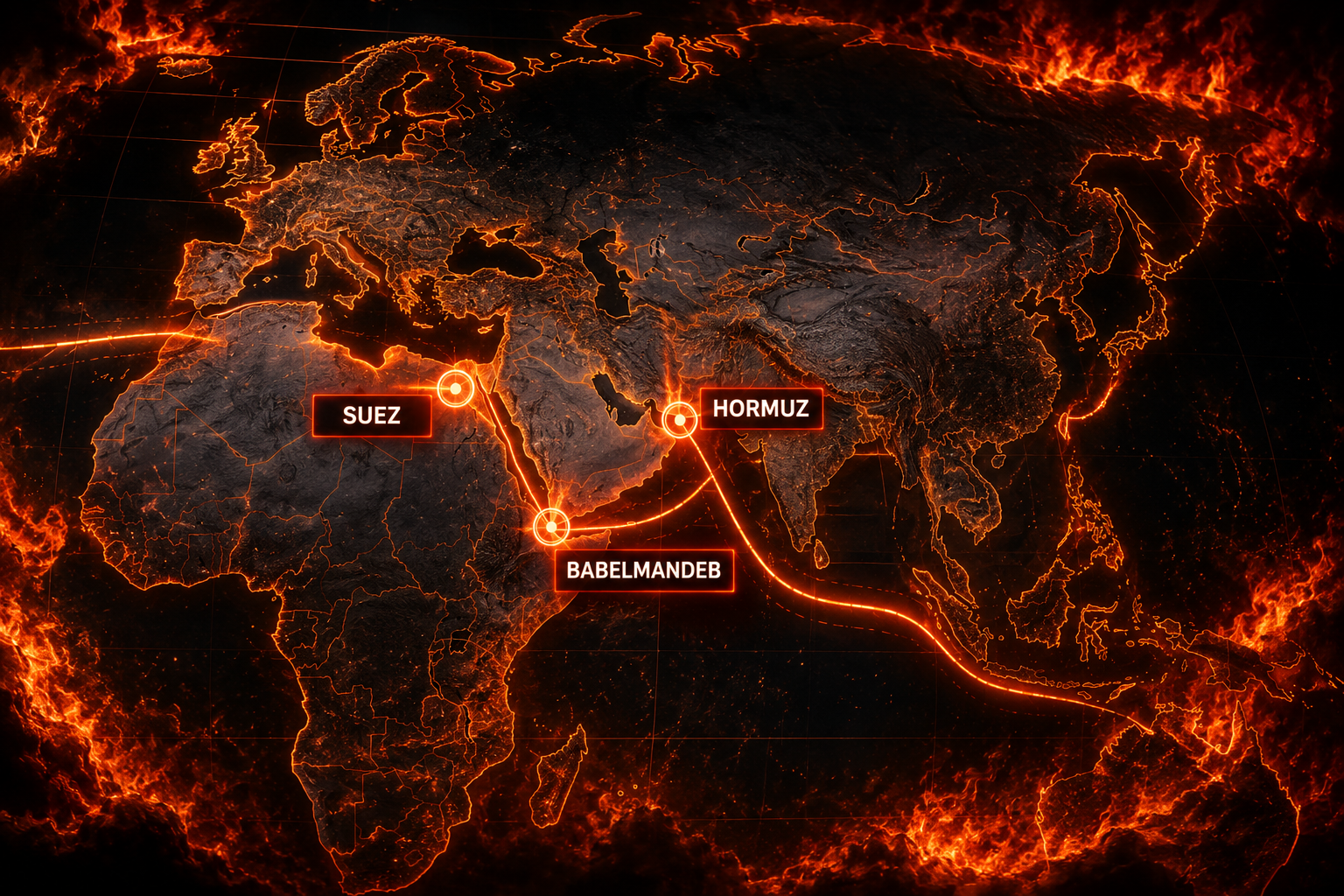
Exploitation of Western energy panic and consolidation of Iranian supremacy
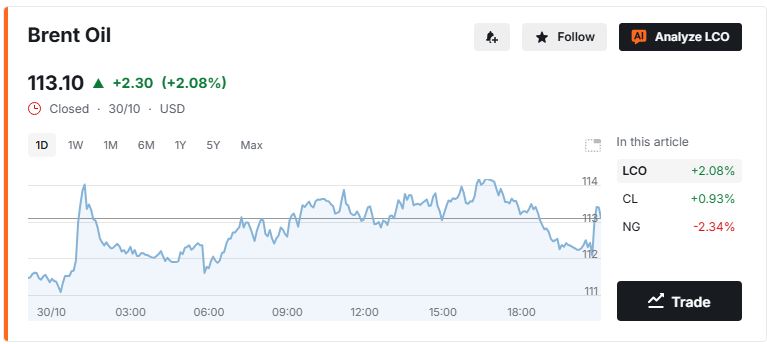
The disruption to the maritime corridor continues to threaten global energy supplies, and Iran offers an exit that Western economies are desperately pressing to be accepted.
Knowing that Europe and international markets are bending under the weight of shortages, with natural gas reserves in countries such as Germany standing at dangerously low levels: the German gas storage industry warned that reserves stand at barely 61.35% ahead of winter, far below the national target of 80%, a development reflecting in part the increased energy costs due to the war.
The coming days are expected to test whether the proposed arrangement for navigation can advance before Washington and Tehran resolve their disputes.
If Washington yields to pressure, Tehran simultaneously achieves the liberation of its frozen resources, the restoration of its oil exports, and the reduction of American military strangulation in the Middle East.
In this way, Iran not only secures immense economic and geopolitical gains, but definitively consolidates its position as the undisputed arbiter of the balance of power in the region.
www.bankingnews.gr






Readers’ Comments