

Energy suffocation in Ukraine: Russian strikes test Kyiv's endurance — Hundreds of thousands of households in the dark
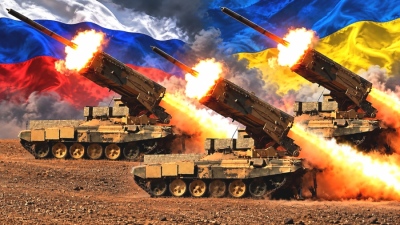
Moscow is escalating pressure on Ukraine's energy and military-industrial infrastructure, targeting, according to the Russian Ministry of Defense, the supply chains of the Ukrainian armed forces. The Zelensky government confronts severe electricity supply problems, while the energy crisis emerges as a critical factor in the war effort ahead of winter. The energy situation in Ukraine is deteriorating dramatically, as successive Russian strikes on power-generating facilities, substations, and supply infrastructure have caused extensive power outages, particularly in Kyiv and the Dnipropetrovsk region. The new series of attacks, during the night of October 30 to 31, highlights a core dimension of Russian military strategy: exerting pressure on infrastructure supporting the operation of the Ukrainian defense industry, transport, and military supply chain. The magnitude of the consequences is confirmed by the Ukrainian leadership. Volodymyr Zelensky announced that approximately 200,000 households in the Dnipropetrovsk region and more than 80,000 in the wider Kyiv region remain without electricity. These numbers reveal the scale of the crisis, as well as the growing difficulty of maintaining the country's energy operations under continuous attack, directly impacting Ukraine grid stability.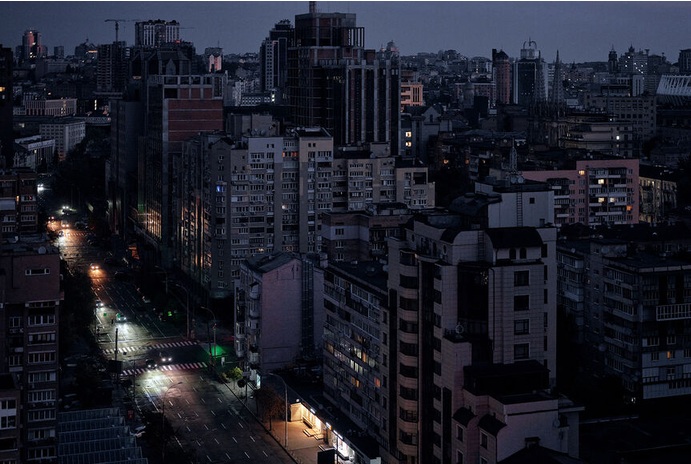
Moscow confirms strikes on strategic facilities
The Russian Ministry of Defense announced that Russia's armed forces carried out coordinated drone attacks against facilities that, according to Moscow, serve the needs of the Ukrainian military-industrial complex. Named among the targets was the CHP-6 thermal power plant in Kyiv, which the Russian side links to the supply of electricity to military logistics support and arms storage facilities. In Kharkiv, the Russian ministry claimed that workshops in the Proton industrial zone were hit, where military equipment components are reportedly manufactured, as well as drone assembly and storage facilities. Moscow also announced an attack against a cargo ship near Odesa, claiming it was carrying supplies for the Ukrainian armed forces. The Russian argumentation rests on the view that energy and industrial infrastructure represent critical links in the Ukrainian war effort. However, these same facilities also serve a large portion of the civilian population. The military utility of an infrastructure element alone does not suffice to render any strike against it lawful: international humanitarian law requires a distinction between military targets and civilians, proportionality, and measures to protect the population, altering military supply chains.
???? This is how Kyiv looked last night after the hits from Russian BALLISTIC MISSILES Warehouses in the eastern suburbs caught fire after the strikes. The attack came hours after Zelensky warned of fresh ballistic strikes. No casualties have been reported so far. Writer: Lucas https://t.co/CBxsFgAeCr
— Mario Nawfal (@MarioNawfal) October 30, 2026
Kyiv in the dark — Outages up to 23 hours
In the Ukrainian capital, the situation is described as exceptionally difficult. According to reports cited in initial coverage, in certain areas citizens face electricity outages lasting 15 to 17 hours daily. Other information indicates that in specific zones power may be supplied for barely an hour and a half. Ukrainian energy company DTEK confirmed that the latest strikes compounded damage from previous attacks. The company warned that strict restrictions are being implemented to preserve grid operations and prevent uncontrolled blackouts. The Mayor of Kyiv, Vitali Klitschko, reported that the attacks also caused water supply problems due to the shutdown of critical facilities. According to his updated briefing on Saturday morning (31/10/2026), the operation of water supply and sewage systems had been restored despite ongoing electricity difficulties, reshaping Kyiv blackout risks.
❗️The situation with electricity supply in Ukraine is difficult following Russian strikes, - Zelenskyy ?Yesterday evening, Russian "Shahed" drones struck a thermal power plant in Kyiv. ?In the Dnipropetrovsk region, there were strikes on four substations during the night. ?Early this morning, a Russian drone struck a thermal power plant in Shostka. ?In Dnipro and Kharkiv, there were strikes on railway infrastructure. ?In the Dnipropetrovsk region, Russia also attacked a gas distribution facility. "Following these Russian strikes, the situation with electricity supply in our regions is difficult. Approximately 200,000 families in Dnipro and the region are without electricity. More than 80,000 families in the Kyiv region are also without power. Repair crews are working to eliminate the consequences of the strikes and are doing everything to restore electricity supply," the President said.
— Gianl1974 (@Gianl1974) October 31, 2026
Severe problems in Dnipropetrovsk as well
The energy crisis is not confined to the capital. In the Dnipropetrovsk region, home to a significant portion of Ukrainian industrial activity, the attacks caused severe damage to four electrical substations, according to Zelensky. Strikes were also reported on a natural gas distribution facility and railway infrastructure. DTEK announced that two energy facilities in the region suffered severe damage, while one had just undergone restoration work following a previous attack. This fact highlights one of the greatest problems facing Ukrainian authorities: grid restoration takes place under the threat of new strikes, continuously increasing repair costs and burdening available technical means. The energy company emphasizes that crews work around the clock wherever security conditions permit, impacting Dnipropetrovsk power infrastructure.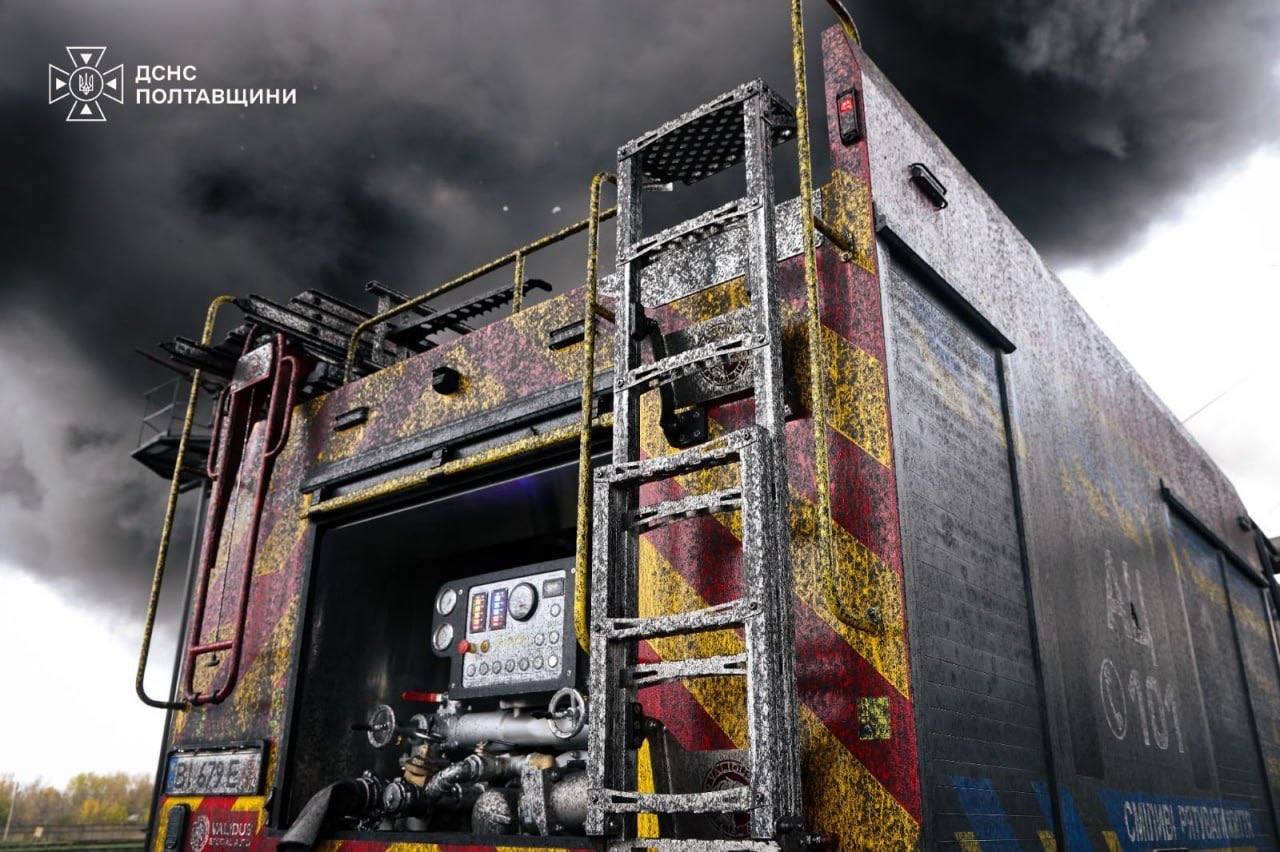
The strategic dimension
From a military perspective, the Russian objective is to limit Ukraine's ability to maintain the supply and production infrastructure feeding its armed forces. This approach connects the combat engagement at the front with the operation of industrial and energy networks in the interior. At the same time, however, the extent of the outages demonstrates that the consequences are not limited to military installations. They affect homes, water supply, transportation, and basic services, increasing risks for the civilian population. The Zelensky government claims that Russia systematically targets civilian infrastructure and calls on Western allies to intensify sanctions and military support. Moscow, for its part, insists that operations aim to weaken Ukrainian military capacity. This confrontation highlights an important reality: Ukraine's endurance does not depend exclusively on the quantity of weapons and ammunition at its disposal, but also on the ability of its economy and infrastructure to remain operational, redefining energy warfare strategy.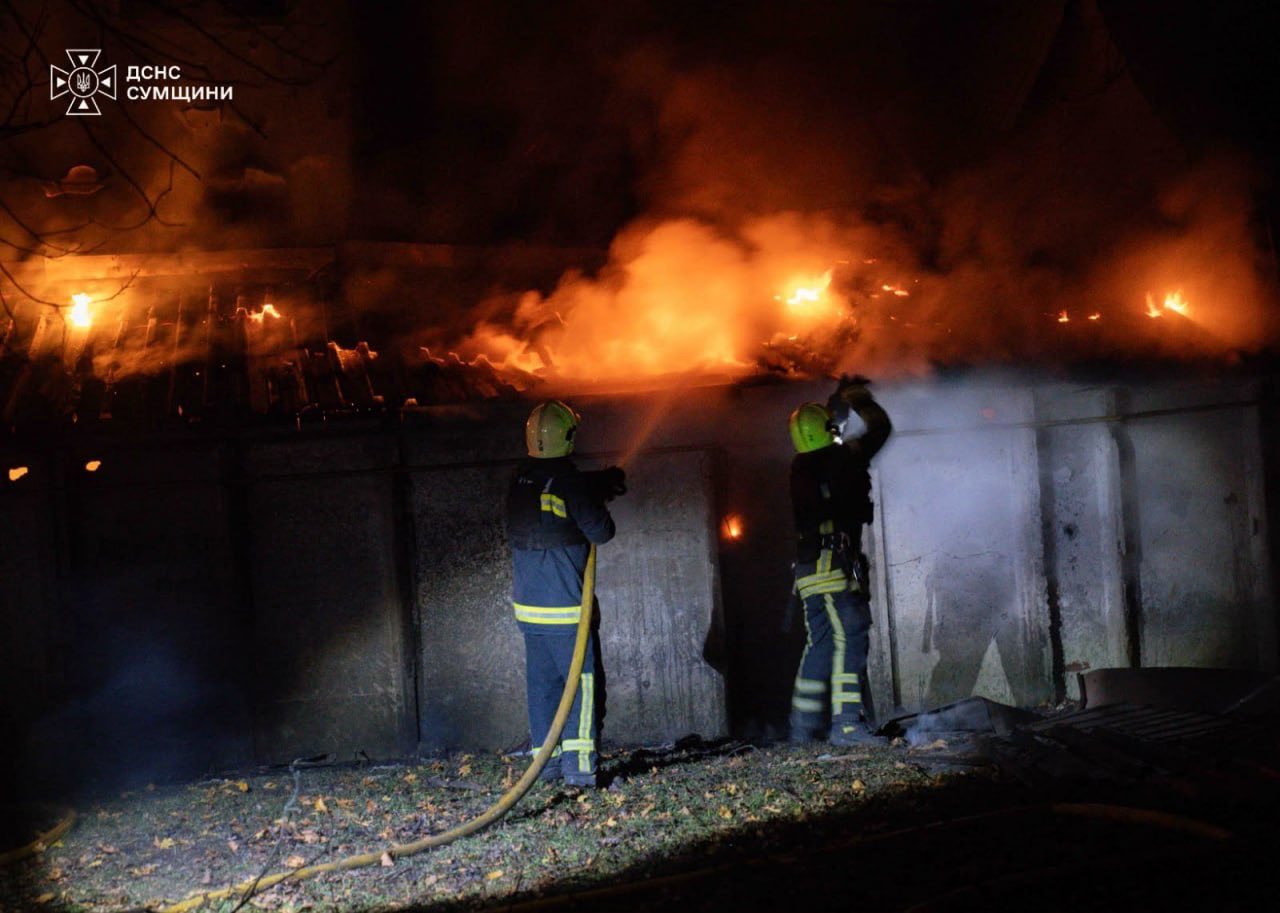
Winter intensifies pressure
With the entry into November, the energy dimension of the war acquires even greater weight. The increased need for heating, the reliance of urban centers on electricity, and the accumulation of damage create additional difficulties for the Ukrainian government. For Russia, pressure on supply infrastructure forms part of a broader effort to constrain the operational capabilities of the Ukrainian side. The energy crisis thus emerges as one of the most critical battlegrounds of the Russo-Ukrainian conflict: Moscow seeks to weaken the support infrastructure of the Ukrainian army, while Kyiv is called upon to maintain state and economic operations under continuous pressure. The evolution of this clash will constitute a major factor for military and diplomatic balances in the coming months, with its outcome yet to be determined, warning of winter defense challenges.
www.bankingnews.gr








Readers’ Comments